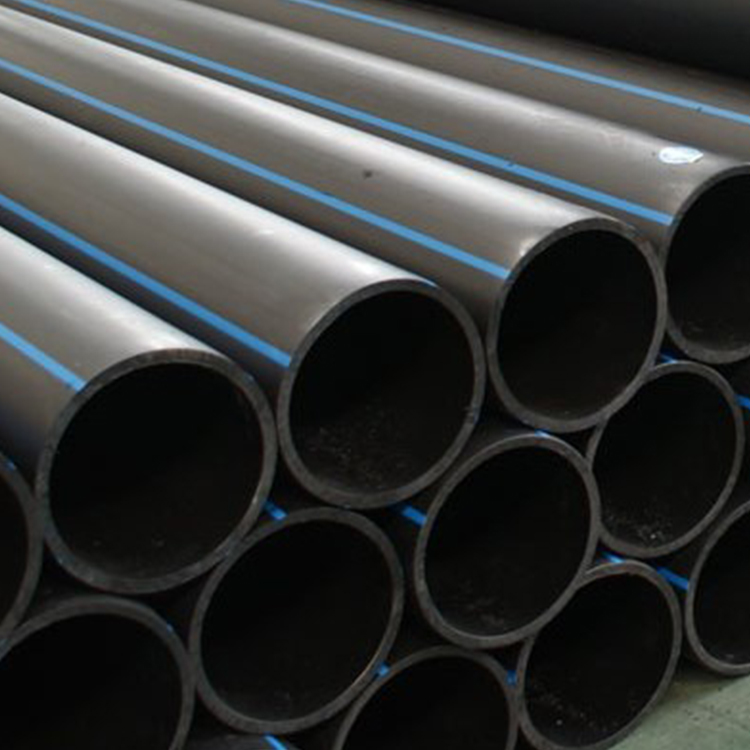








PE Water Supply and Drainage Pipe Testing Machine Method and Steps
1. After removing air from the pipe to be tested, increase the pressure to the required value at a steady rate, placing the pressure gauge as low as possible along that section of the pipe.
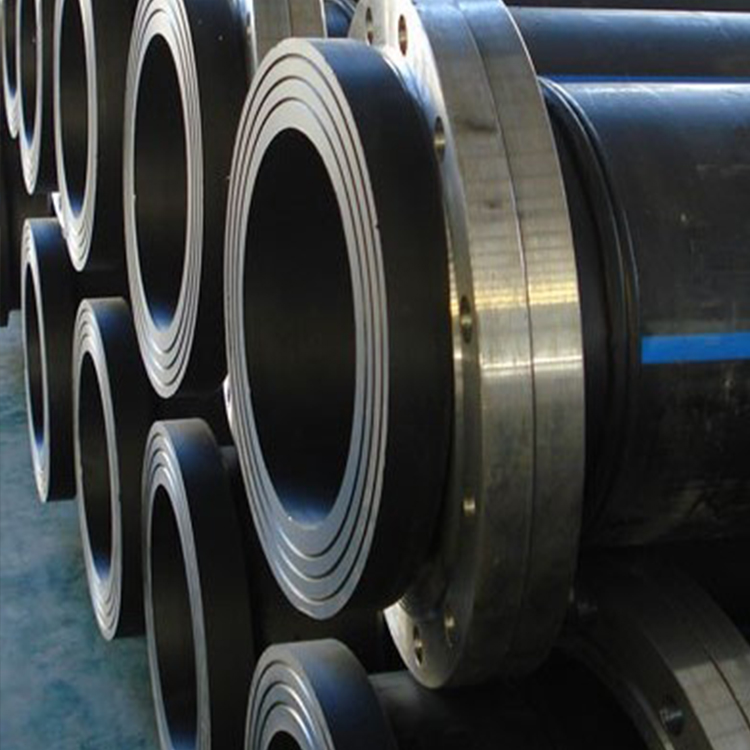
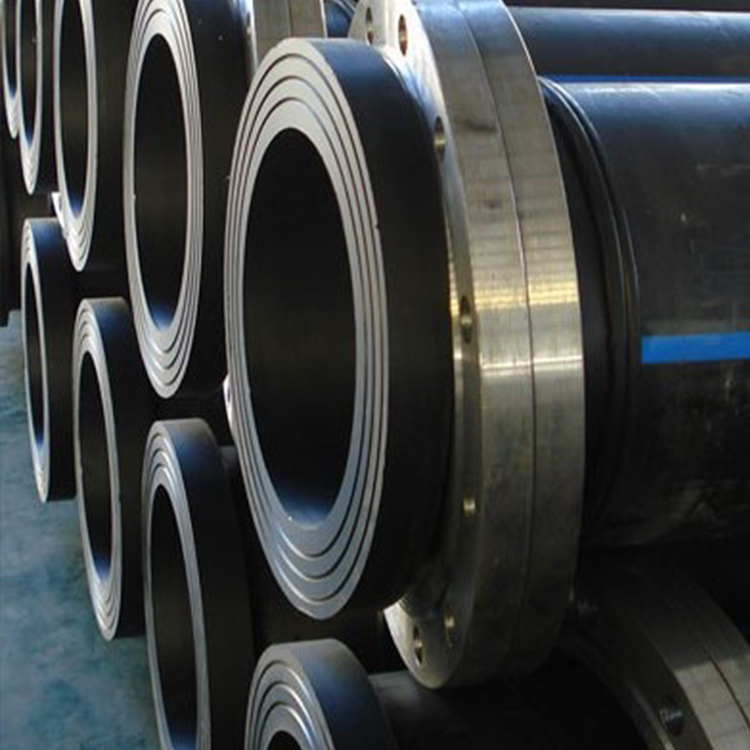
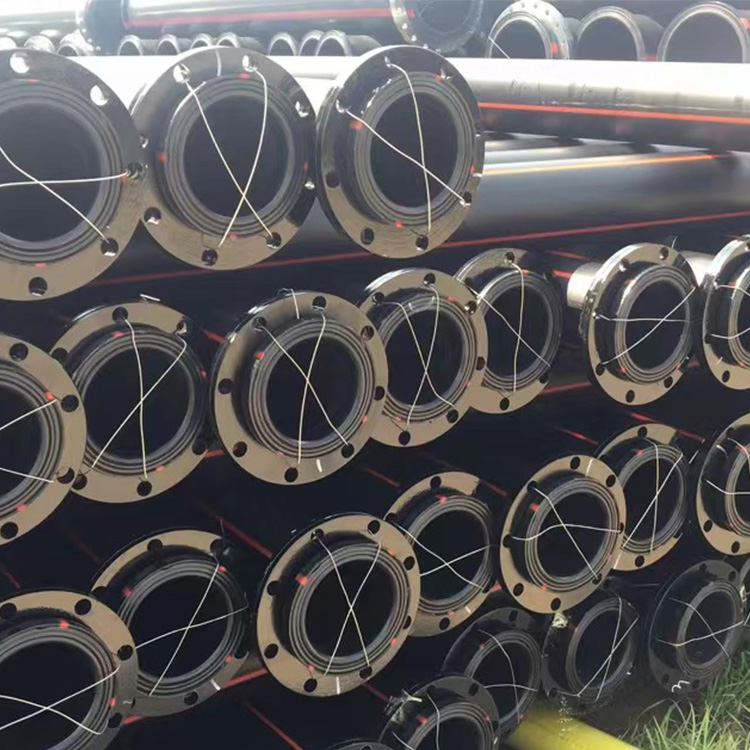
2. Pressure testing can be conducted before or after pipeline backfilling. The pipeline should be covered with soil at certain intervals, especially for serpentine pipelines. During pressure testing, the pipeline should be secured in its original position. The flange connection areas should be exposed for easy inspection of any leaks.
3. The test pressure for the pressure test should not exceed 1.5 times the pressure class of the PE pipe material or the component with the lowest pressure class in the system. Initially, the pressure should be raised to the specified test pressure value and held for a sufficient amount of time to ensure the pipe fully expands, which takes 2-3 hours. Once the system stabilizes, raise the pressure to 1.5 times the working pressure and hold it steady for 1 hour. Carefully observe the pressure gauge and inspect along the pipeline. If no visible leakage is observed or a significant drop in pressure occurs during the test, the pipeline passes the pressure test.
4. During the pressure test, a certain pressure drop is normal due to the continuous expansion of the pipes, which will cause a pressure drop. A pressure drop during the testing process does not necessarily prove that the pipeline system has definitely leaked or been damaged.