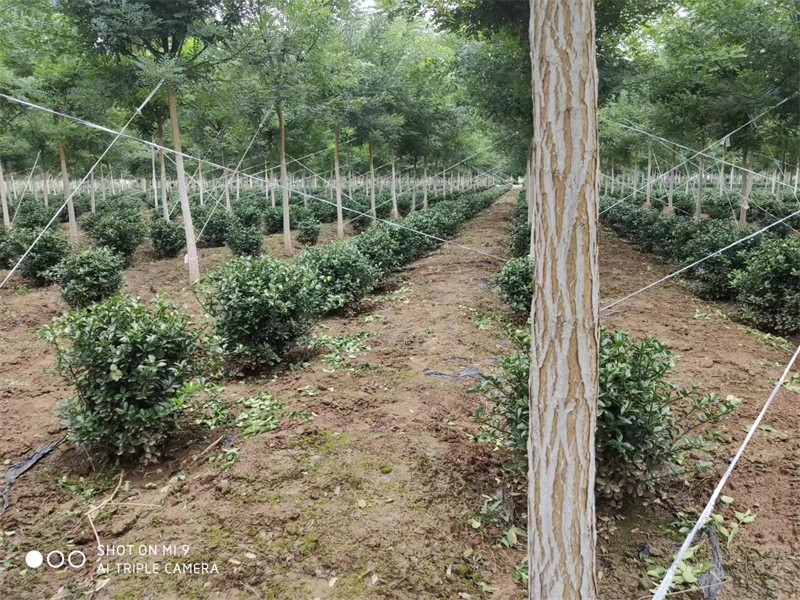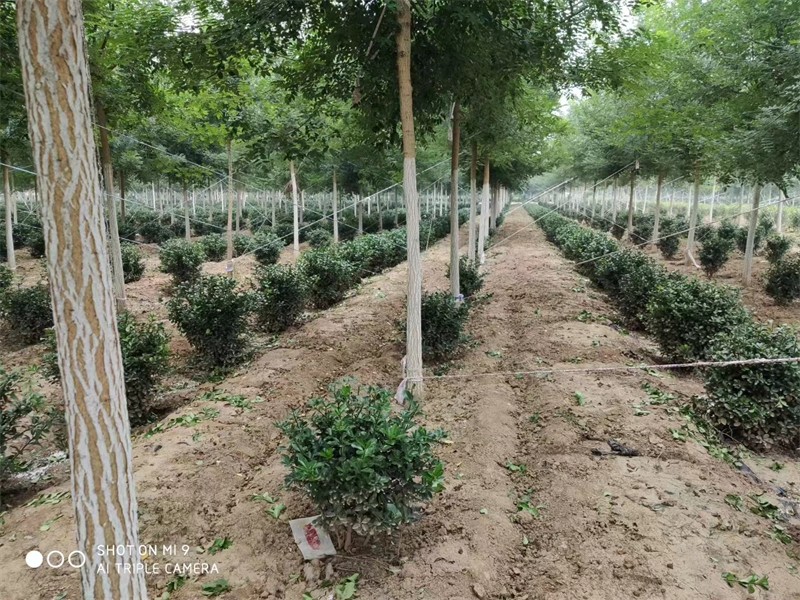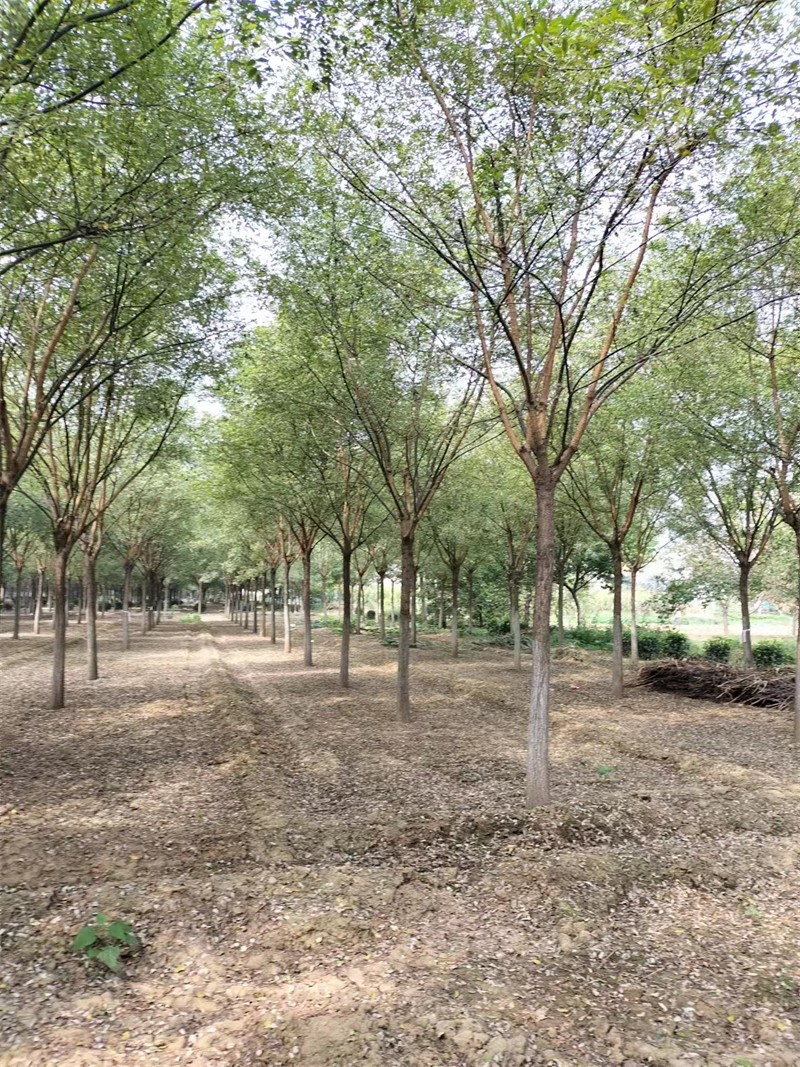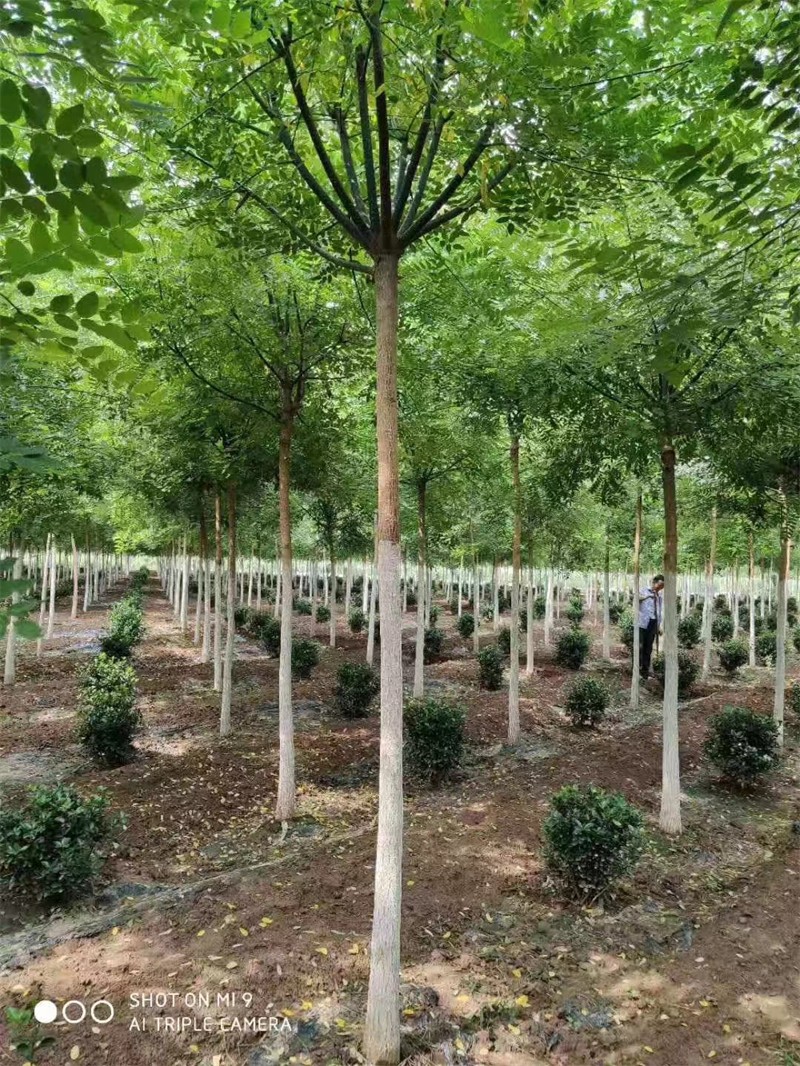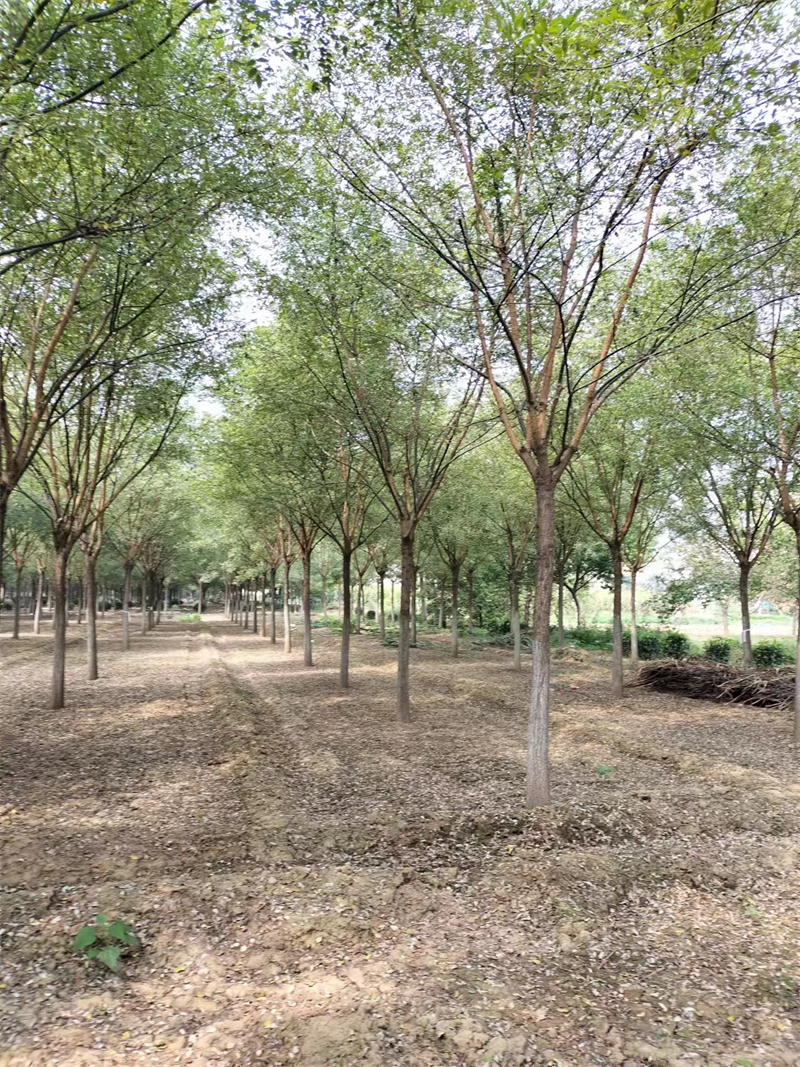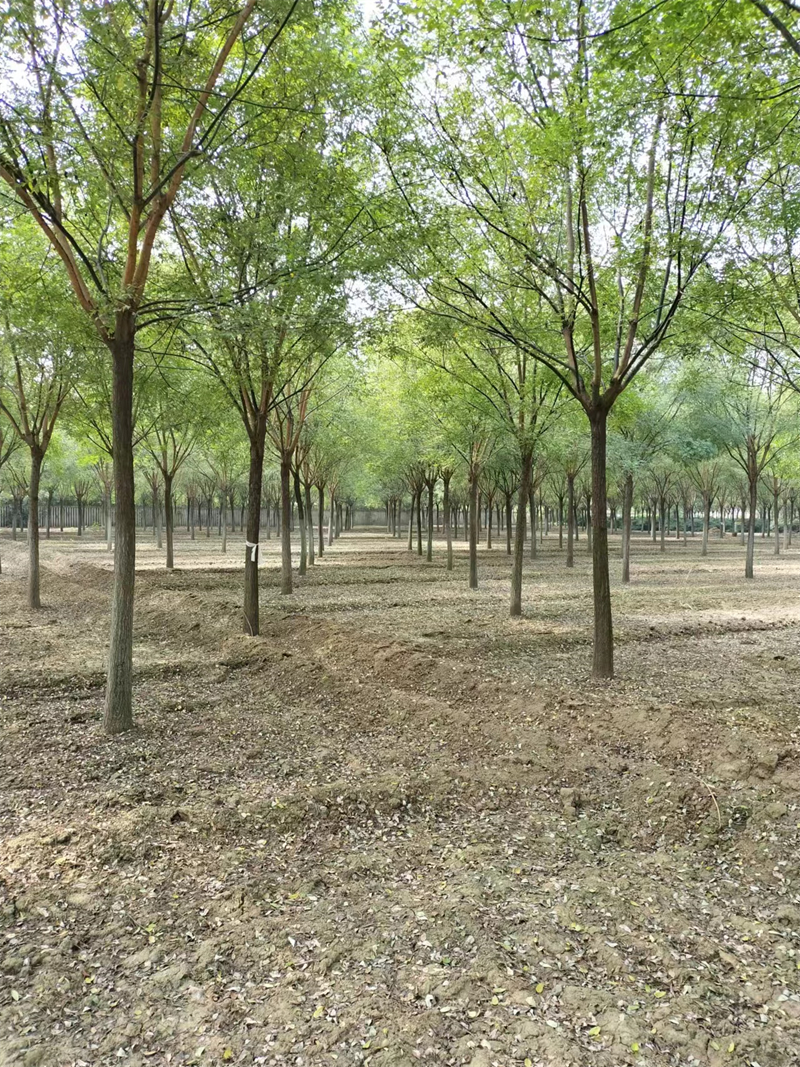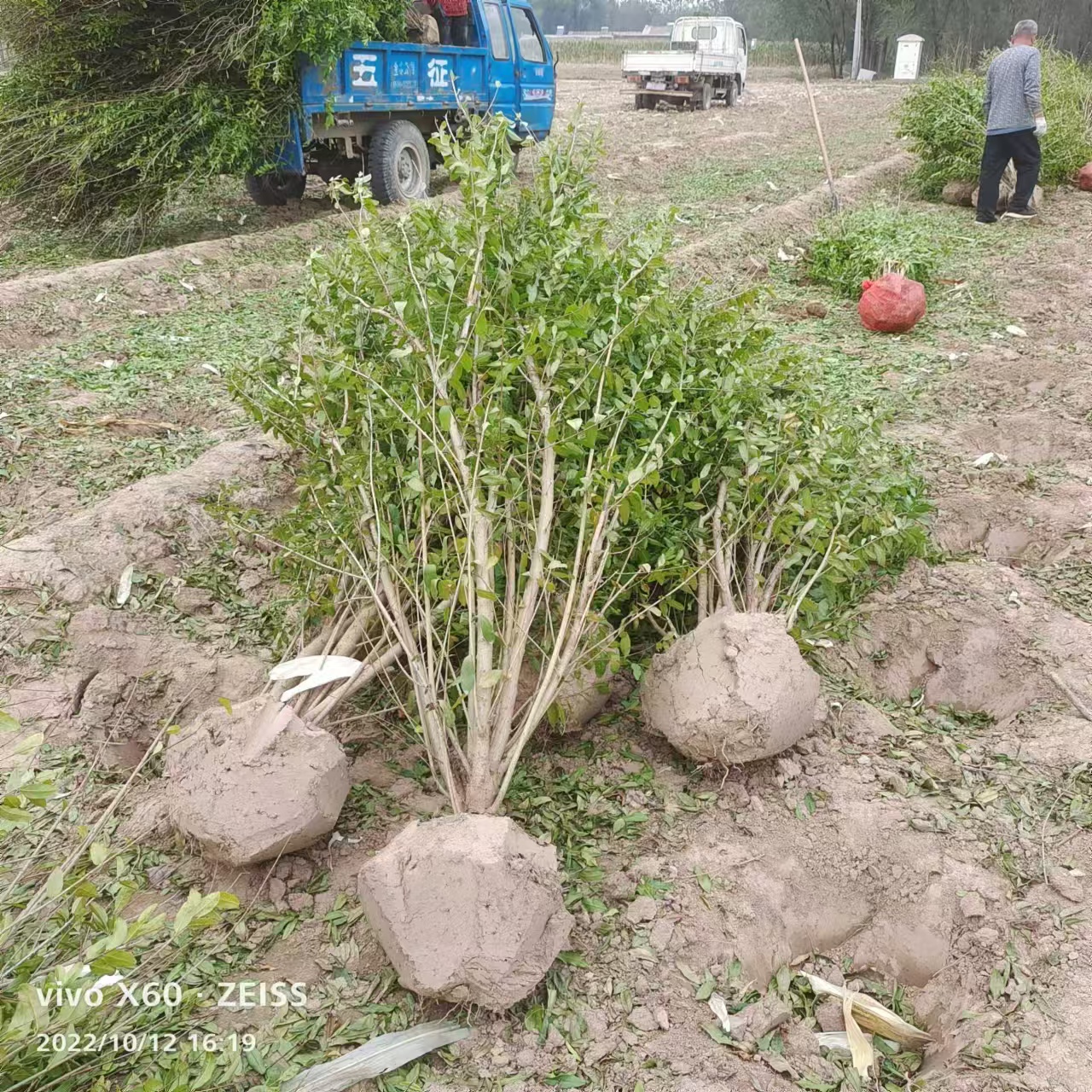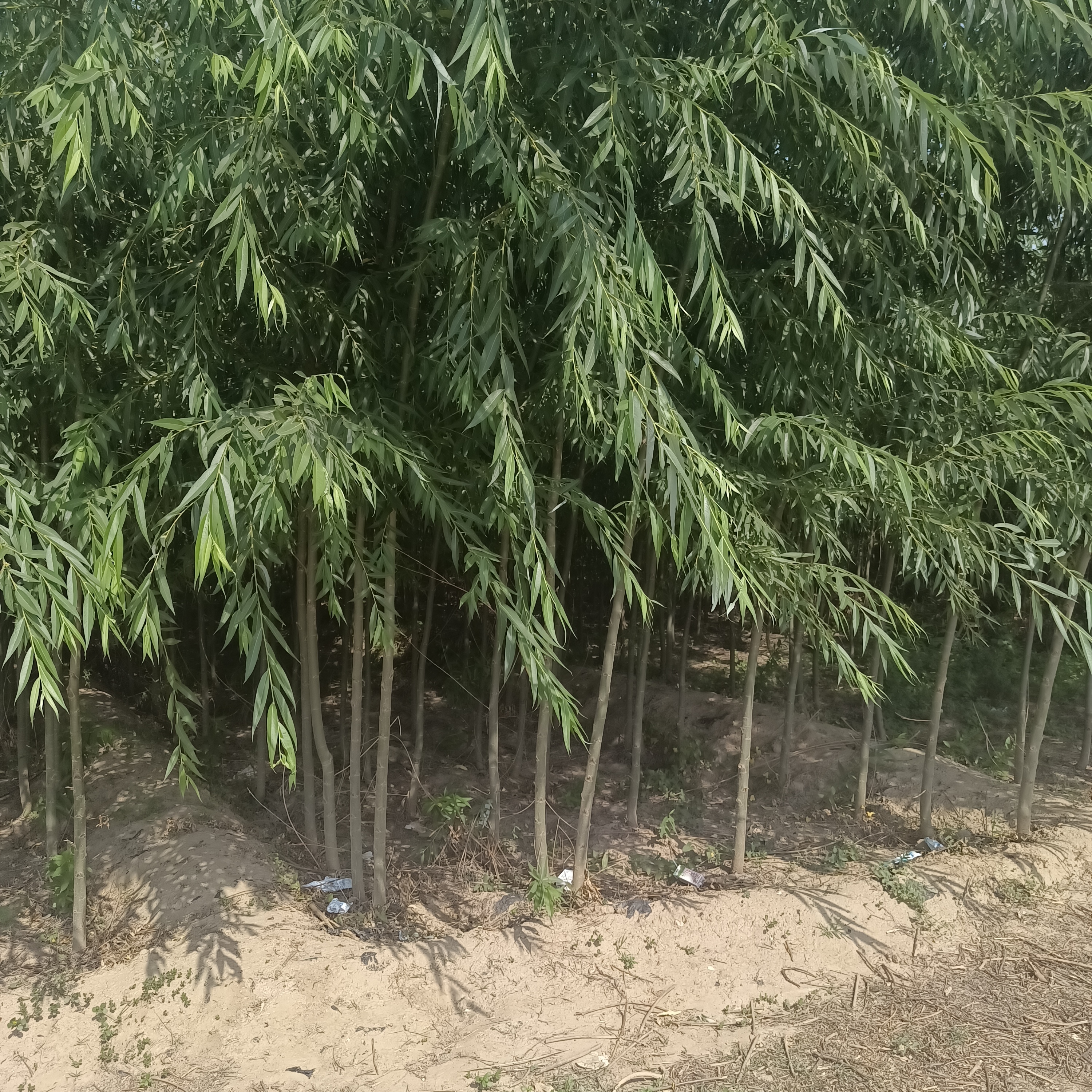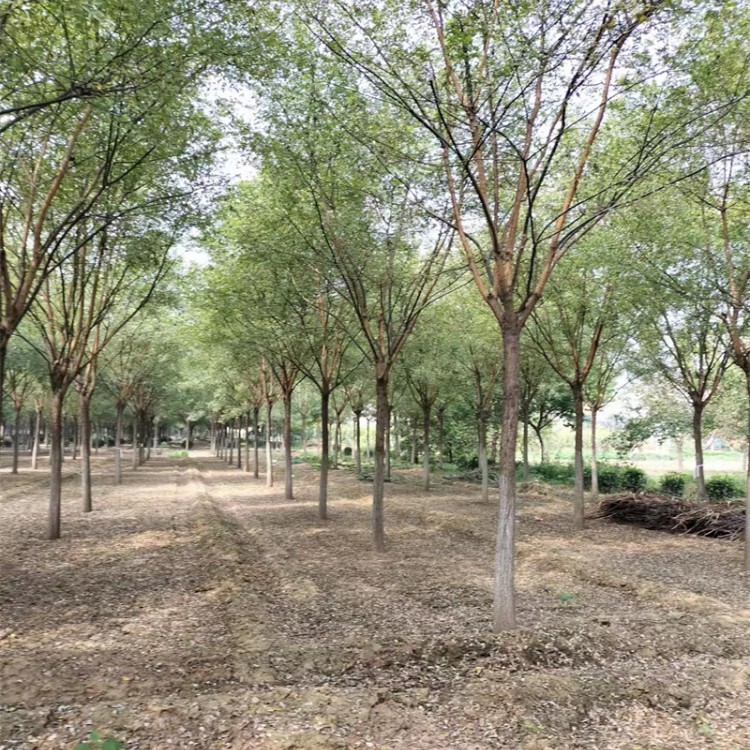

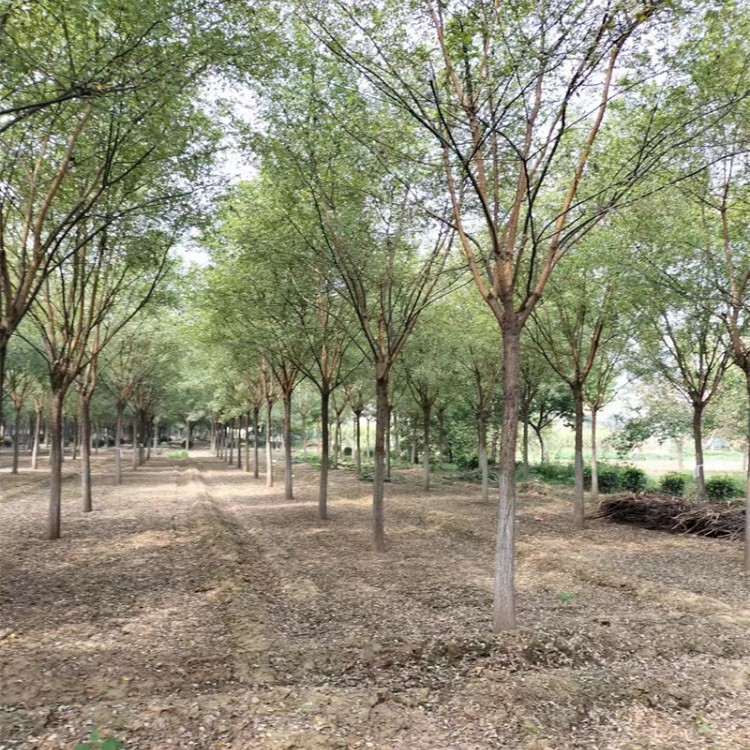
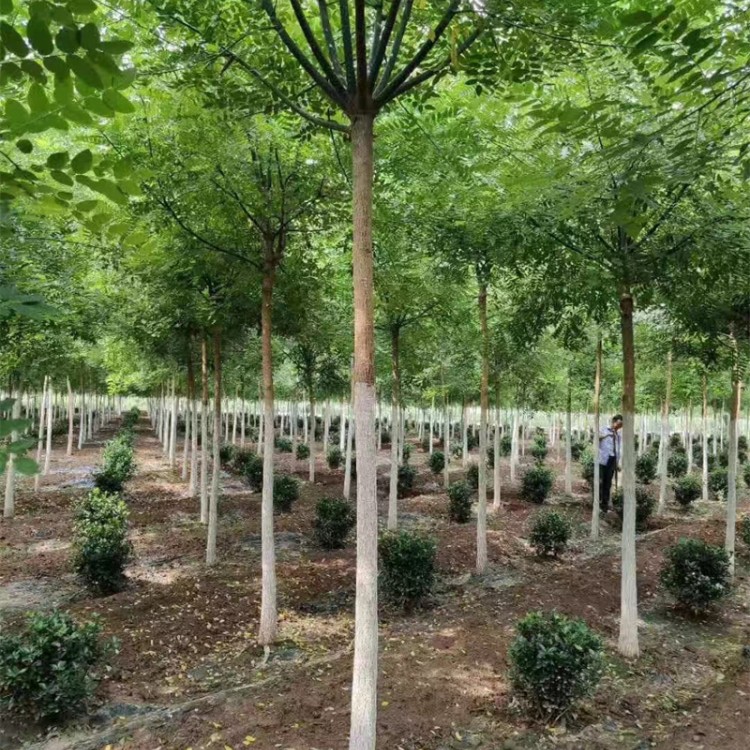







Guohuai is an important tree species resource in Shaanxi Province, with extensive ecological, ornamental, and cultural value. Plays an important role in urban greening and ancient tree protectionUse it. In the future, with the continuous improvement of people's awareness of ecological environment and cultural heritage protection, the planting and protection of Shaanxi national locust will receive more attention and promotion.
Detailed introduction of Chinese locust tree:
1、 Tree species characteristics
● Scientific name and alias: Sophora japonica, scientific name Sophora japonica Linn., Also known as Huai tree, Huai Rui, Dou Huai, Bai Huai, Xi Ye Huai, Hu Fang tree, etc.
● Family and genus: Fabaceae, Sophora subfamily.
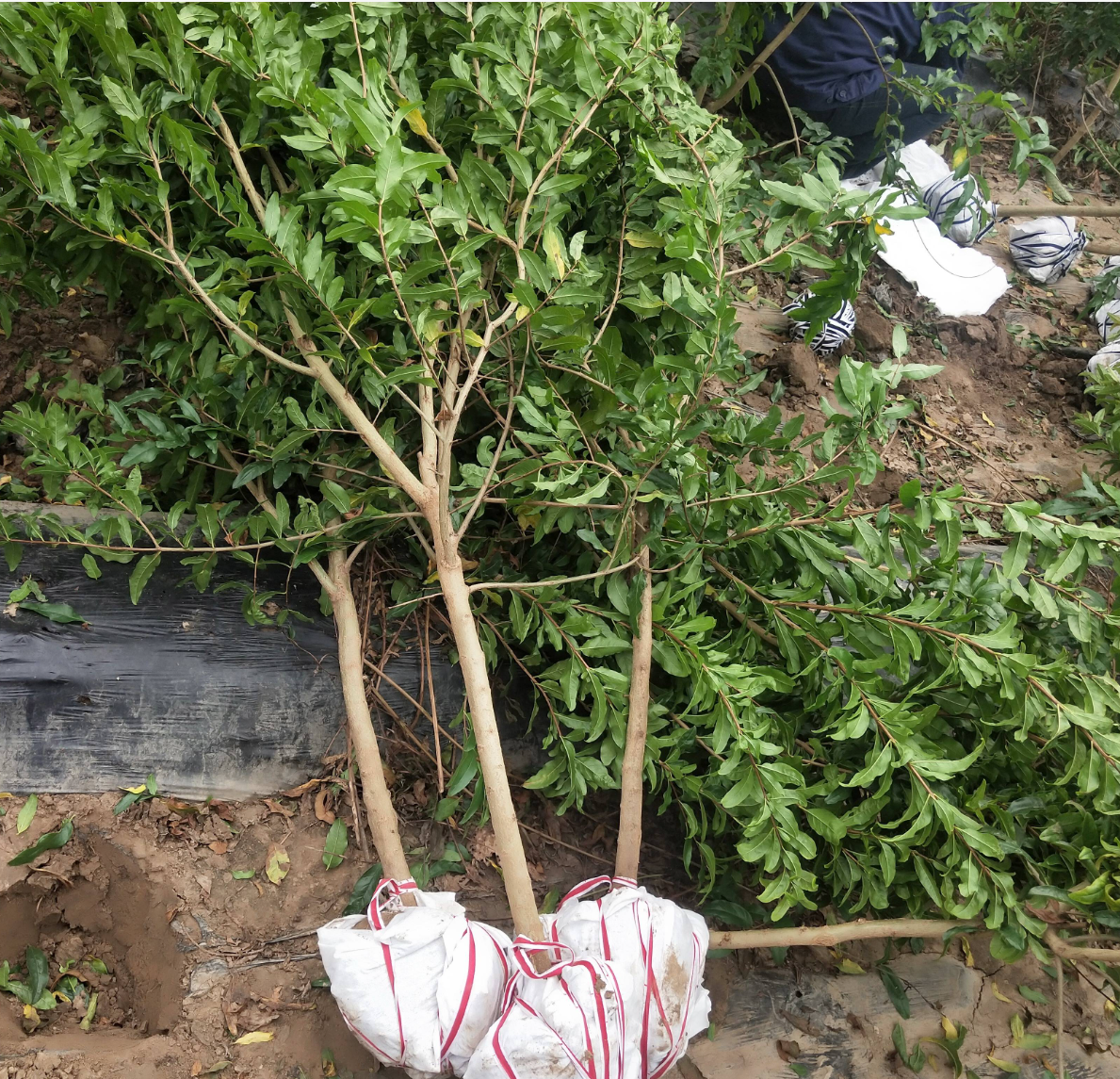
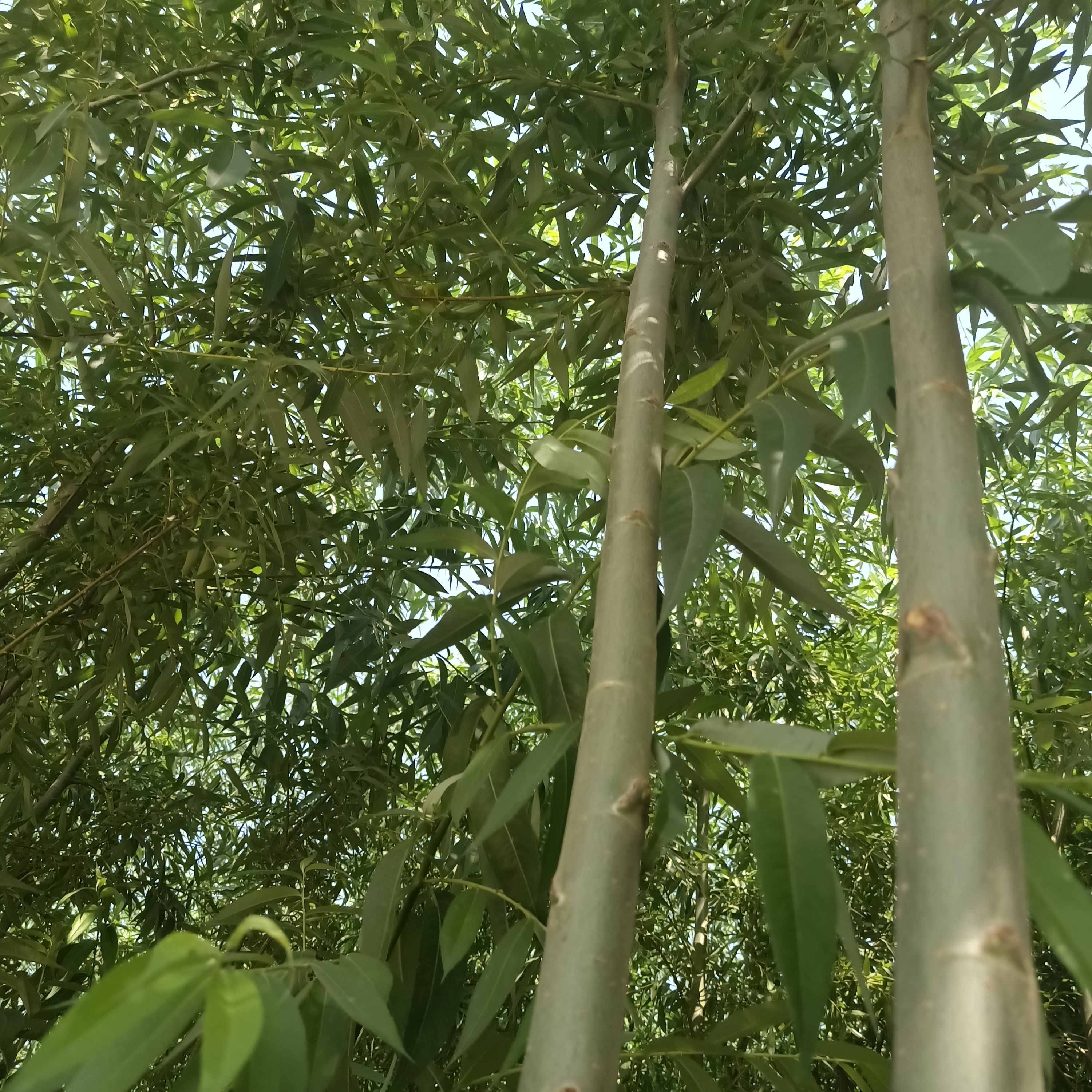
● Morphological features: The Chinese locust tree is a deciduous tree with a round crown, gray black bark, longitudinal cracks, smooth green branches, and obvious skin holes. Odd feather compound leaves, leaflets opposite, 7-17, ovate to ovate lanceolate. The flowers are light yellow green in color, with round inflorescences. The pods are bead shaped, fleshy, and do not crack when mature. They are often hung on trees and do not fall in winter. The flowering period is from June to August, and the fruit ripens in October.
2、 Ecological Habits
Adaptability: Sophora japonica has the characteristics of cold resistance, drought resistance, and strong adaptability, and has strong resistance to harmful gases such as smoke and dust.
● Growing environment: In the Shaanxi region, Sophora japonica can grow in various environments, whether it is urban roadside trees or rural green belts, its presence can be seen.
3、 Planting and maintenance
Planting techniques: The cultivation of Sophora japonica requires the selection of suitable soil and climatic conditions, as well as scientific planning and design. During the planting process, attention should be paid to the combination and spacing of tree species to ensure their healthy growth and landscape effect.
● Maintenance management: The maintenance management of Sophora japonica includes watering, fertilizing, pruning, pest control, and other aspects. Through scientific maintenance and management, the ornamental value and ecological function of Sophora japonica can be maintained, and its service life can be extended.