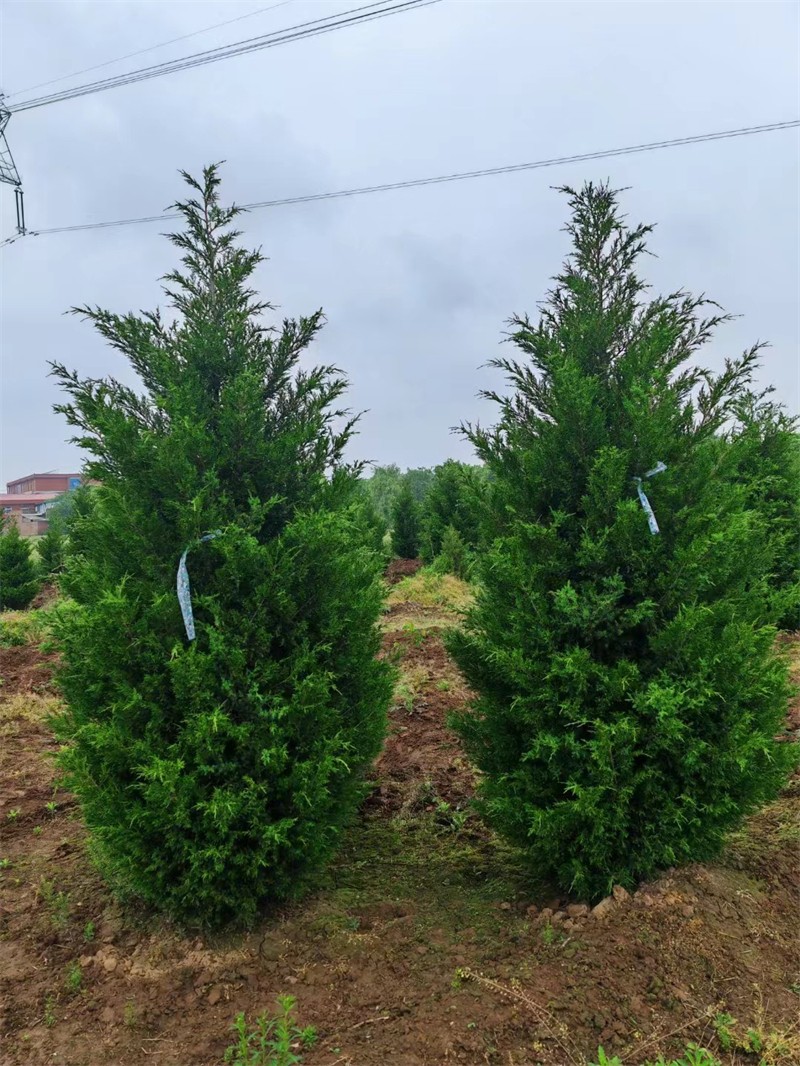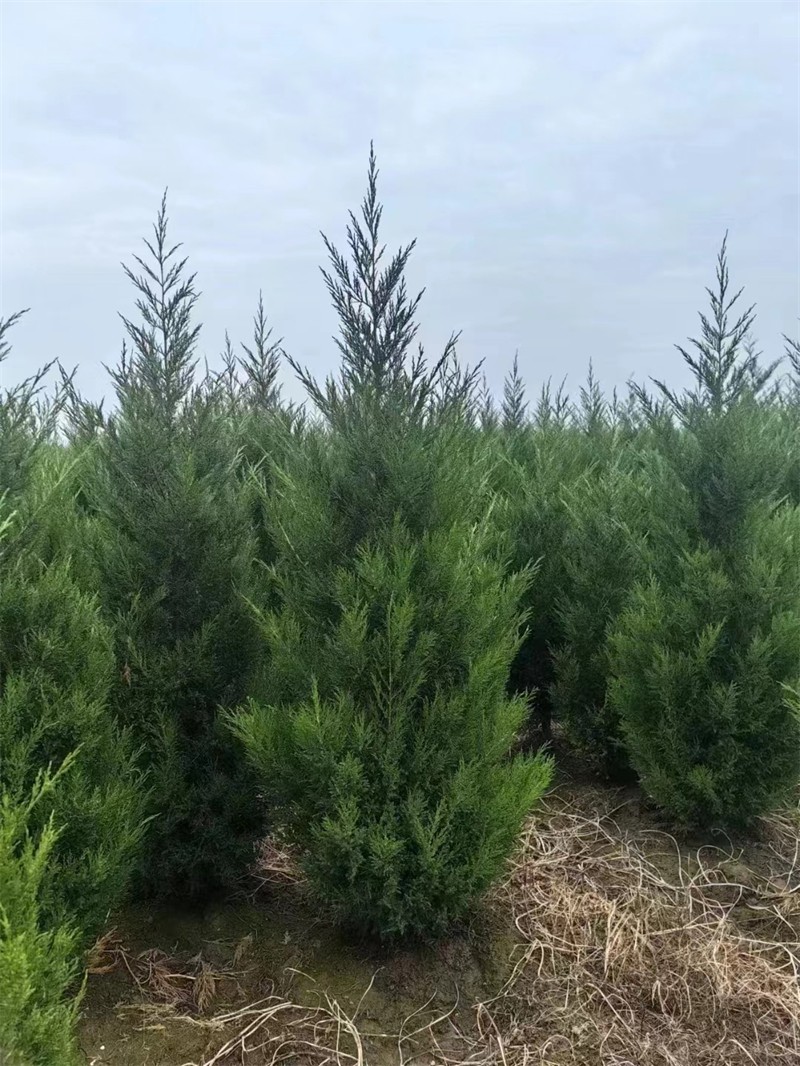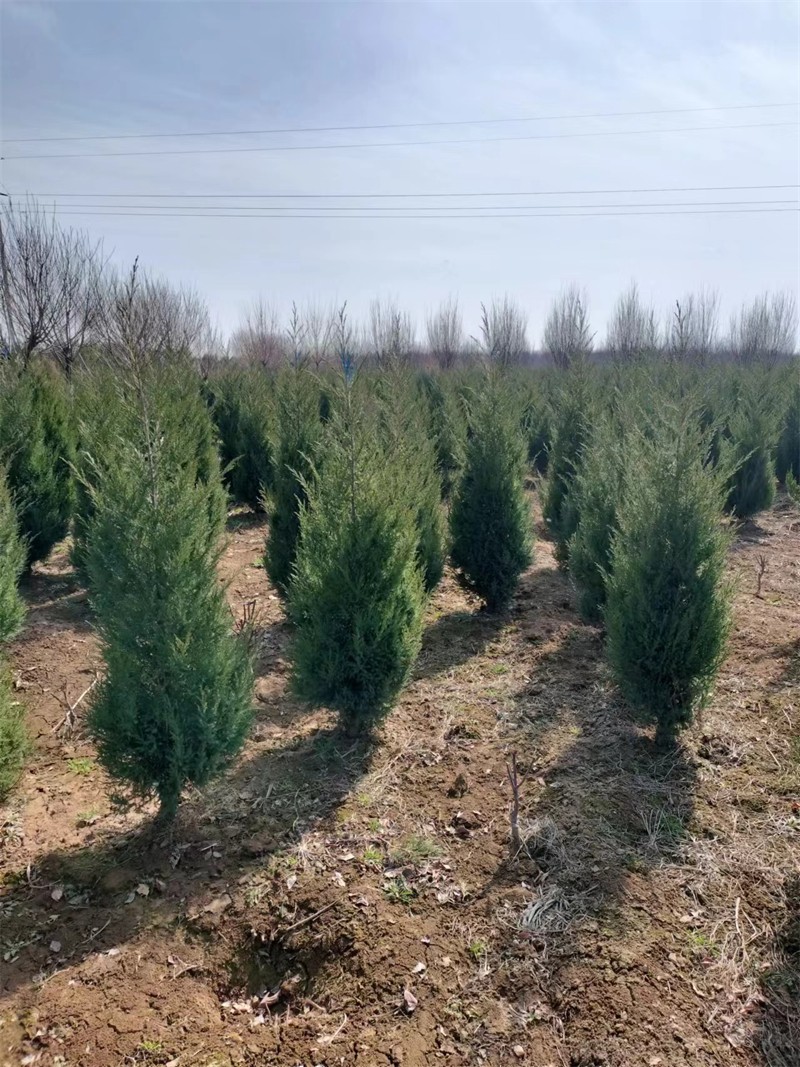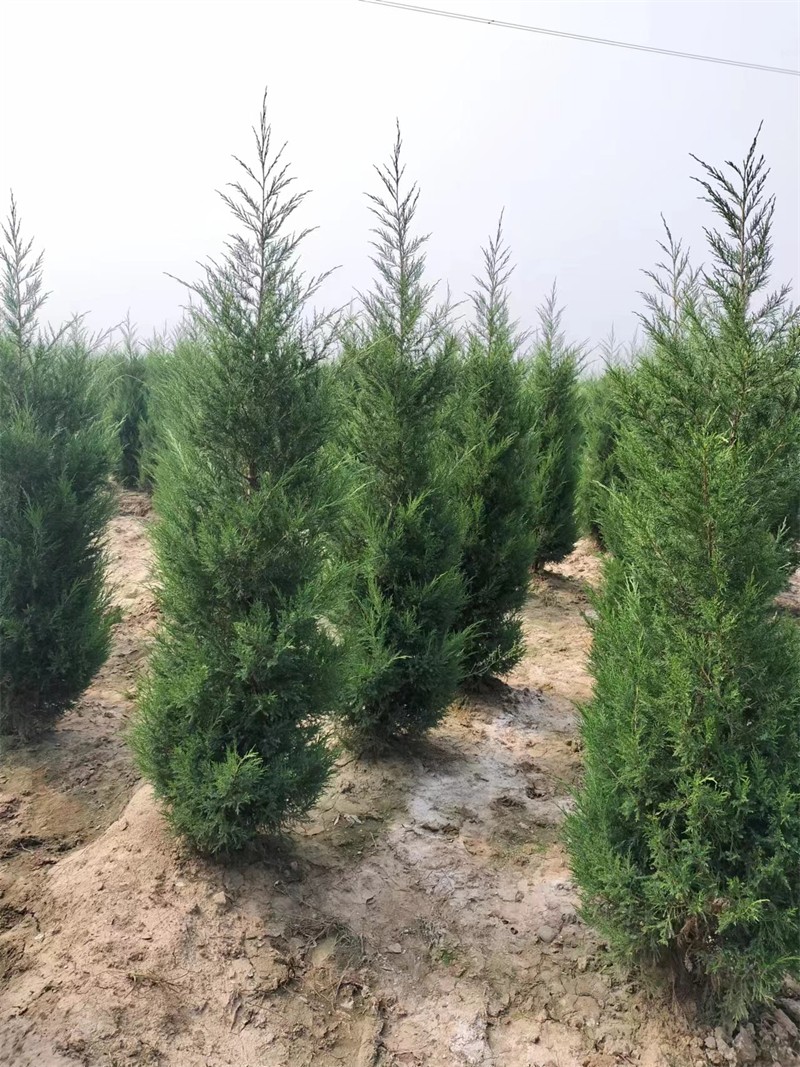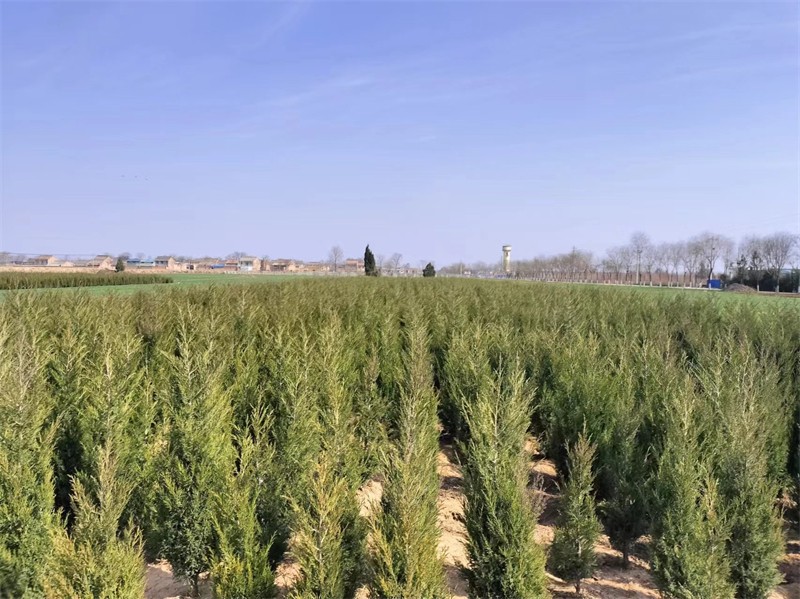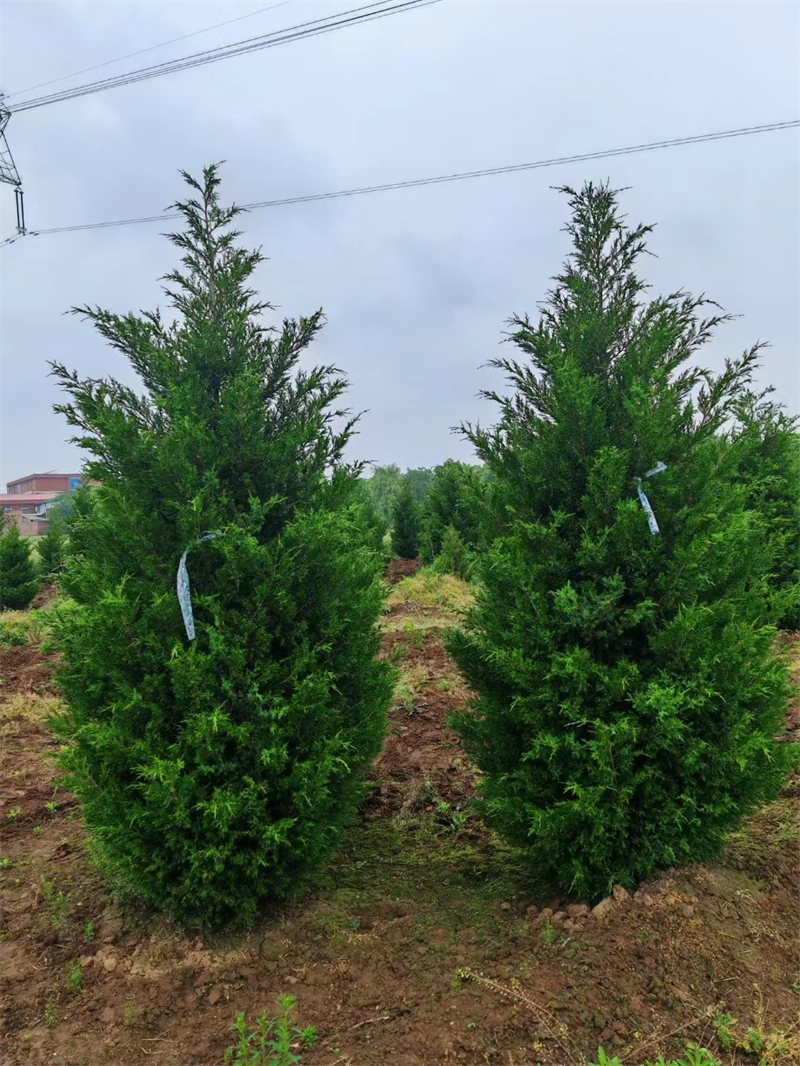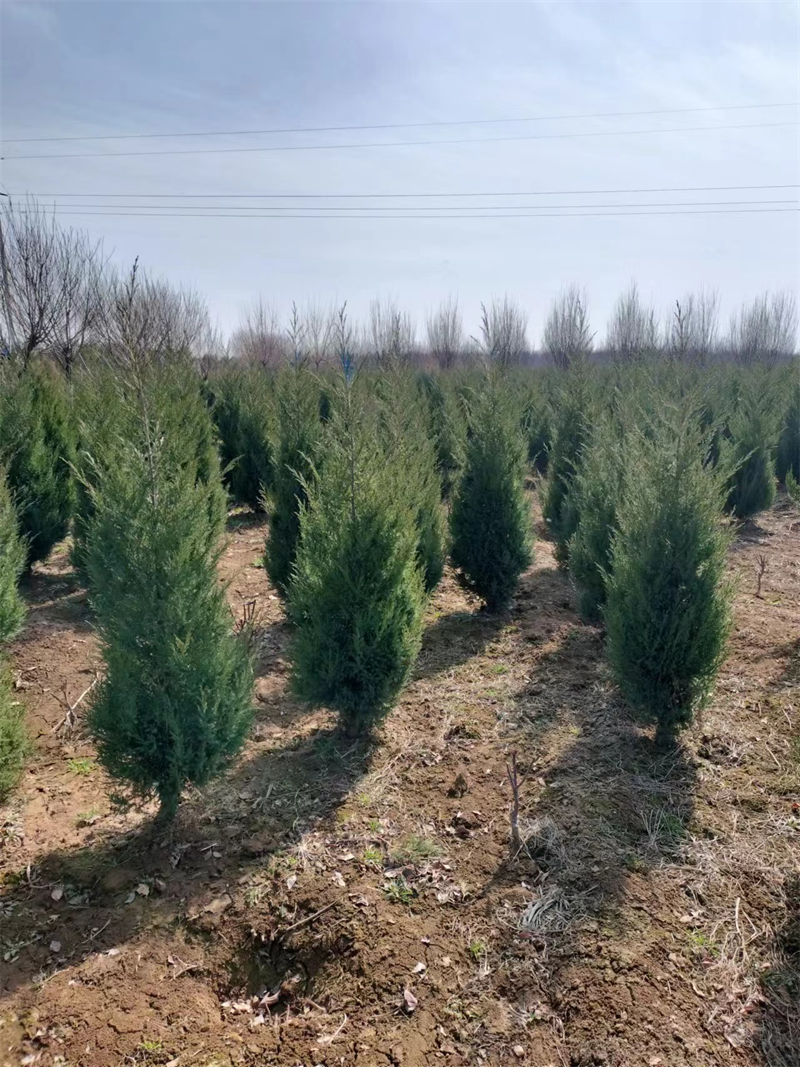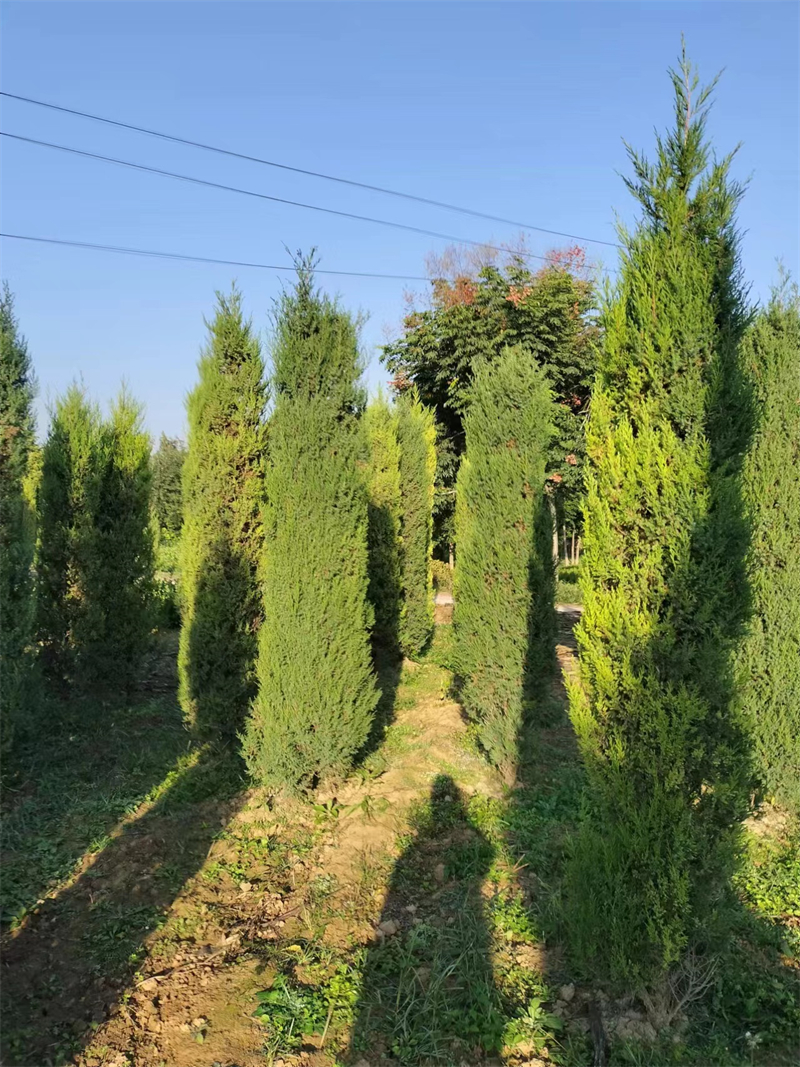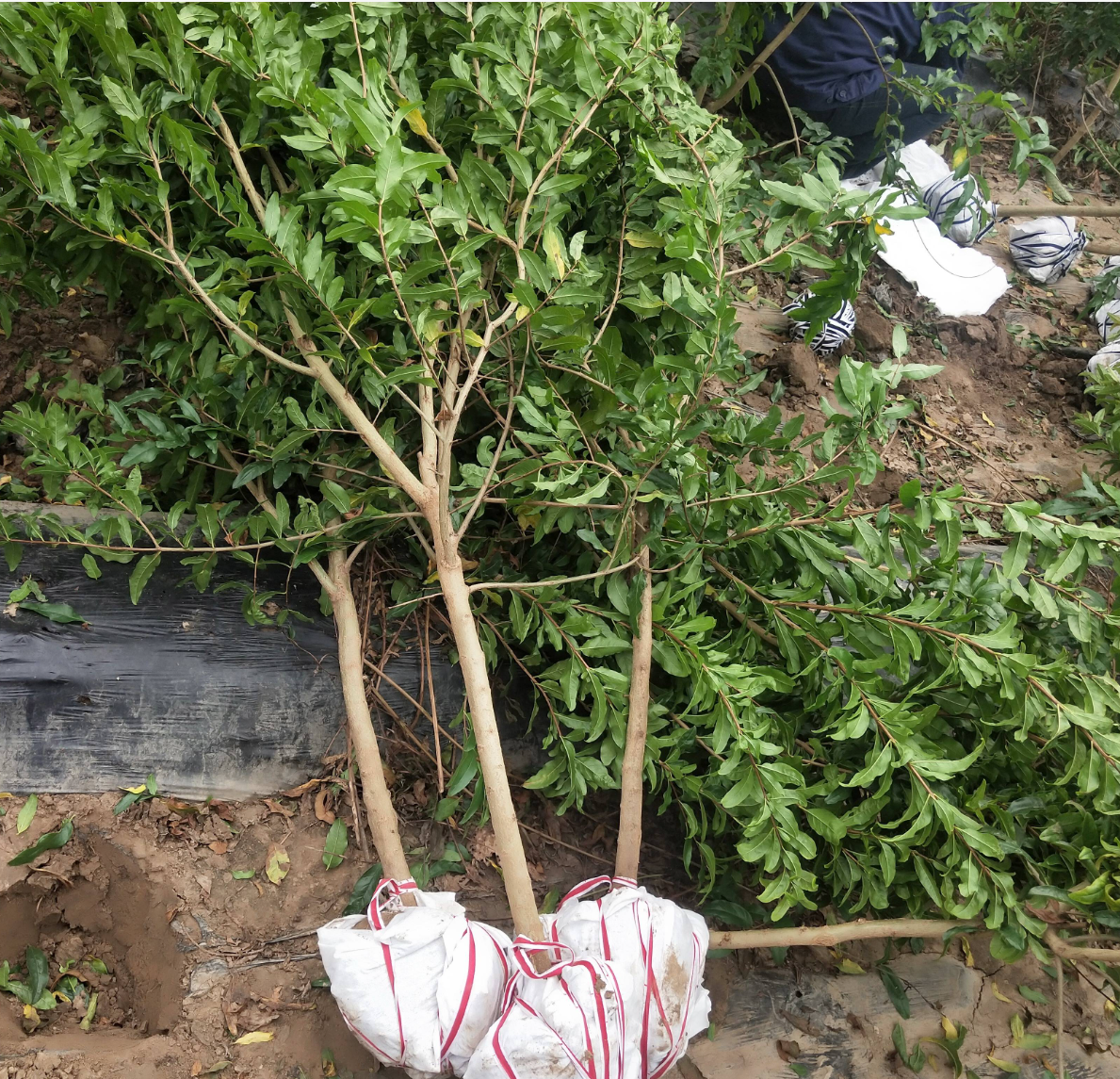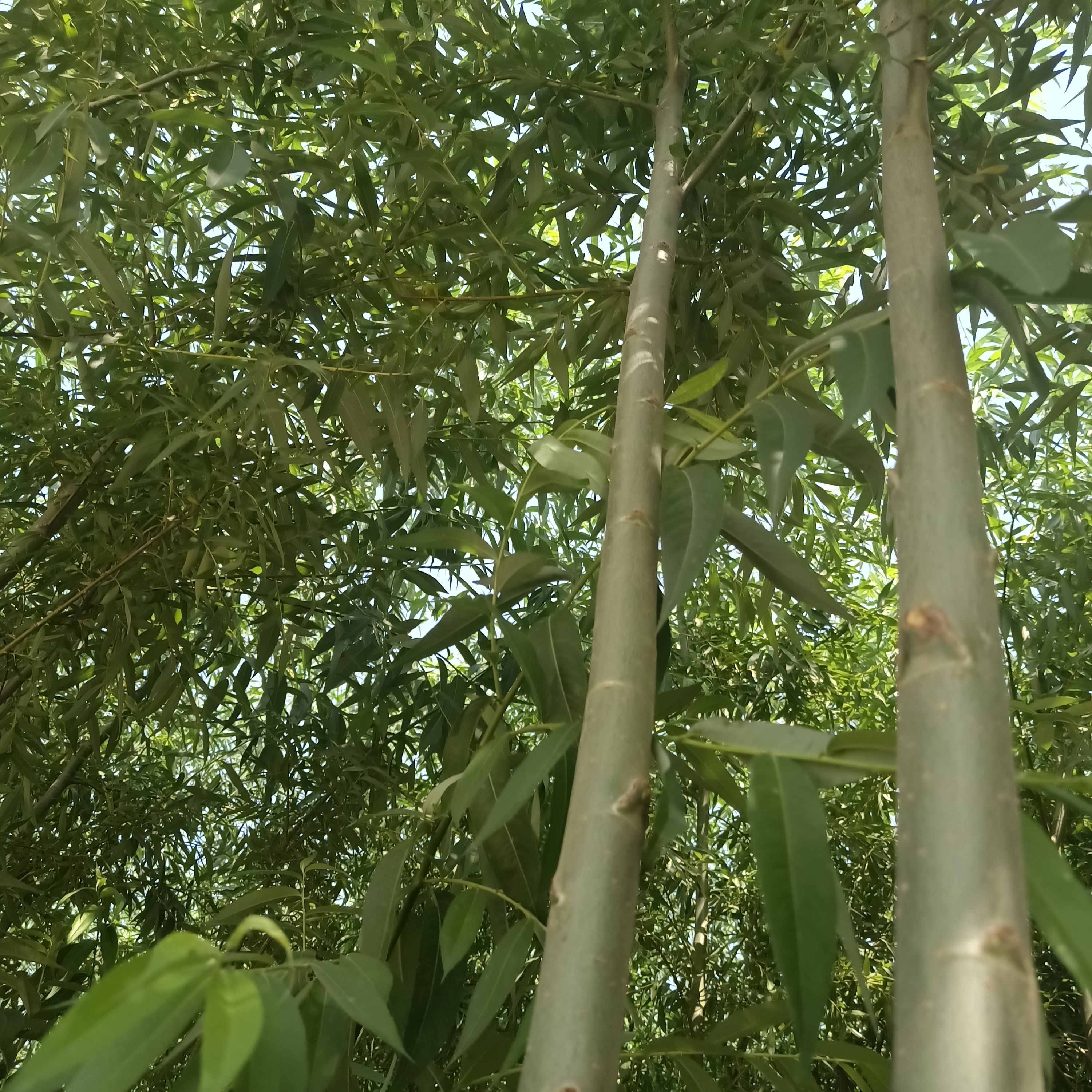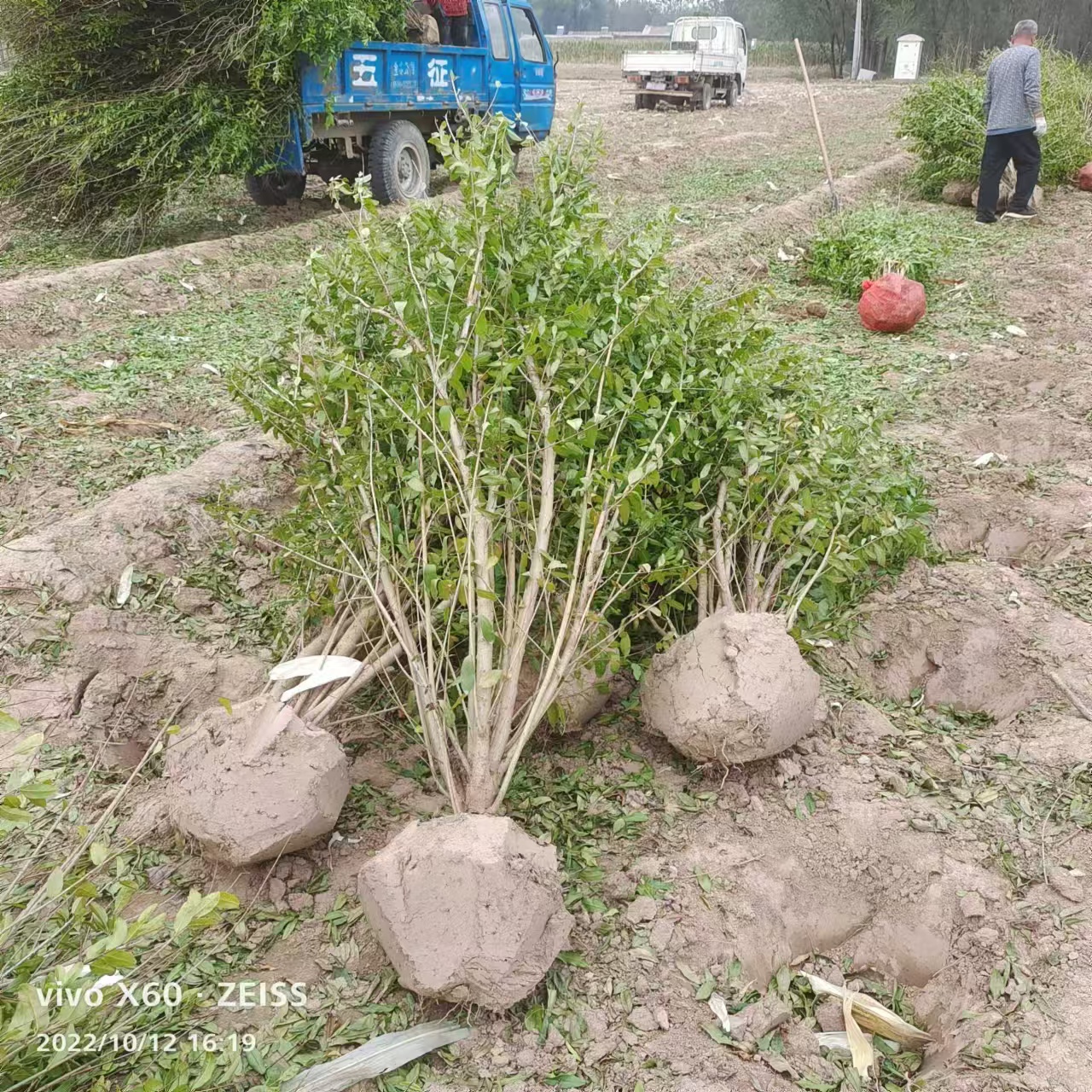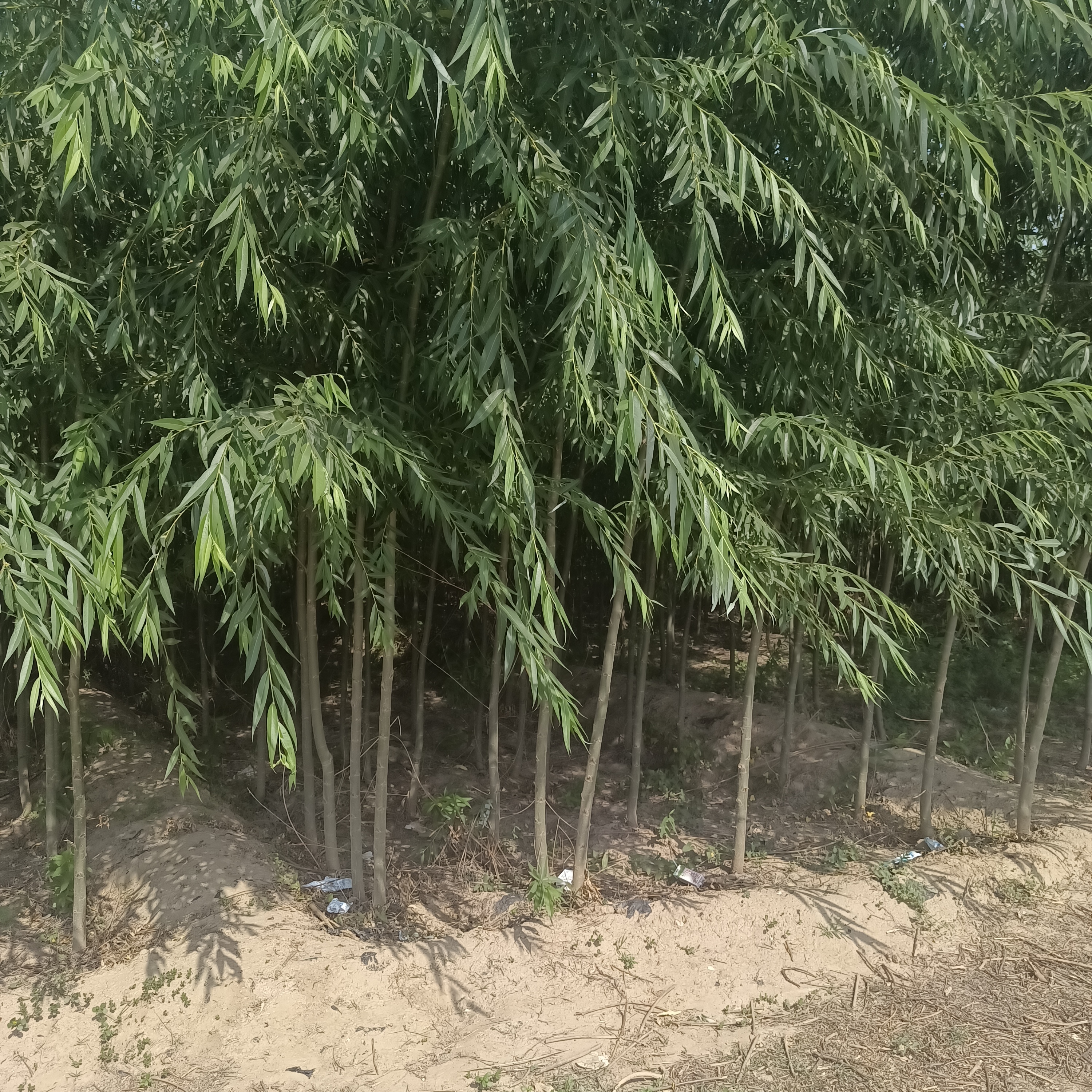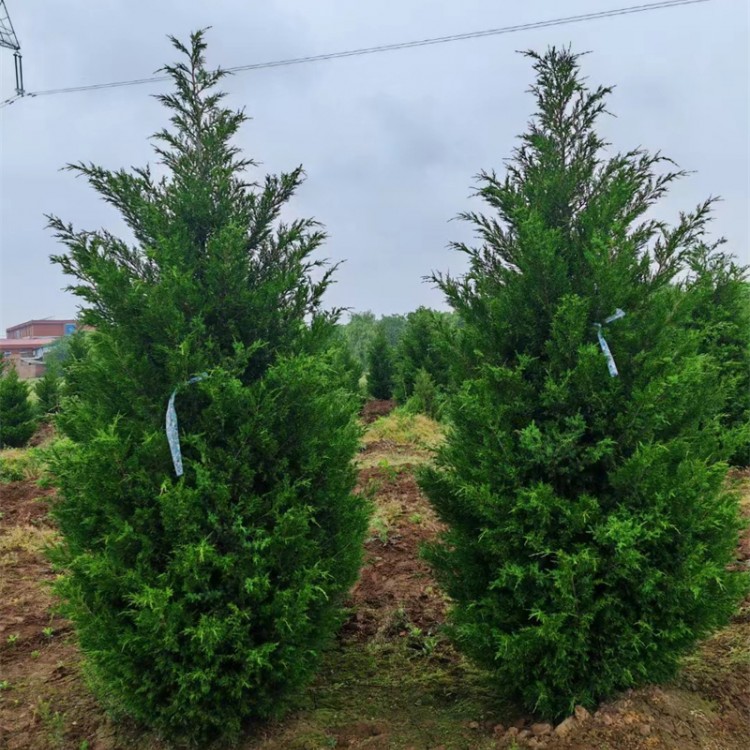

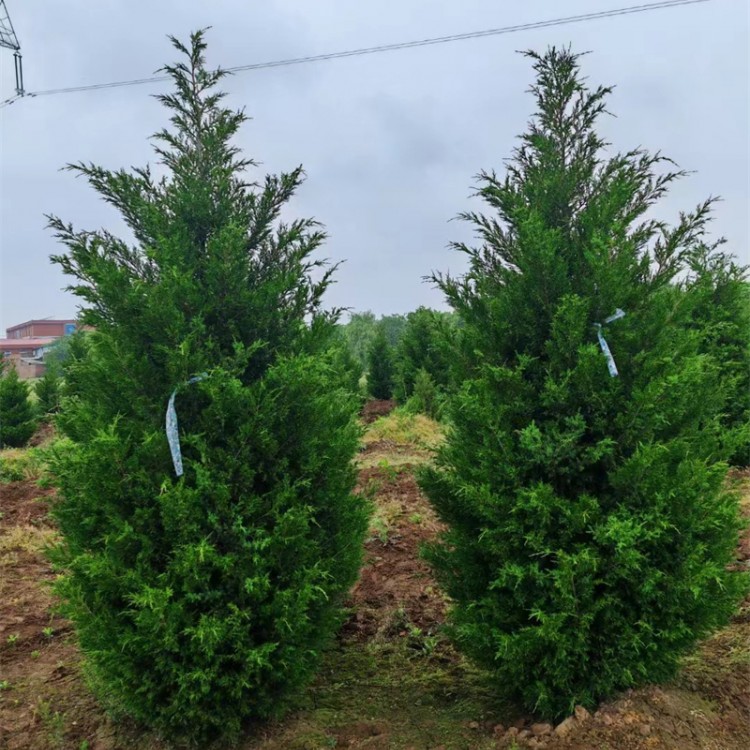
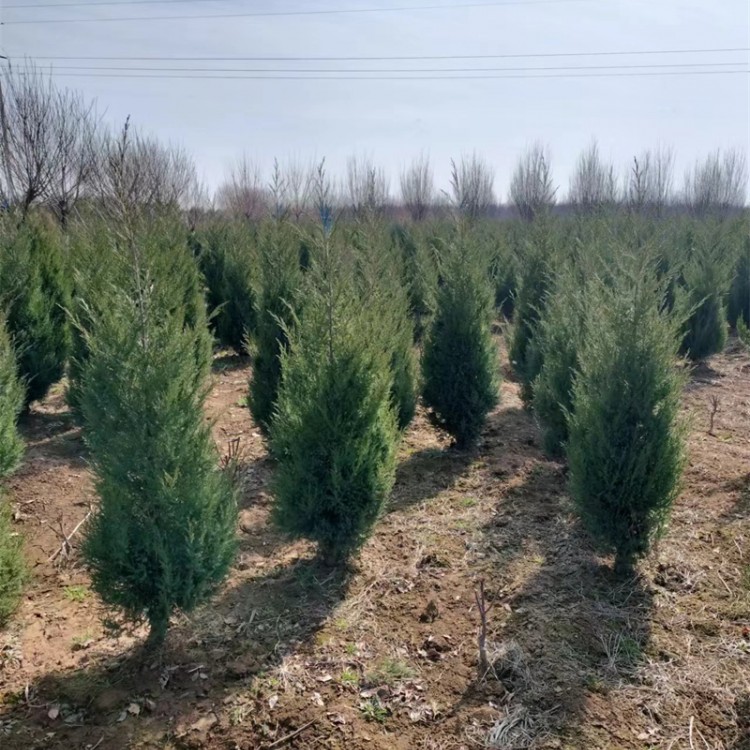
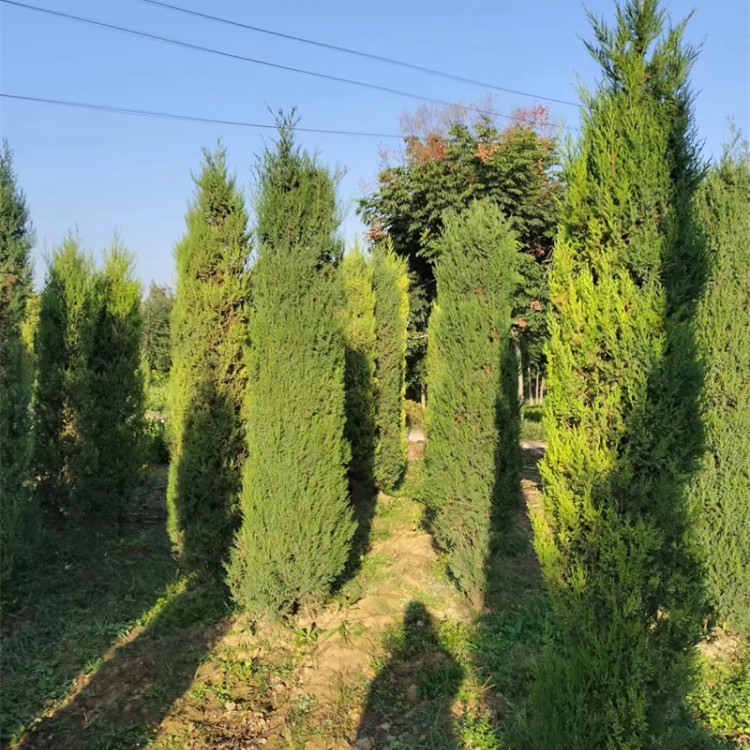







As an important tree species for greening in Shaanxi Province, Tabei has a wide range of garden uses and significant ecological value
1、 Plant characteristics
● Scientific name and alias: Sabina chinensis (L.) Ant'PyramidalisAlso known as Shu Hui, it is a cultivated species of round cypress in the family Cupressaceae.
● Growth habits: Cypress is an evergreen or small tree that prefers light, warm and cool climates, and moist soil. It is cold and drought resistant, has strong adaptability, and can grow normally in various soil conditions.
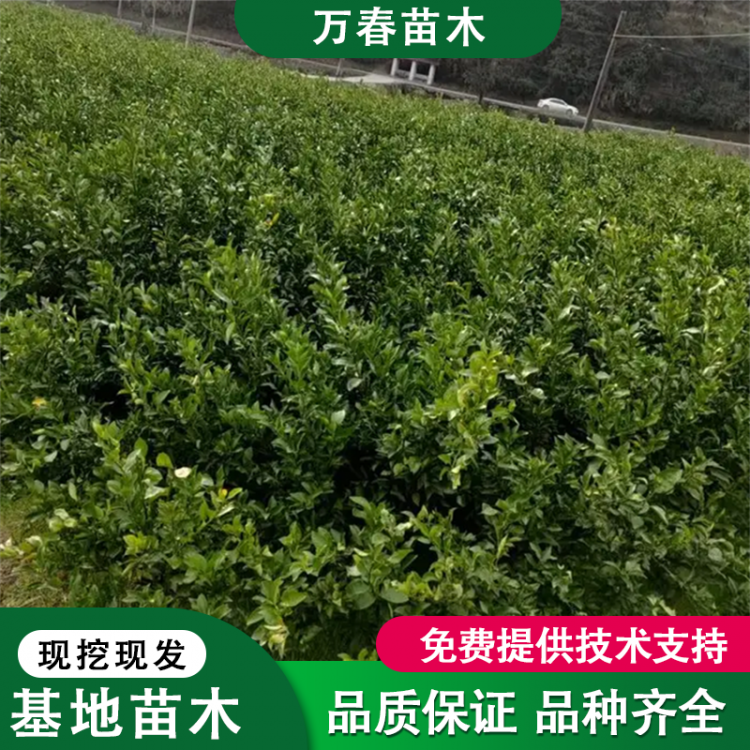
Appearance features: The branches of the cypress are arranged loosely, and the scales and leaves interact with each other on the branches, giving it a fragrant aroma. It has a beautiful tree shape and is evergreen all year round, making it an ideal tree species for garden greening.
2、 Garden use
Beautify the environment: Cypress has a beautiful appearance, dense branches and leaves, and is evergreen all year round, which can significantly enhance the ornamental value of the garden. It is often used for greening public places such as parks, squares, and streets, adding a touch of greenery to the city.
Windproof and sand fixation: Cypress has strong cold and drought resistance, and can also fix sandy soil to prevent soil erosion. In large gardens, cypress trees can provide shelter from wind and sand, protecting the ecological environment.
Purifying the Air: The root system of Taboo is well-developed and has a certain absorption capacity for harmful gases such as carbon dioxide in the air, which can purify the air and improve the quality of urban environment.
Reduce noise: The dense branches and leaves of cypress can effectively isolate noise and provide a relatively quiet living environment for urban residents.
3、 Planting and maintenance
Planting: Cypress should be planted in areas with sufficient sunlight, good drainage, and loose soil. Before planting, it is necessary to dig pits and apply an appropriate amount of base fertilizer. When planting, ensure that the root system is naturally stretched, gently compact and water thoroughly after filling the soil.
● Maintenance: The maintenance of cypress mainly includes watering, fertilizing, pruning, and pest control. Watering should be done according to the soil's dryness and humidity, and keeping the soil moist is sufficient. Fertilization should be done in moderation to avoid excessive fertilizer causing damage to the roots. Pruning mainly involves removing dead branches, diseased branches, and weak branches to maintain the beauty and health of the tree shape. Disease and pest control should be detected in a timely manner and effective measures should be taken for prevention and control.