




Yichun Zhongxiang Biotechnology Co., Ltd. was officially established in 2013 with a registered capital of 1 million yuan. It is located in Yichun City, Jiangxi Province, adjacent to the Zhejiang Jiangxi Railway, Shanghai Kunming Expressway, and National Highway 320.
The first layer of tea seed cake produced by logistics pressing only requires about 20 pounds per acre of rice, while the chemical extraction of tea seed cake requires 30-40 pounds per acre of water. From an economic perspective, the amount of tea seed cake used is large and the cost is high. Moreover, tea seed cake is extracted twice with chemical solvents, which may cause slight damage to aquatic shrimp and crabs. The first layer of tea seed cake has good performance, low usage, low cost per acre, and no chemical damage to shrimp and crabs. It can also promote shrimp and crab growth and has better fertilizer and water capacity, with high economic benefits. Therefore, tea seed cake is preferred for planting and breeding
Traditional tea seed cakes were used for washing hair in ancient times. Tea seed cake contains tea saponin, protein, natural tea oil, etc. Long term use can have anti dandruff, anti itch, oil removal, sterilization, and repair of damaged hair. It also has a significant hair growth effect and is one of nature's cleansers.
Washing method: Use about 50 grams each time, wrap it in a gauze bag, and boil it in boiling water for about ten minutes. Alternatively, soak the cloth bag in freshly boiled water until the water turns tea brown. When the water temperature is suitable, you can start holding the cloth bag and repeatedly rubbing it with your hands to quickly release the ingredients inside the tea leaves. When shampooing, the water temperature can be raised appropriately, and the hair should be soaked in tea leaf water as much as possible, which is beneficial for the effective ingredients in tea leaf to enter the hair faster. You can also wrap a cloth around your head and wipe it properly before washing it clean.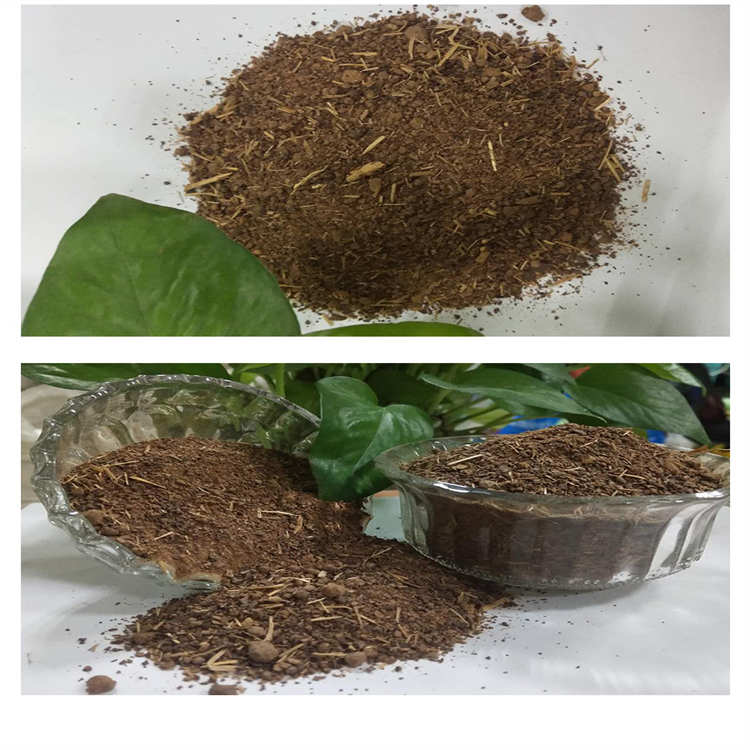 Ingredients of tea meal after leaching:
Fat: 1.8-2.3%
Protein: 11-12%
Starch and carbohydrates: 35-50%
Cellulose: 10-12%
Saponins: 12-15%
:0.95-1.0%
Moisture content: 8-10%
Tannins and 2-5%
Tea meal is still a good medicine for fish diseases such as gill rot, red skin disease, and enteritis. During the high incidence season of fish diseases from May to September, fresh tea meal of 2-4 kilograms per acre is dispersed in the pond and slowly leached. This not only kills pathogens on the surface and gills of the fish, but also various types of fish eggs, which has a preventive effect on non diseased fish and a significant therapeutic effect on diseased fish. Not only that, tea meal is also a medicine for removing harmful fish in shrimp ponds. As the lethal concentration of tea meal for shrimp is about 40 times higher than that for fish, when there are harmful fish in shrimp ponds, tea meal at a rate of 15 grams/cubic meter to 20 grams/cubic meter can be used to kill them without harming the shrimp.
WeChat Official Account

Scan to follow Official Account