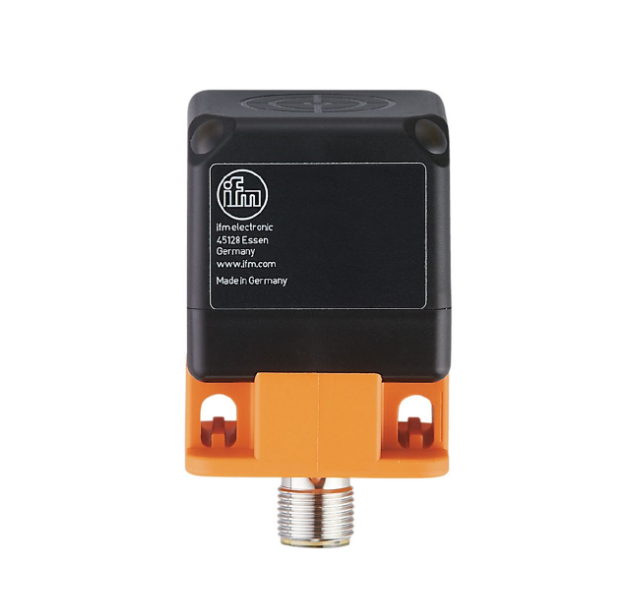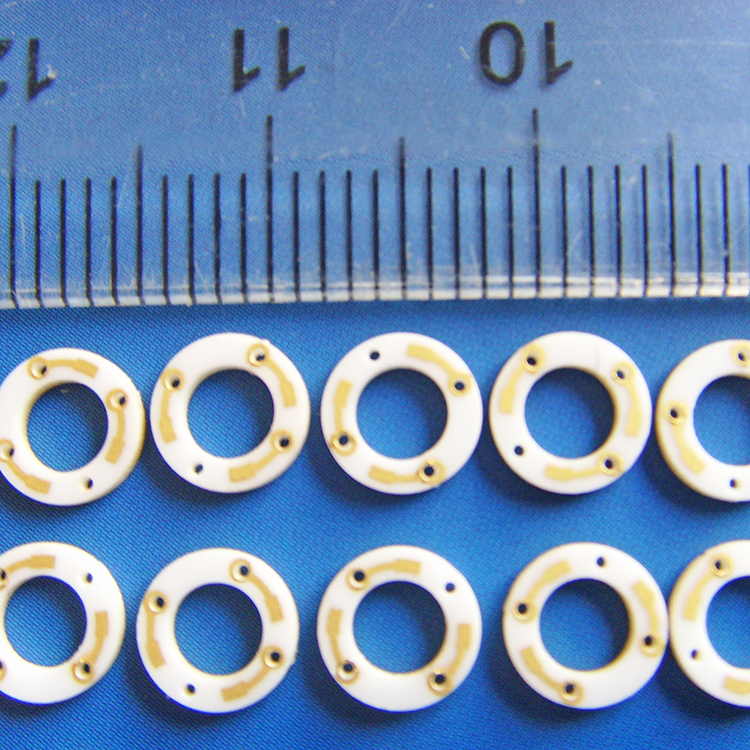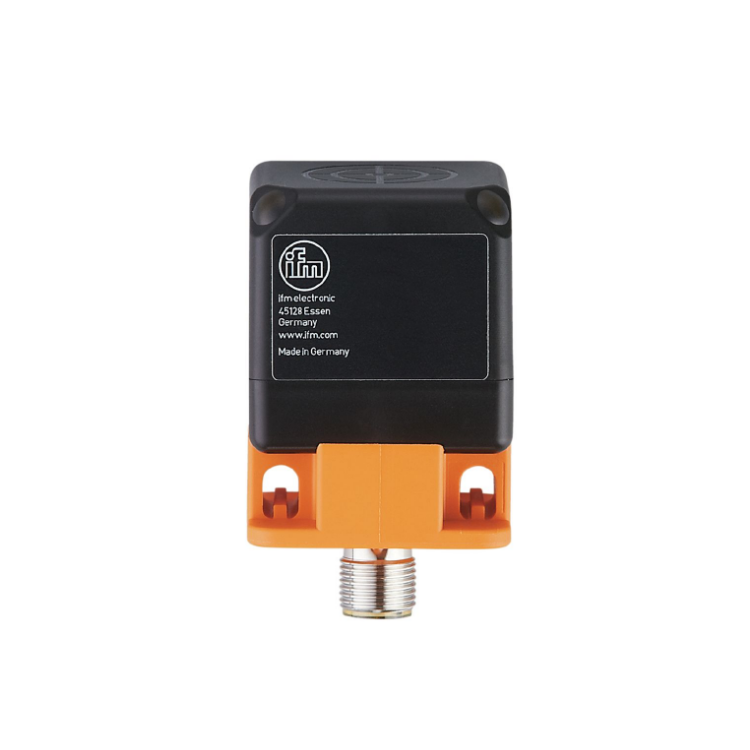
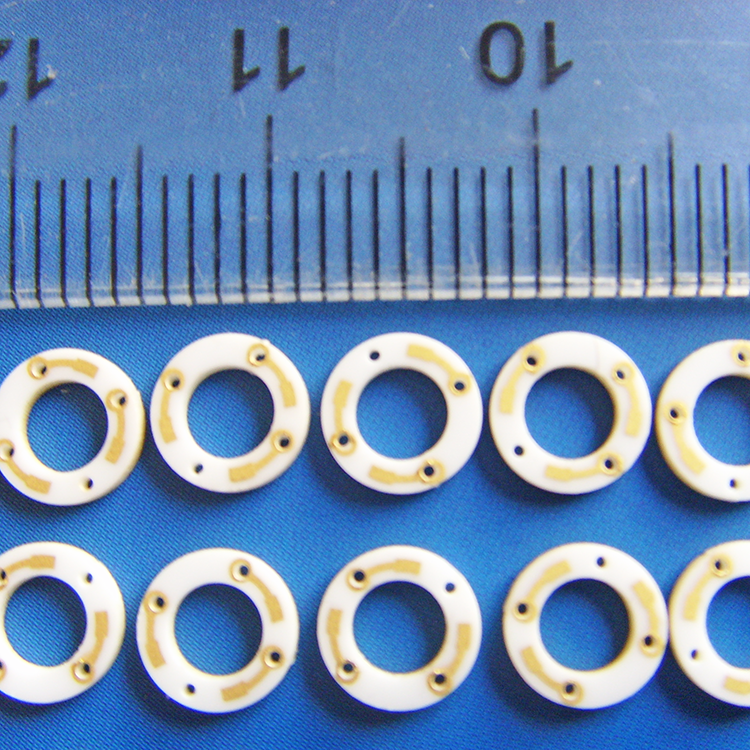






Each component of a force sensor will affect the technical performance of the sensor. Some force sensors only use simple fixing methods to avoid the movement of sensor wires and damage to the electronic circuit fixing of the sensor. Some force sensors with short transmission distances even rely solely on adhesive sealing for fixing.
The selection skills for PH miniature pressure sensors are what we all need to possess:
1. For measuring electricity in high-purity water to meet the pH measurement application with a solution conductivity of ≤ 2 μ S/cm, it is necessary to emphasize the matching flow channel and needle valve to control the solution flow rate at 100-200ml/min to achieve stable measurement. This is because the thin conductive ions in pure water have become poor conductors and are prone to potential drift.
2. Pure water and general water are used for measuring electricity, meeting the requirements of pH measurement applications with conductivity ≥ 2 μ S/cm, such as tap water, cooling water, process water, circulating water, etc., which have high conductivity values and are less prone to complex chemical pollution.
3. Sewage measurement of electricity meets the measurement requirements for environmentally friendly polluted water and complex chemical polluted water. Due to the easy contamination of electricity, it is emphasized to regularly maintain it. Refer to the fifth energy-saving cleaning.
4. High temperature electricity for fermentation is applied in biotechnology to meet the requirements of enclosed, anti pollution, and frequent high-temperature disinfection environments. A special set of equipment is required, and the service life of the electricity determines the frequency of high-temperature disinfection.
The strain gauges used for high-precision sensors and cleanliness stress measurement are based on the material "epoxy formaldehyde". This strain gauge has the advantages of small hysteresis, good repeatability, high insulation strength, and stable performance. For general sensors and strain gauges used for stress analysis, please choose products produced by our factory. For stress testing of concrete and building components, please use BX series products: strain gauges with grid lengths of 20-100mm.
The measurement range of the sensor is 0~range. If it is a tension compression bidirectional force sensor, the measurement range is from the full range of tension (compression) force to the full range of compression (tension) force.
Relative accuracy: Relative accuracy is based on the rated range. For the same type of sensor, the relative accuracy is generally the same. For example, a sensor with an accuracy of 0.3% R.O. has an accuracy level of 0.3% for ranges of 100kg and 2t.
The prerequisite for replacing a force sensor is that the axis of the applied force coincides with the axis of the sensor. We should know that as the rated load increases, the microvolt/division signal output by the sensor decreases. This is often overlooked, thinking that there is a proportional relationship between the two, but in reality it is not. When replacing a sensor, the load should be as similar as possible to the original sensor. If you want to replace it with a sensor with a larger load, you need to see if the weighing instrument of the electronic scale can be adjusted. If it cannot be adjusted, then do not replace it and still use the original load, because the microvolt/division signal output of the sensor with a larger load becomes smaller, and it cannot achieve the purpose of full range output, display, and dial adjustment. Therefore, it cannot be used. If it can be adjusted, then the problem is not significant.
In the actual use of weighing sensors, sometimes overloading, impact and other situations may occur, causing plastic deformation of the sensor, affecting measurement accuracy. In severe cases, it may also cause damage to the sensor and make it unusable. In this case, the sensor needs to be replaced.
WeChat Official Account

Scan to follow Official Account