








Zero discharge of sewage refers to the recycling and reuse of industrial wastewater (waste water) that is highly concentrated in terms of salt content and pollutants, without any discharge outside the factory. The salts and pollutants in the water are concentrated and crystallized to form solids, which are then discharged from the factory and sent to landfill or recycled as useful chemical raw materials.
The so-called zero emissions refer to the activity of infinitely reducing pollutant and energy emissions until they reach zero. Zero emissions, in terms of its content, first is to control the unavoidable energy and resource emissions generated during the production process and reduce them to zero; Another meaning is to fully utilize the energy and resources that are inevitably emitted, and eliminate the existence of non renewable resources and energy. Zero discharge of wastewater "refers to the recycling and reuse of industrial water, which contains high concentrations of salt and pollutants, without any wastewater being discharged outside the factory. The salts and pollutants in the water are concentrated and crystallized to form solids, which are then discharged from the factory and sent to landfill or recycled as useful chemical raw materials.
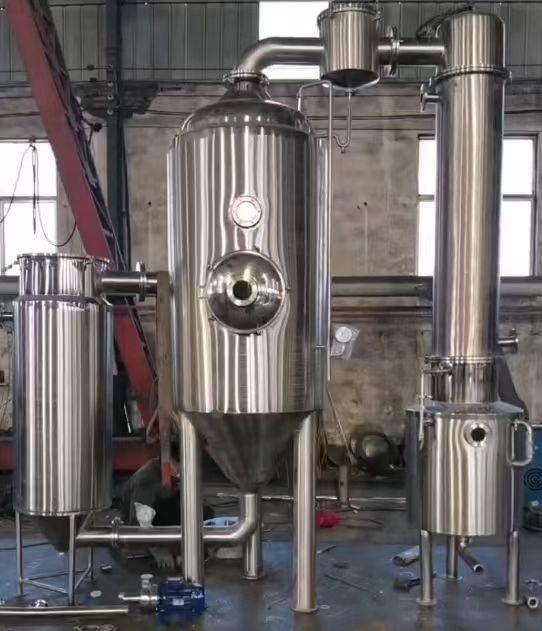
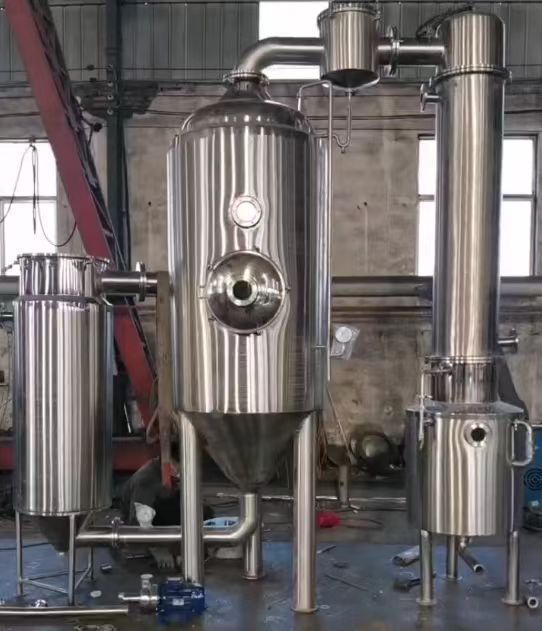
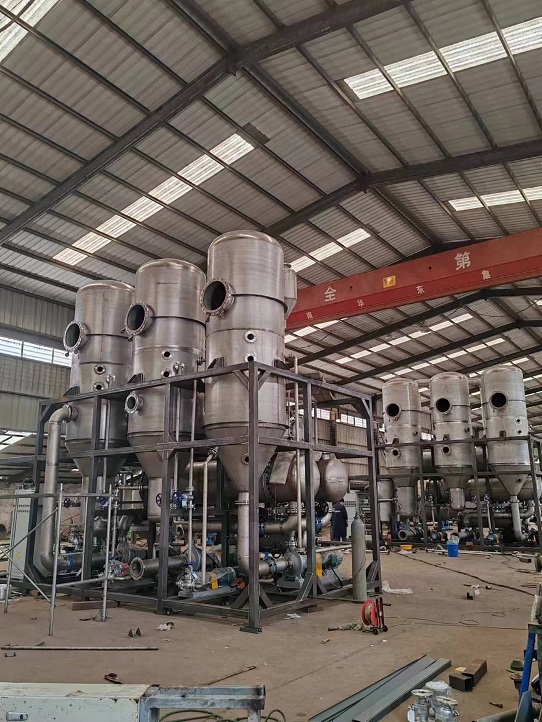
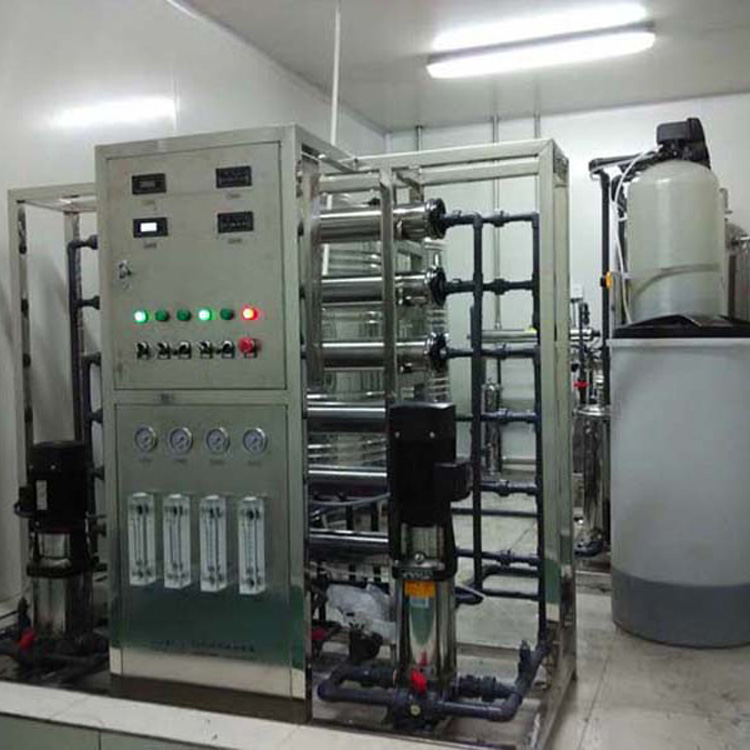
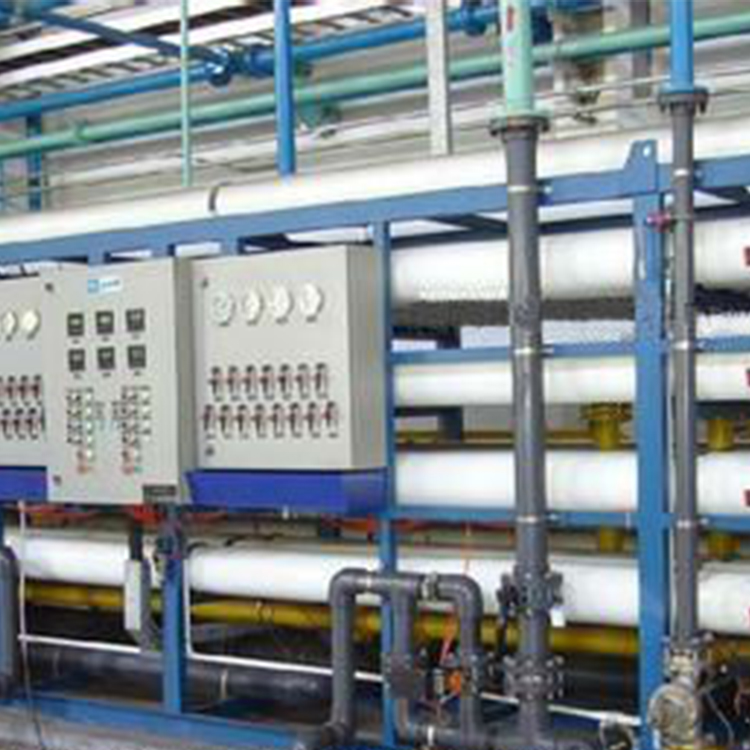
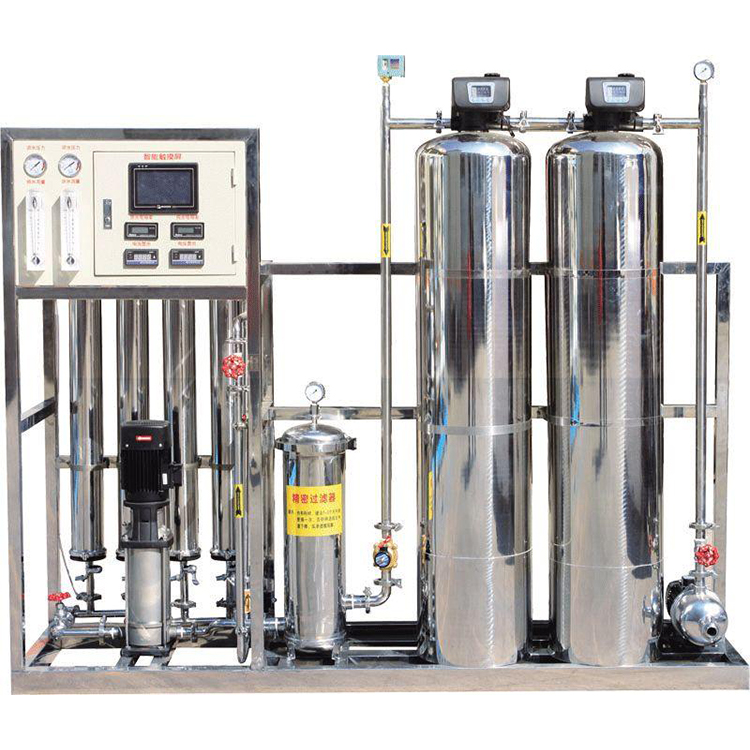
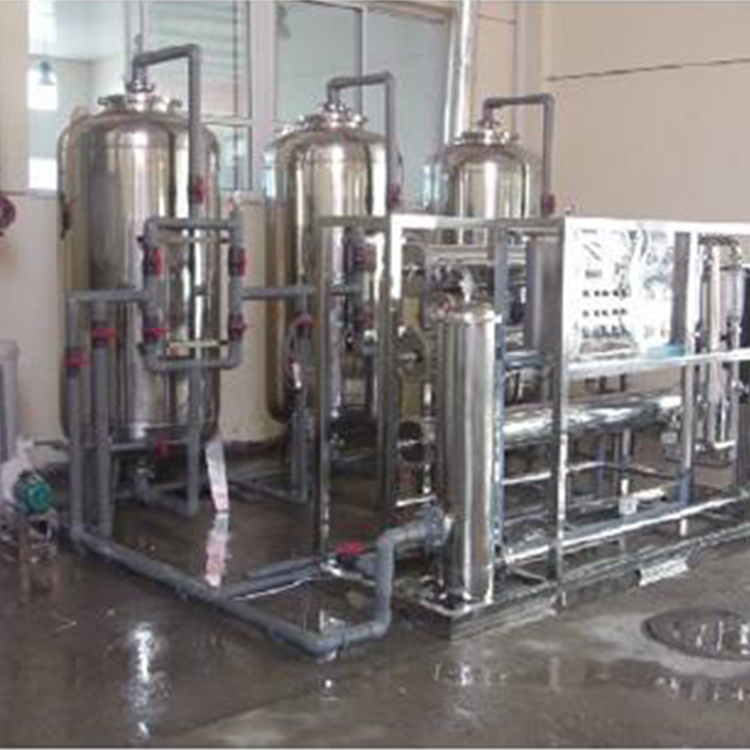
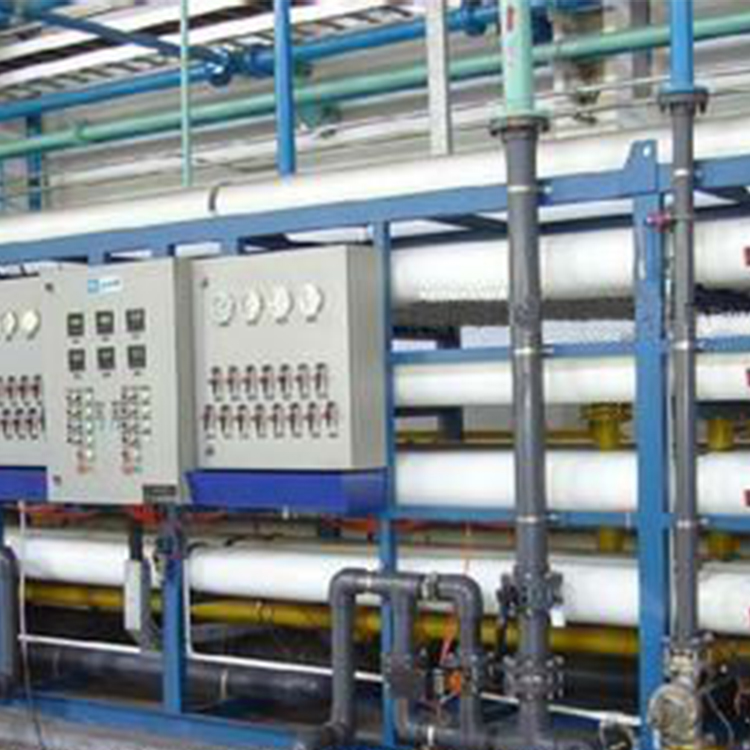
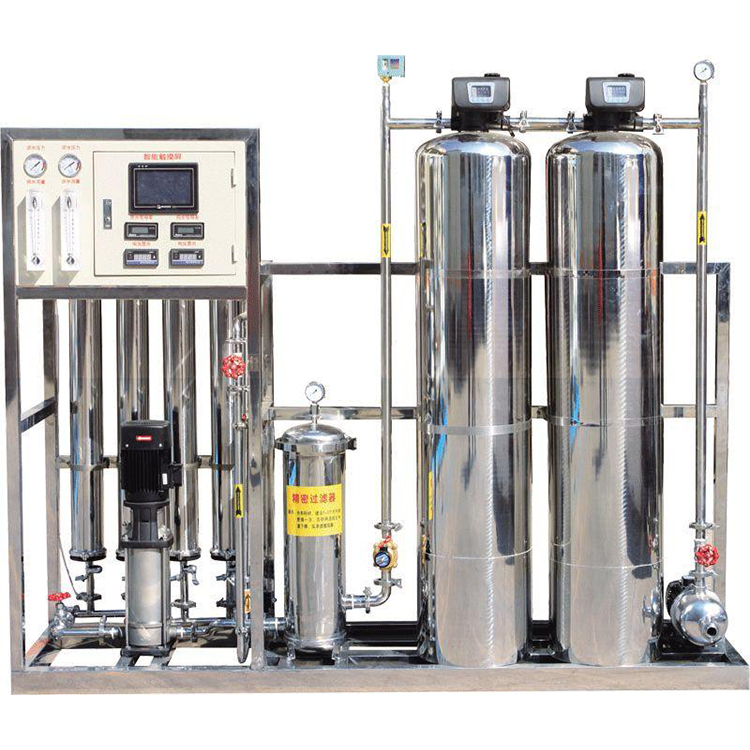
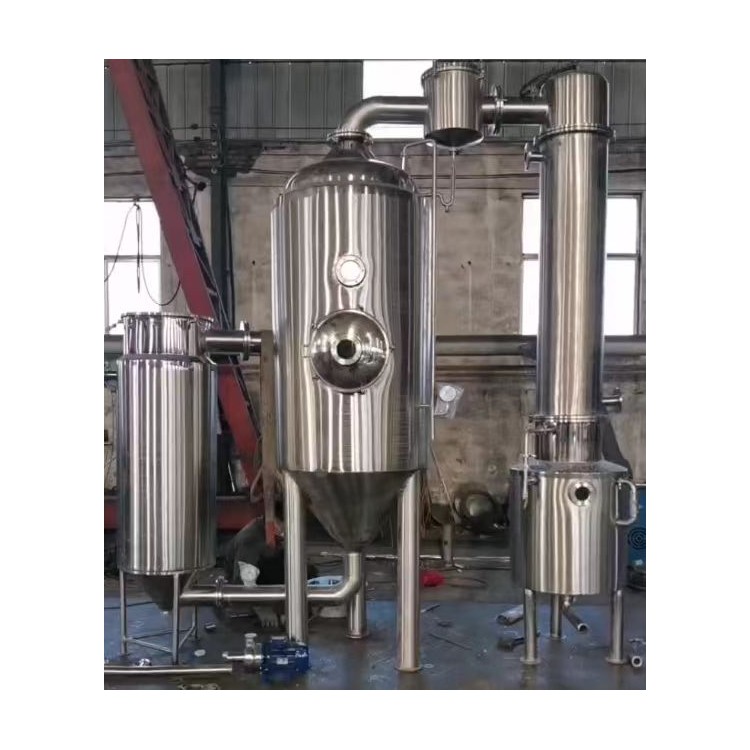
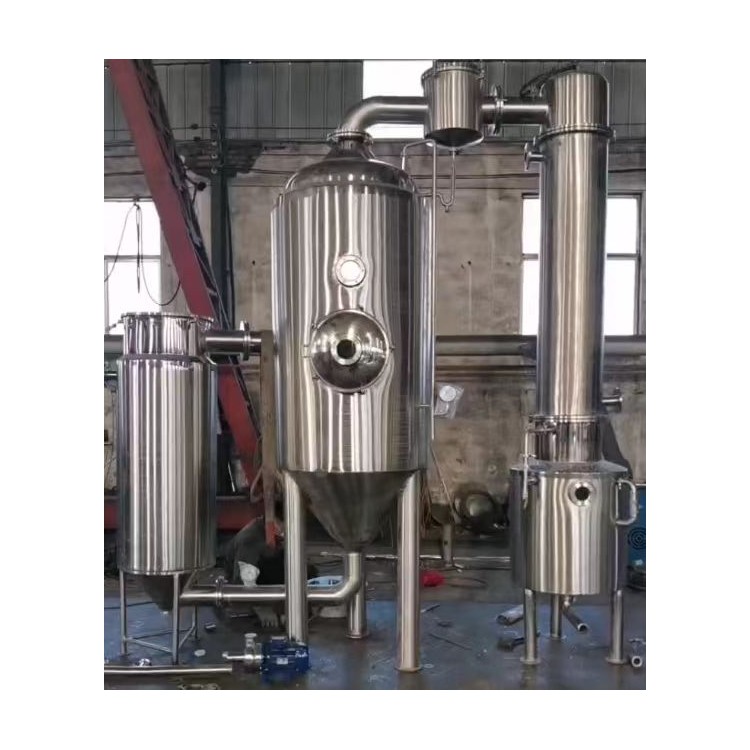
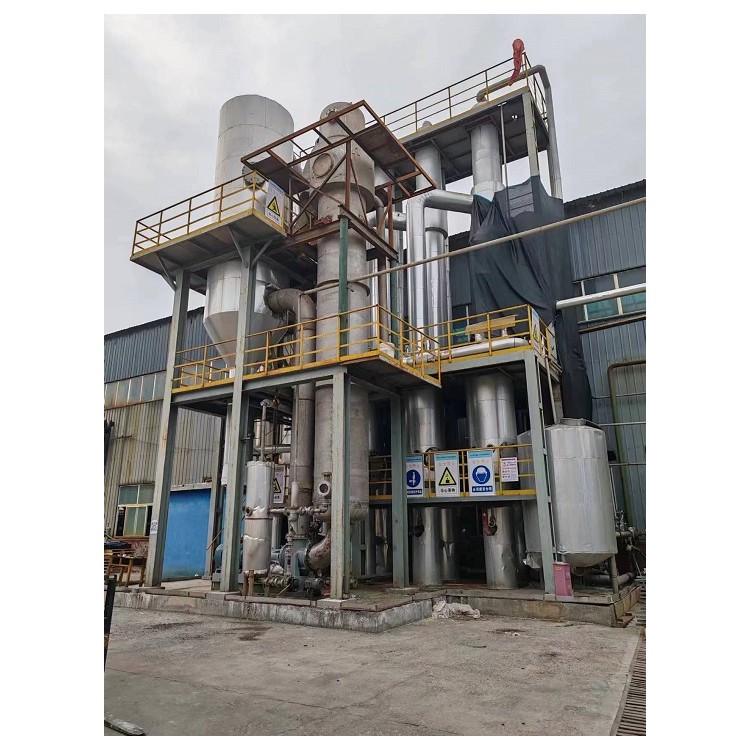
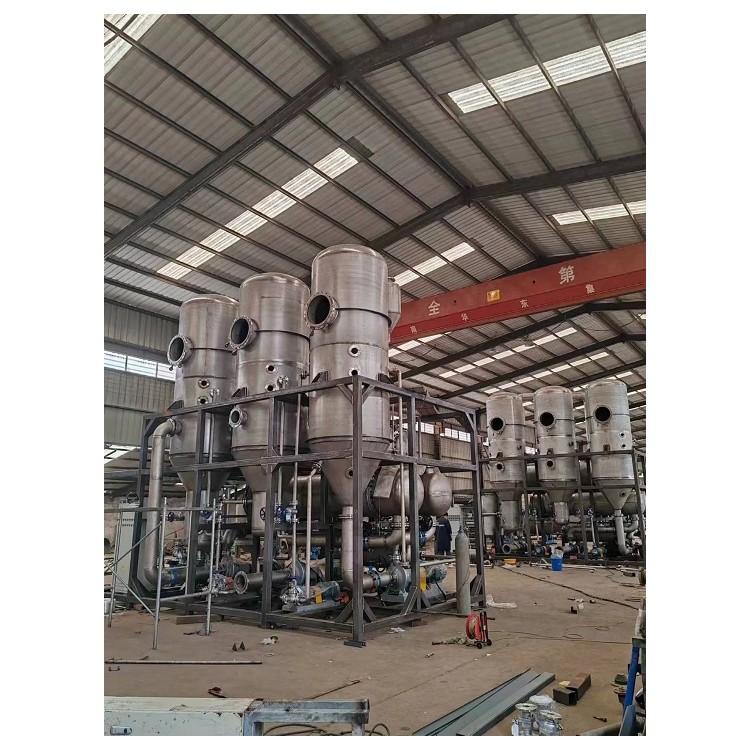
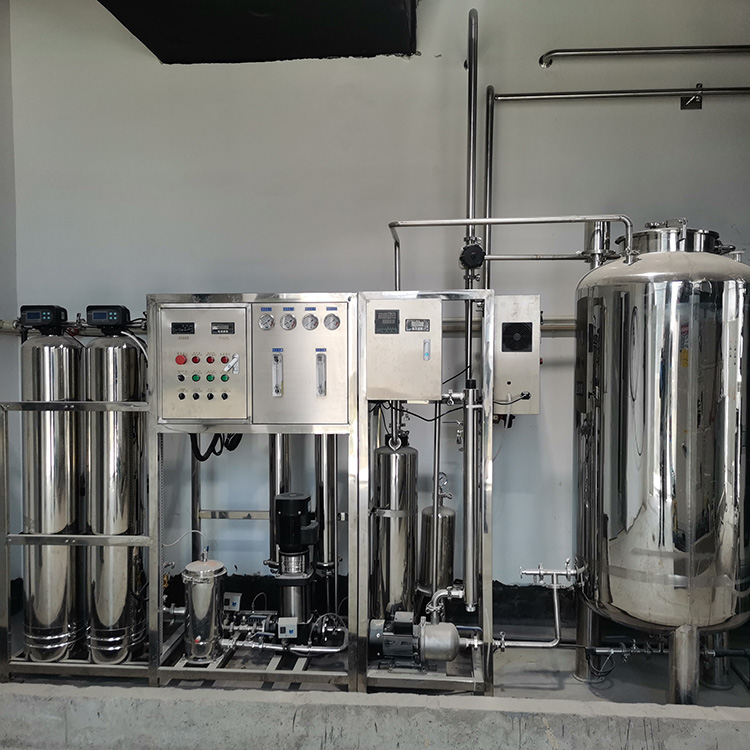
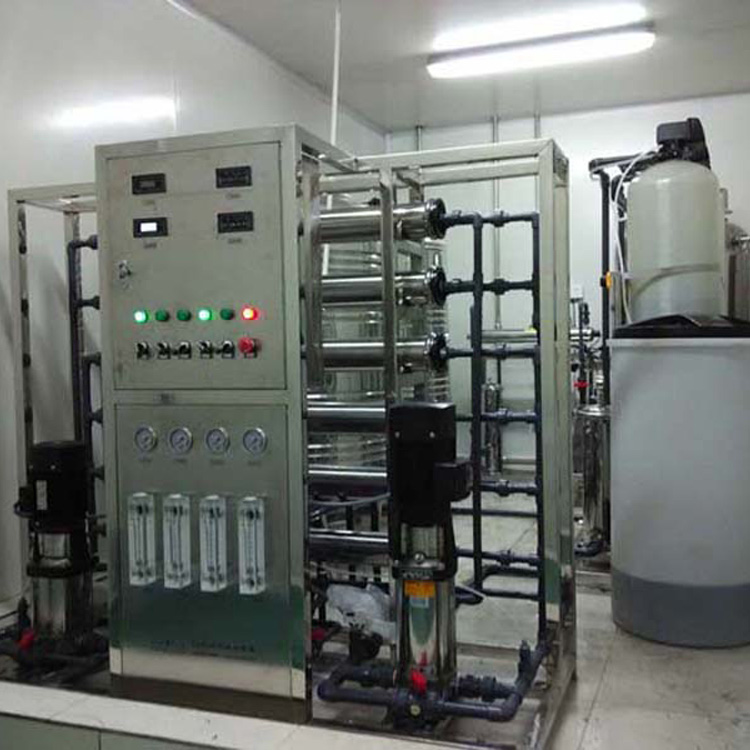
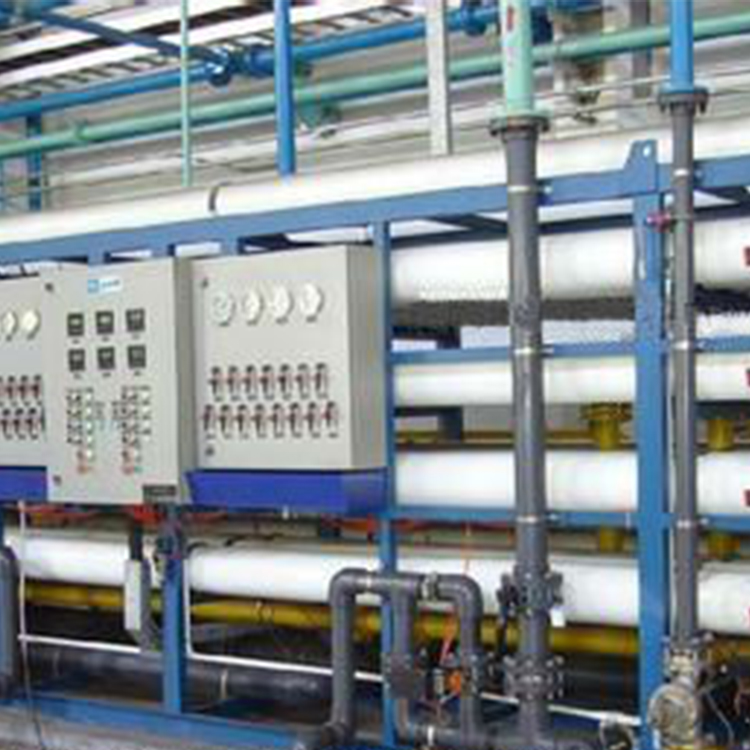
The zero discharge sewage equipment produced by Hangzhou Guichuang Environmental Protection Equipment Co., Ltd. mainly includes RO (reverse osmosis concentration equipment) and multi effect evaporator technology, reverse osmosis concentration membrane, and the target of this technology is ions (heavy metal ions) and organic matter with a molecular weight of several hundred or more. Its working principle is that under certain pressure conditions, H2O can pass through the RO permeable membrane, while inorganic substances, heavy metal ions, macromolecular organic compounds, colloids, bacteria, and viruses dissolved in water cannot pass through the permeable membrane. Thus, the permeated pure water can be separated from wastewater containing high concentrations of harmful substances. However, using this technology, we can only obtain about 80% pure water, and the remaining wastewater containing high concentrations of harmful substances cannot avoid being discharged into the environment. These high concentrations of heavy metal ions and inorganic substances are very harmful to our environment.
Multi effect evaporation cycle evaporation technology
The basic principle of mechanical steam recompression cycle evaporation technology is that, according to the principles of physics, an equal amount of substance needs to absorb a certain amount of heat energy during the process of transforming from liquid to gas. When a substance transitions from a gaseous state to a liquid state, it releases an equal amount of thermal energy. According to this principle, when using this evaporator to treat wastewater, the heat energy required for evaporating the wastewater is provided by the release of heat energy during steam condensation and condensate cooling. During operation, there is no loss of latent heat. The only energy consumed during operation is the water pump, steam pump, and control system that drive the circulation and flow of wastewater, steam, and condensate in the evaporator. In order to resist the corrosion of wastewater on the evaporator and ensure the service life of the equipment, the main body and internal heat exchange tubes of the evaporator are usually made of high-grade titanium alloy. Its service life is 30 years or more.