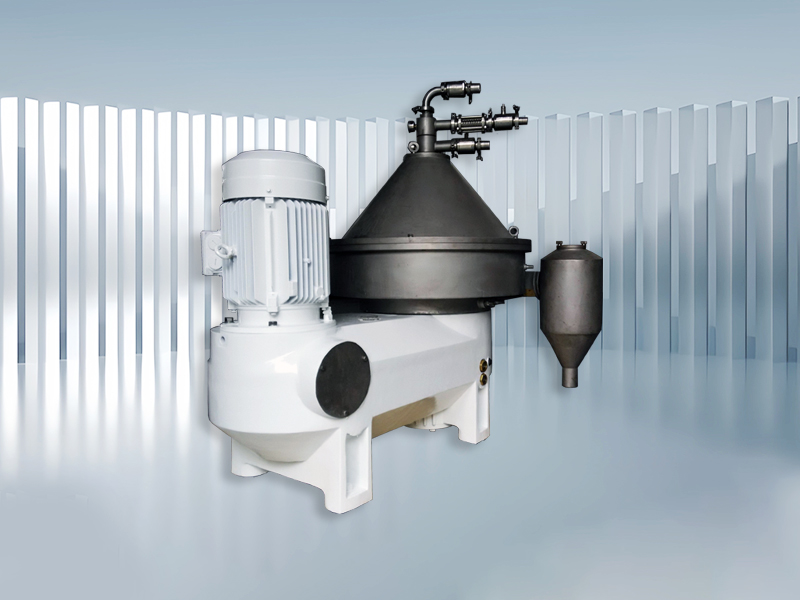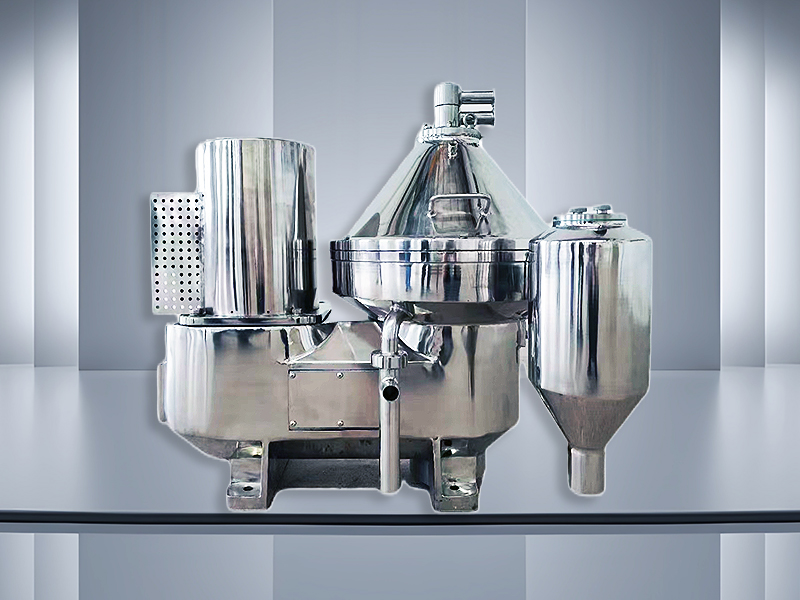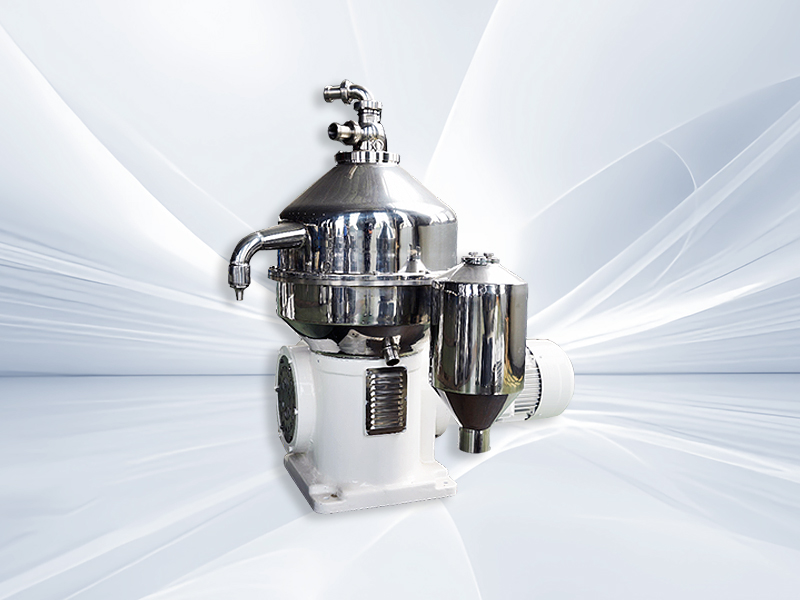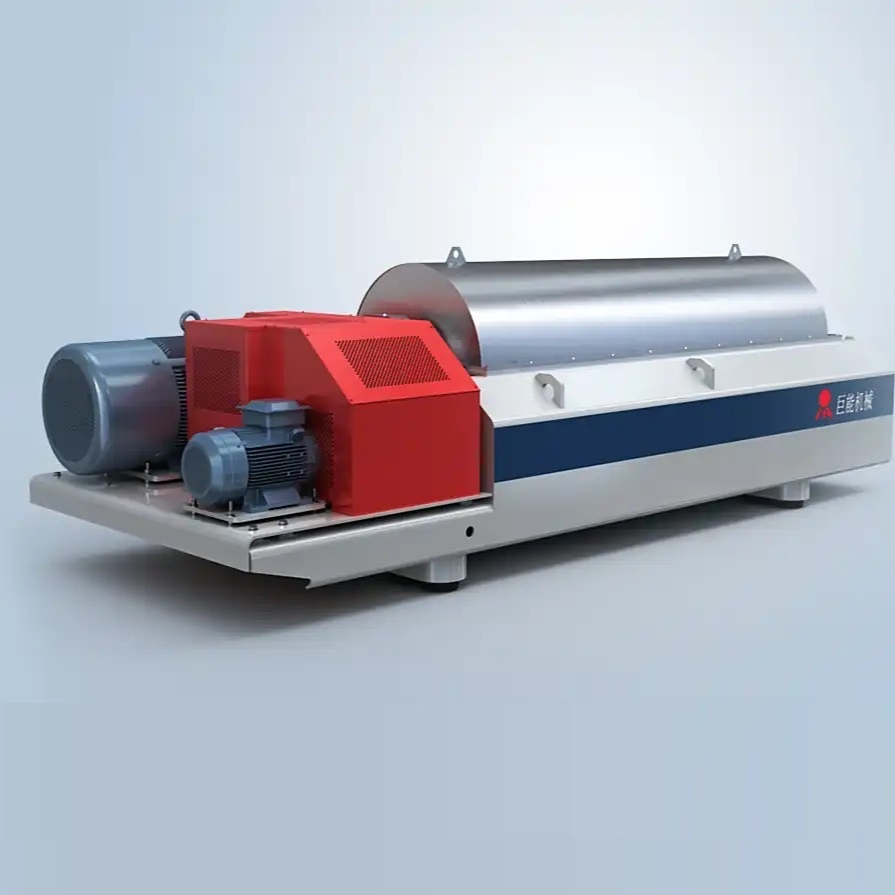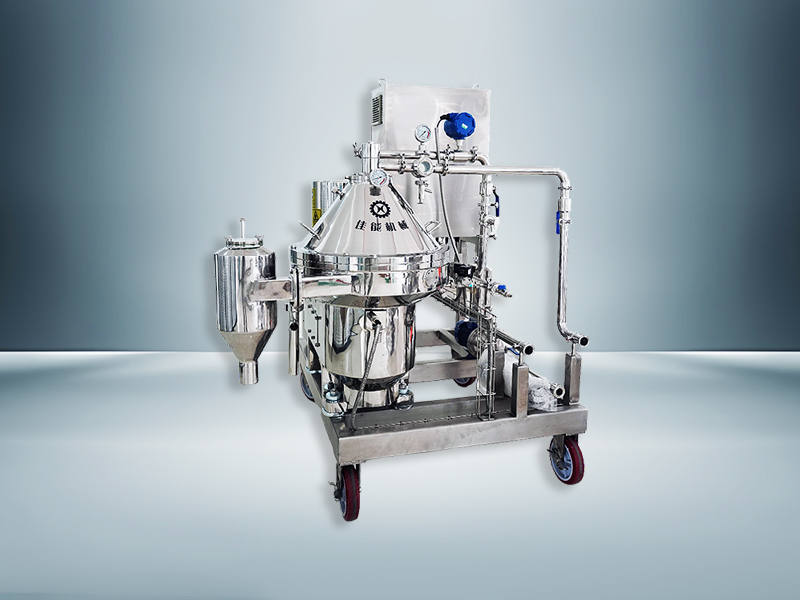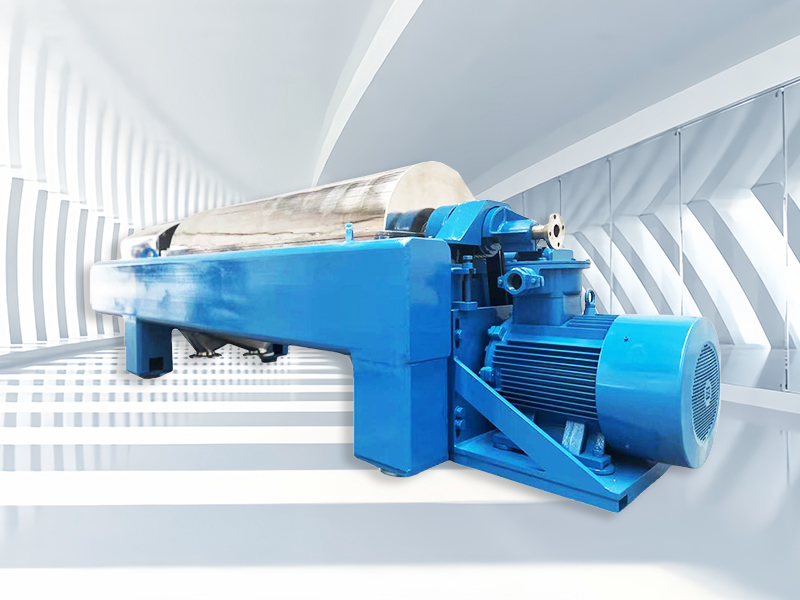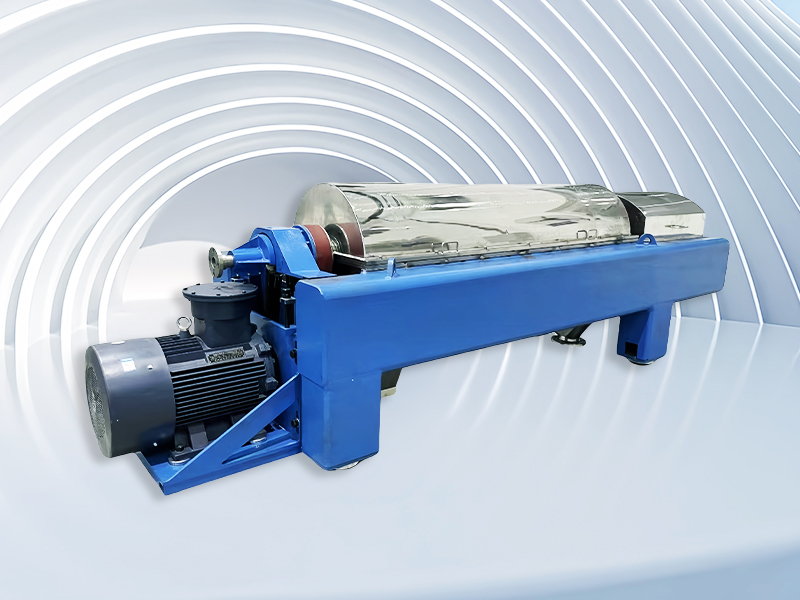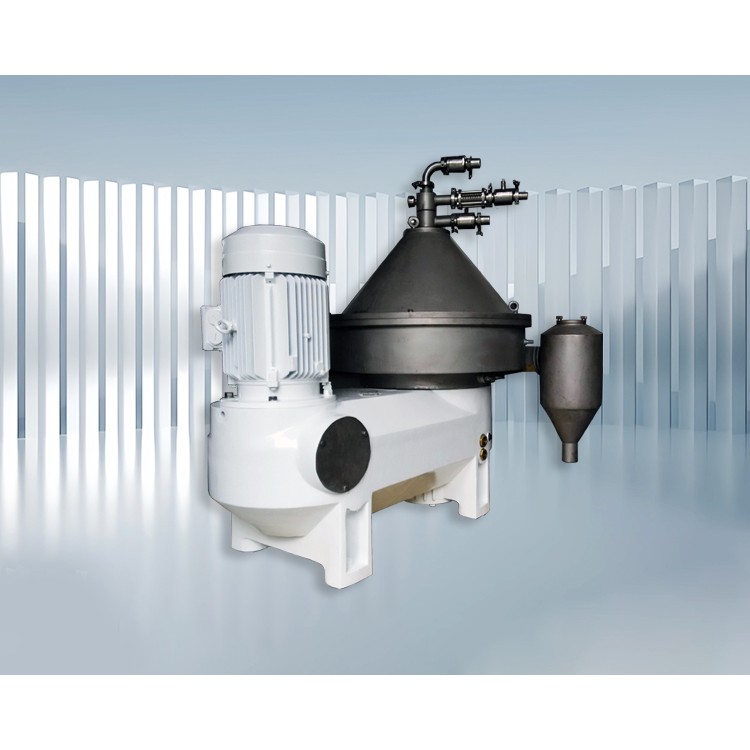


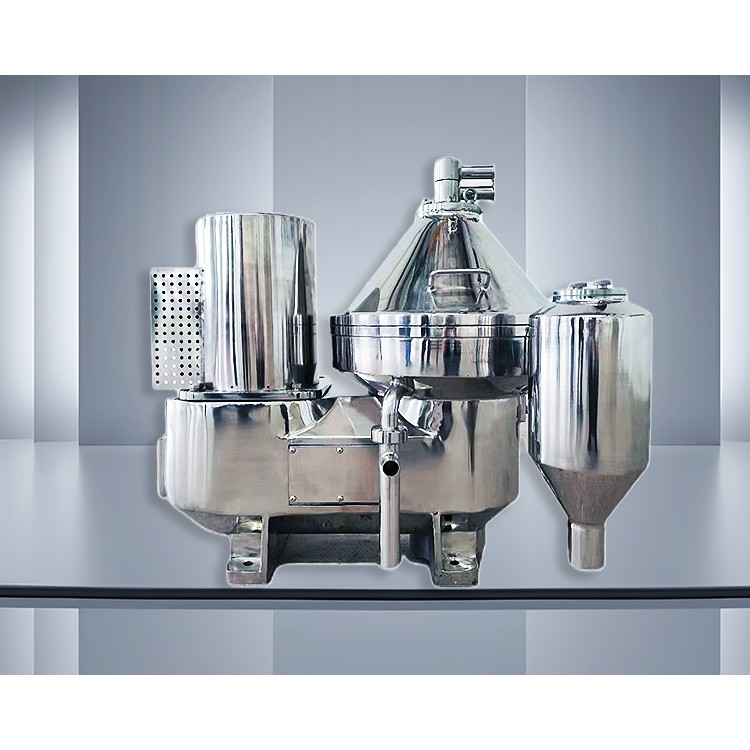
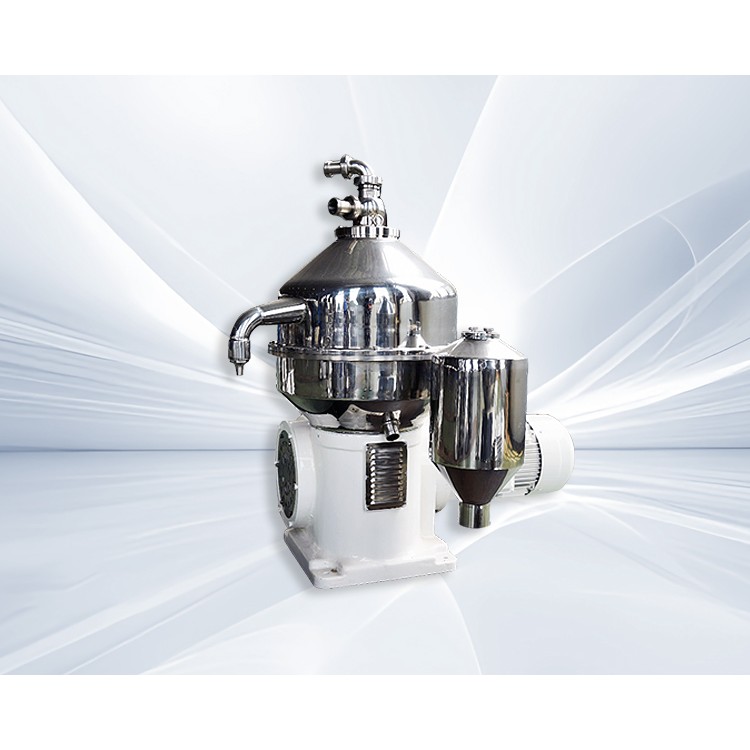


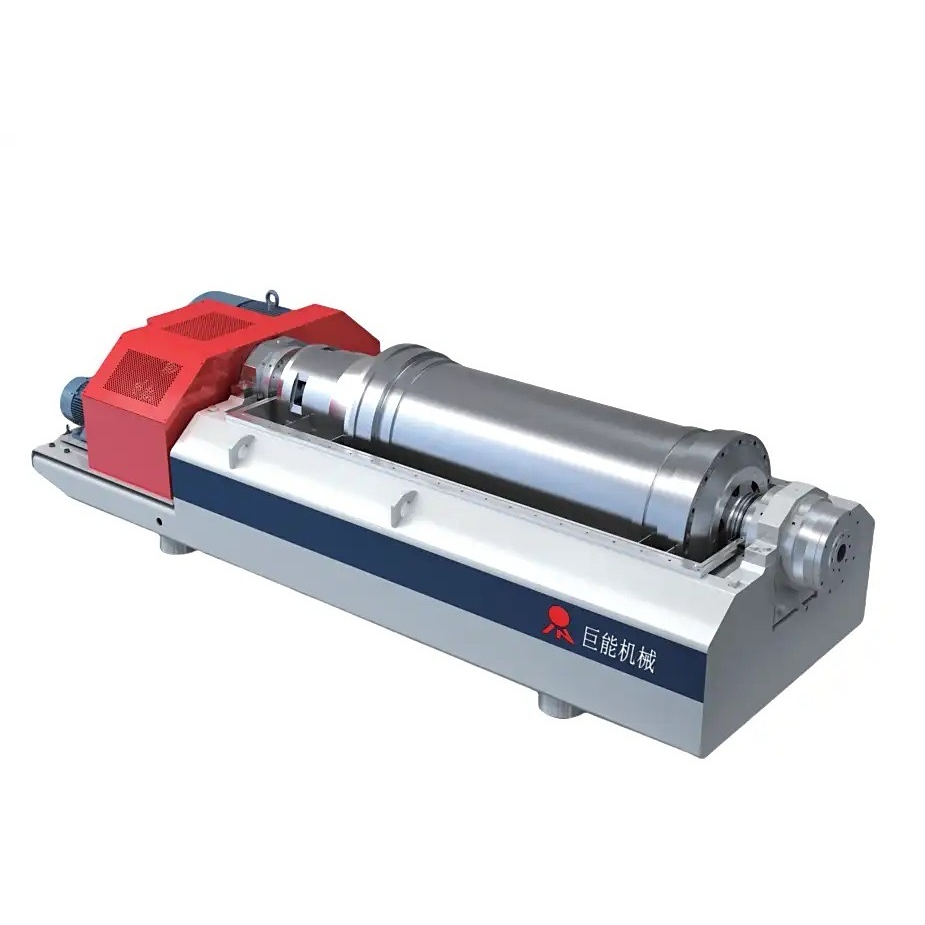
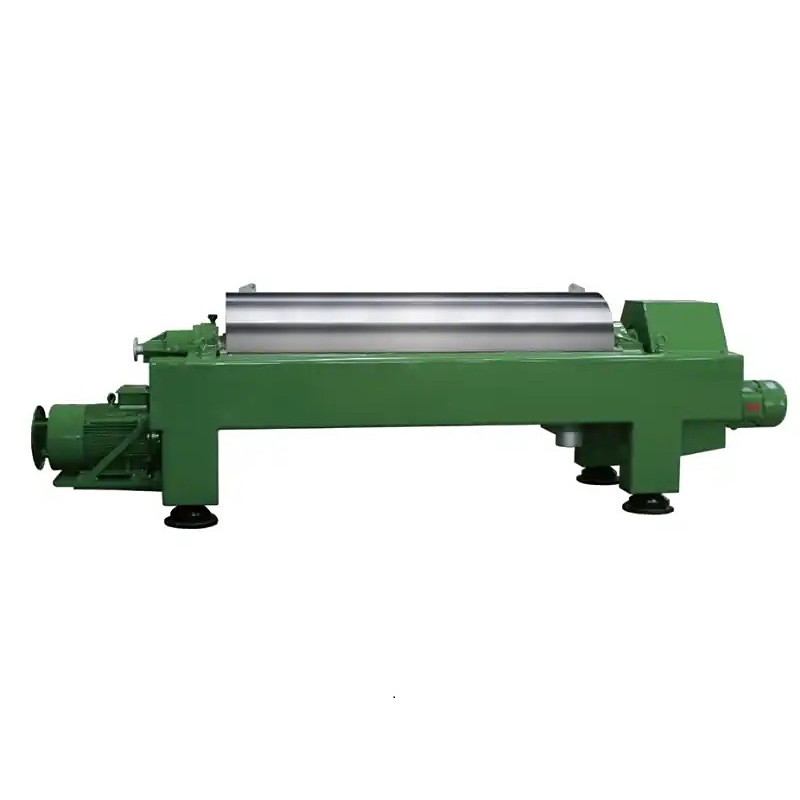
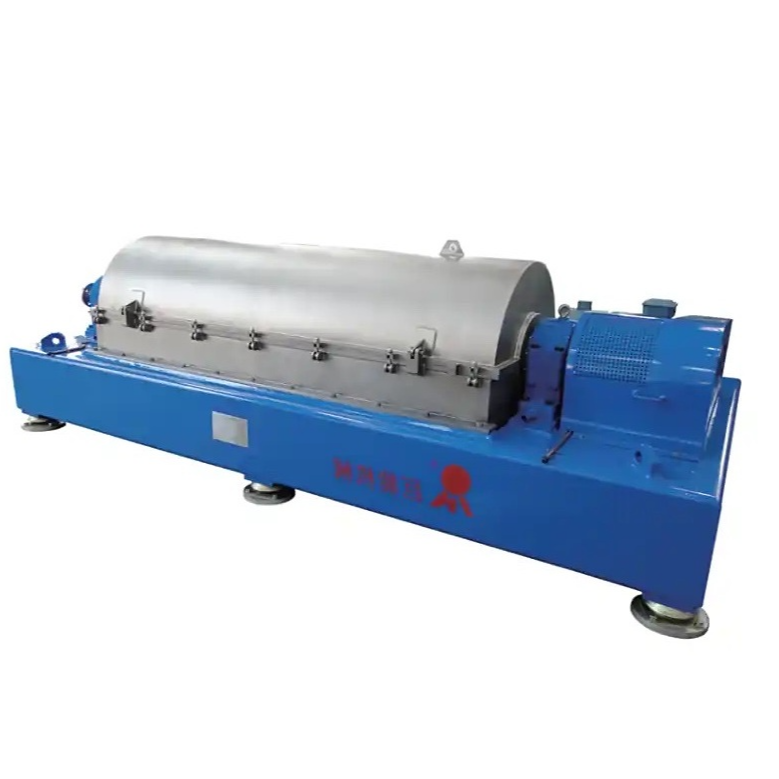

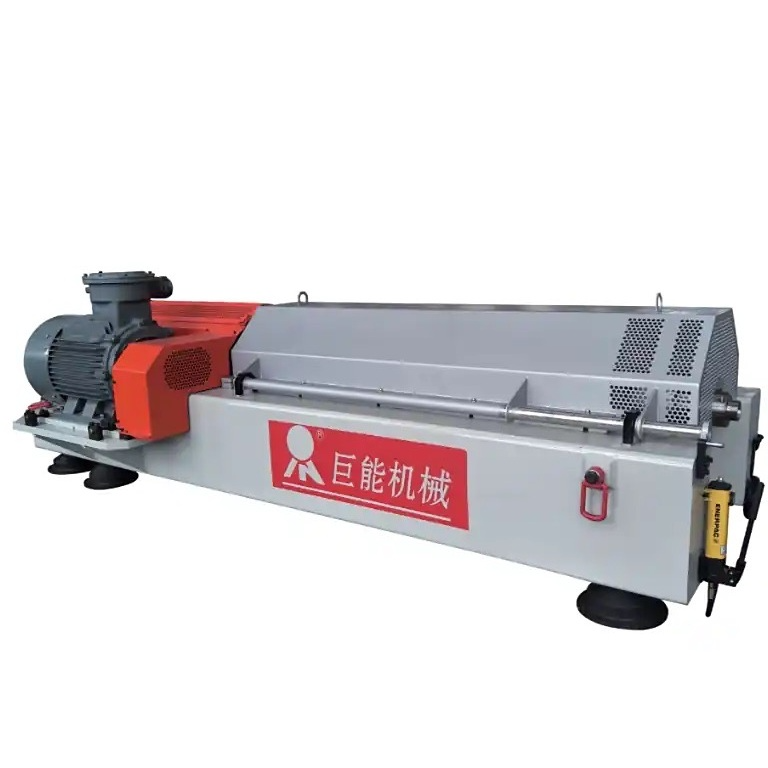





Disc centrifuge is a commonly used centrifugal equipment in laboratories, mainly used for separating solid particles or liquid components in liquids. However, some common errors may occur when operating a disc centrifuge, which can affect the separation efficiency, safety, and even damage the equipment. The following will introduce some common operational errors of disc centrifuges:
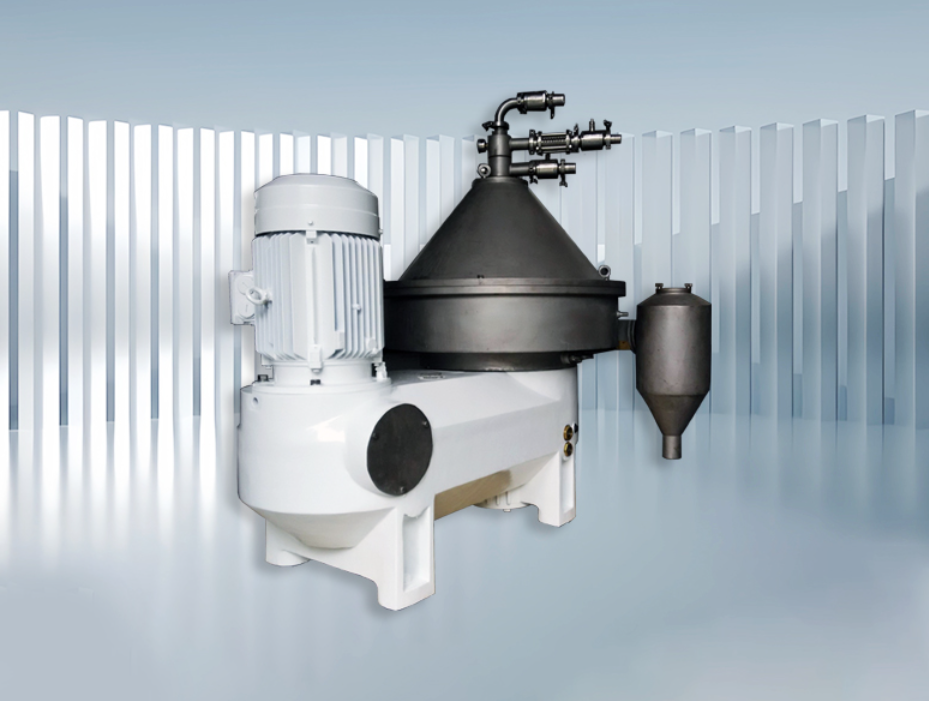
1. Uneven load: Before loading the sample, it should be ensured that the centrifuge disc evenly distributes the sample. If the sample load is uneven, it may cause the turntable to operate unevenly and even damage the centrifuge.
2. Overspeed operation: Each centrifuge has a set super high speed, exceeding which may cause equipment imbalance, danger, or damage. Therefore, when operating the centrifuge, it is important to set the appropriate rotational speed.
3. Long operating time: During the operation of the centrifuge, prolonged time may lead to excessive separation of the sample or the production of interfering substances, affecting the accuracy of experimental results
Ye
4. Neglecting safety measures: When operating the disc centrifuge, it is necessary to follow the safety operating procedures of the equipment, such as wearing protective goggles and laboratory clothing, to avoid accidents.
5. Failure to clean in a timely manner: The centrifuge may produce sample residues, sediments, etc. during use. If not cleaned in a timely manner, it may cause problems such as transmission system failure and disc imbalance.
6. Improper use: Some operators may use the centrifuge improperly due to unfamiliarity with it, such as operating incorrect buttons, adjusting parameters, etc., which may cause equipment damage or pose a danger.
7. Neglecting maintenance: Disc centrifuges require regular maintenance and upkeep, such as replacing motors, calibrating speed, etc. Neglecting maintenance may lead to issues such as shortened equipment lifespan and decreased effectiveness.
In short, when operating a disc centrifuge, it is important to pay attention to the common errors mentioned above and strictly follow the instructions and laboratory operating procedures to ensure the safety and effectiveness of the centrifuge. At the same time, regular maintenance and upkeep of centrifuges can extend equipment lifespan and improve experimental efficiency. I hope the above content is helpful to you!