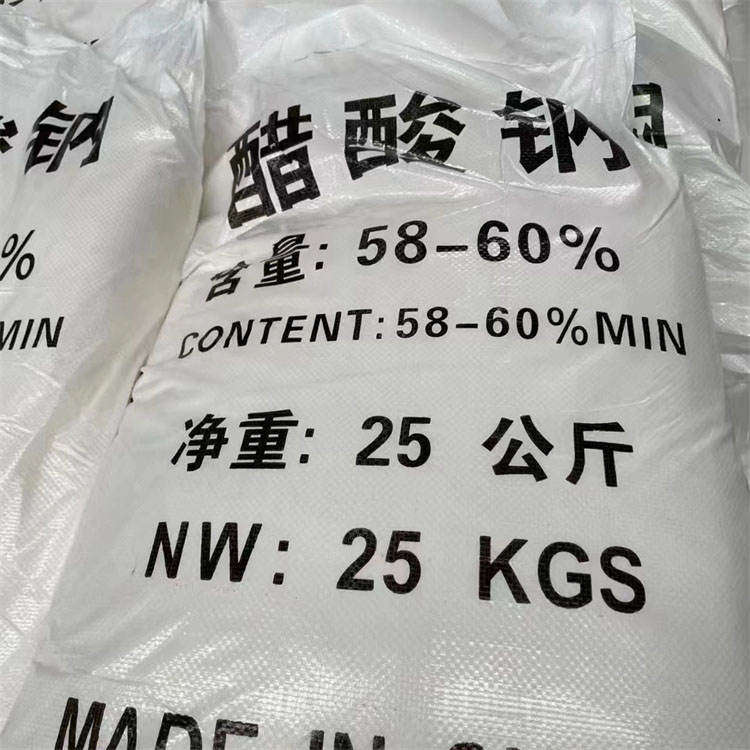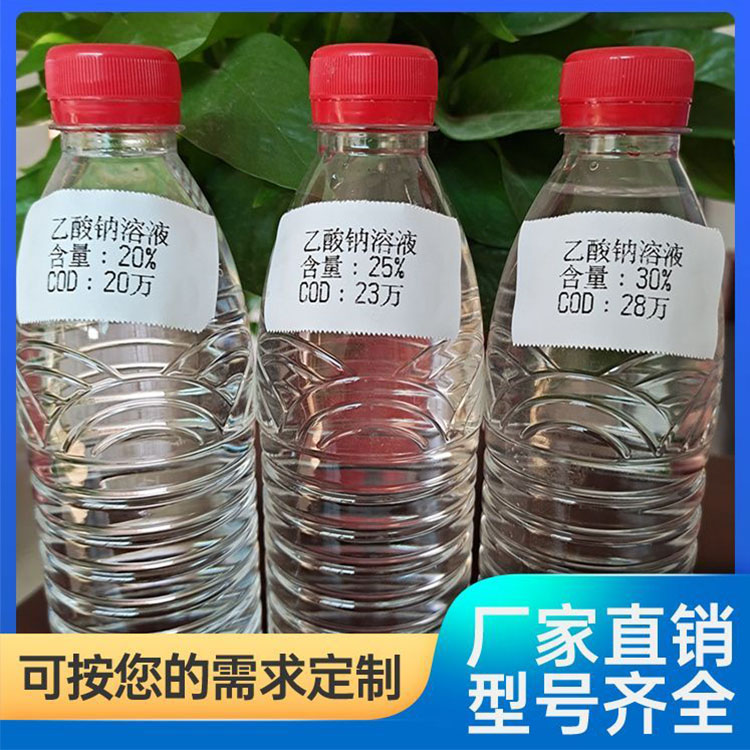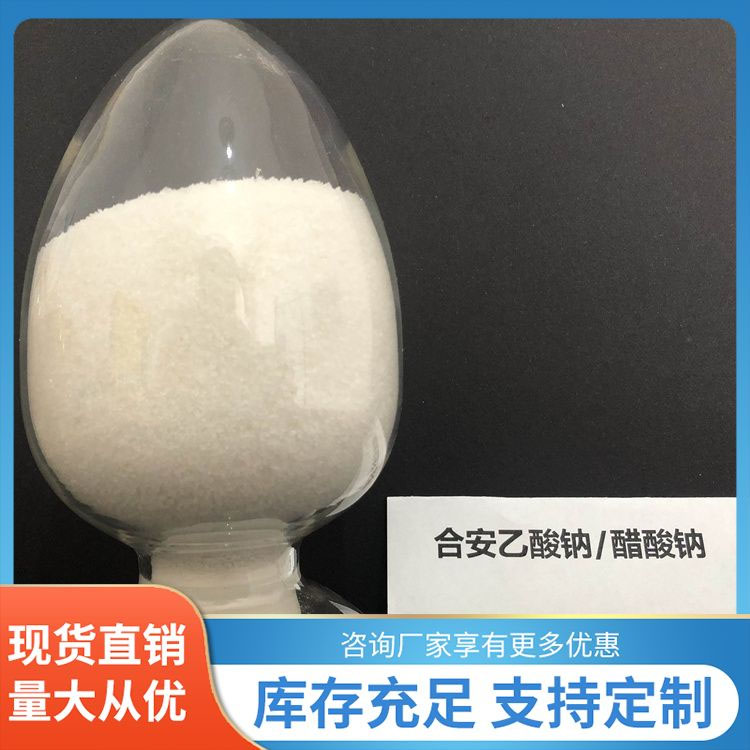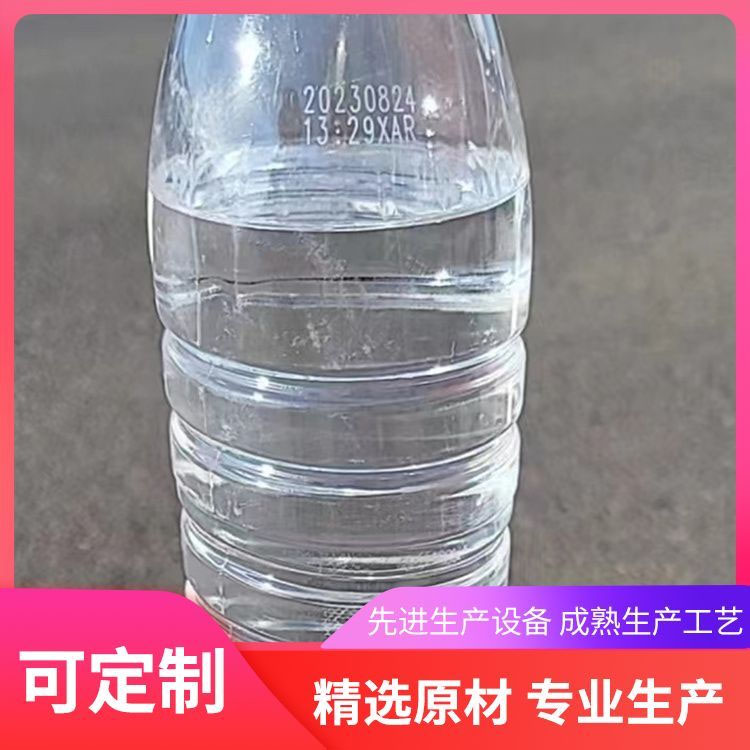



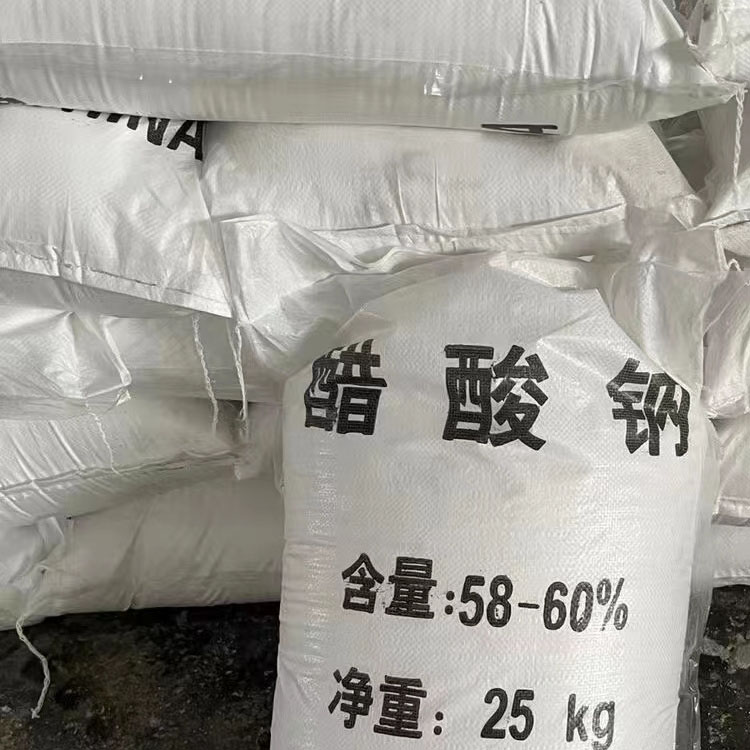





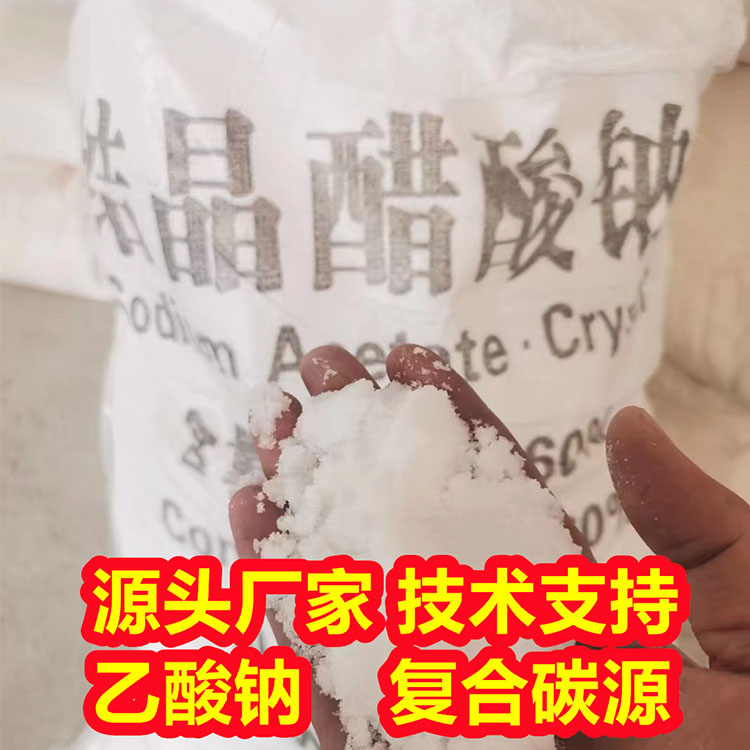
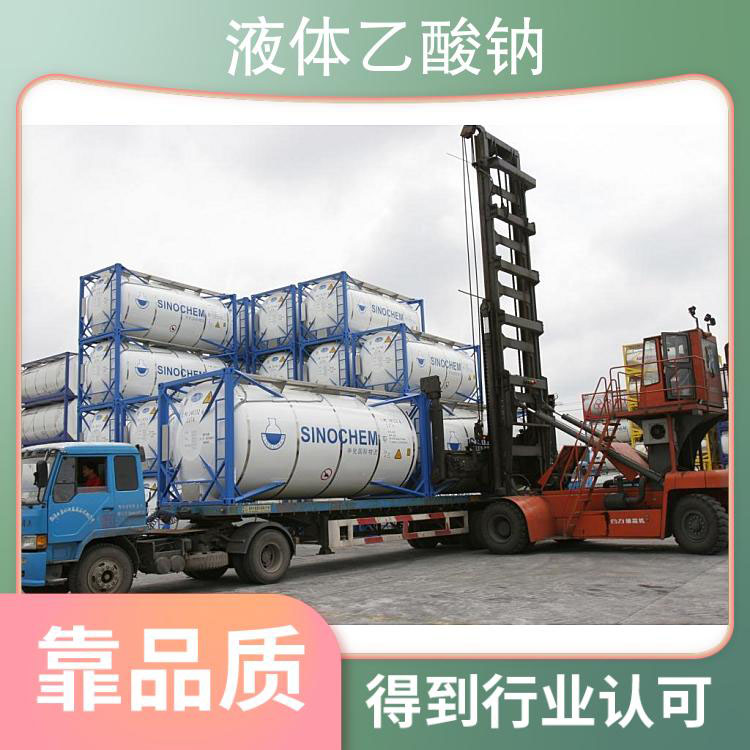
Sodium Acetate Solution (Also Known As: Liquid Acetic Acid Sodium)
① Key Indicators:
Content: ≥20%, 25%, 30%, 35%
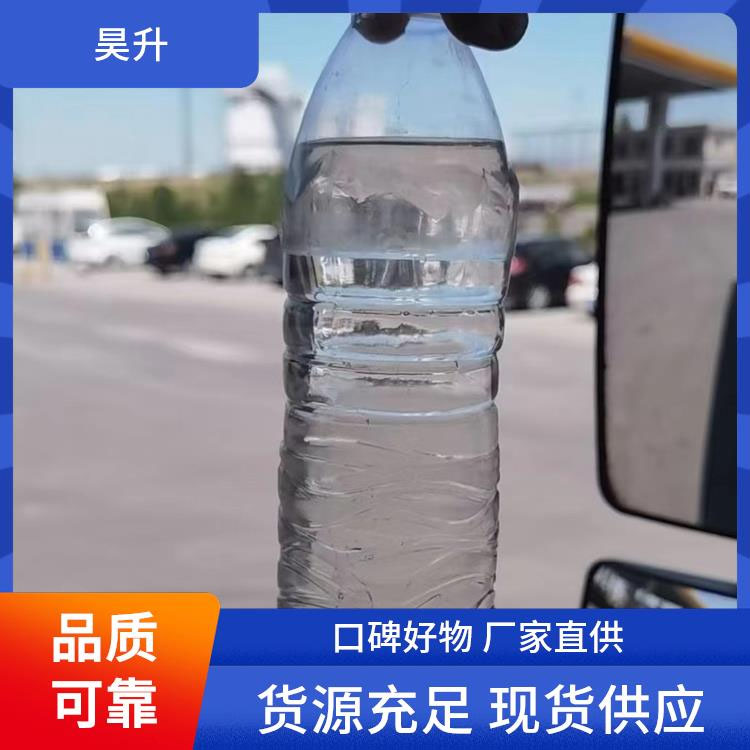
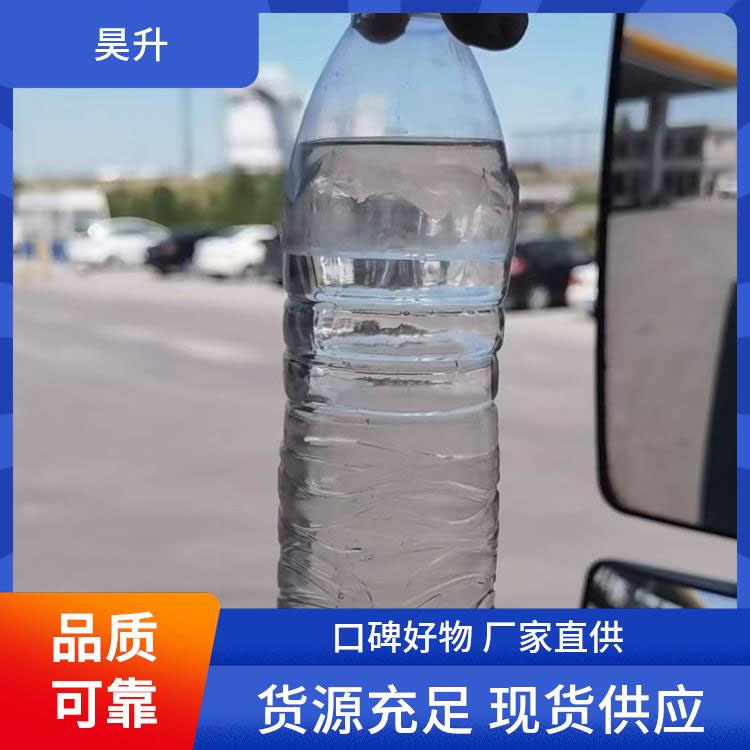
Appearance: Clear, transparent liquid.
Sensory: No irritating odor.
Packaging: Drums or truckload bulk
② Main Application:
Additional carbon source for nitrogen and phosphorus removal systems in urban sewage treatment plants. Carbon source is a necessary element for microbial growth, primarily consumed in phosphorus release and denitrification. Low carbon source content can lead to poor nitrogen and phosphorus removal in the effluent. Sodium acetate is used as a supplementary carbon source to acclimate denitrifying sludge, and then buffer solutions are employed to control the pH rise during denitrification within a range of 0.5. Denitrifying bacteria can adsorb CH3COONa excessively, so when using CH3COONa as an external carbon source for denitrification, the effluent COD value can also be maintained at a low level.
③ Standard for Placement:
When sodium acetate dosage is at 15mg/L, all parameters' outlet concentrations meet the first-class A standard of "Discharge Standard of Pollutants for Urban Wastewater Treatment Plants" GB18918-2002. At a dosage of 30mg/L, the anaerobic segment's phosphorus release, aerobic segment's phosphorus uptake, and anoxic segment's nitrogen removal rates are all high, reaching 3.54 mgPO43-P/(g MLSS·h) and 2.54 mgPO43--P/(g MLSS·h), and 1.53 mgNOx-N/(gMLSS·h), respectively. At dosages of 9mg/L and 15mg/L, denitrification and phosphorus removal occur in the anoxic segment, with phosphorus uptake rates of 0.36 mgPO43--P/(g MLSS·h) and 0.02 (mgPO43--P/(gMLSS·h), respectively. In summary, a sodium acetate dosage of 30mg/L ensures more stable and reliable system operation.