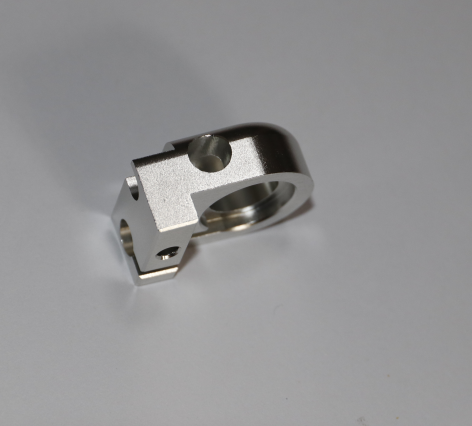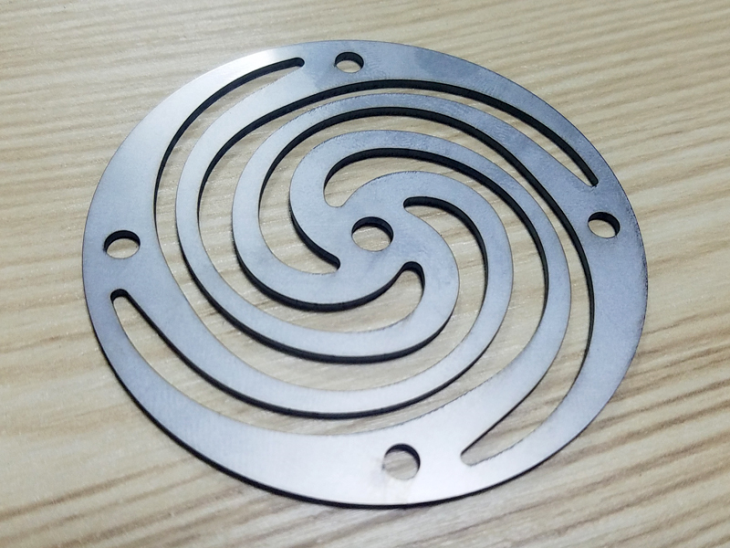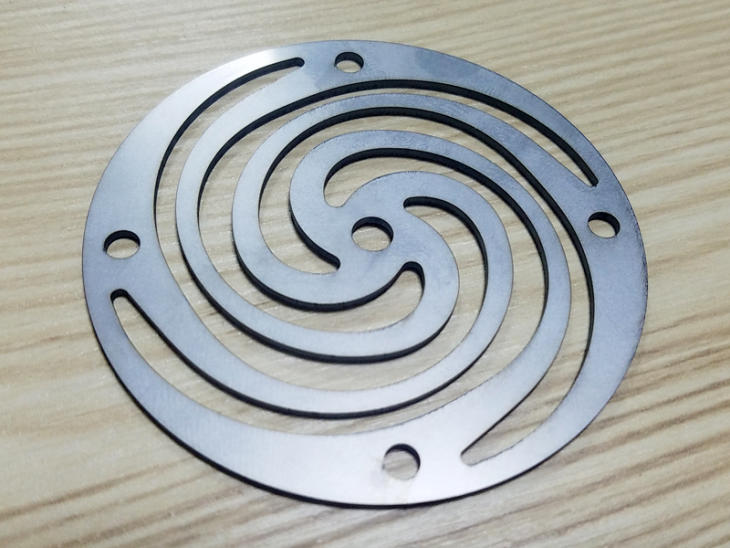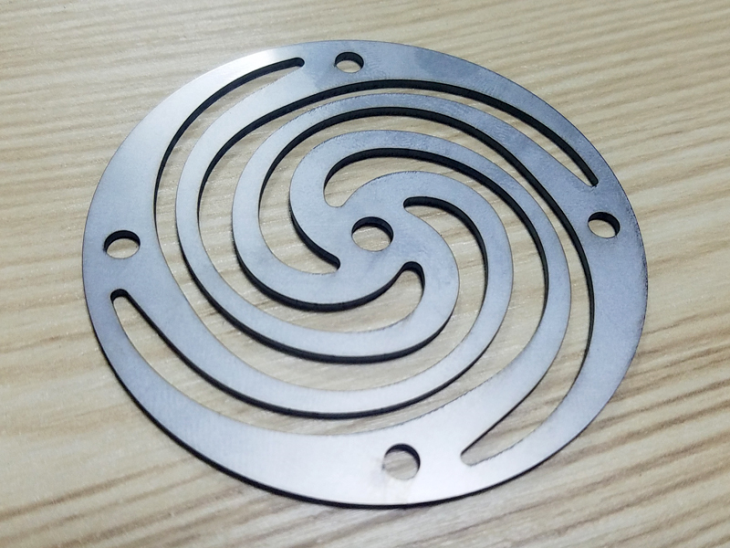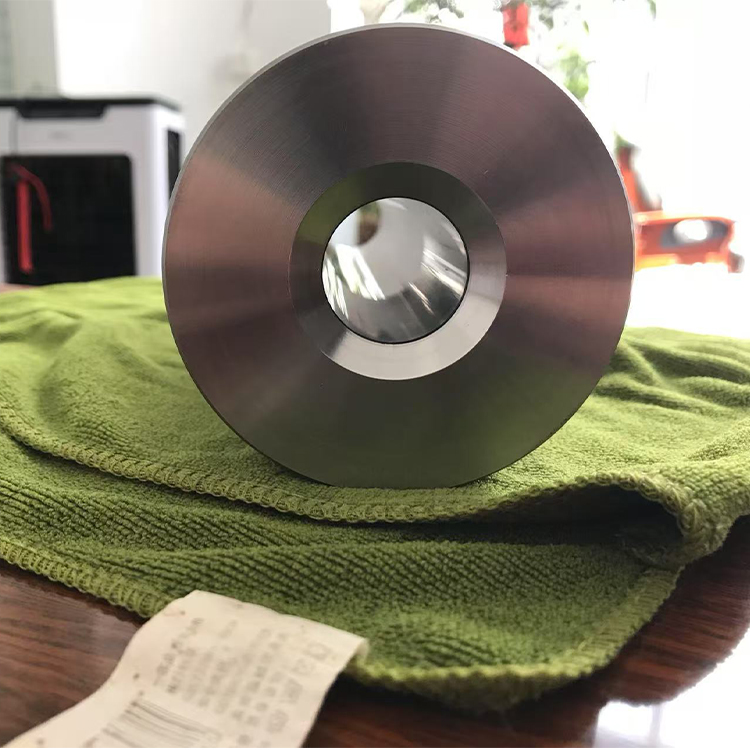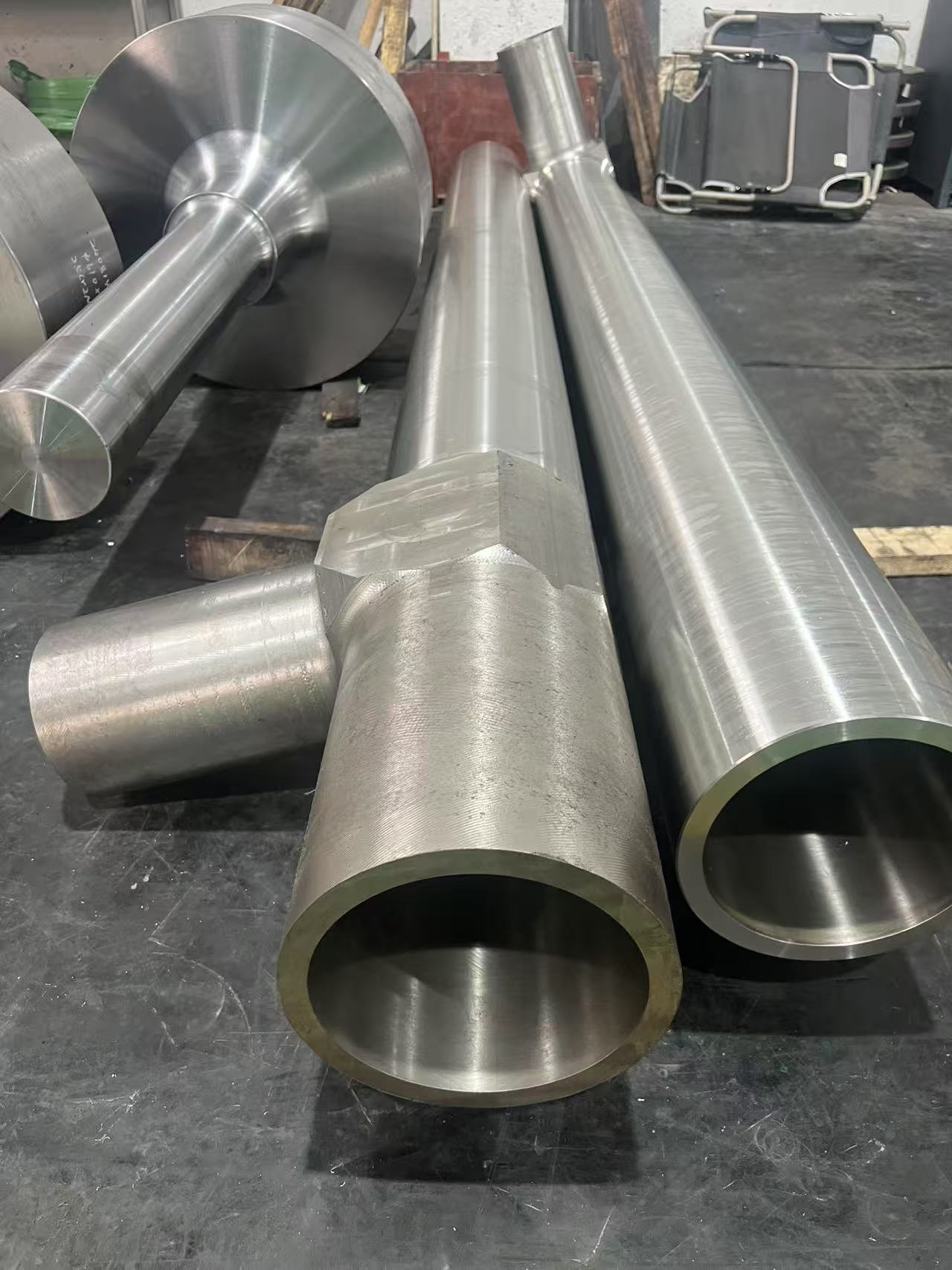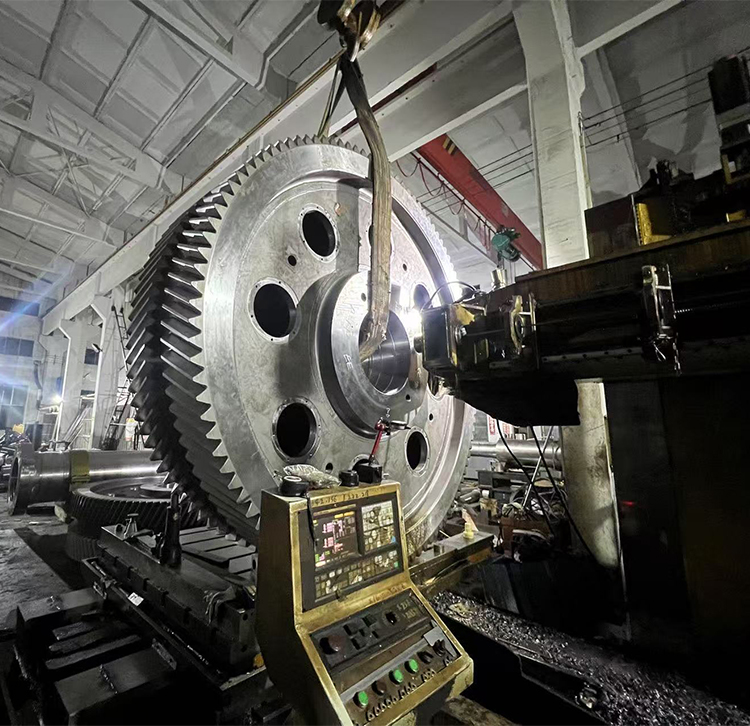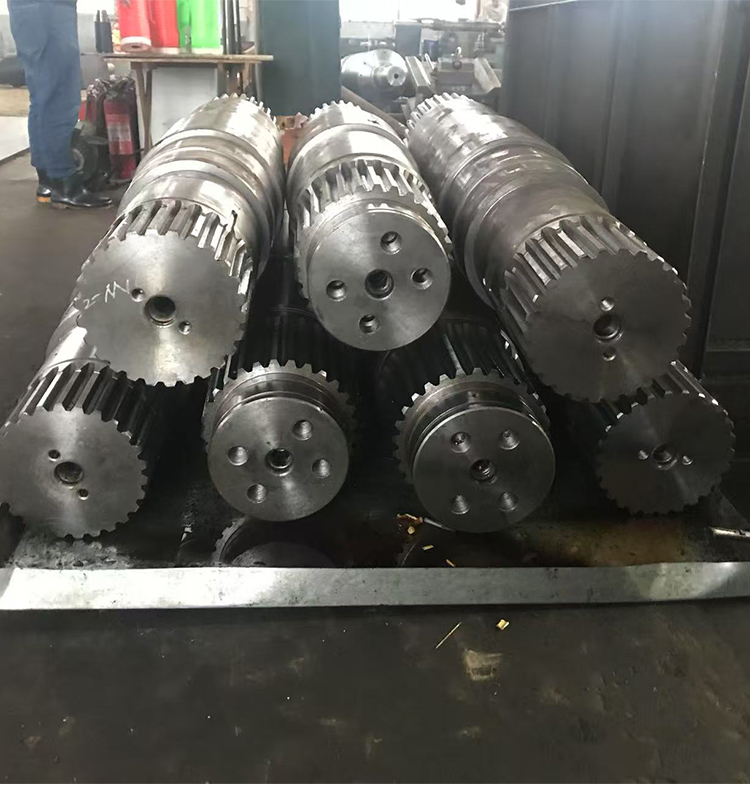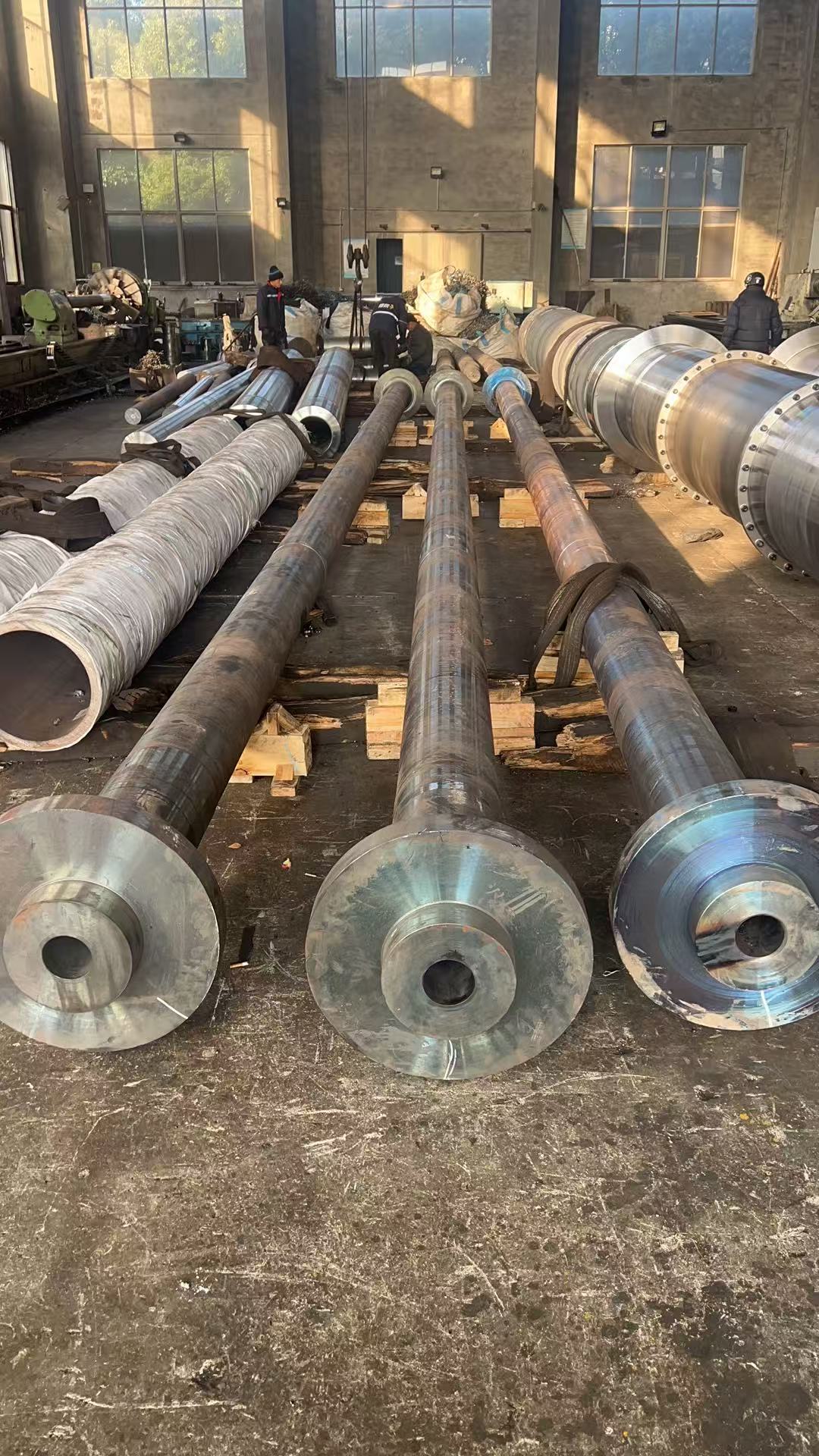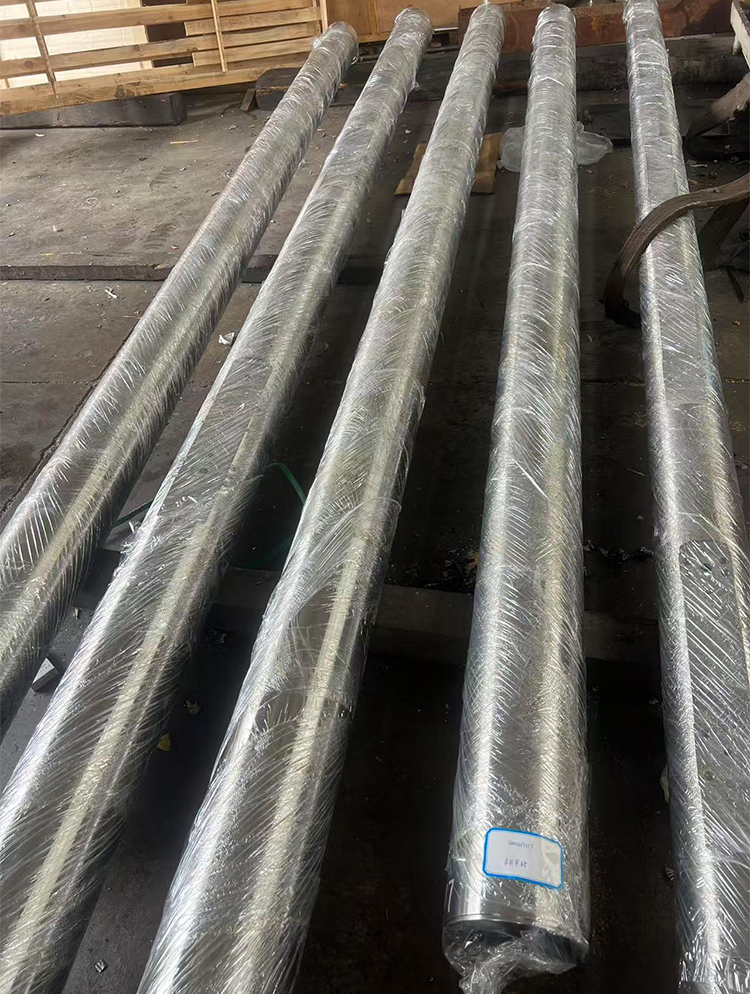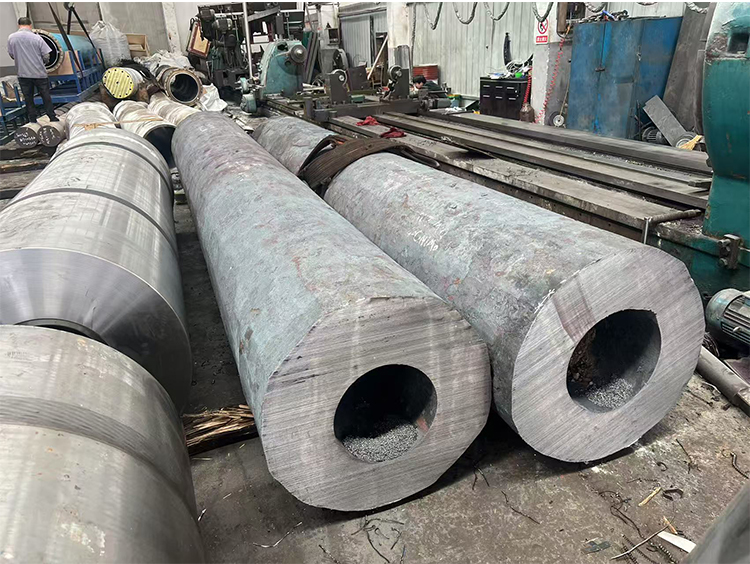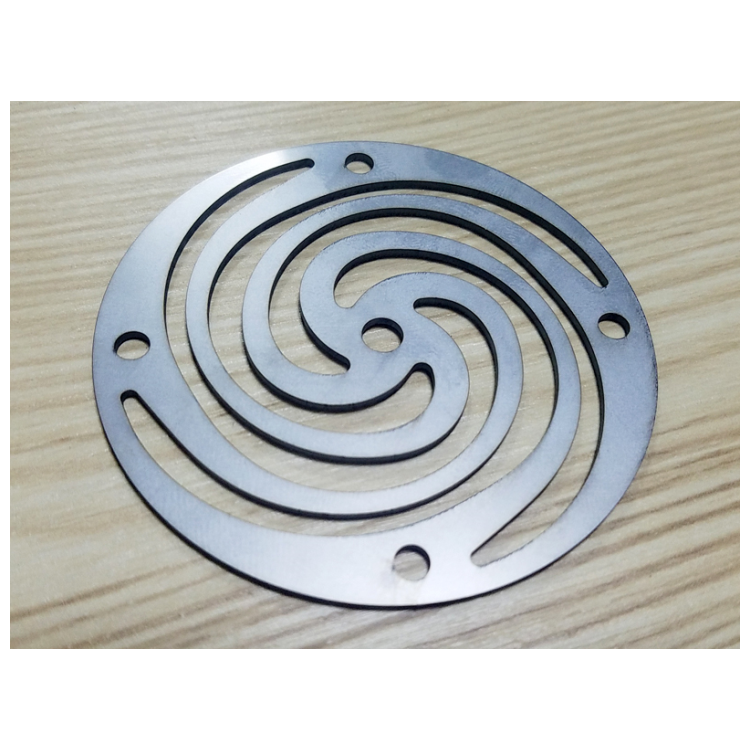

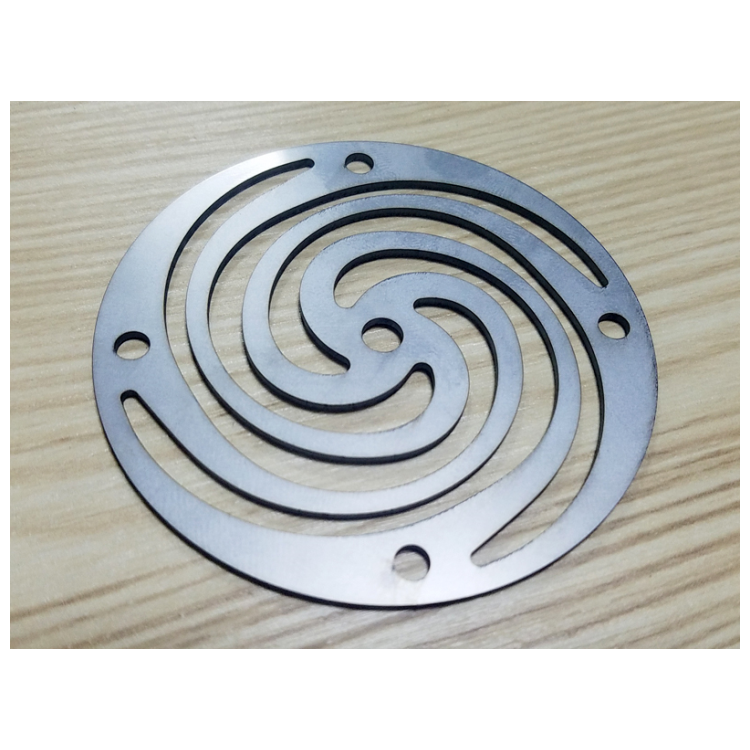
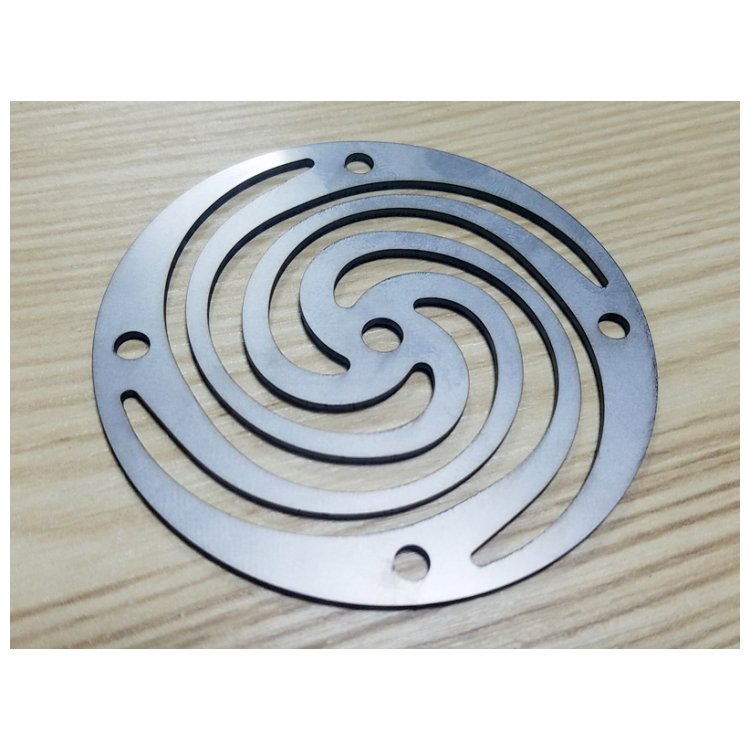
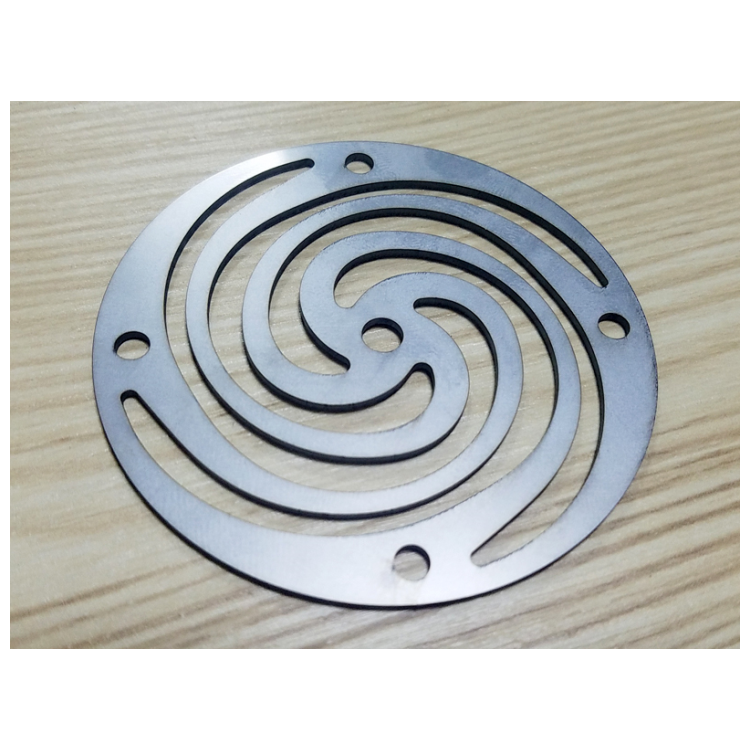



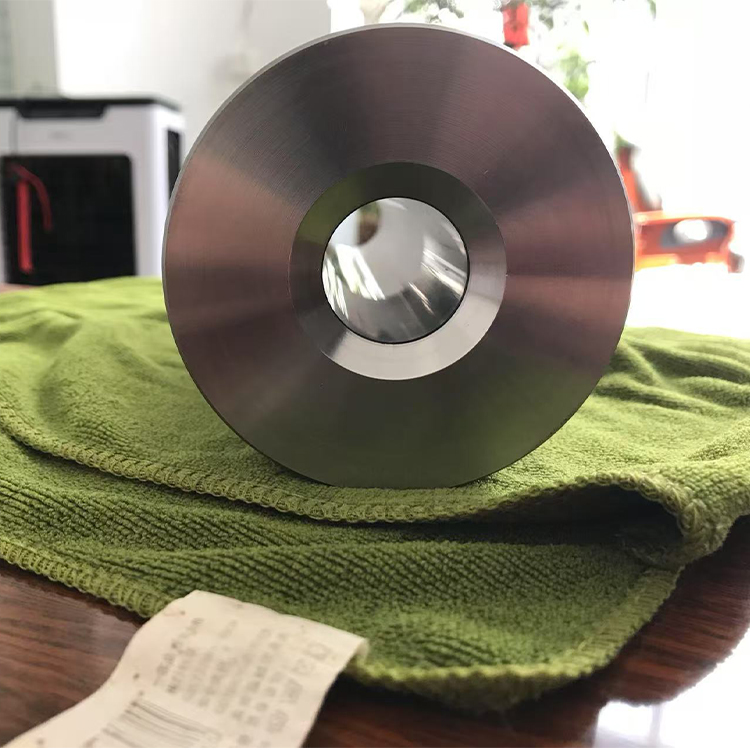
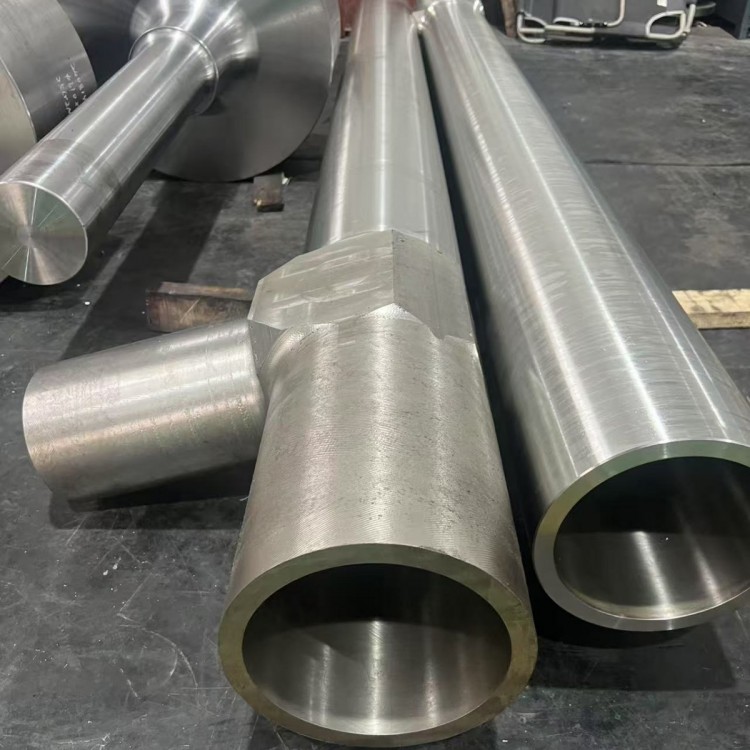







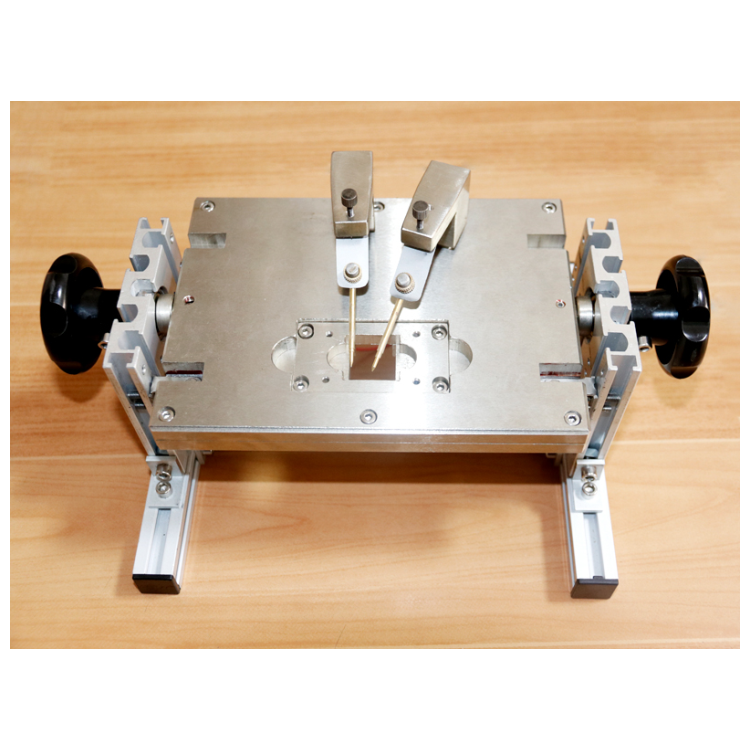


What is precision metal part processing? It's actually a type of machining, but more intricate, with higher demands on production machinery and processes. Every machine and equipment is composed of numerous small parts, each playing a crucial role. As parts need to be assembled, precision mechanical part manufacturers will reprocess to meet such needs. After processing various different parts, we can obtain ones that better suit our requirements. Therefore, for these products to better serve their purpose, many can't do without the critical step of precision mechanical processing.
To ensure precision in the machining of intricate parts, rough and finish machining are carried out separately. This is because during rough machining, there is a high volume of cutting, resulting in greater cutting and clamping forces on the workpiece, along with a significant amount of heat generation. Additionally, the machining surface of mechanical parts exhibits notable work hardening, and the workpiece internally experiences considerable internal stress. If rough and rough machining are performed consecutively, the precision of the finished parts will quickly be lost due to the redistribution of stress.
In the process route for precision part manufacturing, heat treatment operations are commonly scheduled. The arrangement of the heat treatment operations is as follows: to improve the metal's cutting performance, such as annealing, normalizing, and quenching and tempering, they are generally scheduled before the mechanical part processing.