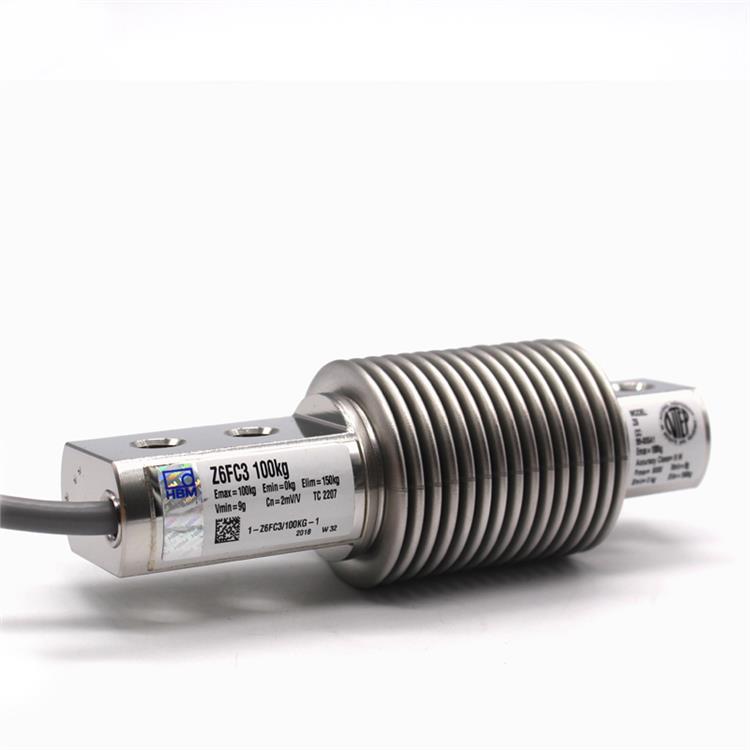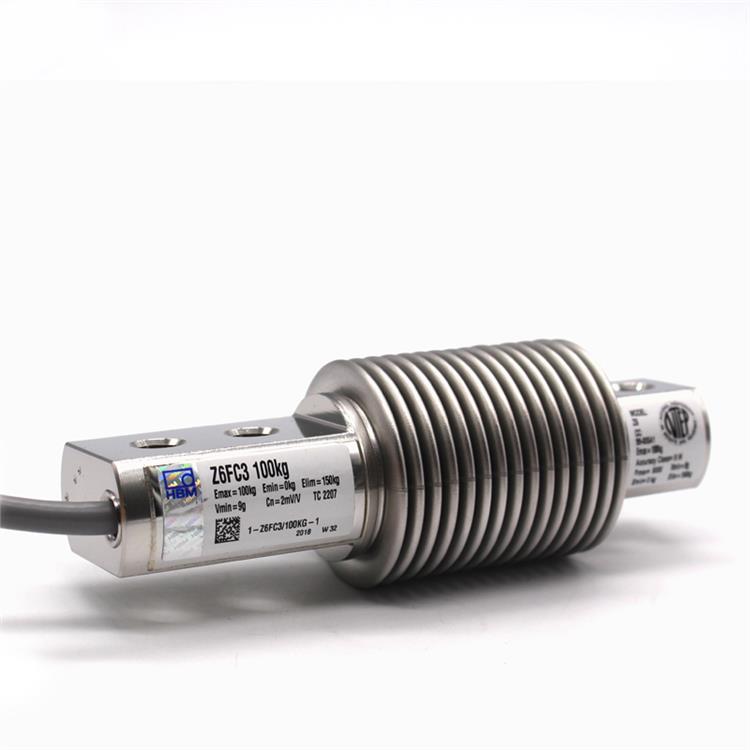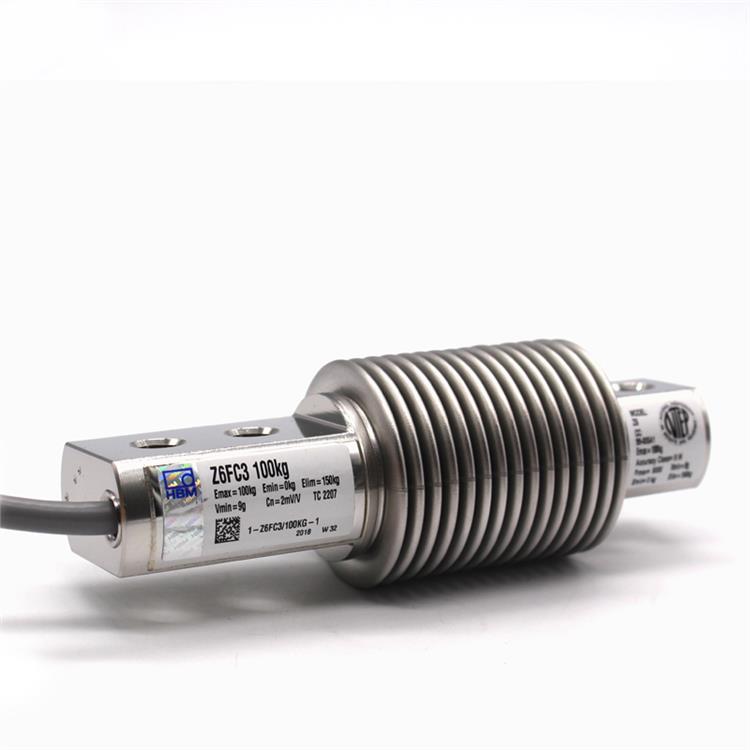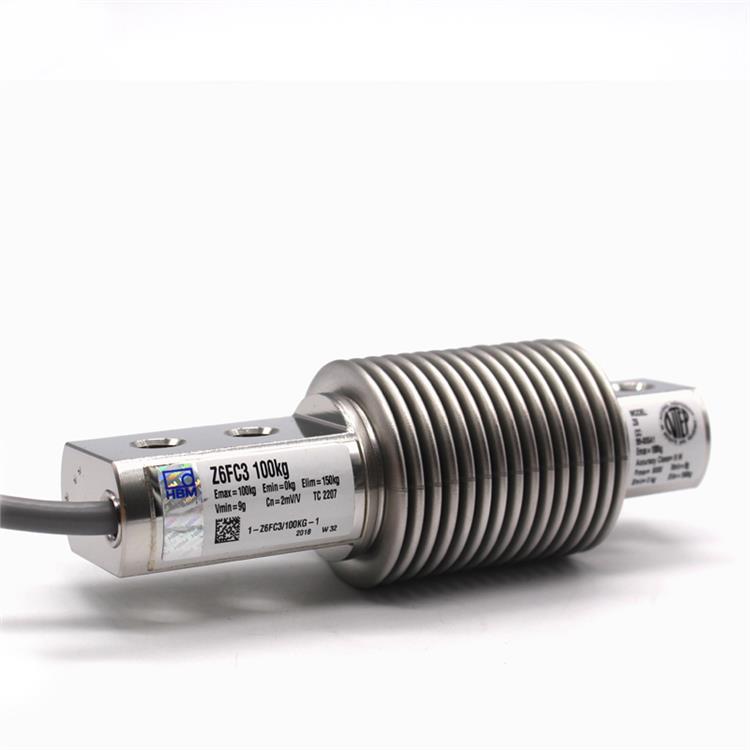








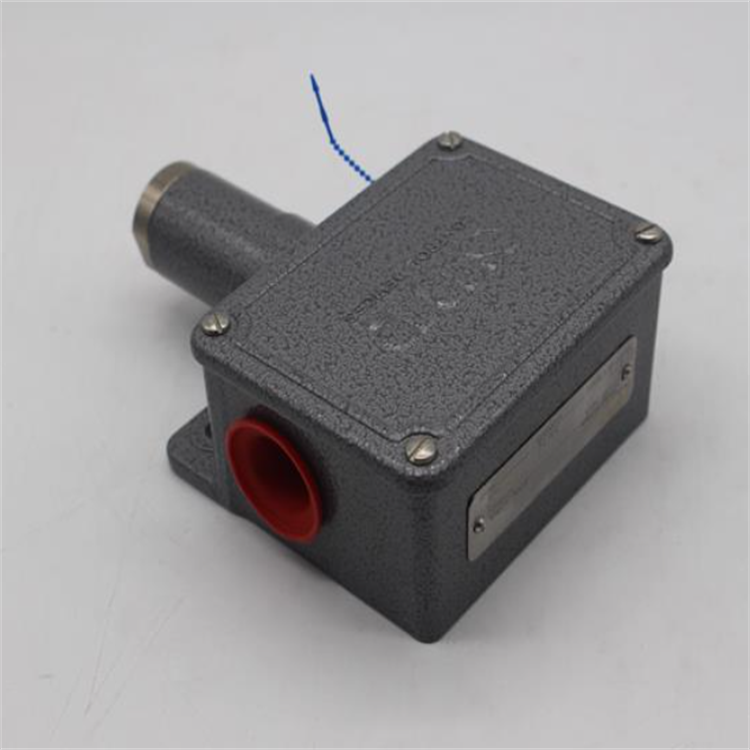
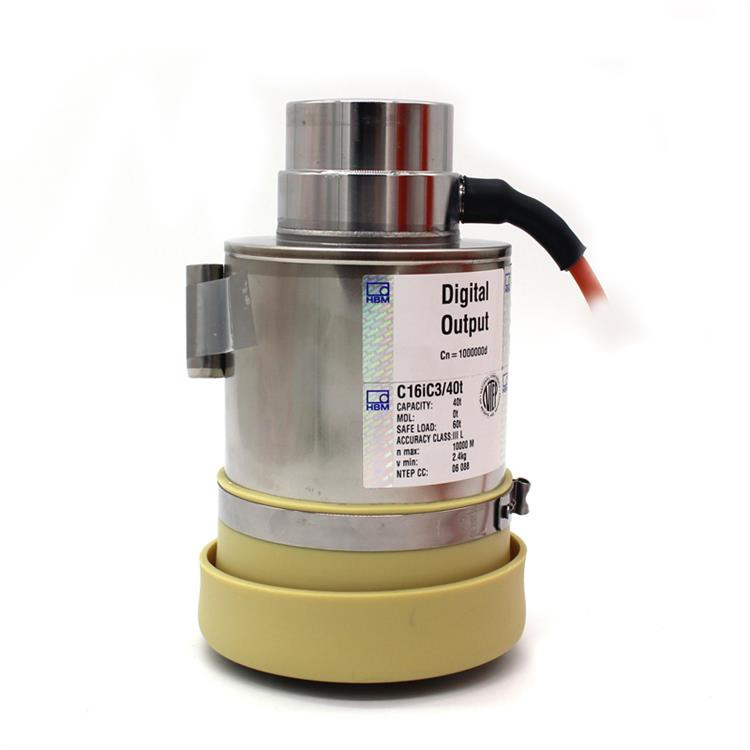
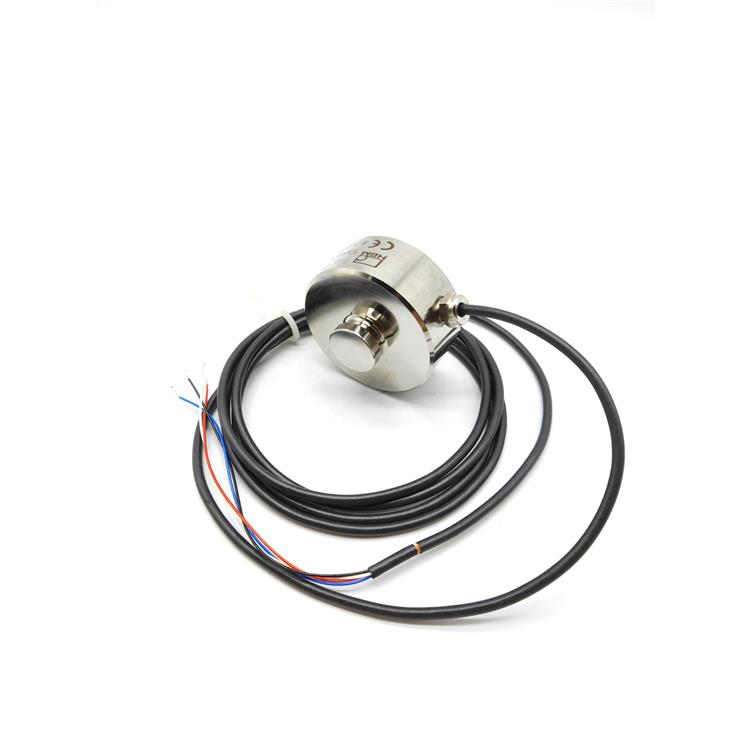

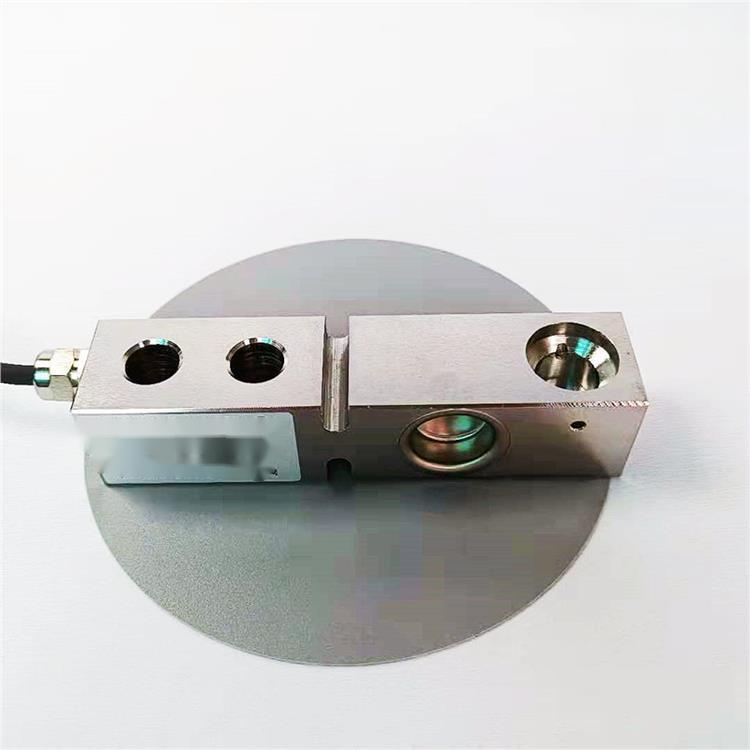

The working principle of load sensors is based on the piezoresistive effect or strain gauge principle. The piezoresistive effect refers to the change in the resistance value of conductive materials when subjected to pressure or gravity. The strain gauge principle means that the resistance value on the strain gauge film changes when the object is subjected to external force. By measuring the change in resistance value, the magnitude of the pressure or gravity acting on the object can be calculated.
The working principle of weighing sensors can be divided into various types, including resistive strain gauge, capacitive, and electromagnetic, among others. The resistive strain gauge is a common and widely-used type. It works by attaching strain gauges to an elastic body. When an object is placed on the elastic body, it undergoes minute deformation, causing a change in the resistance value of the strain gauge. By measuring the resistance change, the weight of the object can be calculated.
Advantages
Fast Response: The weight sensor typically has a quick response time, enabling real-time measurement and feedback of weight changes in objects.
Wide Range: The measurement range of weight sensors varies from a few grams to several tons, suitable for measuring objects of different weight classes.
Compact Structure: Load sensors typically feature a compact design for easy installation and integration into equipment and systems.
Excellent durability: Load cells are typically made from durable materials, capable of withstanding heavy loads and various environmental conditions, and offering a long service life. Weight sensors have extensive applications across various fields. In the industrial sector, weight sensors are commonly used for material weighing, cargo distribution, and production process control. In the commercial field, they are often utilized in supermarkets and shopping malls for product weighing and pricing. In the healthcare field, weight sensors are frequently employed for monitoring and controlling the weight of equipment and beds. Additionally, weight sensors can also be applied in transportation, agriculture, environmental monitoring, and other domains.
Weight Sensor Features:
High Accuracy: The weighing sensor offers highly precise weight measurement results, typically achieving an error range of a few grams or even smaller.
High Reliability: The weighing sensors are made with high-quality materials and advanced manufacturing techniques, ensuring excellent reliability and stability for long-term, stable operation.
Our company always adheres to the principle of honest operation, with the motto "Honesty as the foundation, quality as the trustworthiness," and upholds the corporate spirit of "pioneering, pragmatic, and trustworthy." With sincerity in our hearts and comprehensive services, we strive to create value for every customer, ensuring their peace of mind in choosing us and comfort in using our products. Let's join hands and move forward together.
WeChat Official Account

Scan to follow Official Account