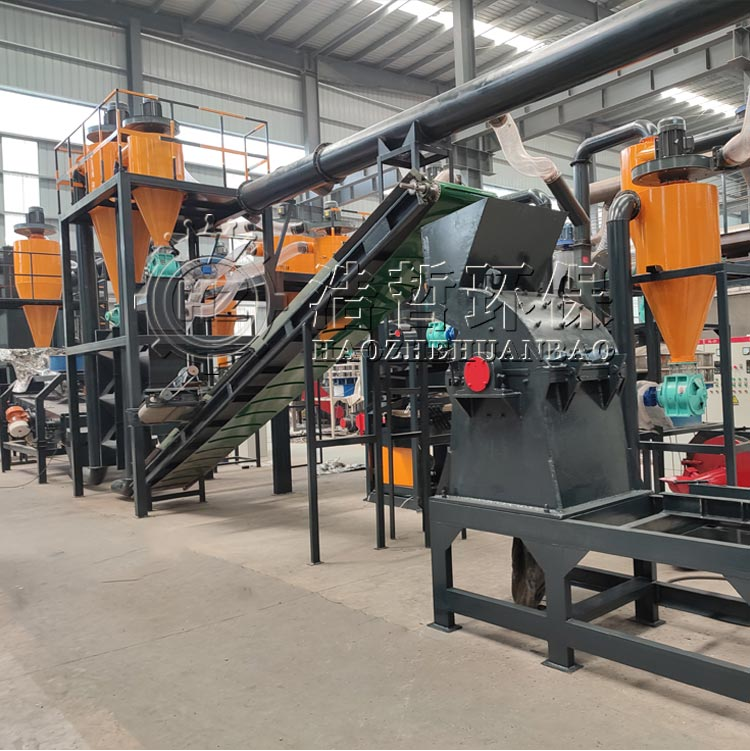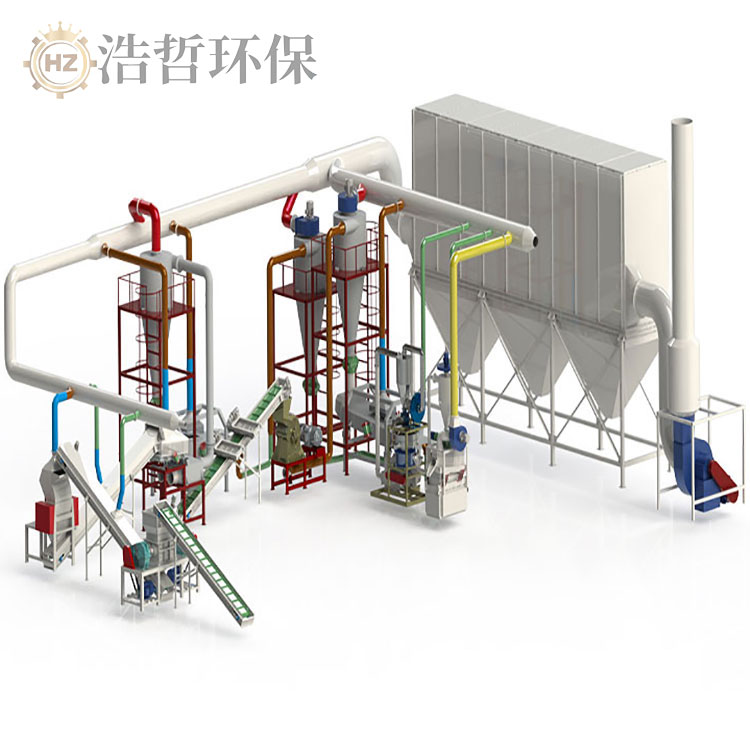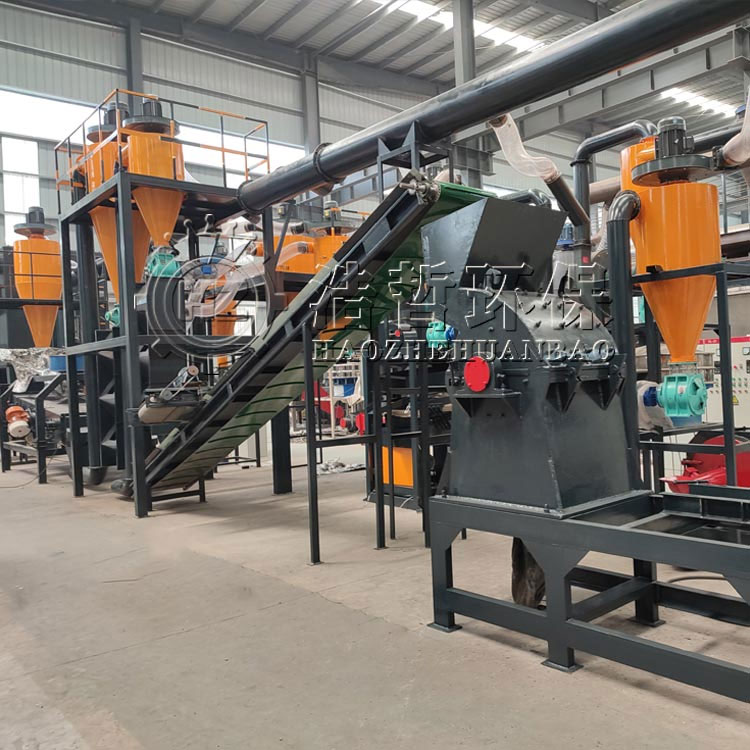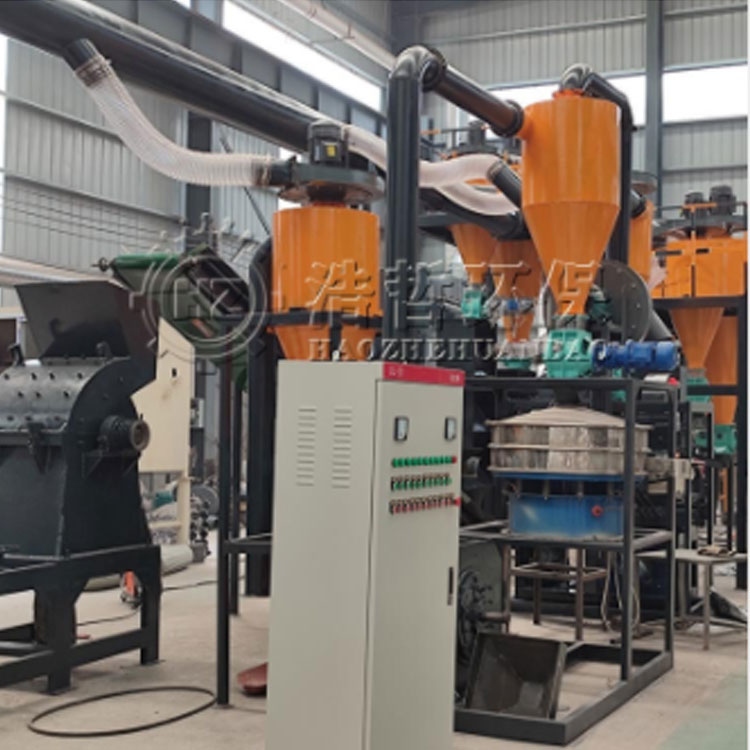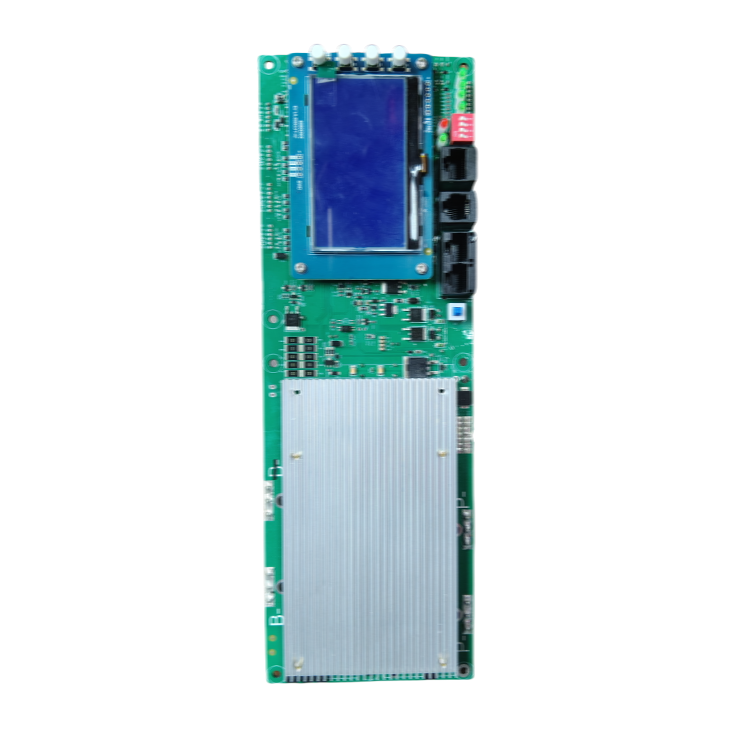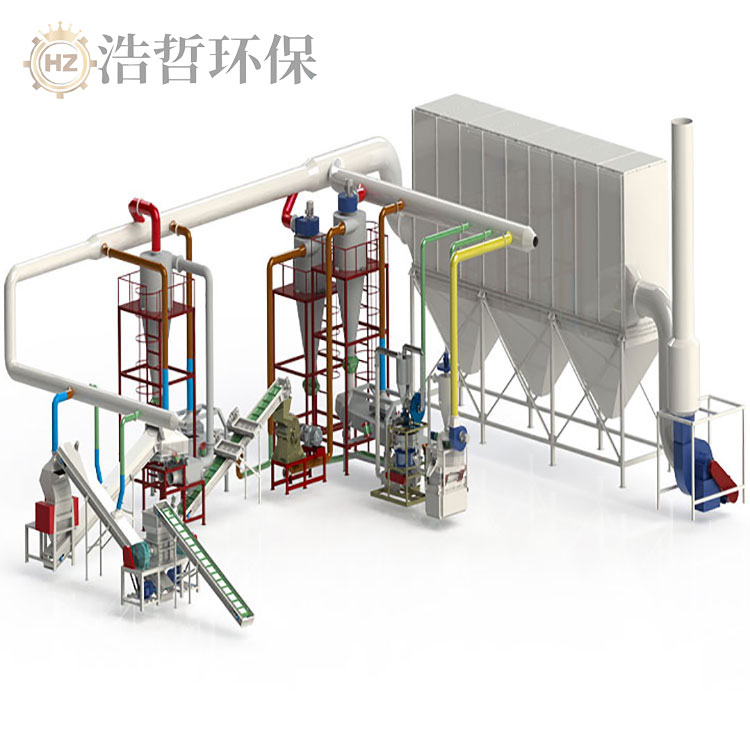

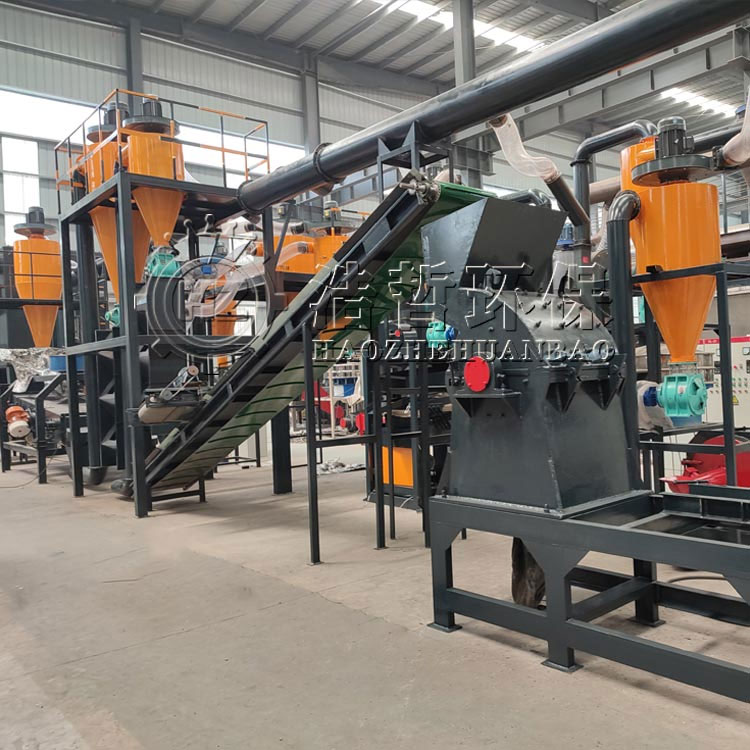
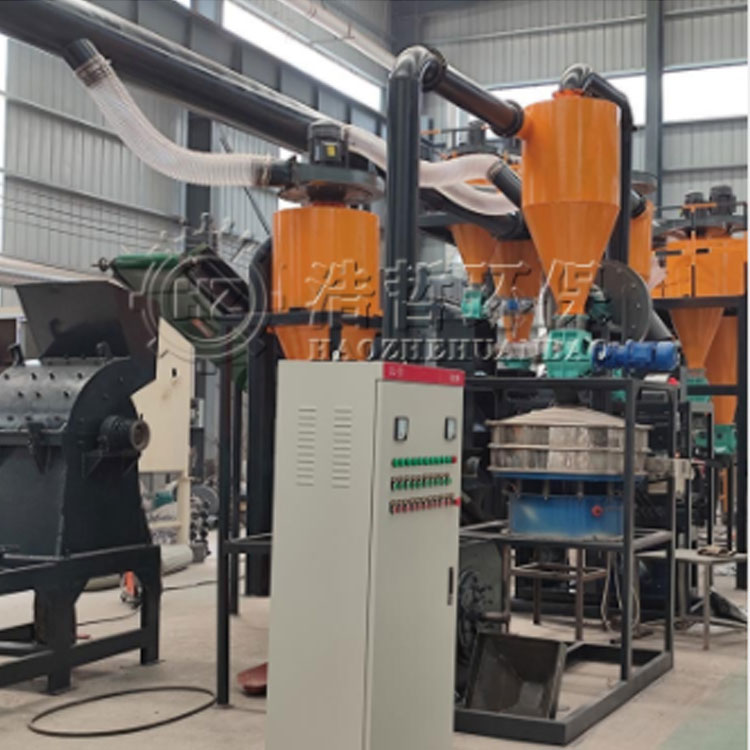


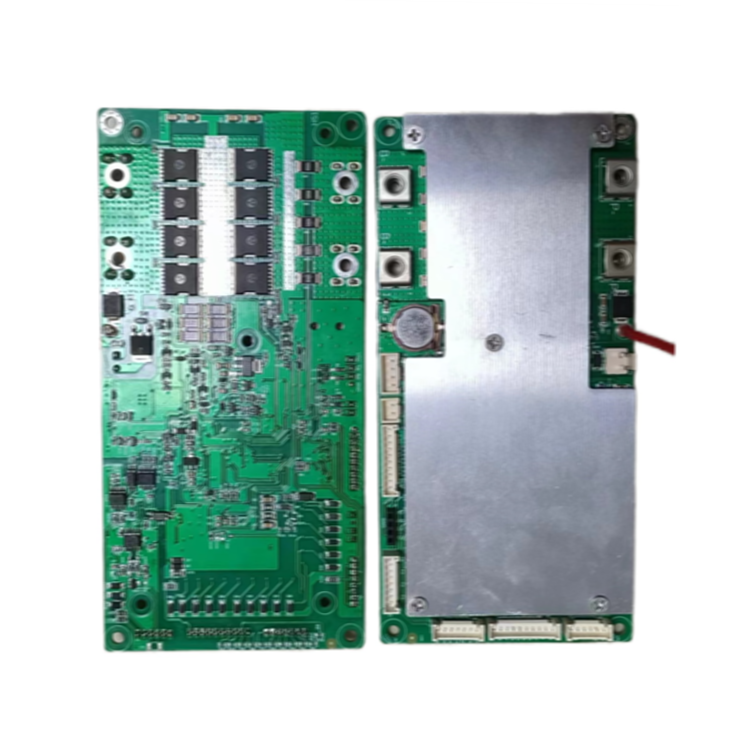
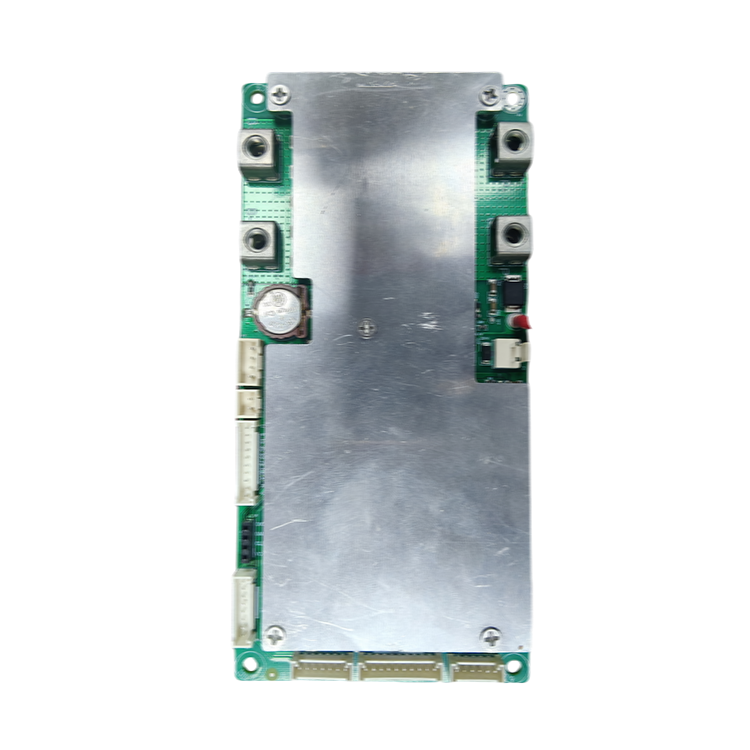
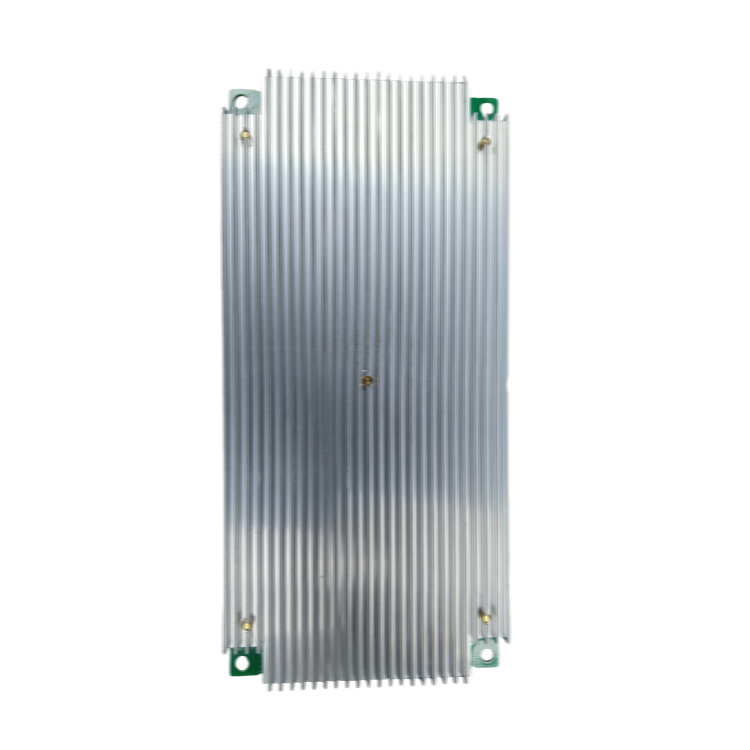
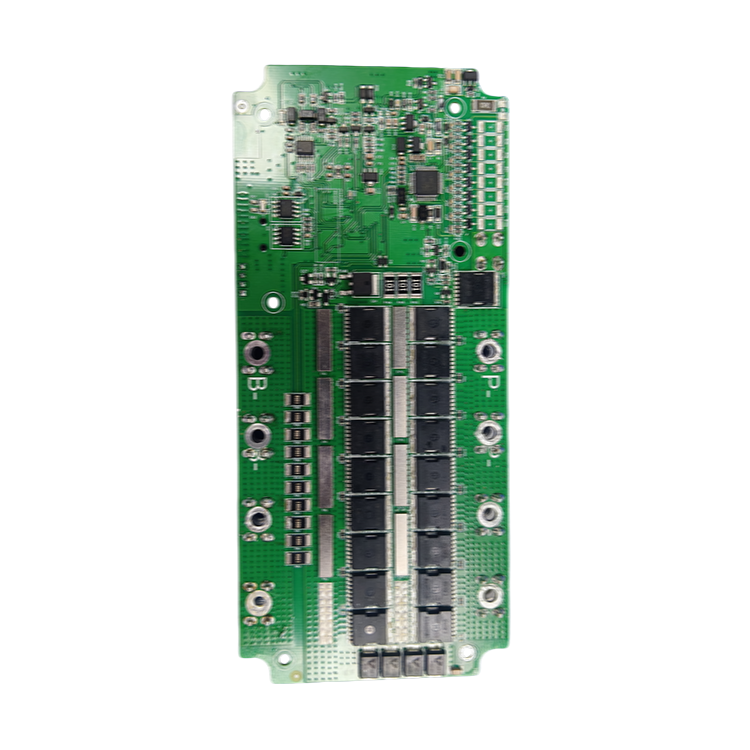
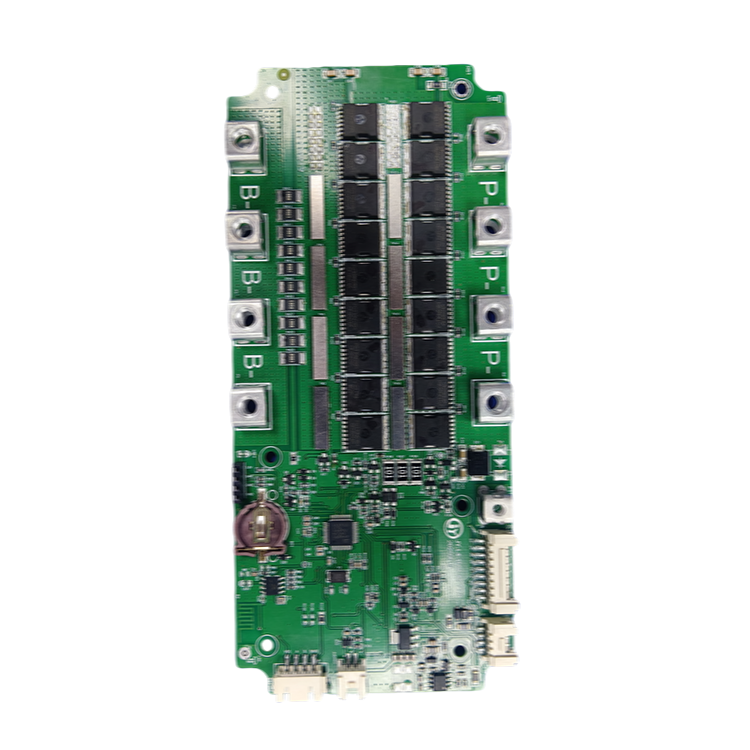





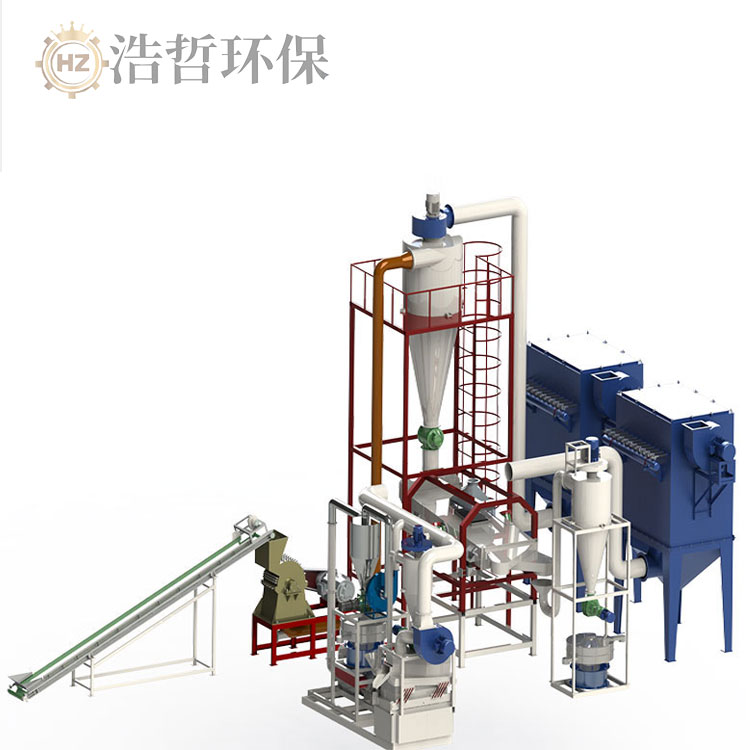
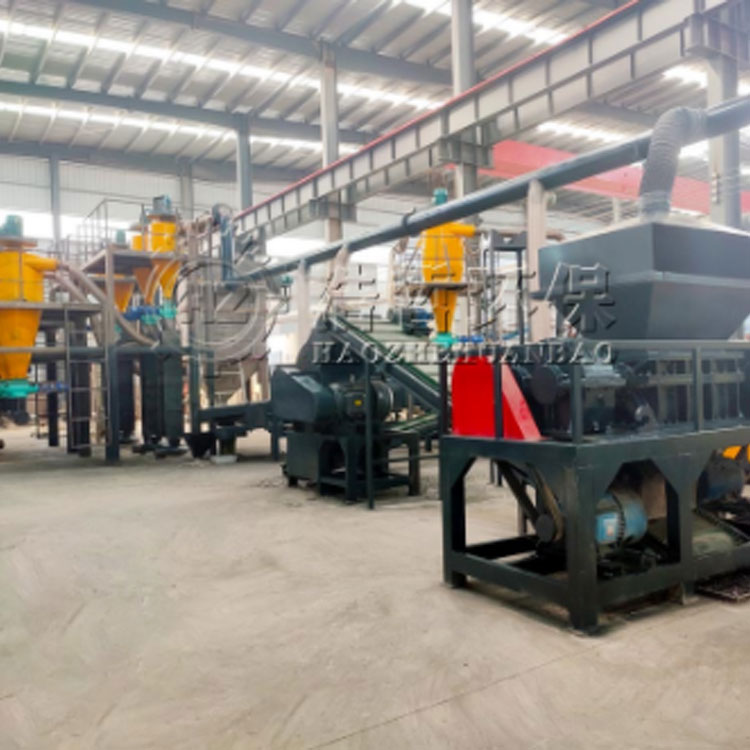
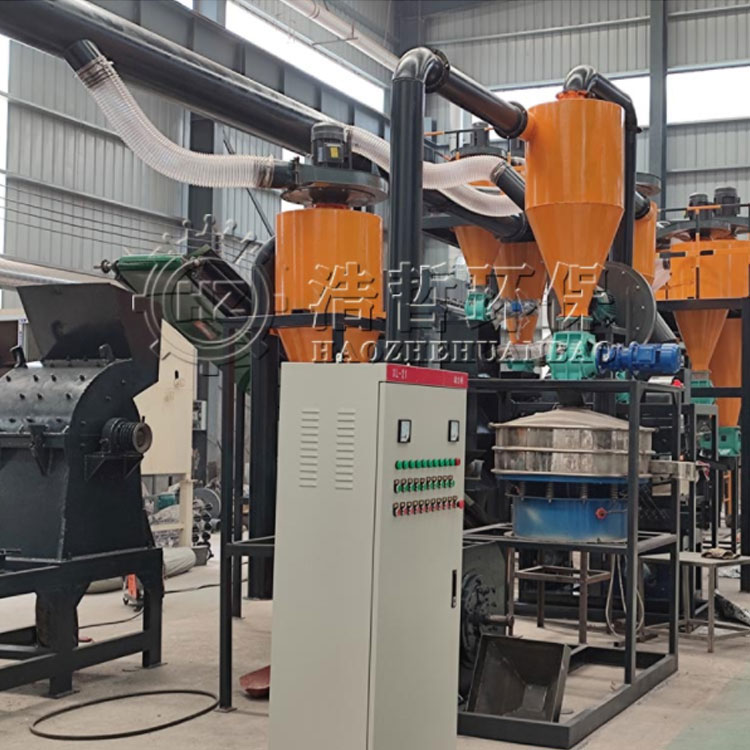
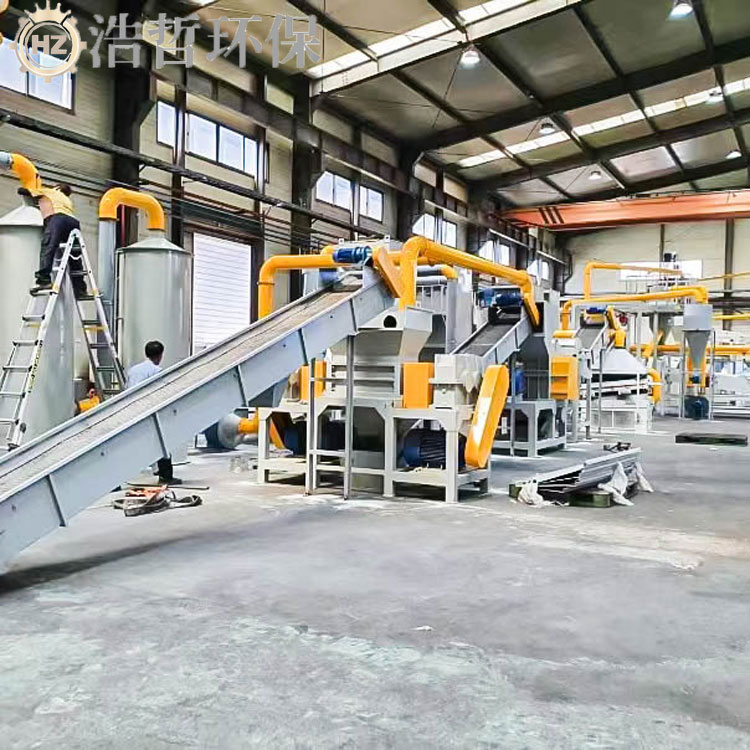
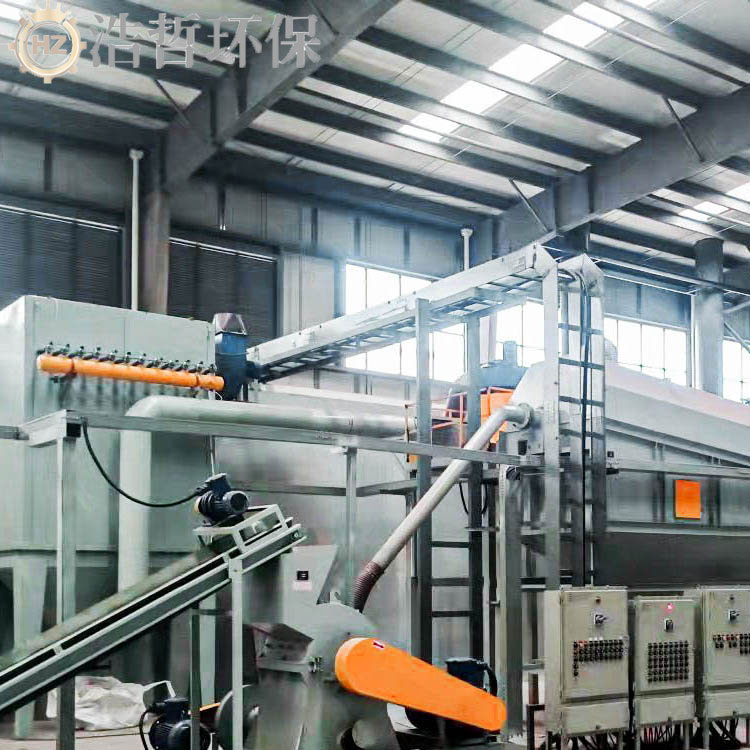
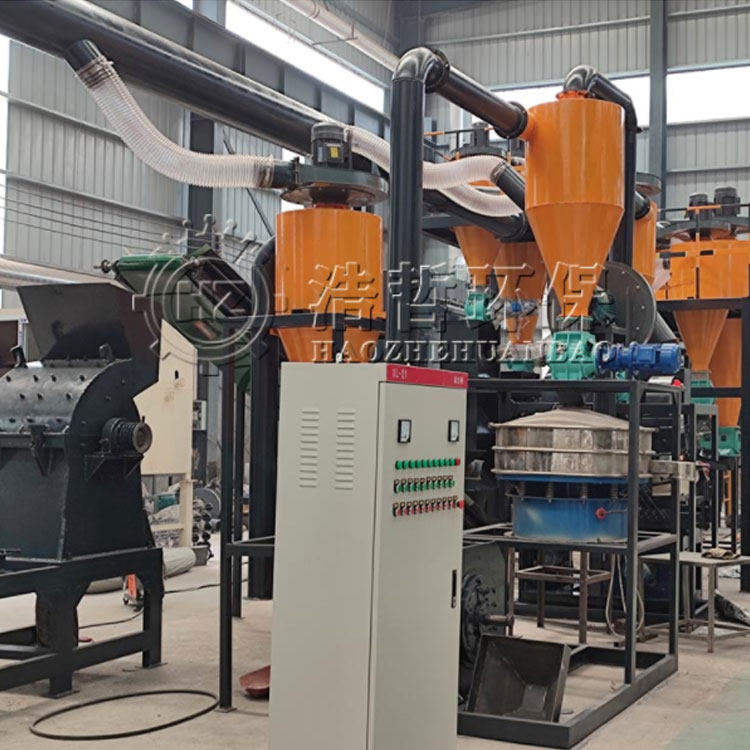
The waste lithium-ion battery anode sheet treatment equipment primarily utilizes physical recycling methods, supplemented by "three waste" disposal measures. It features green and low-carbon, energy-saving, and environmentally friendly characteristics with no secondary pollution. It balances economic and environmental benefits, achieving the utilization of valuable components while safely treating harmful ones. The entire recycling process is fully automated, boasting high recovery efficiency and strong processing capacity. The hourly processing capacity is 500 kilograms, with an annual processing capacity of 5,000 tons. The recovery and utilization rate of valuable components from waste lithium-ion batteries exceeds 90%.
Cobalt, lithium, copper, and plastics found in spent lithium batteries are valuable resources with good recyclability. Thus, scientifically and effectively treating spent lithium batteries not only yields significant environmental benefits but also offers substantial economic returns. Lithium batteries are primarily composed of the casing, cathode, anode, electrolyte, and separator. The cathode is formed by applying lithium cobalt oxide powder to both sides of an aluminum foil current collector, bonded by PVDF for adhesion; the anode structure is similar, with carbon powder bonded to both sides of a copper foil current collector. Currently, research on the resource recovery of spent lithium batteries focuses mainly on the high-value cathode precious metals cobalt and lithium, while the separation and recovery of anode materials is rarely reported. To alleviate the increasingly severe resource scarcity and environmental pollution caused by rapid economic development, achieving full-component recycling and utilization of waste materials has become a global consensus.
Copper (containing about 35%) in the anode of spent lithium batteries is a widely used and important raw material in production. The carbon powder adhered to it can be used as an additive in plastics, rubbers, and more. Therefore, effectively separating the composition materials of the anode in spent lithium batteries is a driving force for maximizing resource utilization and mitigating their environmental impact. Common methods for the resource recovery of spent lithium batteries include hydrometallurgy, pyrometallurgy, and mechanical physical methods. Compared to hydrometallurgy and pyrometallurgy, the mechanical physical method does not require chemical reagents and has lower energy consumption, making it an environmentally friendly and efficient approach.
Advantages of Waste Lithium Battery Anode Sheet Treatment Equipment:
1. Pure physical sorting, with no pollution at all, no environmental protection pressure exists.
2. Simple operation, labor-saving, low running costs, and excellent sorting results in one pass.
3. Customized larger-scale lithium battery processing equipment available upon customer's request.