


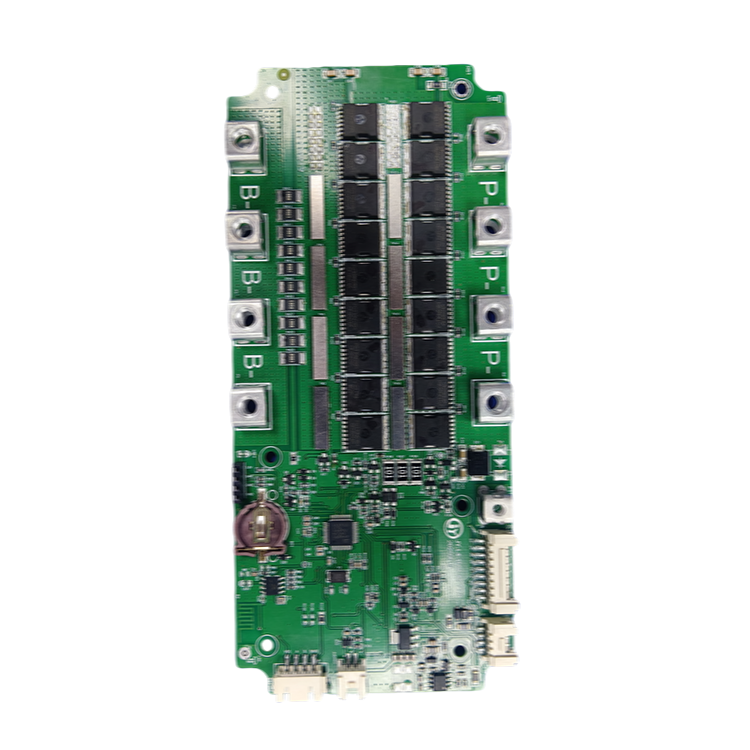





Lithium-ion battery anodes are primarily composed of the housing, cathode, anode, electrolyte, and separator. The cathode is formed by applying lithium cobalt oxide powder to both sides of an aluminum foil collector using PVDF as the binder. The anode structure is similar, consisting of carbon powder bonded to both sides of a copper foil collector. Lithium-ion batteries offer significant advantages such as high voltage, high energy density, long lifespan, and no memory effect. Since their commercialization, they have rapidly dominated the power source market for portable electronic devices, with production increasing year by year. Their lifespan is approximately 2 years. If discarded lithium-ion batteries are not properly disposed of, the contained lithium hexafluorophosphate, organic esters, and heavy metals like cobalt and copper pose potential environmental pollution threats. On the other hand, cobalt, lithium, copper, and plastics in spent batteries are valuable resources with high recycling value. Therefore, scientifically and effectively handling spent lithium-ion batteries not only yields significant environmental benefits but also offers good economic returns.
Currently, research on the resource recovery of waste lithium-ion batteries mainly focuses on the recovery of valuable cathode noble metals cobalt and lithium, with limited reports on the separation and recovery of anode materials. To alleviate the increasingly severe resource shortage and environmental pollution issues caused by rapid economic development, achieving comprehensive recycling and utilization of waste materials has become a global consensus.
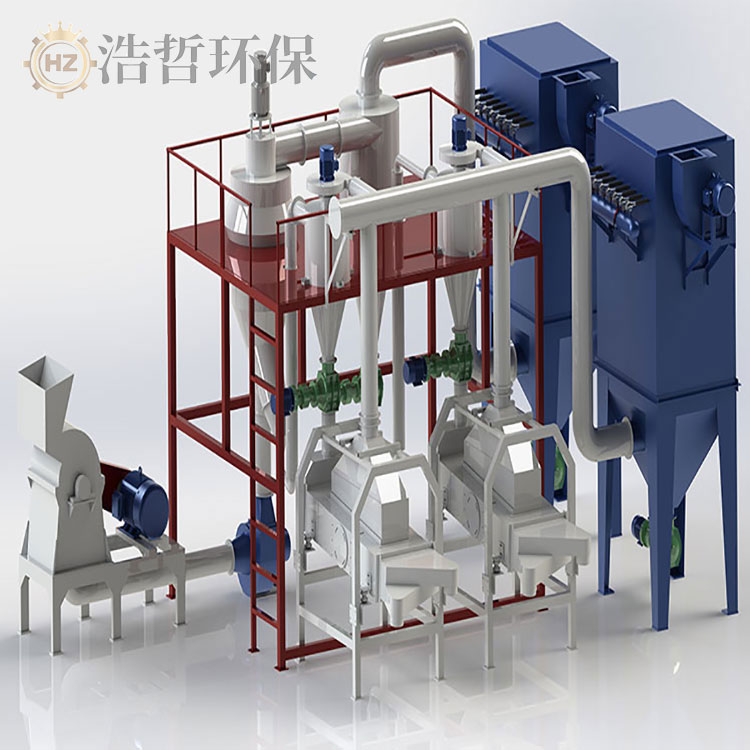
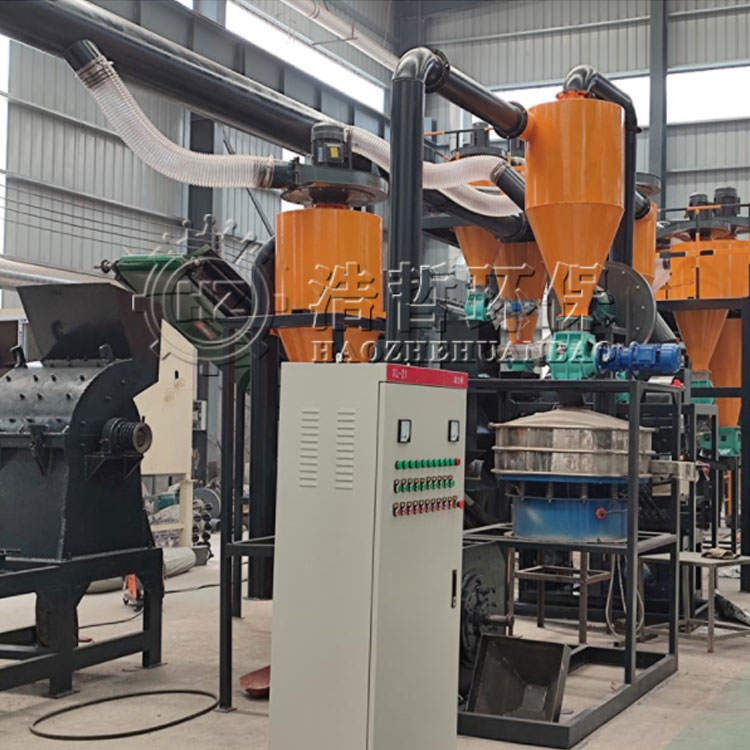
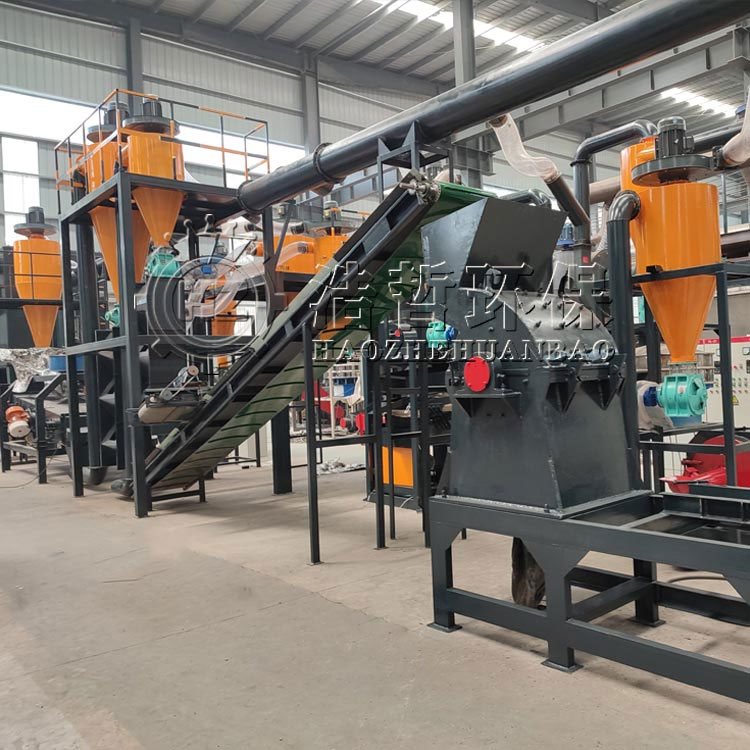
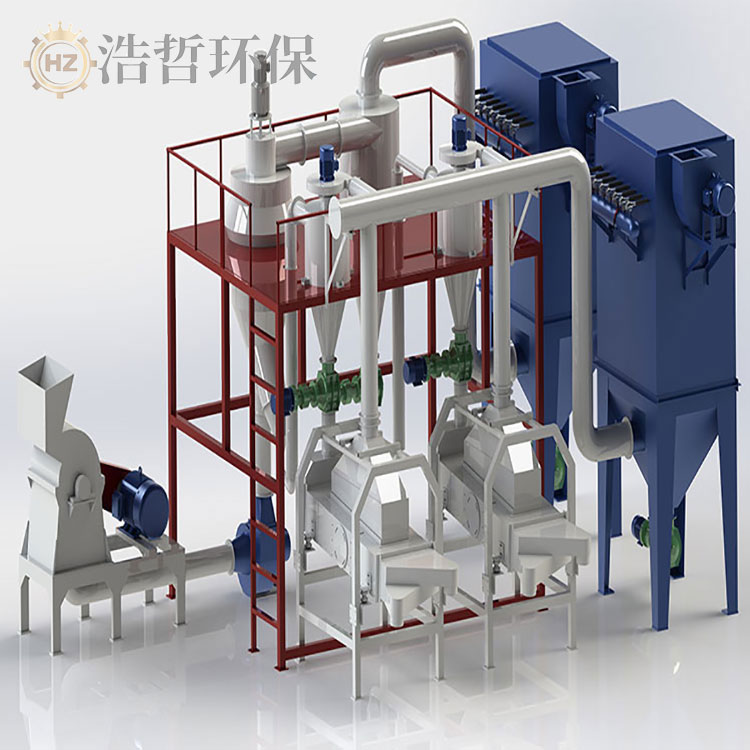
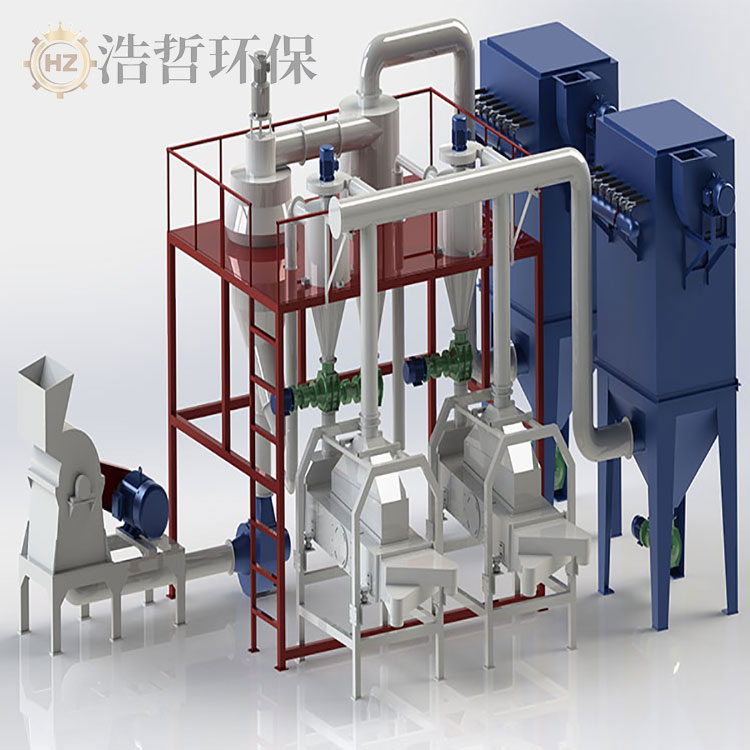
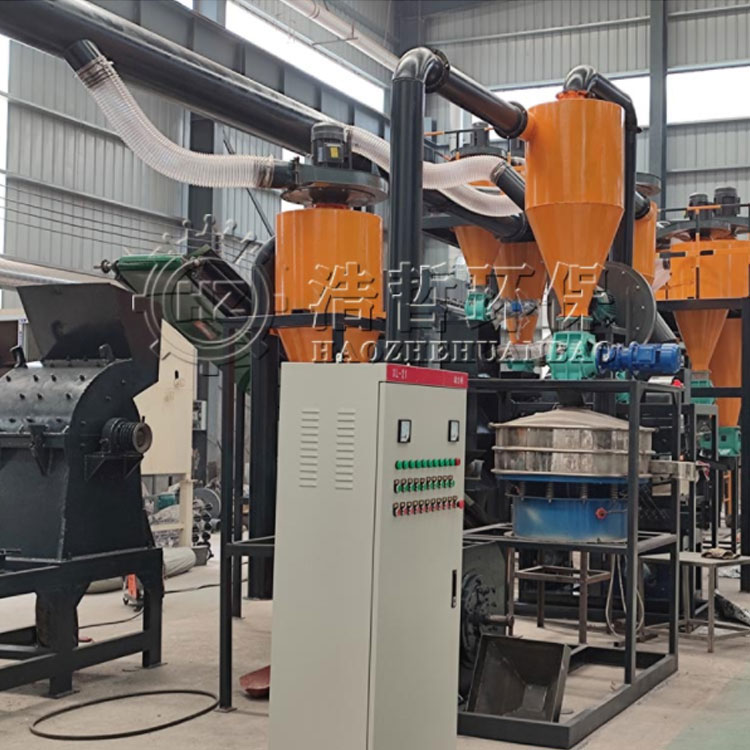
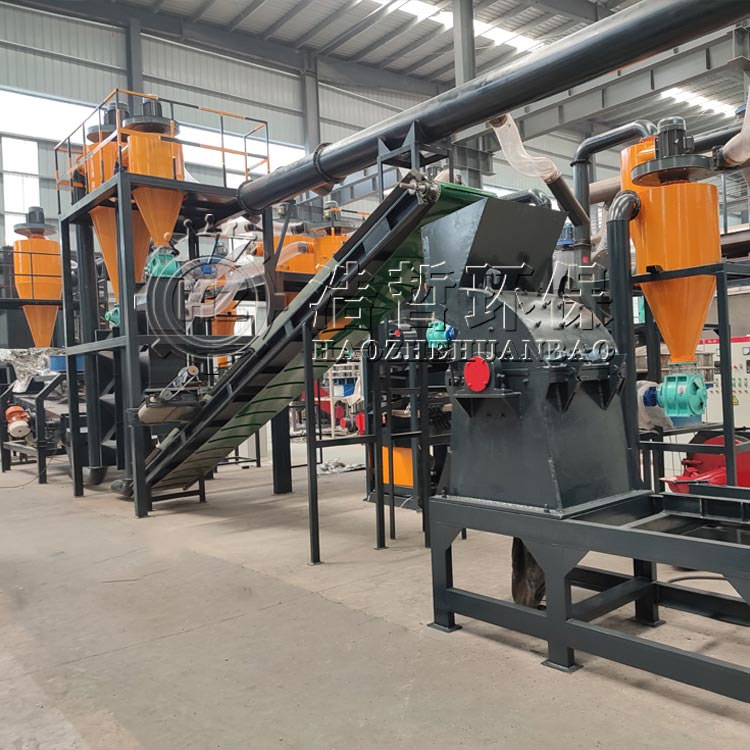
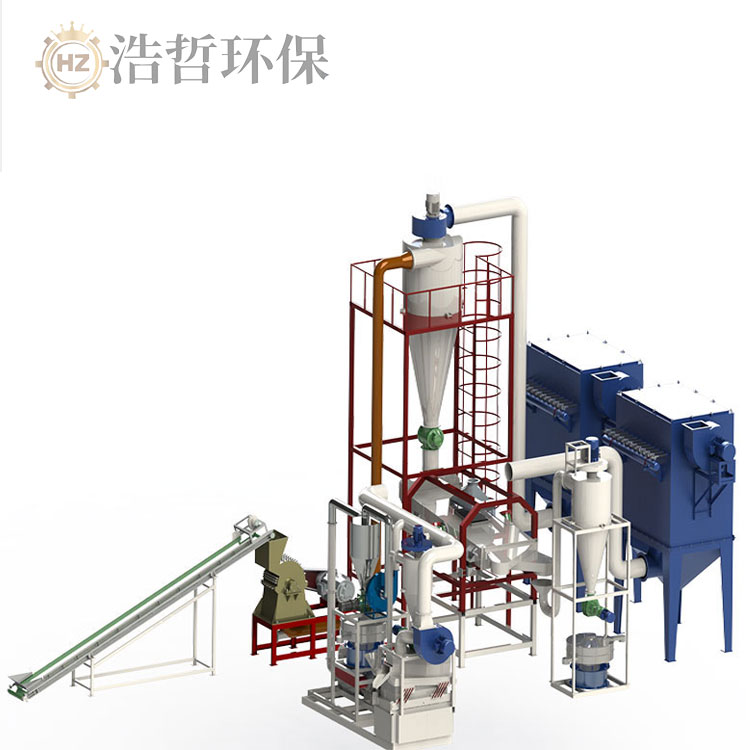
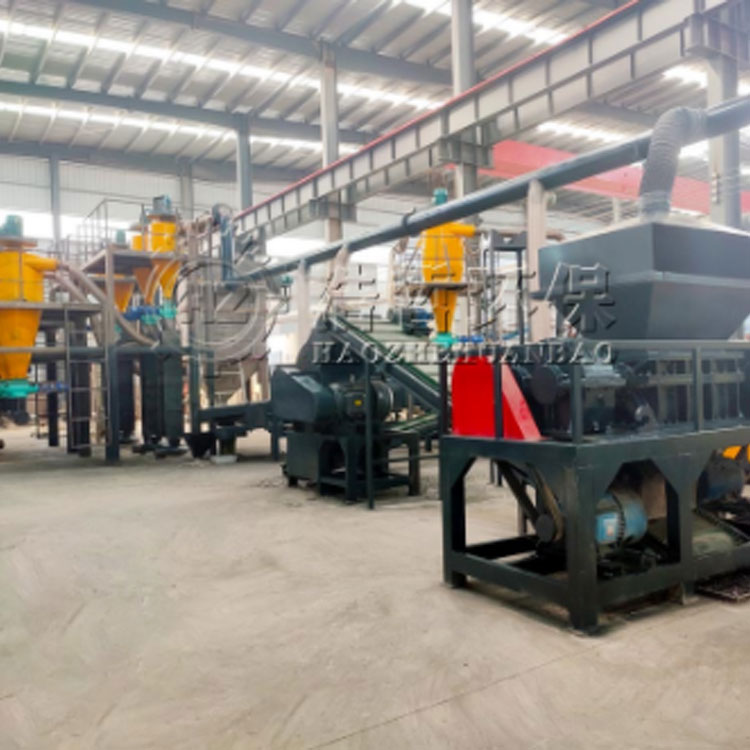
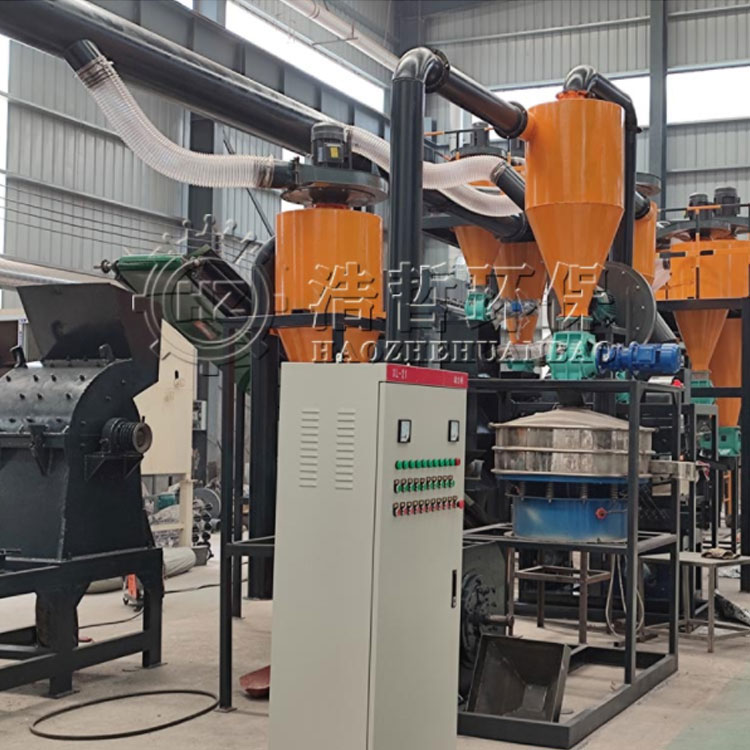
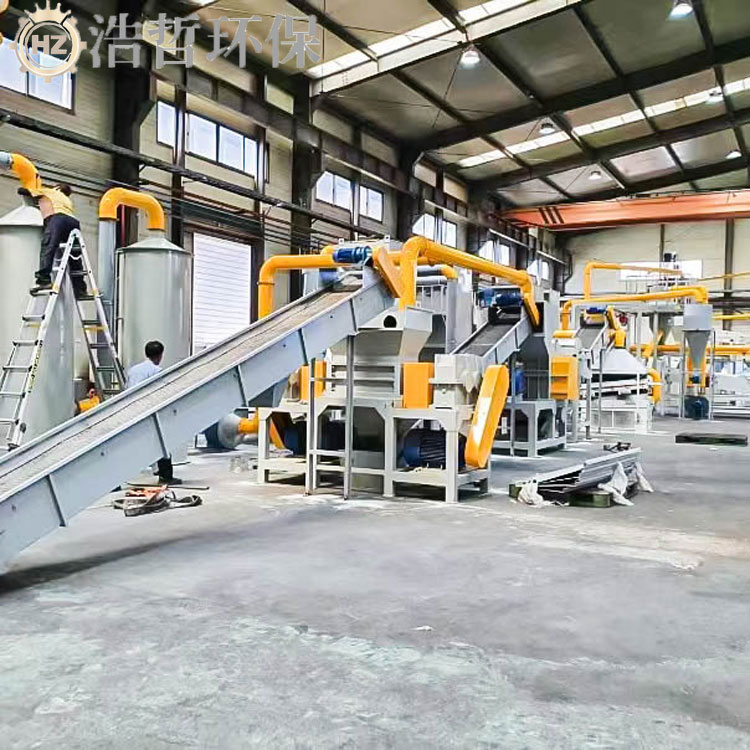
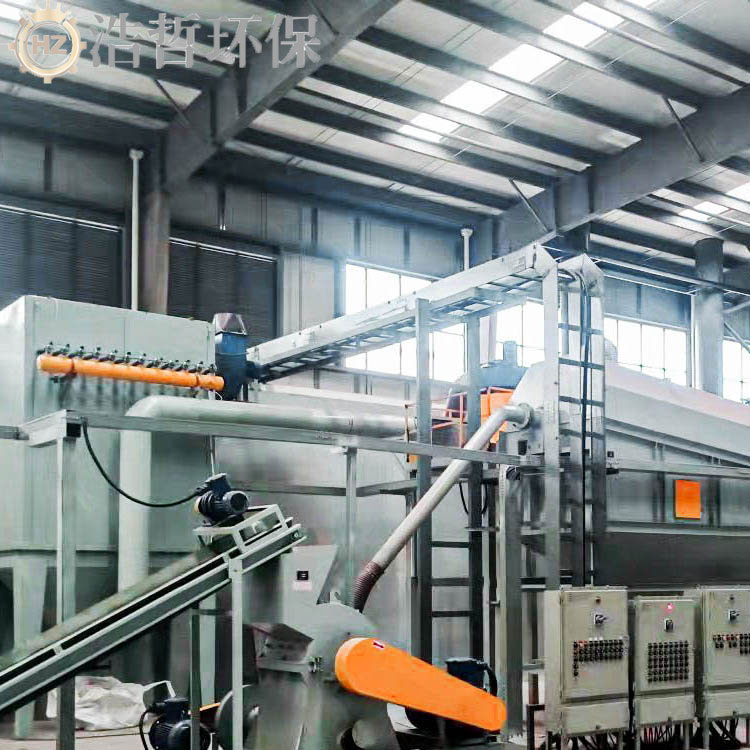
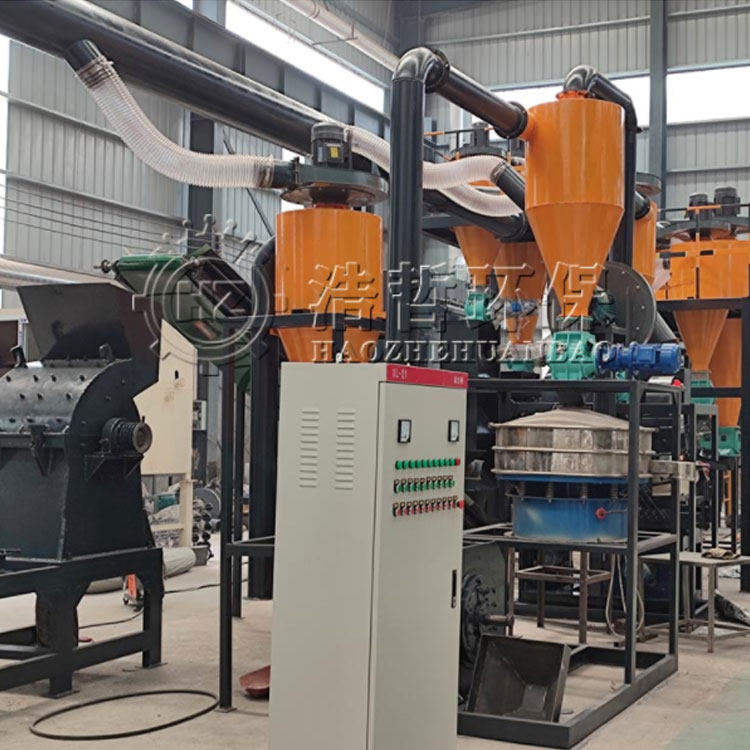
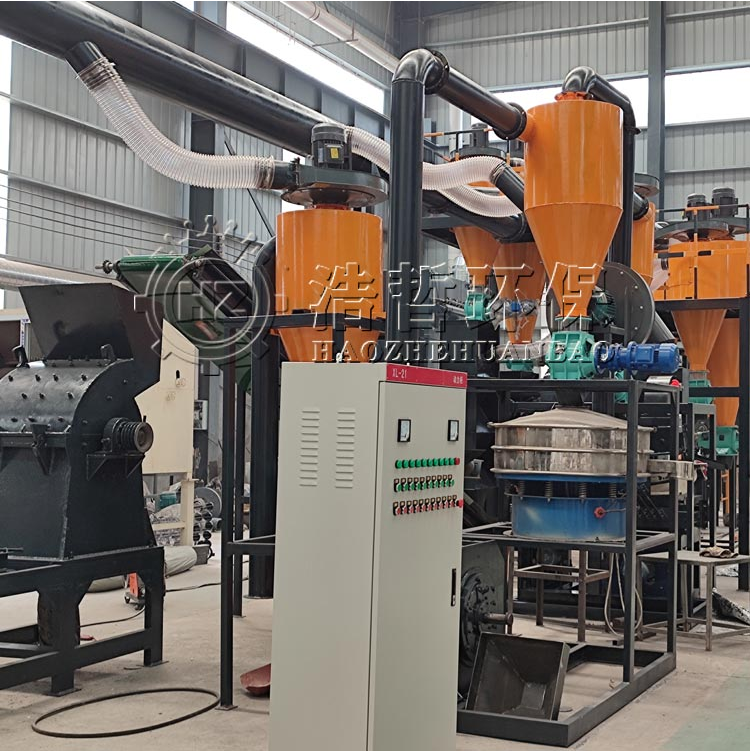
Copper (about 35% content) in the anode of lithium batteries is a widely used important raw material. The carbon powder adhered to it can be used as an additive in plastics, rubbers, etc. Therefore, effectively separating the composition materials of the spent lithium battery anode is a driving force for maximizing the resource utilization of spent lithium batteries and eliminating their corresponding environmental impact. Common methods for the resource recovery of spent lithium batteries include hydrometallurgy, pyrometallurgy, and mechanical physical methods. Compared to hydrometallurgy and pyrometallurgy, the mechanical physical method does not require chemical reagents and has lower energy consumption, making it an environmentally friendly and efficient method. Based on the structural characteristics of the lithium battery anode, the recovery equipment for the positive and negative electrodes of lithium batteries employs a combined process of crushing, screening, and air classification to separate and enrich the materials, achieving the separation and recovery of copper, aluminum, and carbon powder from the spent lithium battery anode.