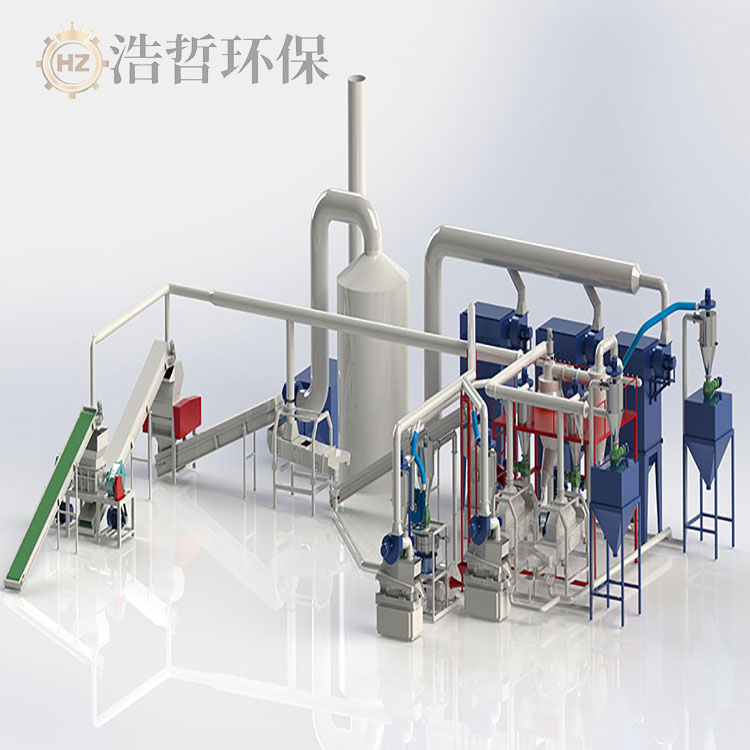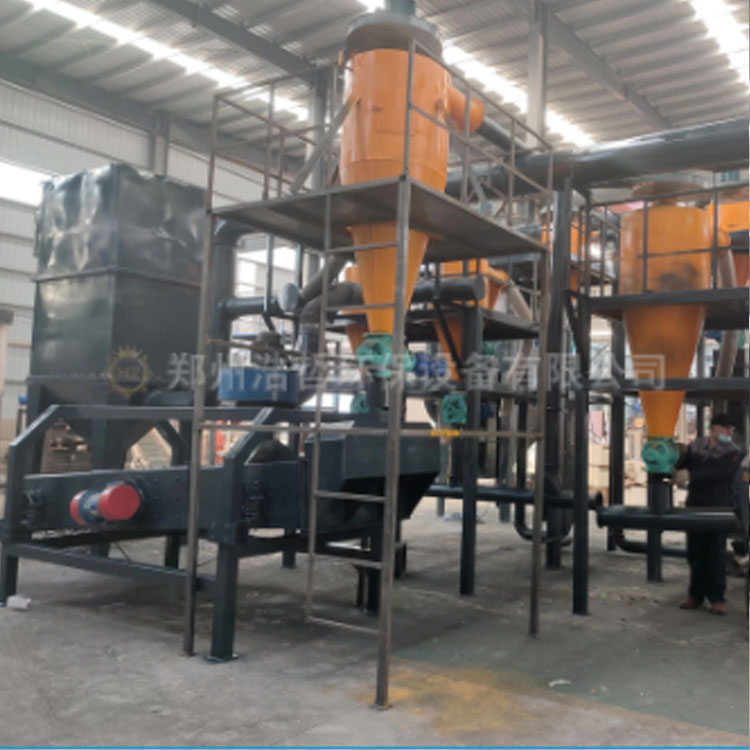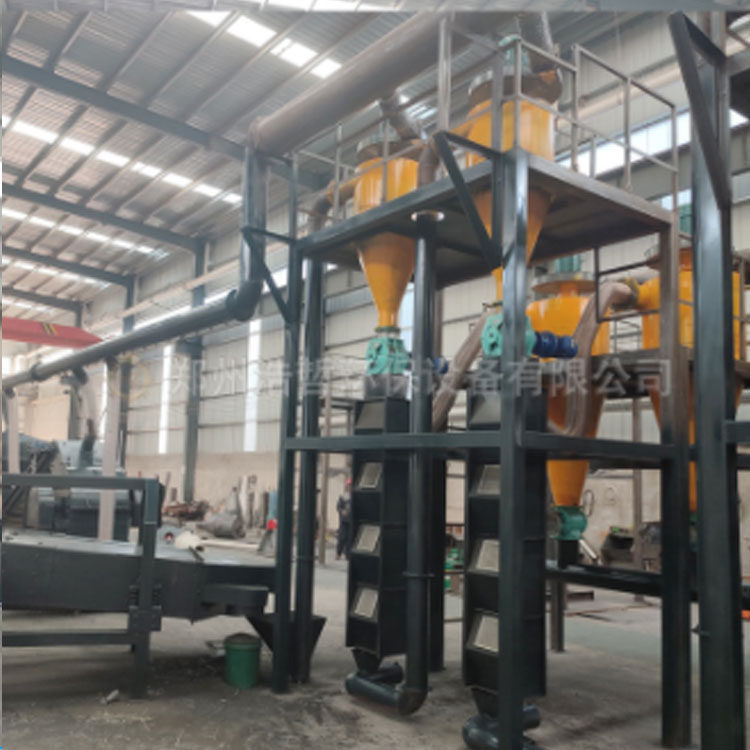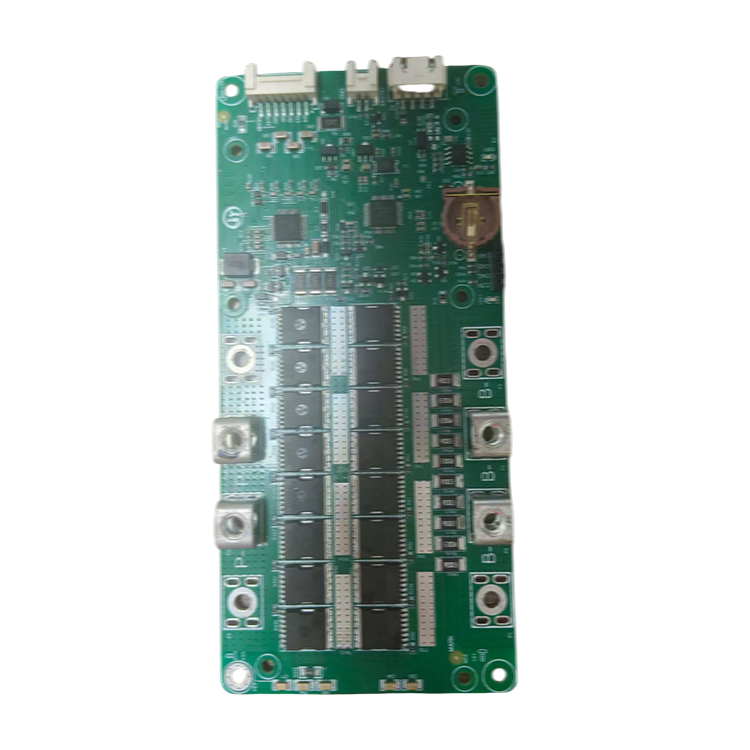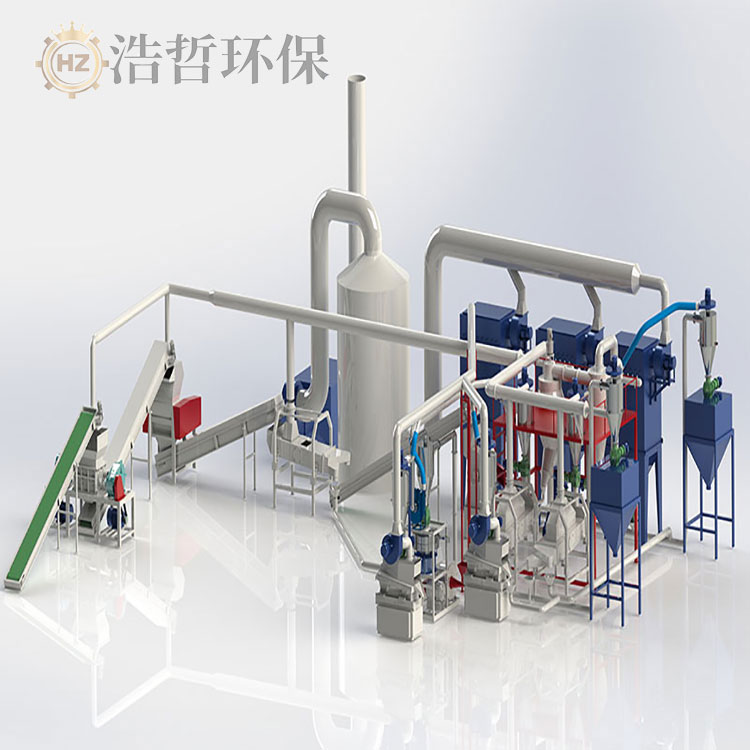

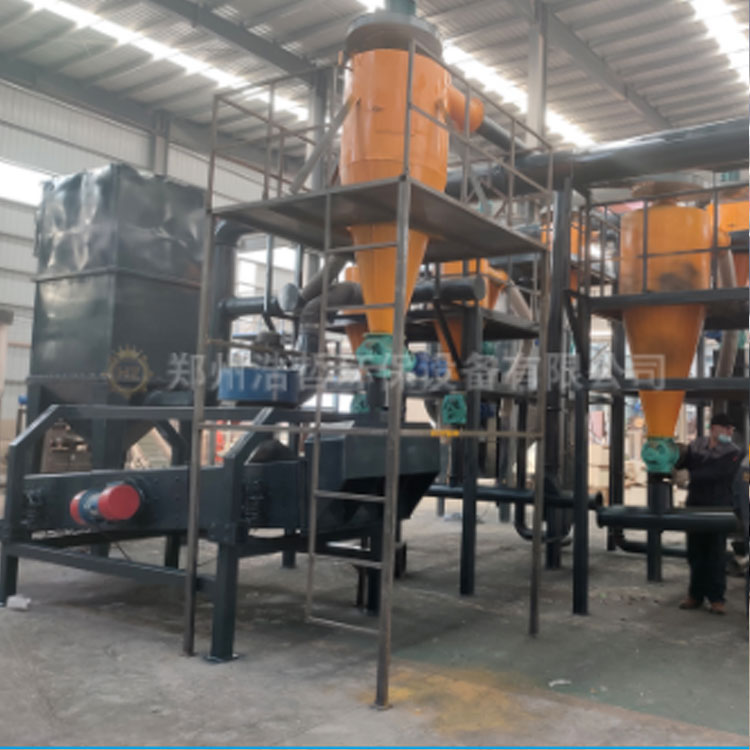
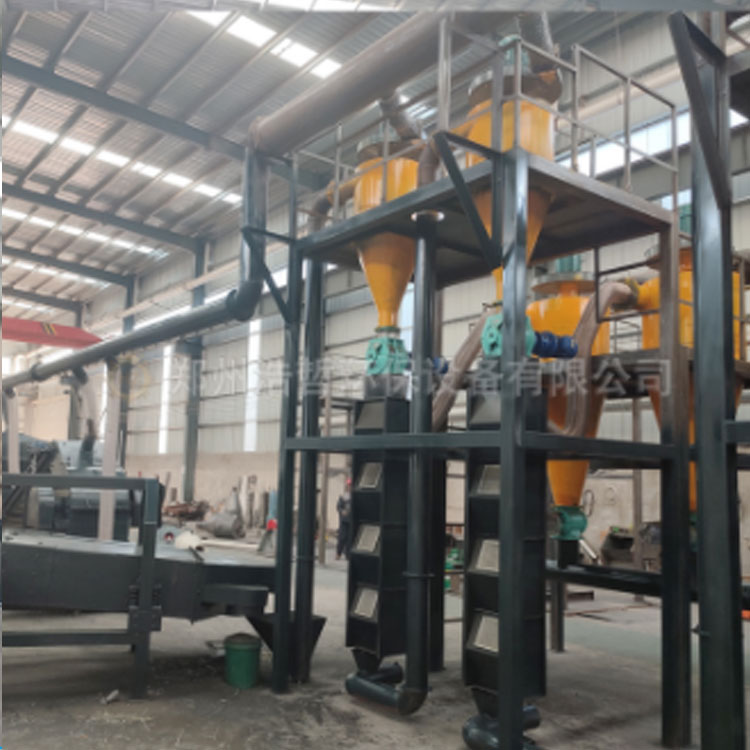


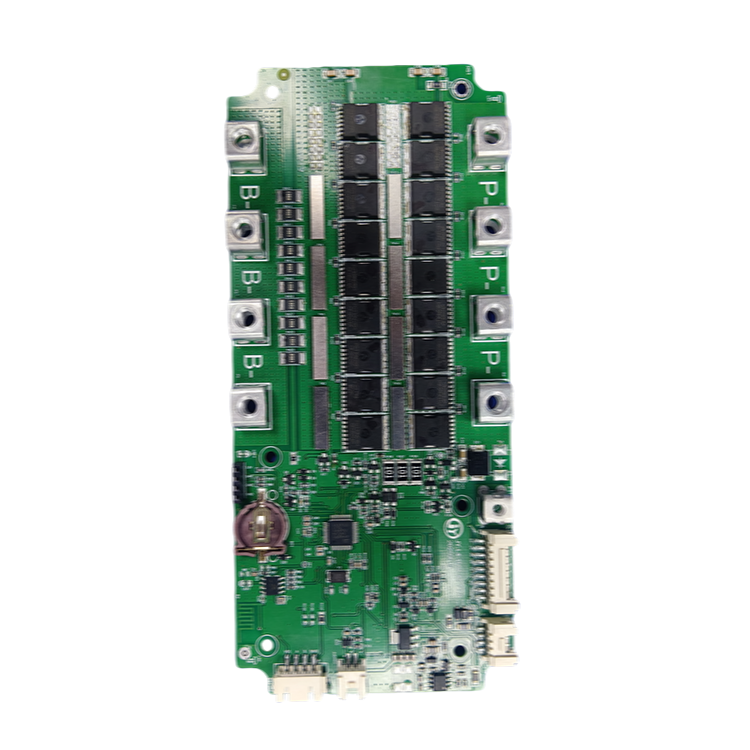





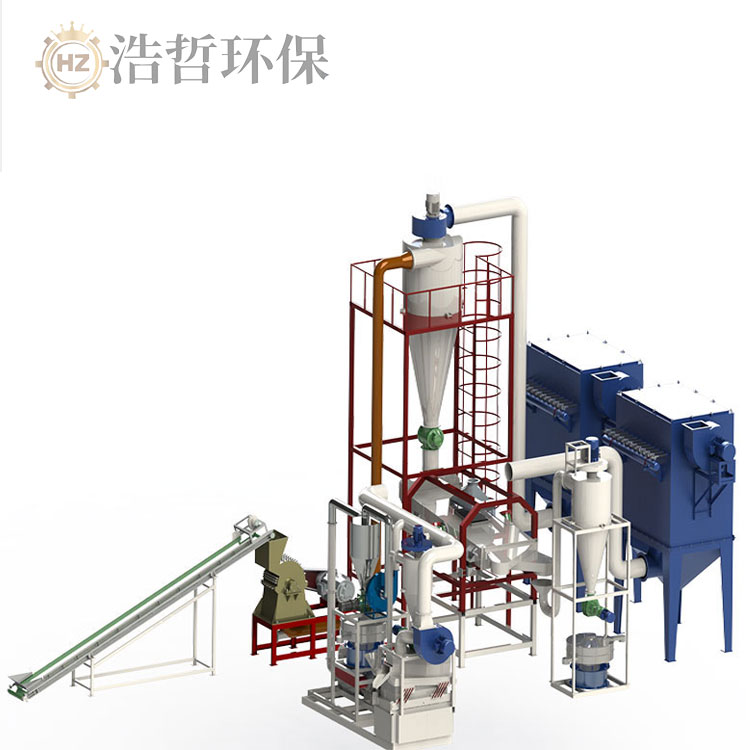
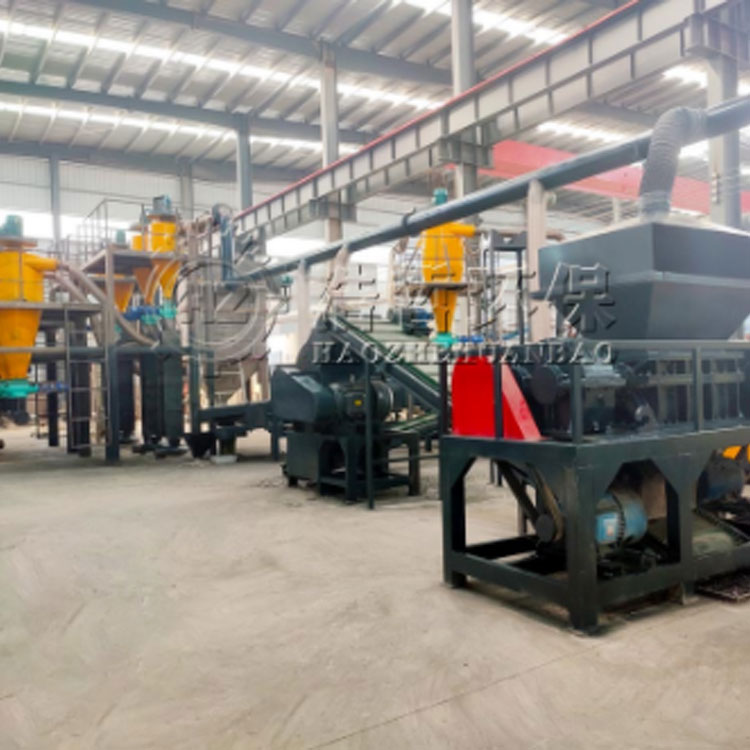
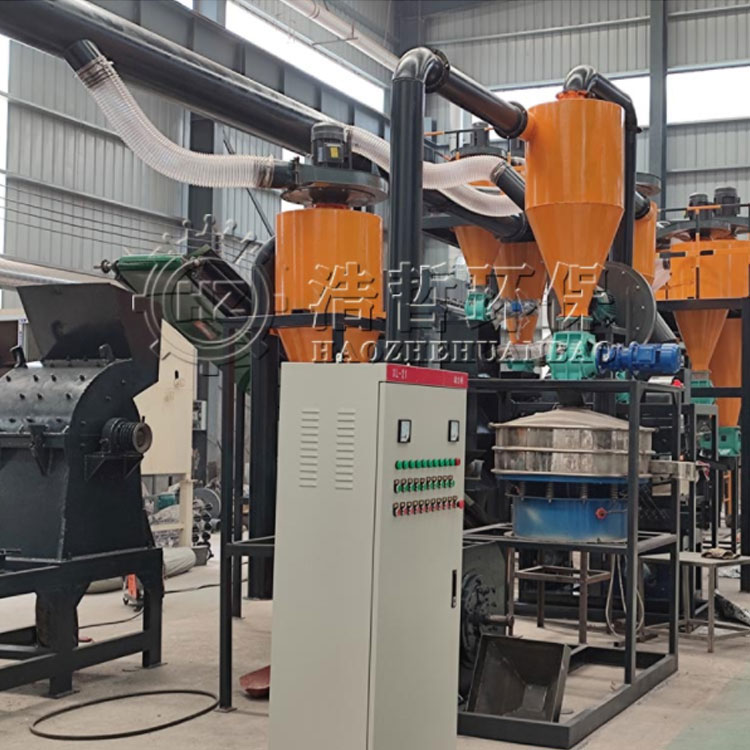
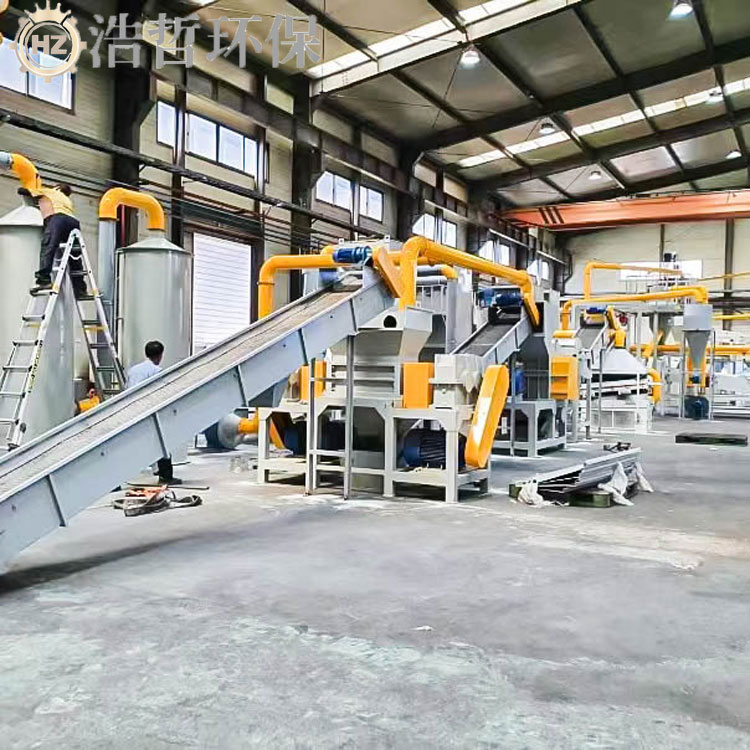
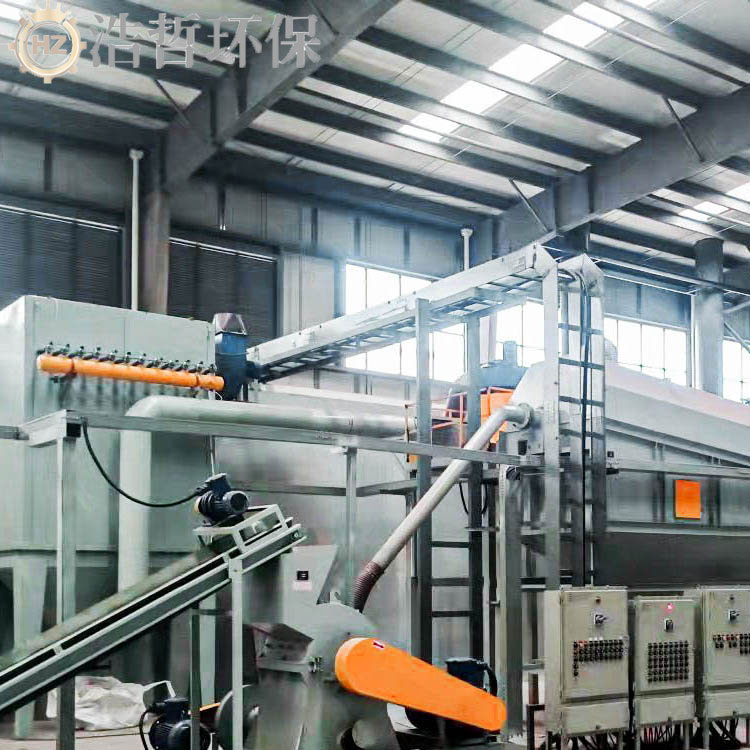
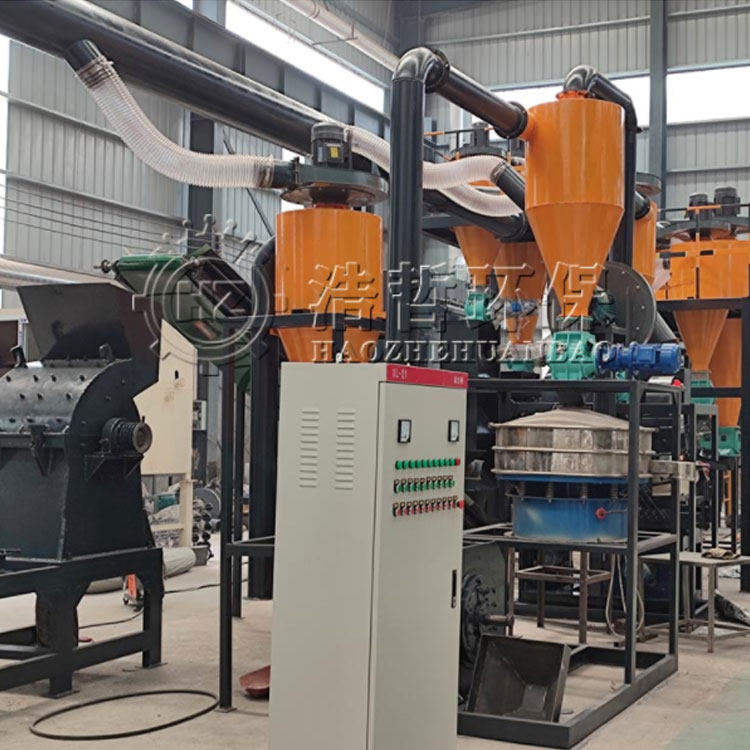
HaoZhe Environmental has gradually ventured into the production of equipment for recycling old batteries, building on its existing circuit board recycling and electrostatic separator equipment, and has developed a circular regeneration business for lithium battery recycling. The workshop is equipped with fully automated production facilities, combined with self-developed treatment technology, ensuring that the old battery disposal process is green, environmentally friendly, and nearly zero pollution.
The current situation presents a rapid development opportunity in the recycling industry of waste batteries. Cobalt, lithium, copper, and plastics found in waste lithium batteries are valuable resources with high recycling value. Therefore, the scientific and effective treatment of waste lithium batteries not only yields good environmental benefits but also offers significant economic returns. Lithium batteries are primarily composed of the shell, cathode, anode, electrolyte, and separator. The cathode is formed by applying lithium cobalt oxide powder to both sides of an aluminum foil collector using PVDF, which serves as a binder. The anode structure is similar to the cathode, consisting of carbon powder bonded to both sides of a copper foil collector. The effective separation of materials in the anode of waste lithium batteries is crucial for maximizing resource recovery and has a positive impact on the environment. Common methods for resource recovery of waste lithium batteries include hydrometallurgy, pyrometallurgy, and mechanical physical methods. Compared to hydrometallurgy and pyrometallurgy, mechanical physical methods do not require chemical reagents and have lower energy consumption, making them environmentally friendly and highly efficient. Haozhe Environmental Protection uses a combination of hammer impact crushing, vibration screening, and air classification to separate and recycle the materials in the anode of waste lithium batteries, including the copper foil and carbon powder collector materials.
Features of Lithium-ion Battery Crushing and Separation Recycling Equipment:
1. A combination of hammer vibration crushing, vibration screening, and air classification allows for the resource utilization of copper and carbon powder from waste lithium battery anode materials.
2. The anode material, after being crushed by hammer vibration, effectively achieves the separation of carbon powder from copper foil. Subsequently, based on the size and shape differences between particles, the vibration and screening process allows for an initial separation of the copper foil and carbon powder. The results of the hammer vibration separation and screening separation show that copper and carbon powder are respectively enriched in particle sizes greater than 0.250 mm and less than 0.125 mm, with grades as high as 92.4% and 96.6%, respectively, which can be directly sent to downstream enterprises for recycling and utilization.
3. For crushed particles with a particle size of 0.125~0.250 mm and low copper grade, air classification can effectively separate copper from carbon powder. A good recovery can be achieved at an air velocity of 1.00 m/s, with a copper recovery rate of up to 92.3% and grade reaching 84.4%.
4. The equipment is primarily used by lithium-ion battery manufacturers for separating aluminum foil, copper foil, and anode/cathode materials from scrapped anode/cathode sheets, for the purpose of recycling. The complete set of equipment operates under a vacuum condition, ensuring no dust leakage.
Processing Capacity: 500kg-1,000kg/h
Application Range: Mobile Phone Lithium Batteries, Power Lithium Batteries, Cathode Sheets, Anode Sheets
Component Parts: Crushing, Wind Sorting, Density Sorting Equipment
Lithium-ion battery anode processing equipment working principle:
The structure and material composition of lithium battery crushing and sorting recycling equipment, particularly the material properties of copper and carbon powder, employ a combination of hammer vibration crushing, vibration screening, and air flow sorting processes to separate and recycle the negative electrode materials from waste lithium batteries.