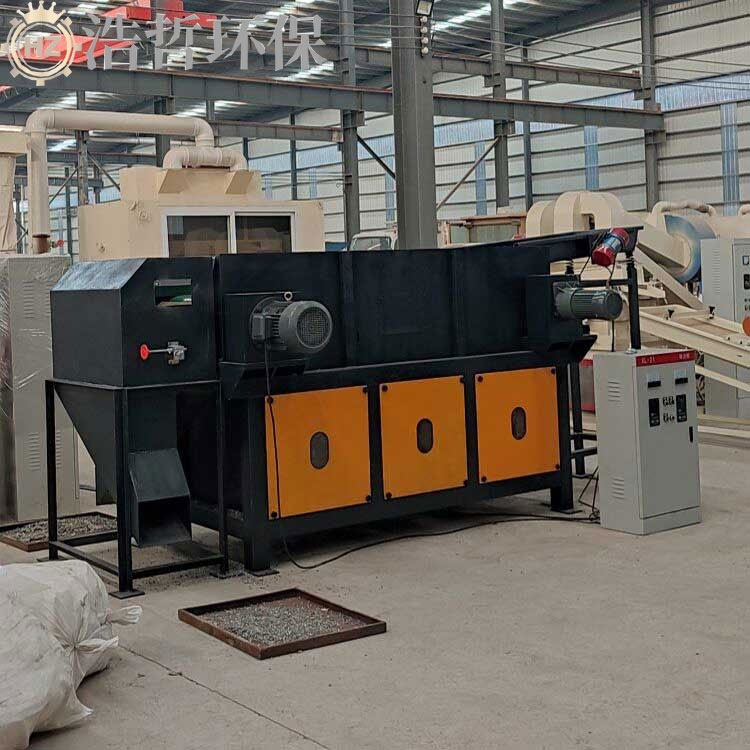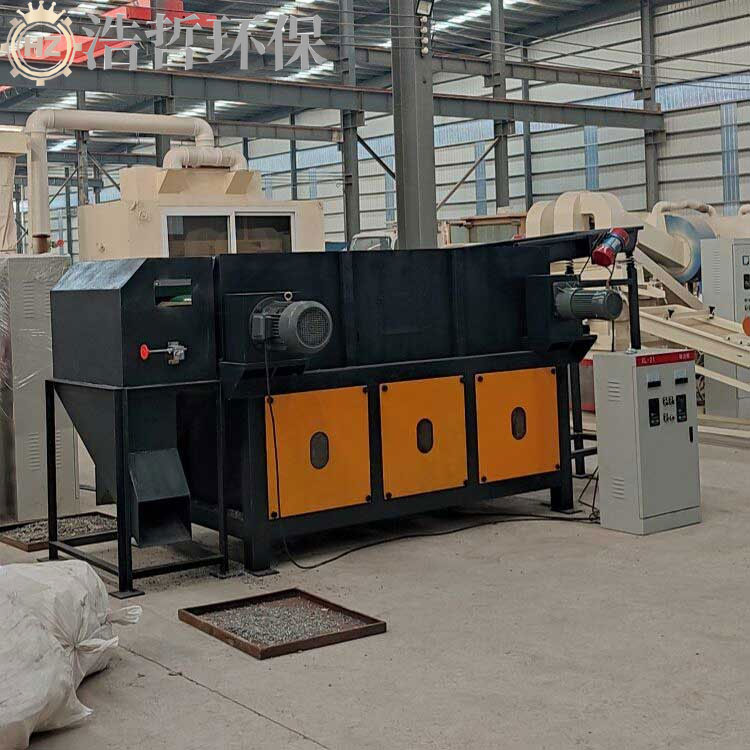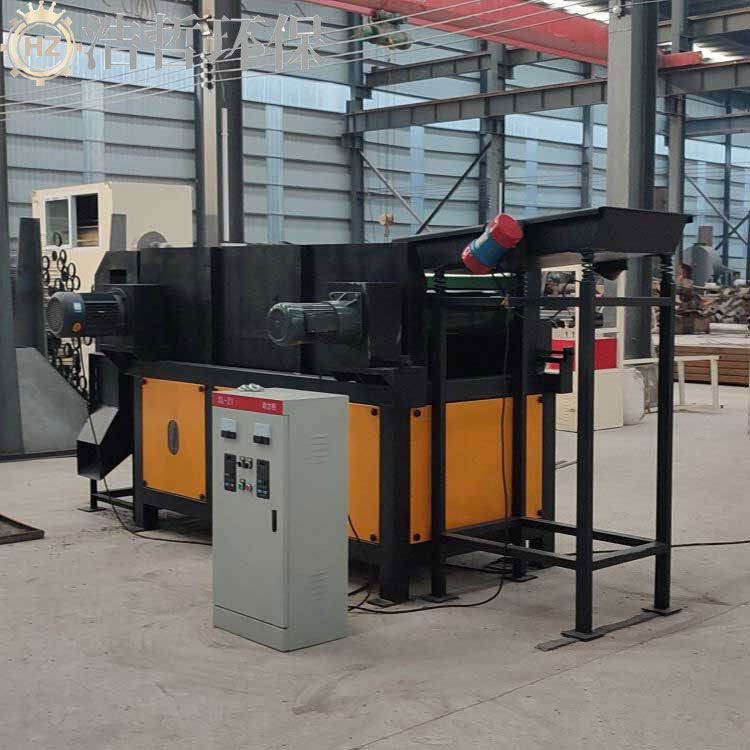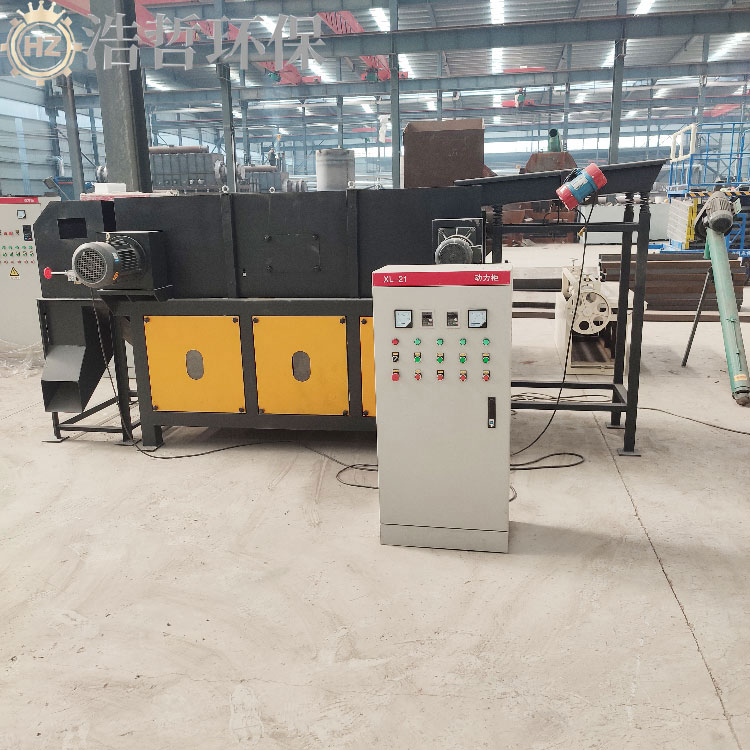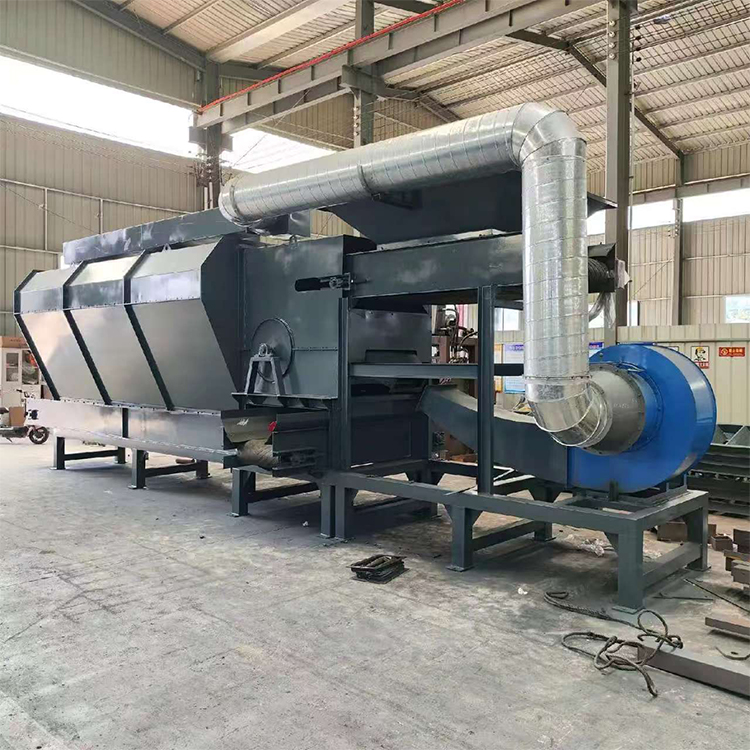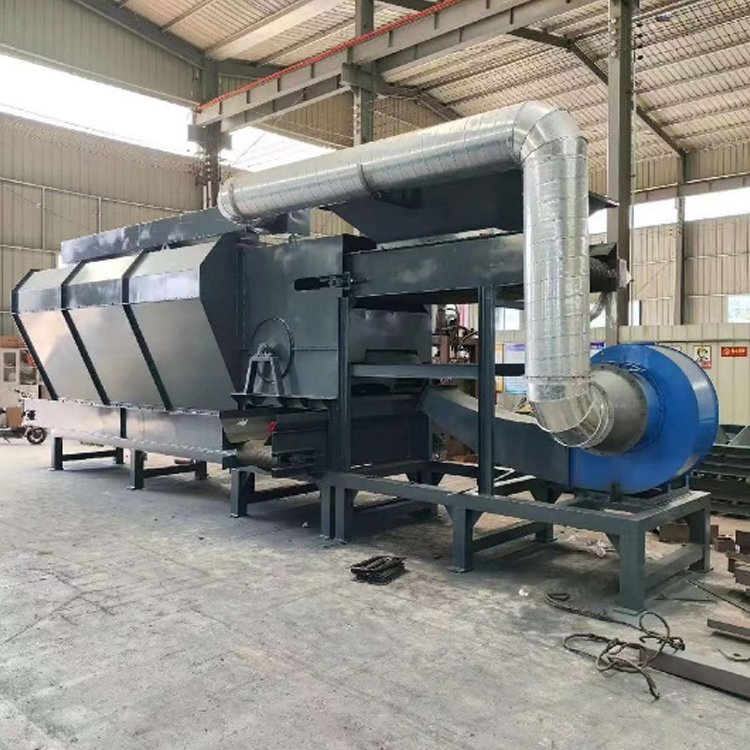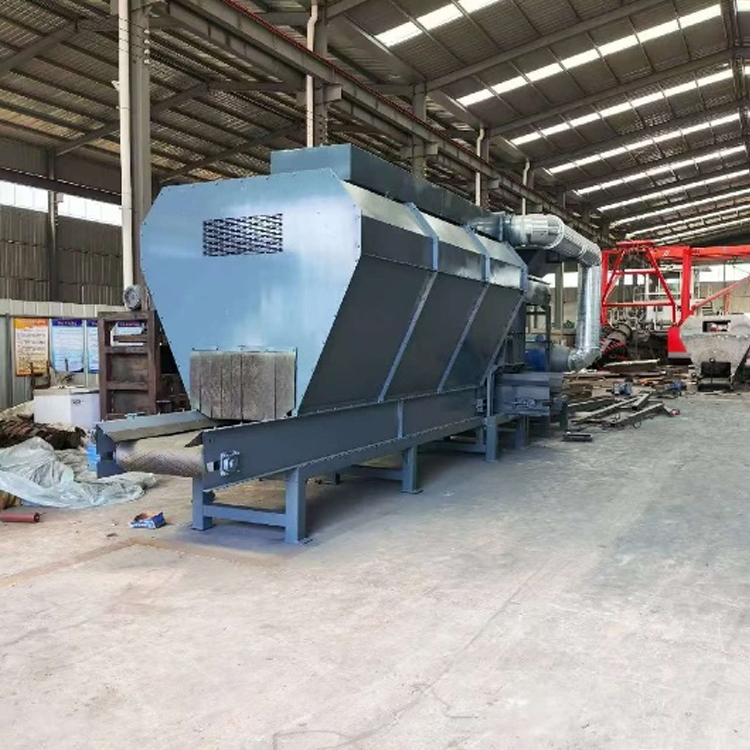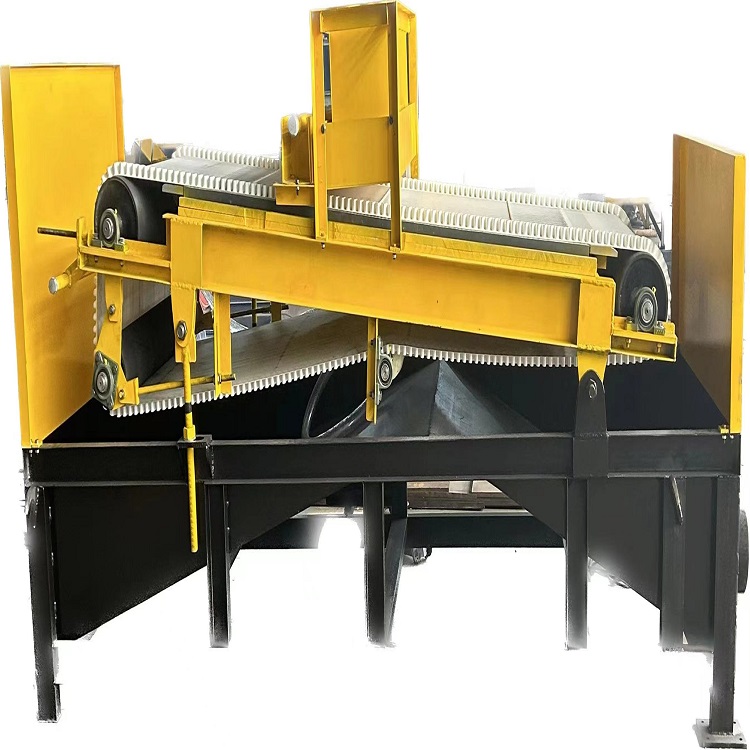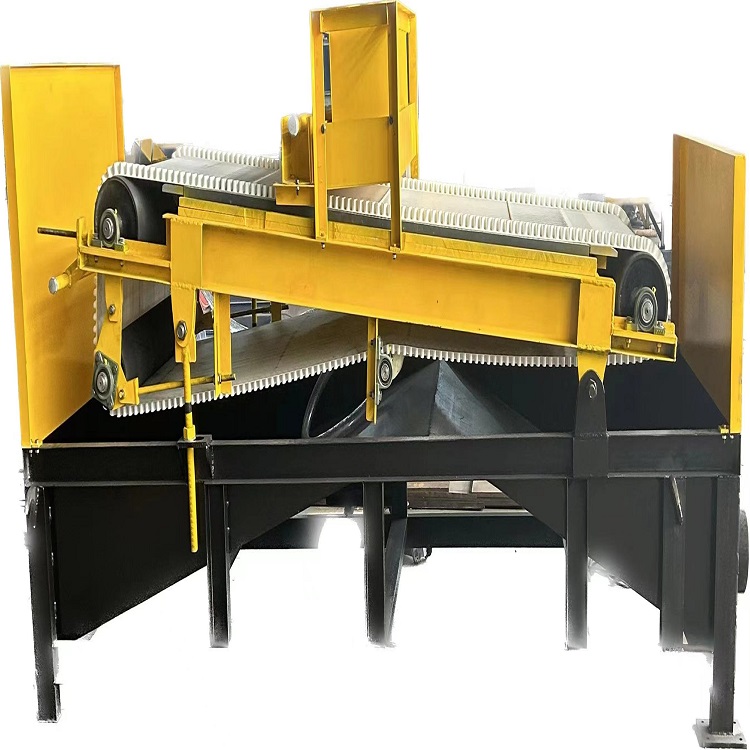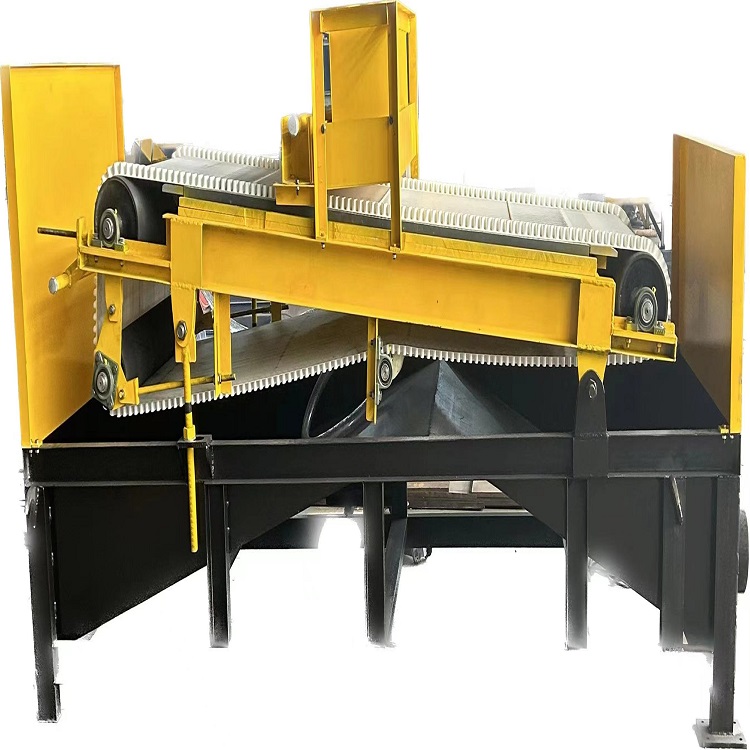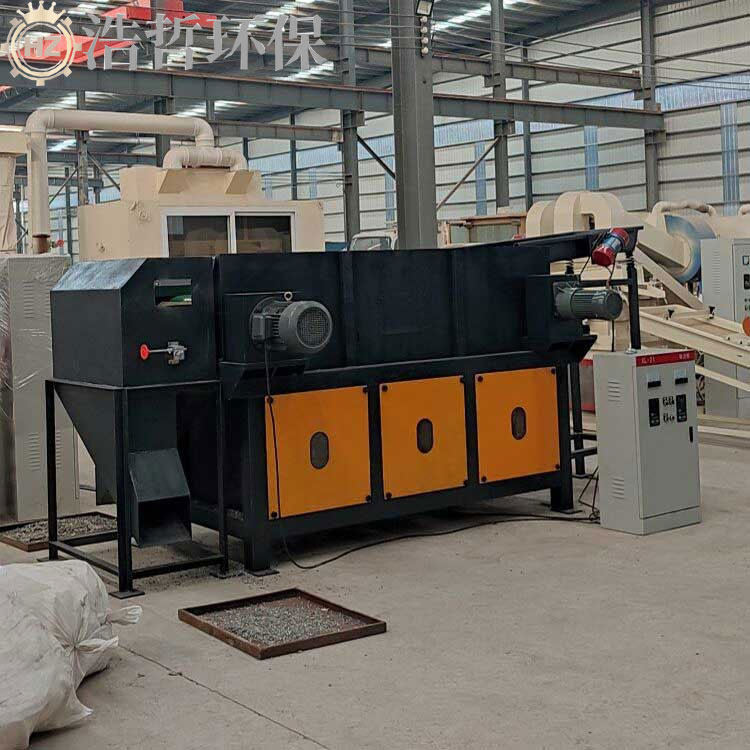

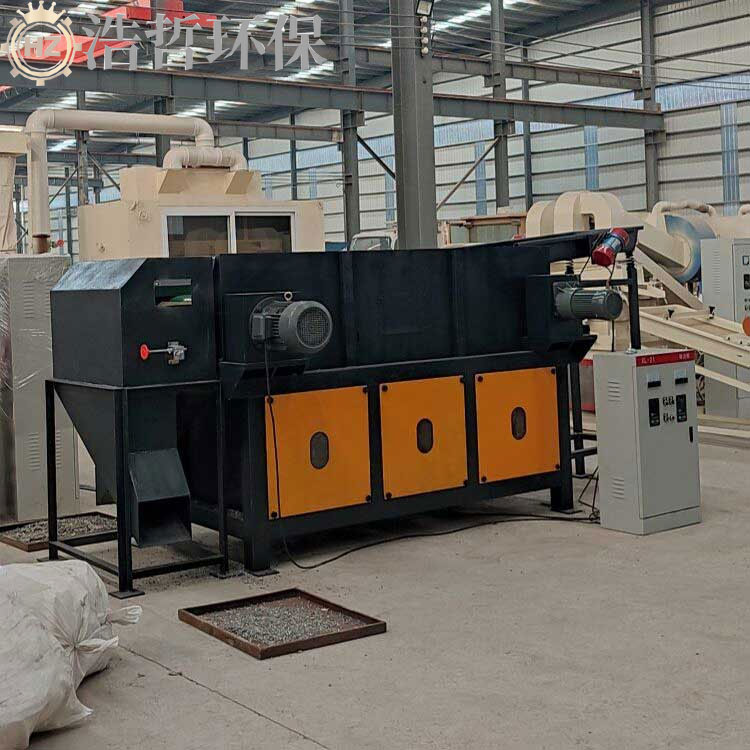
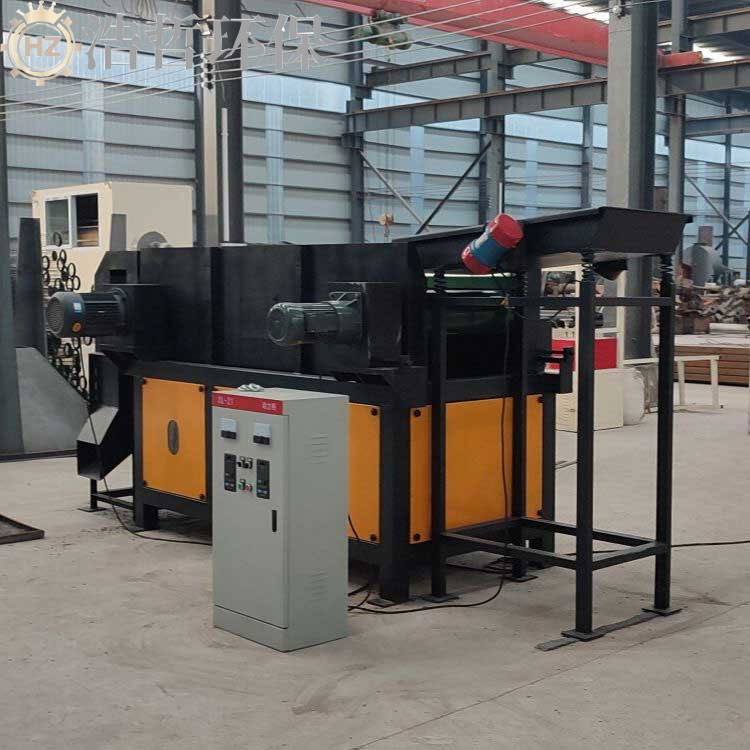


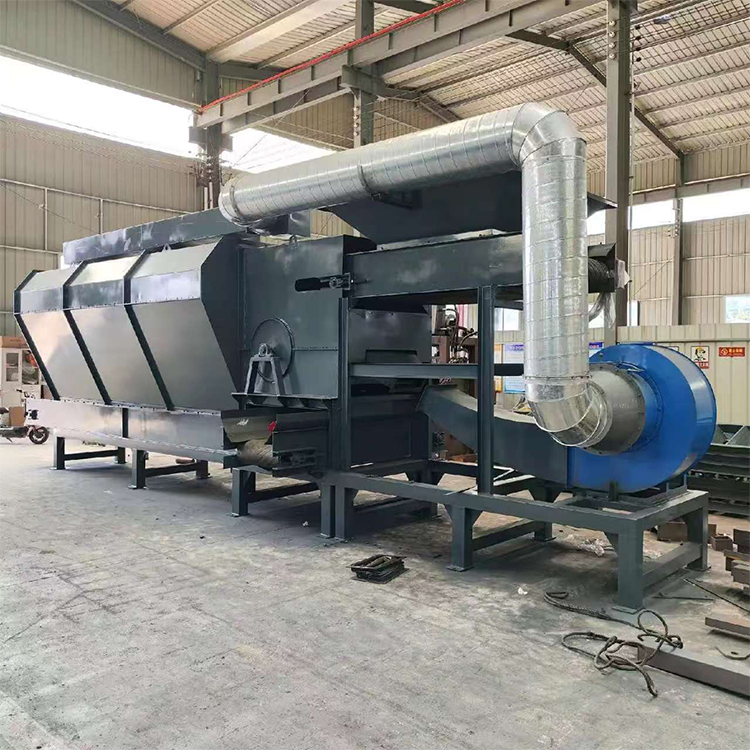






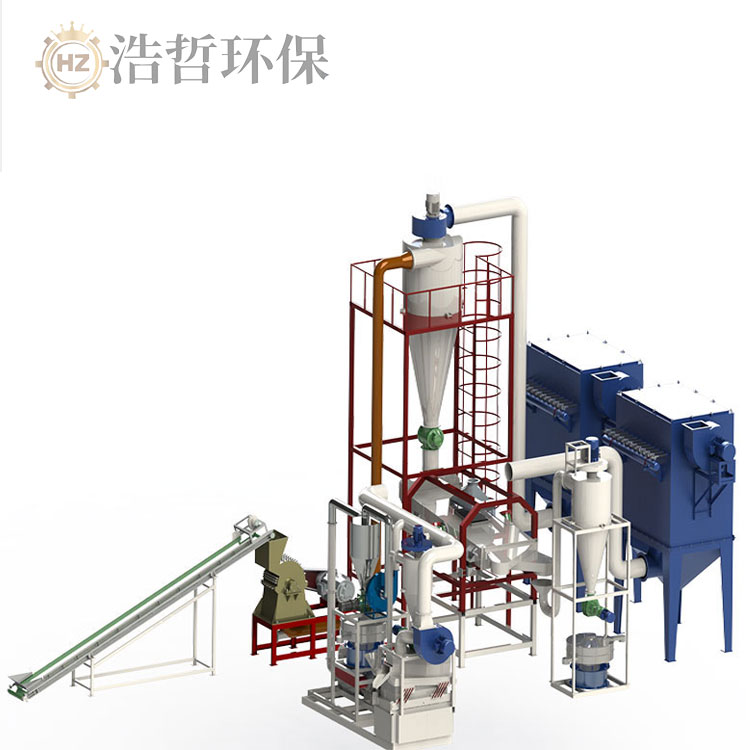
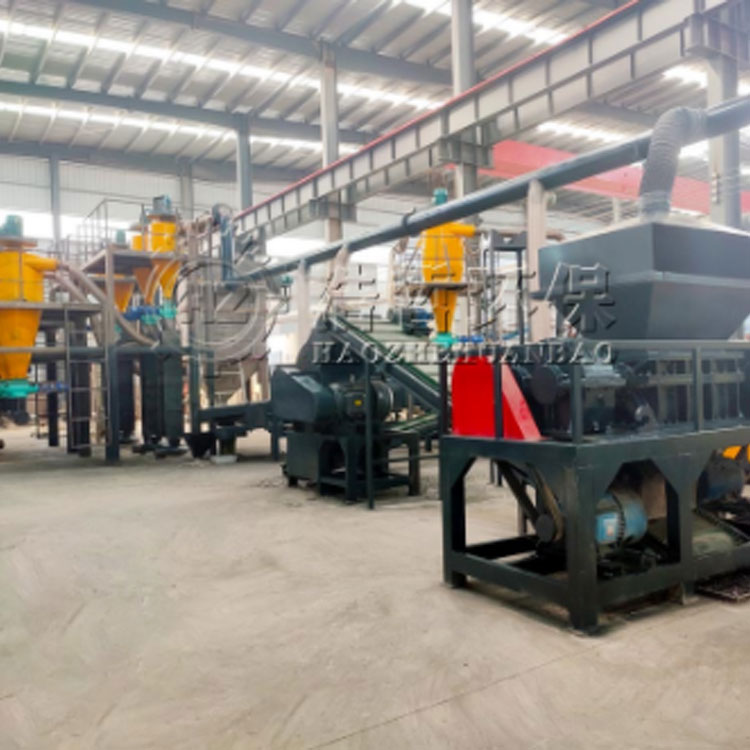
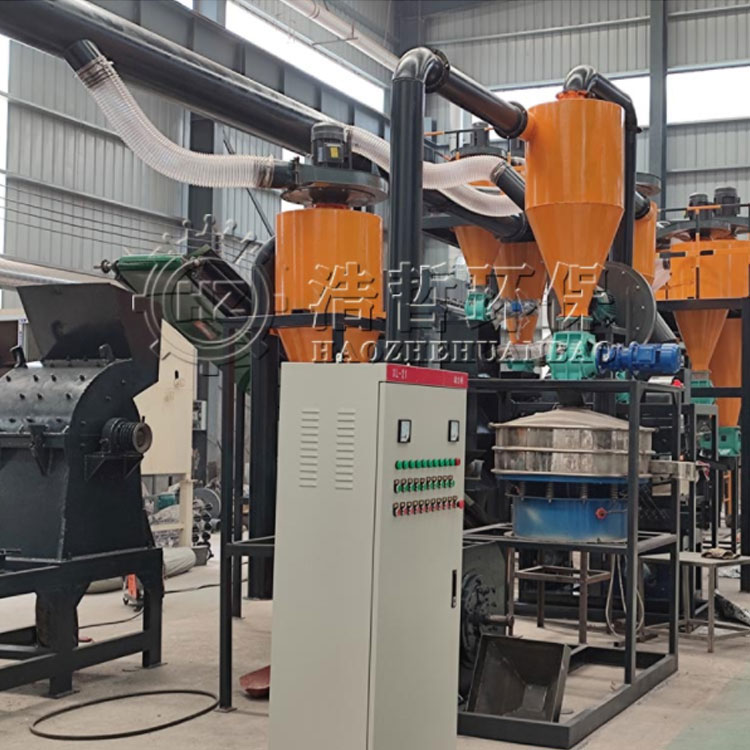
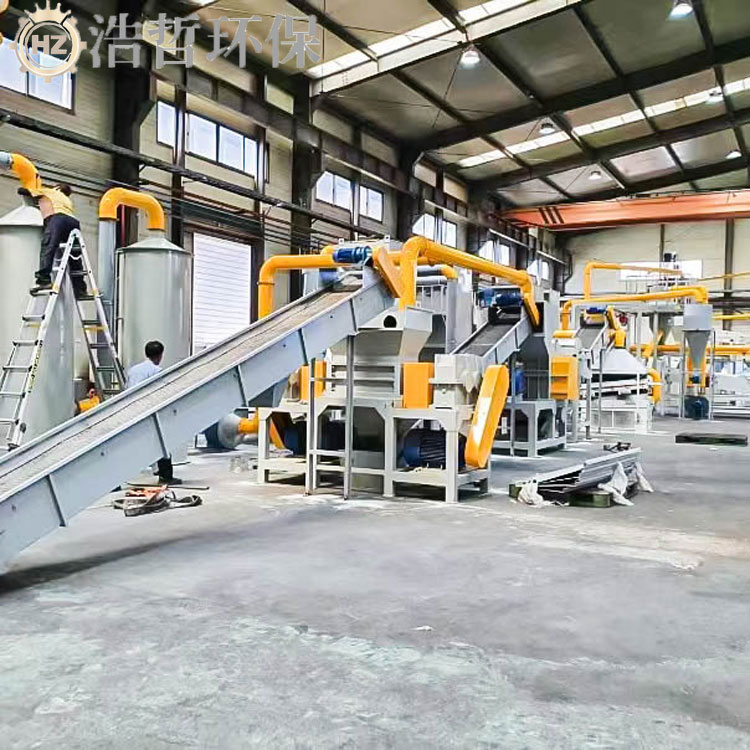
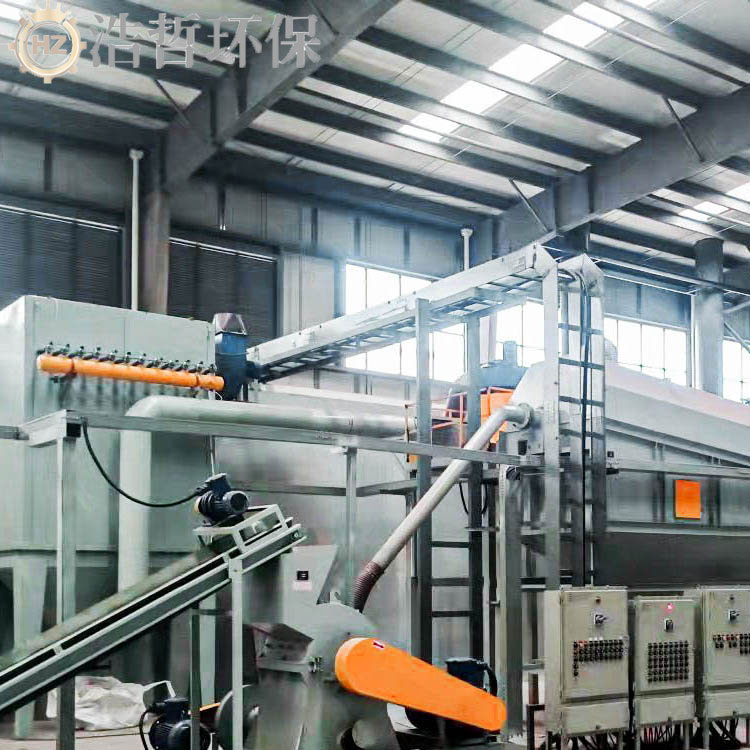
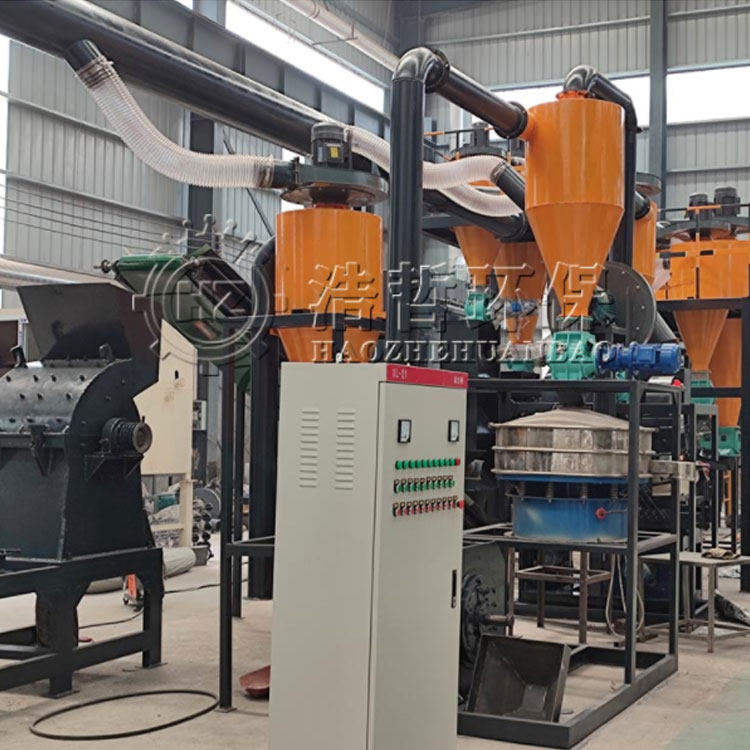
The eddy current metal separator exhibits excellent sorting efficiency for various non-ferrous metals, effectively separating non-metallic materials from non-ferrous metals, reducing labor, recovering metals, and significantly increasing added value. The separator is widely used in the sorting and processing of urban waste, industrial waste, and materials from the recycling of gold and electronic waste, metal blocks, glass fragments from old plastic windows and doors, boiler bottom ash, and shredded auto parts, including the recovery of various non-ferrous metals like copper and aluminum, as well as in material sorting for the environmental protection industry.
Advantages and Features of Eddy Current Metal Separator:
1. Equipped with an intelligent touch control cabinet system and variable frequency control, for smoother and more reliable operation.
2. Equipped with PLC programmable control, one-touch start, easy to operate.
3. The bearings are imported, offering a long service life and excellent operation.
4. Magnetic roller is equipped with an effective magnetic system protection to prevent the magnetic system from falling off during high-speed operation.
5. The entire machine is precision-engineered using special processes, resulting in low noise and vibration during operation.
6. The complete unit is equipped with various detection and alarm devices, providing real-time monitoring of each critical component's operational status.
Principle of Induction Current Metal Separator
Principle of Inductive Current Metal Separator: The non-ferrous metal separator utilizes the principle that conductors can generate induced currents in a high-frequency alternating magnetic field. When the machine operates, it generates a strong alternating magnetic field on the surface of the separator roller, which induces eddy currents within the metal blocks. The magnetic field produced by the separator acts in the opposite direction to the original field, exerting a repulsive force. This repulsive force propels the metal blocks forward, allowing the eccentric separator to achieve separation.