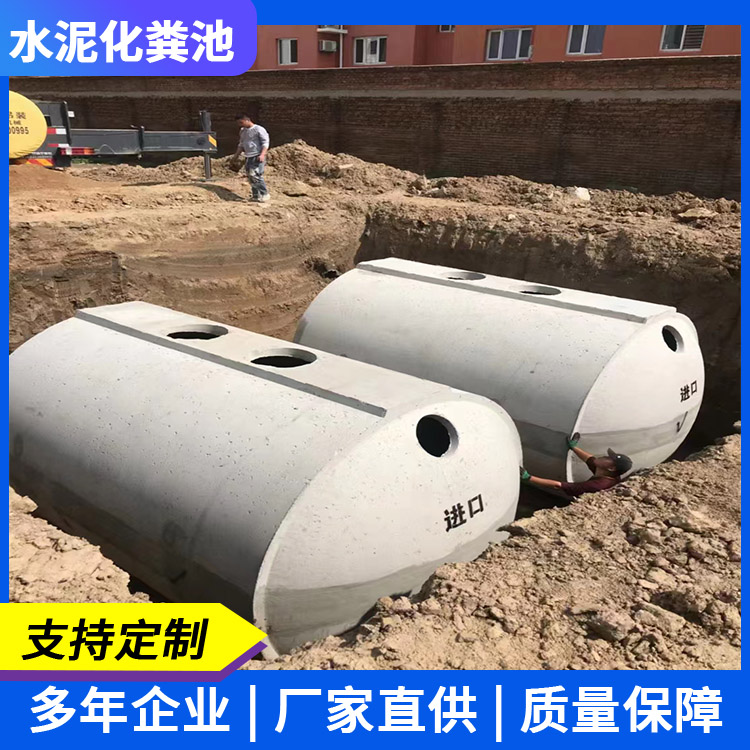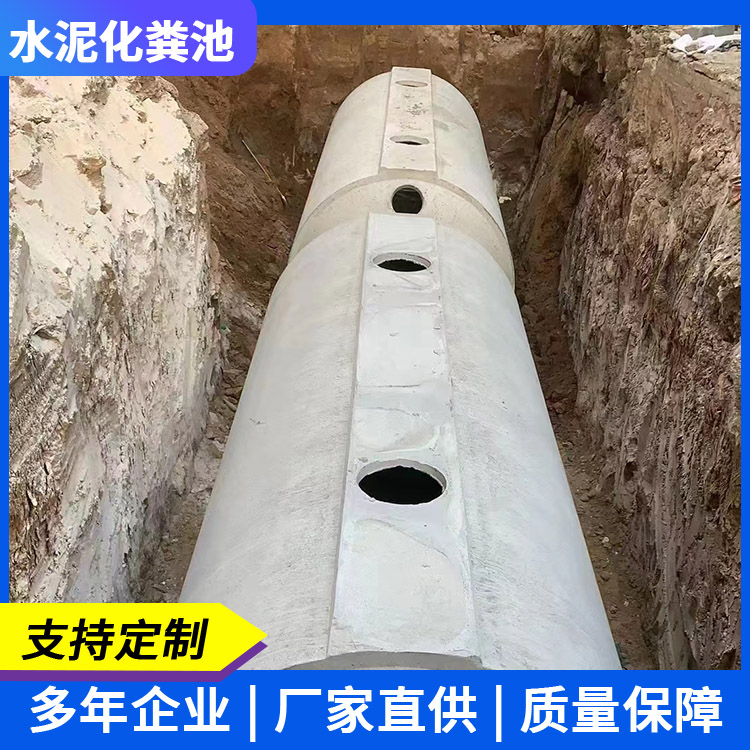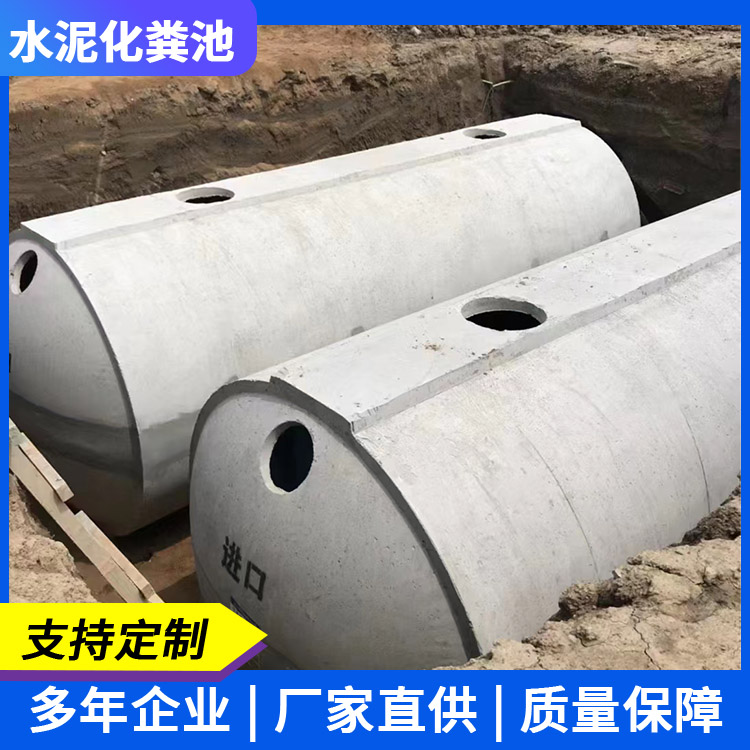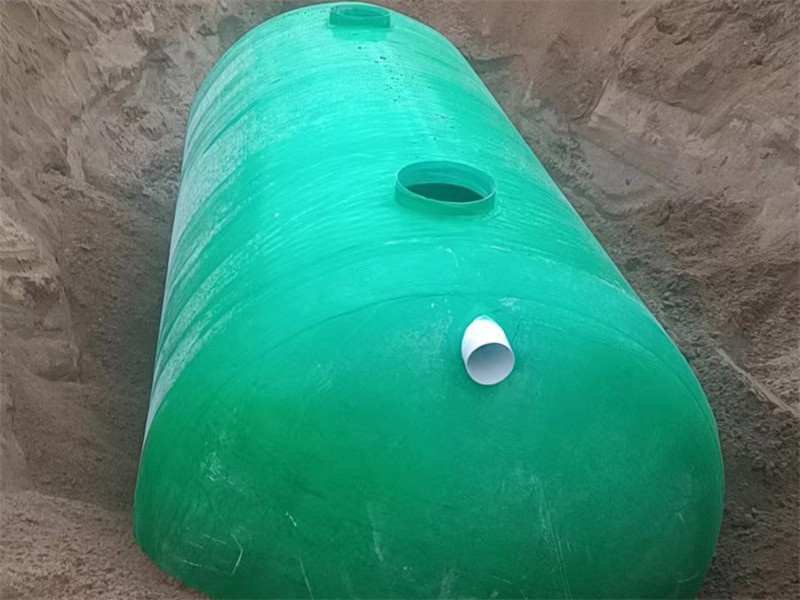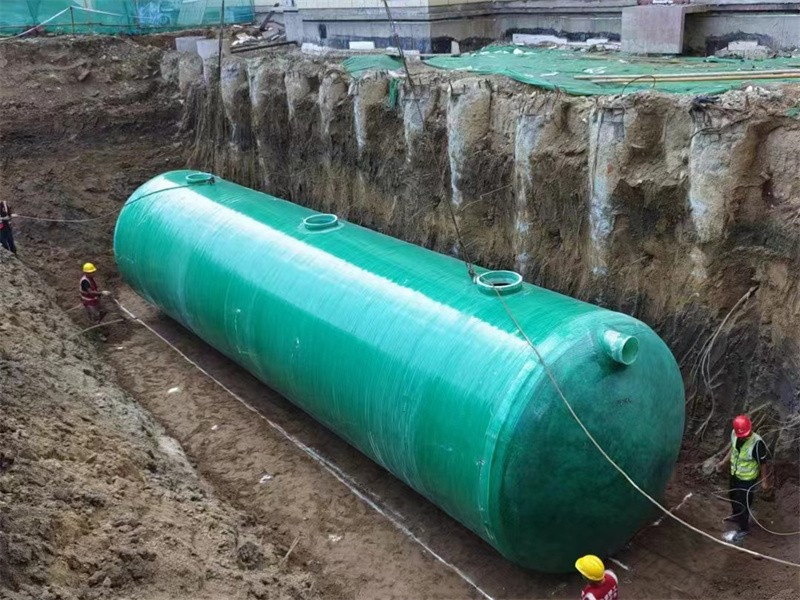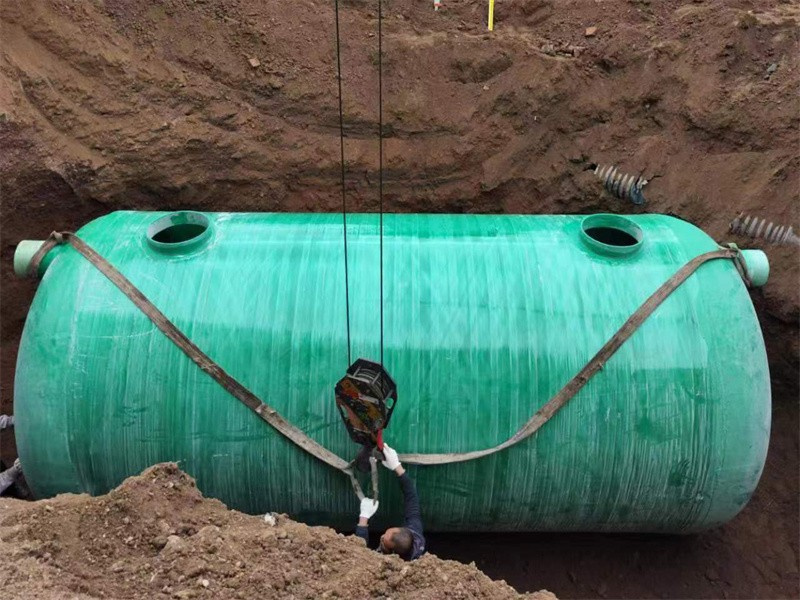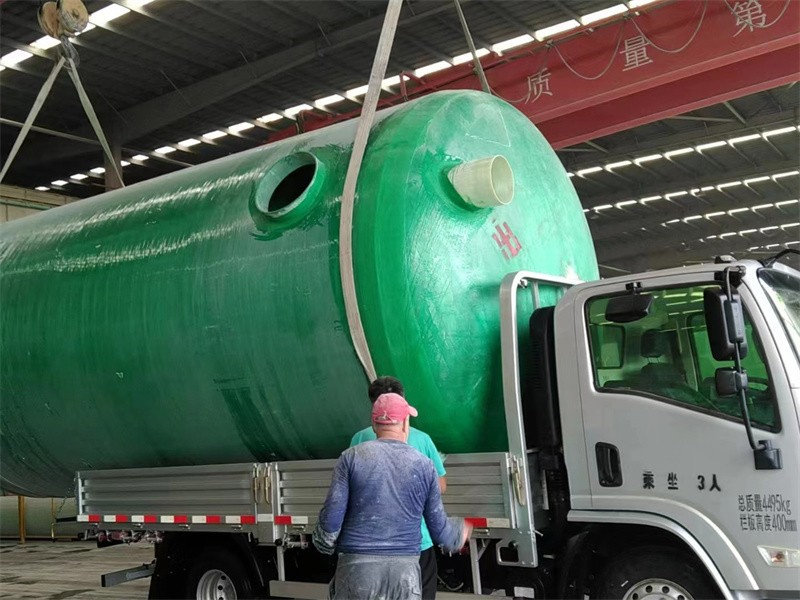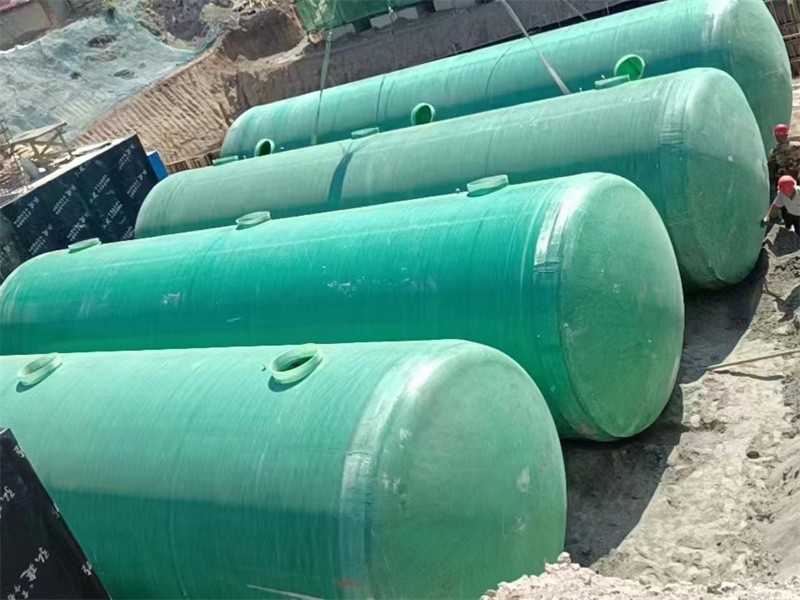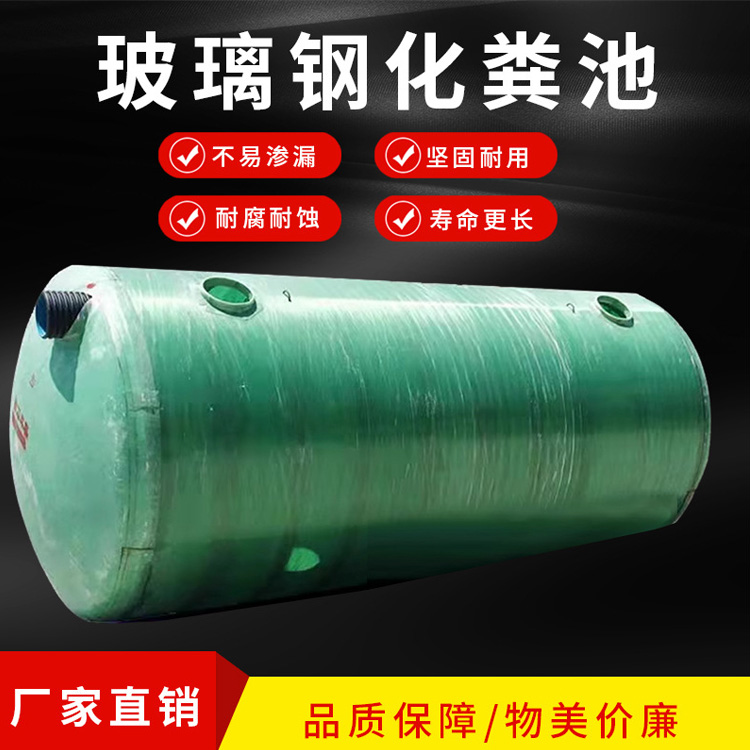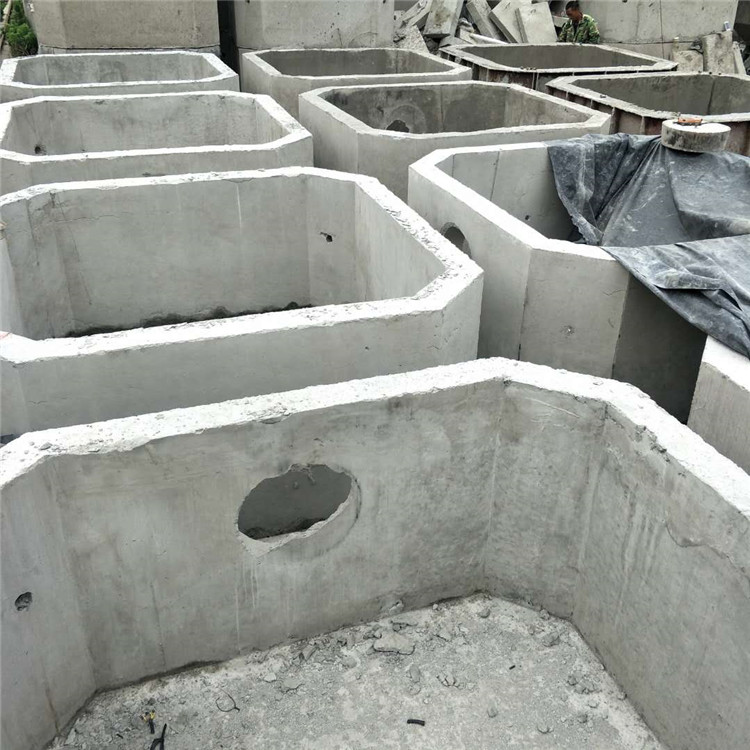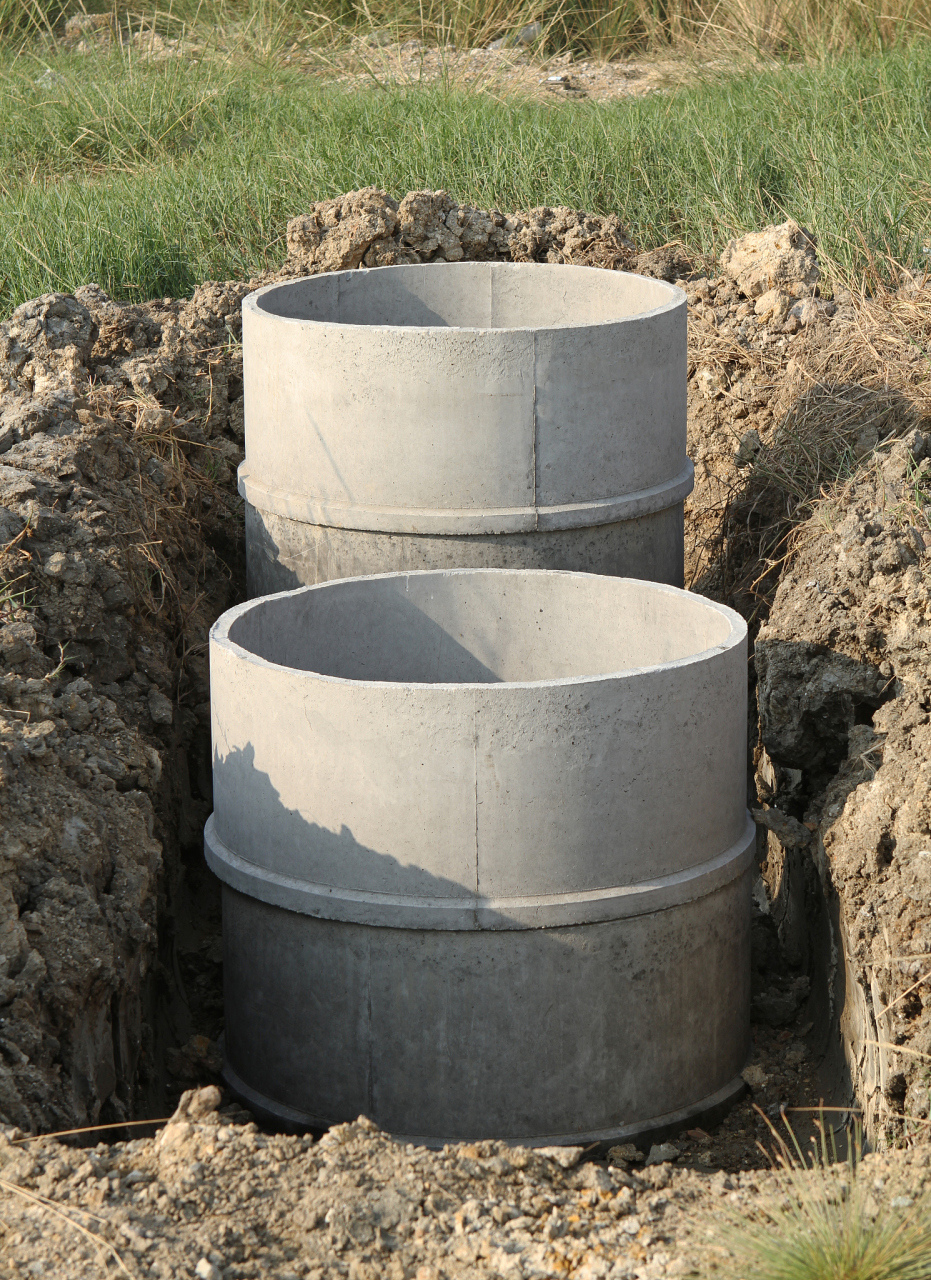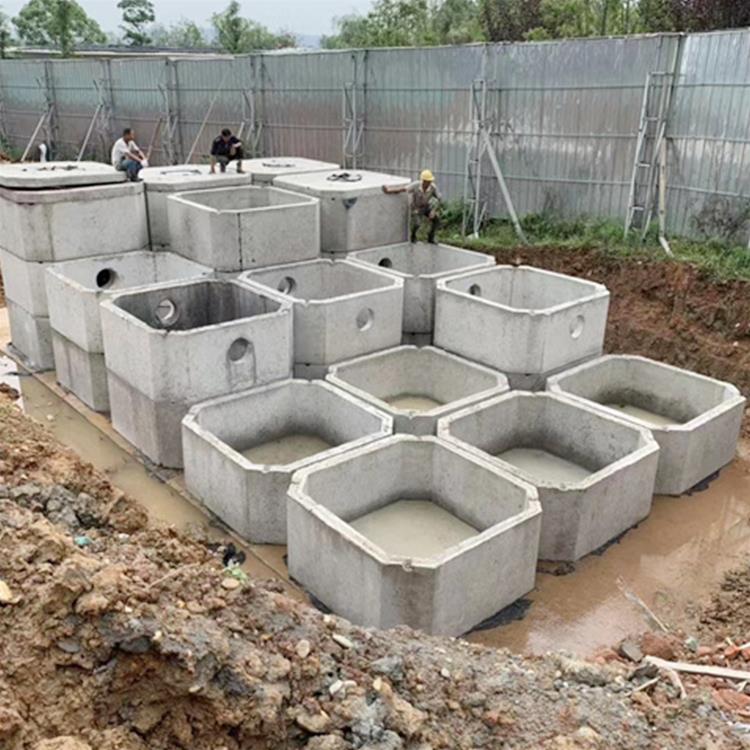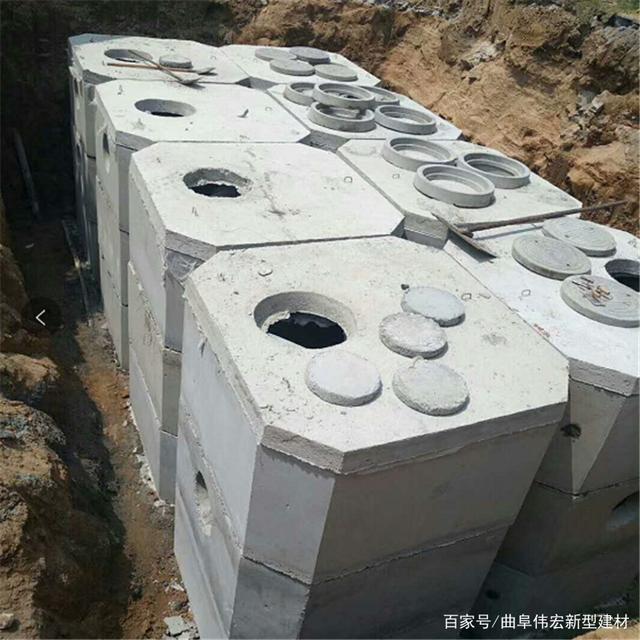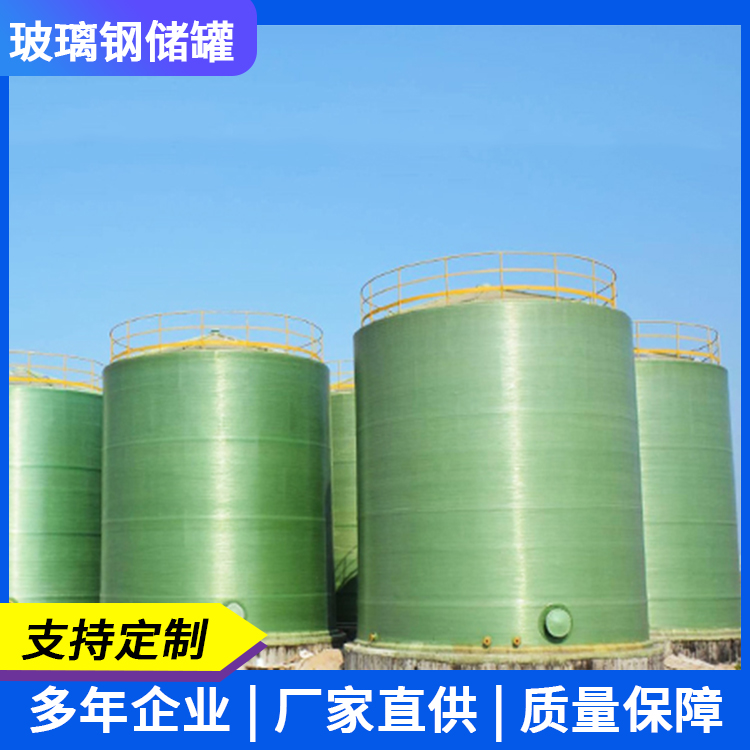


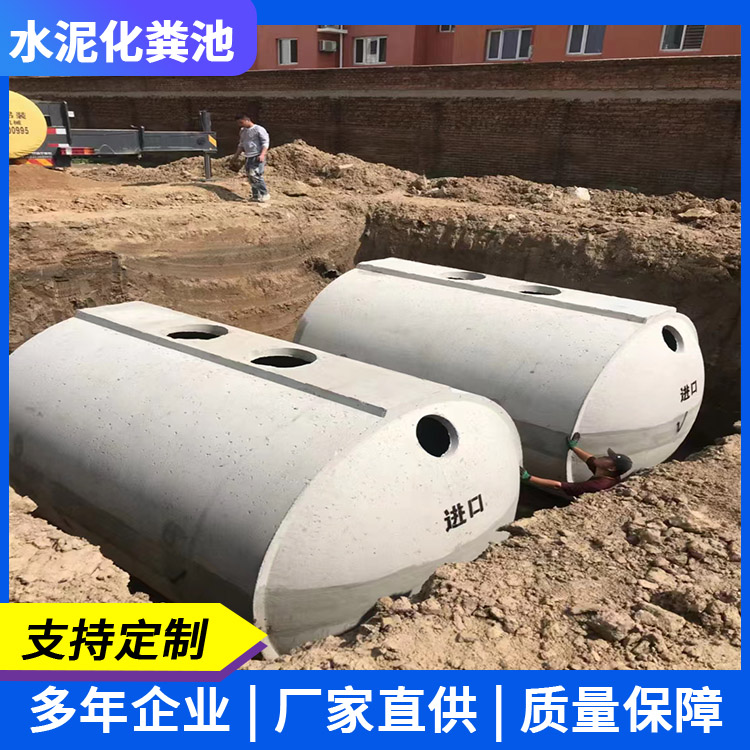
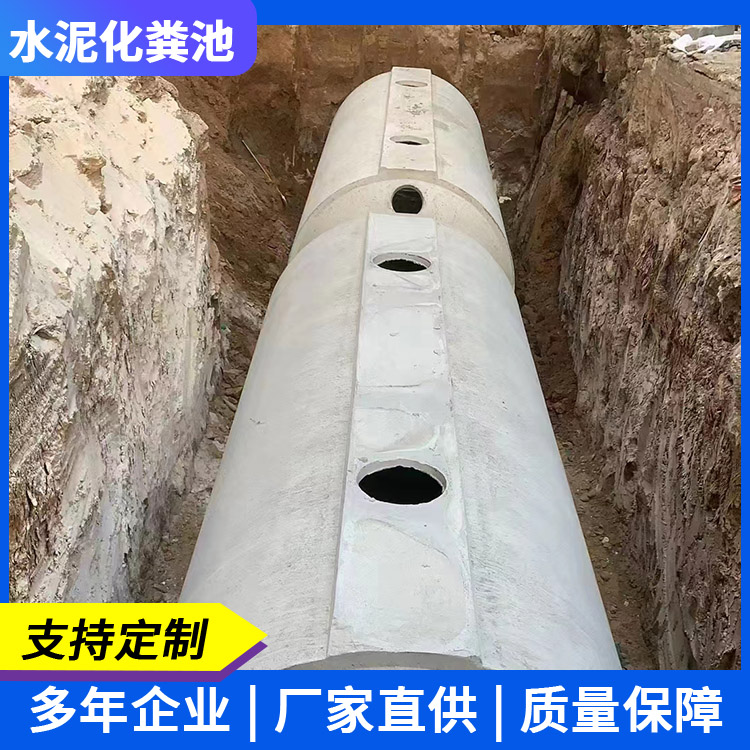
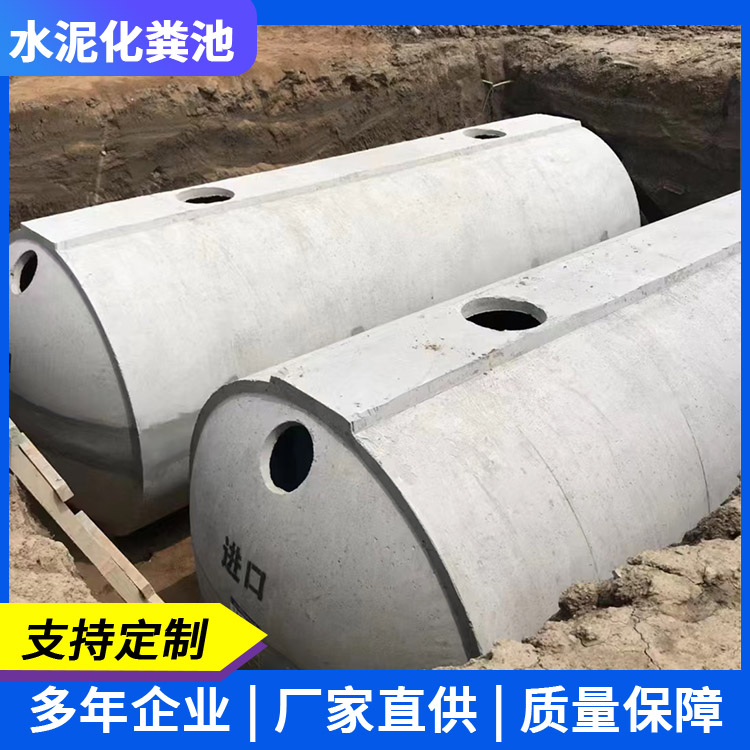


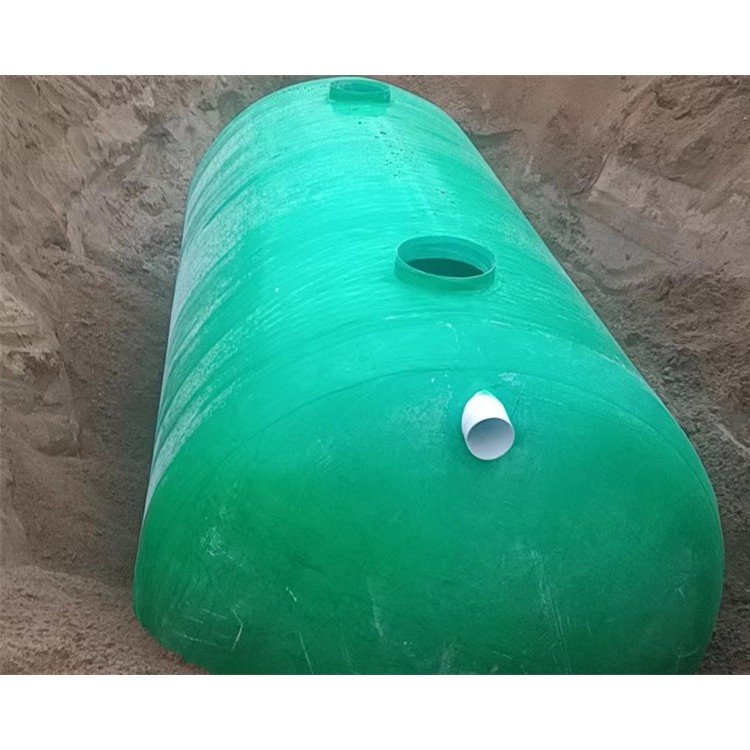
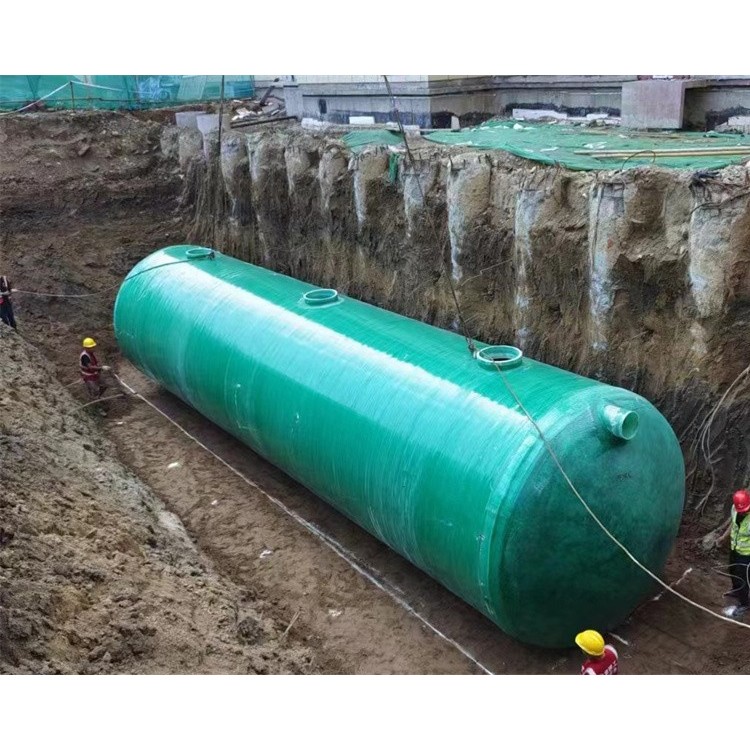
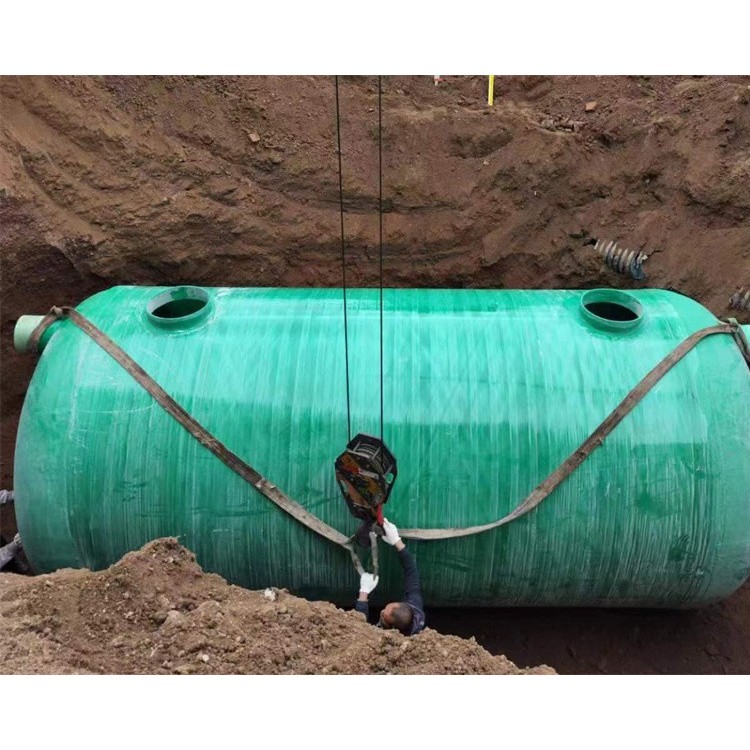
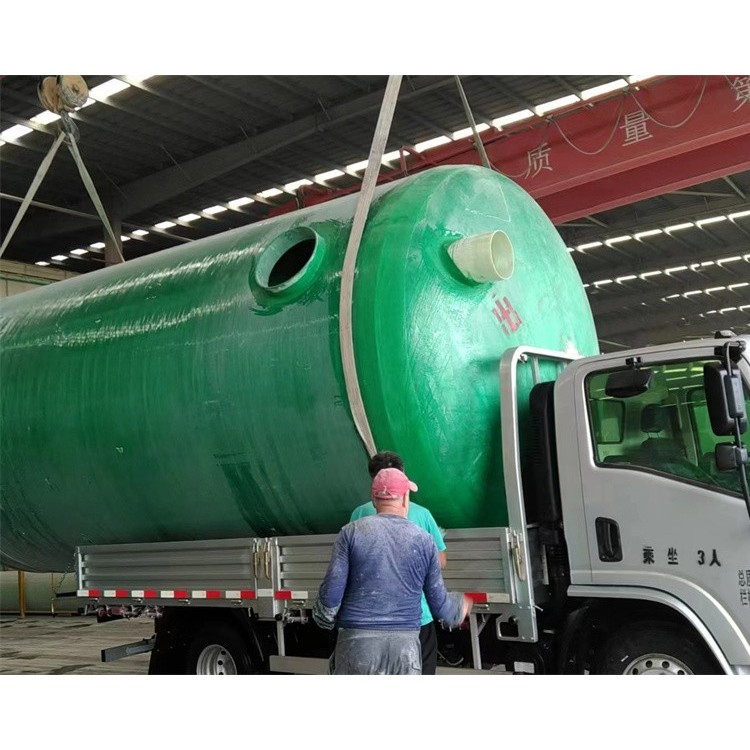
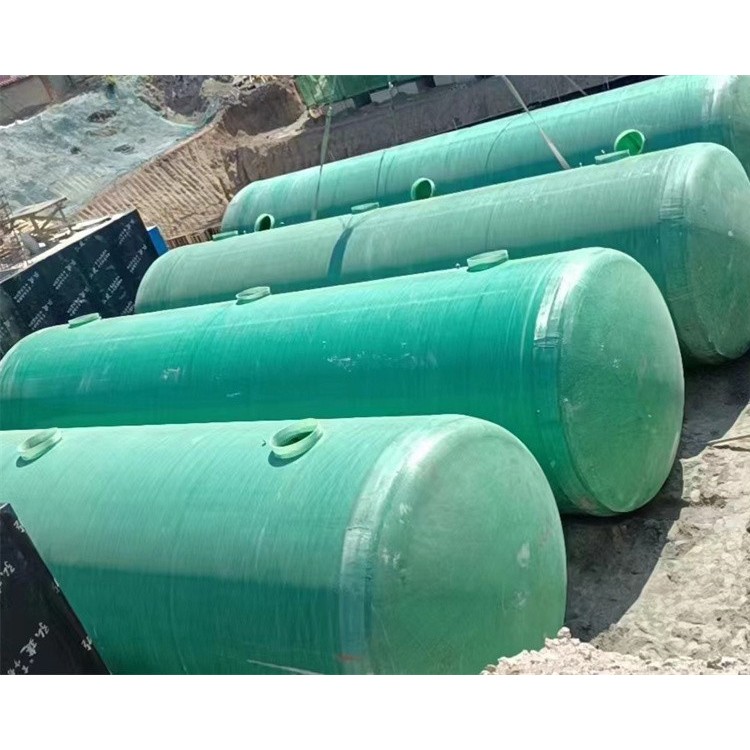






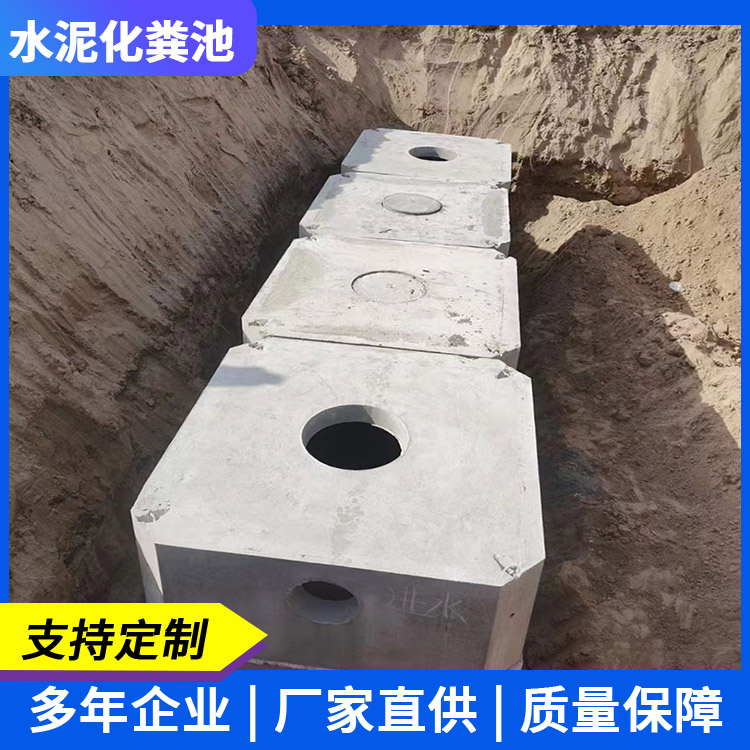
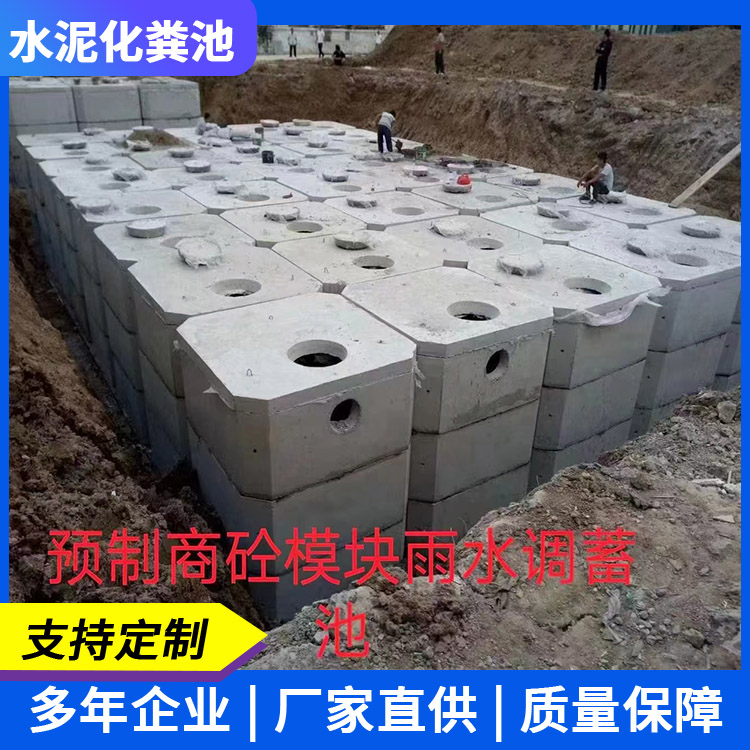
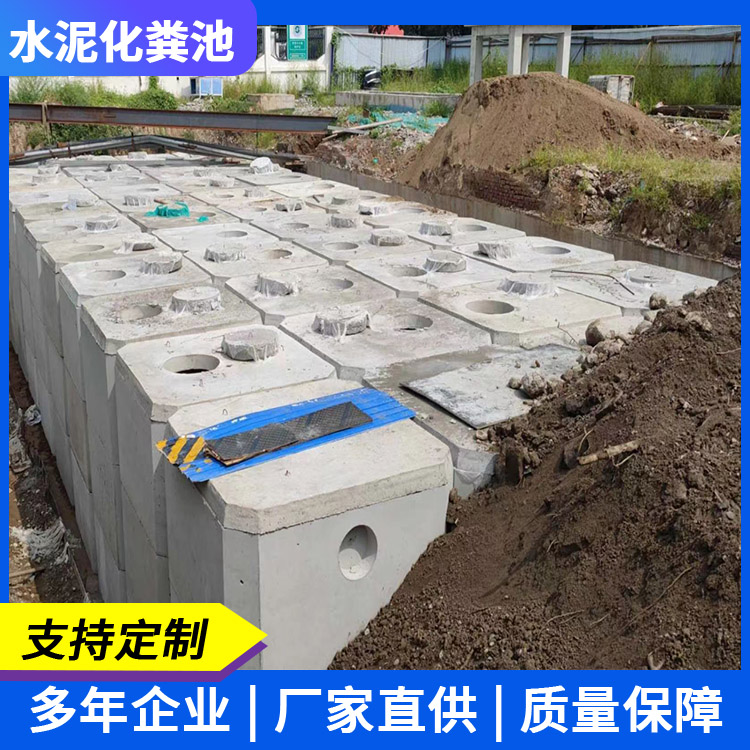

A septic tank is a device for treating feces and filtering out sediment. Its principle is that solid matter decomposes at the bottom of the tank, while the liquid hydrophilic substances flow into the pipes and away, preventing pipe blockages and allowing sufficient time for the solid matter (feces and other waste) to hydrolyze. A septic tank refers to a small treatment structure that separates and sedimentates domestic wastewater and undergoes anaerobic digestion of sludge.
Septic tanks are fundamental facilities for sludge treatment and also serve as pre-treatment facilities for domestic wastewater, with their functions including:
1. Ensure the cleanliness of residential community environments, preventing the spread of domestic wastewater and pollutants.
2. Eliminate mosquito and fly eggs in the anaerobic digestion environment of septic tanks.
3. Temporary storage of sludge, anaerobic digestion for organic sludge, matured organic sludge can be used as agricultural fertilizer.
4. Pre-treatment of domestic wastewater, sedimentation of impurities, and hydrolysis of large organic molecules into smaller ones such as acids and alcohols, to improve the subsequent wastewater treatment process.