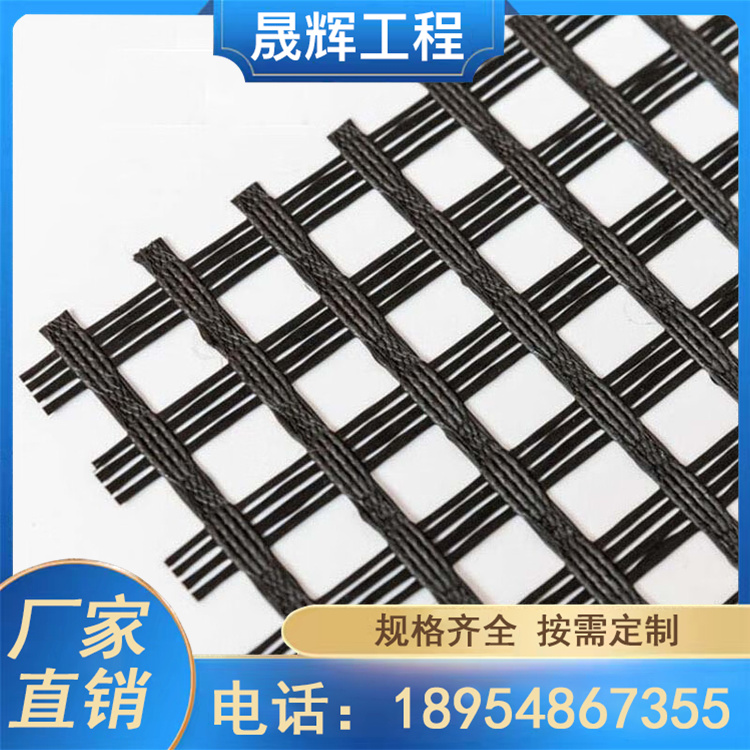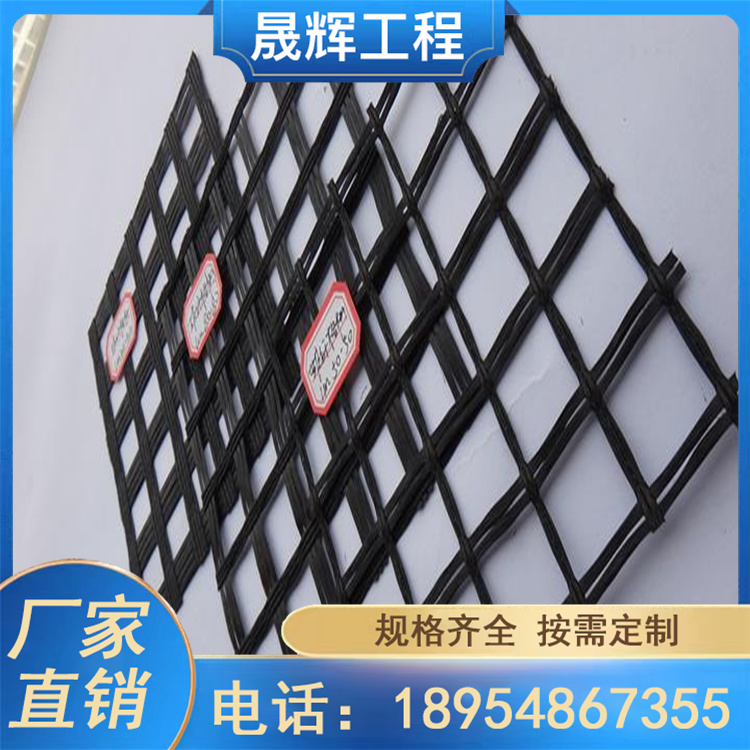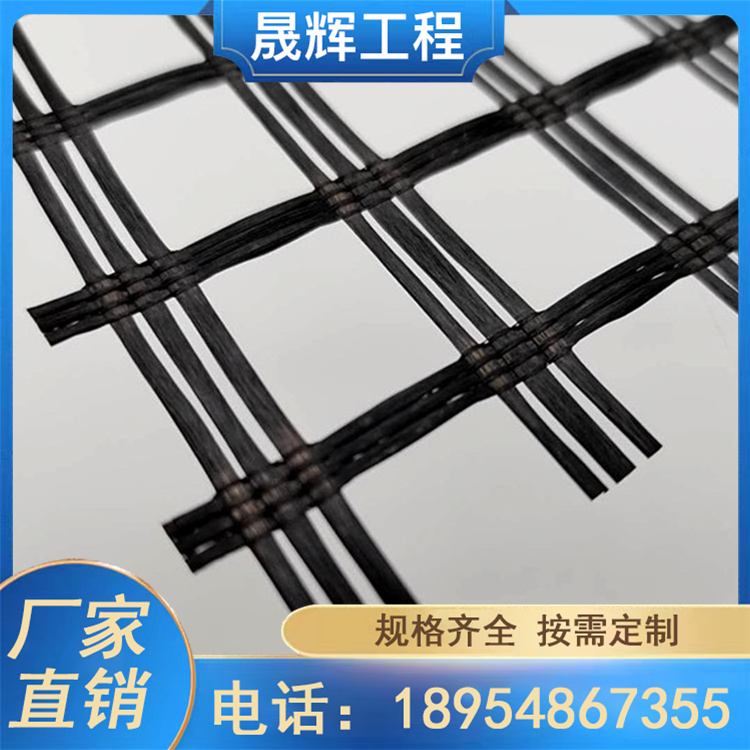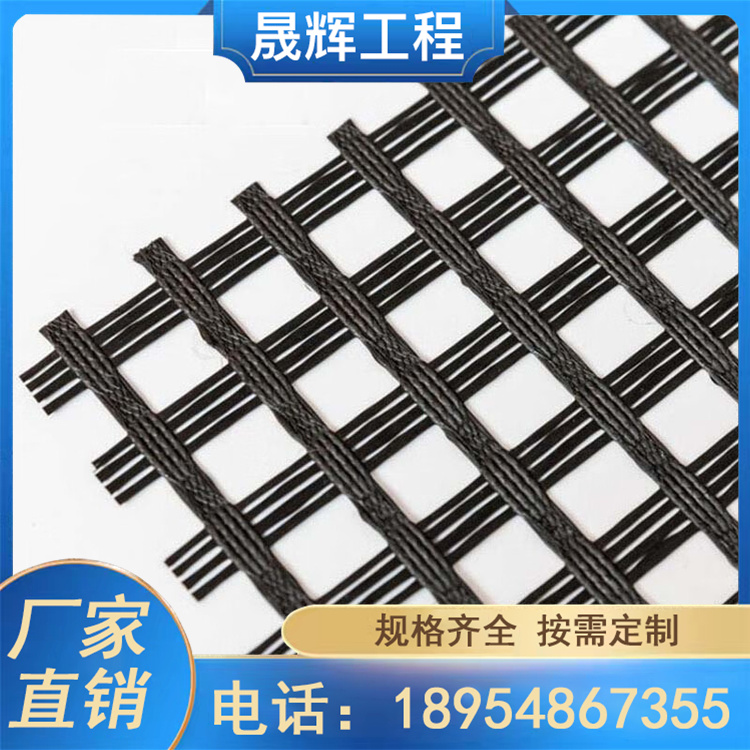

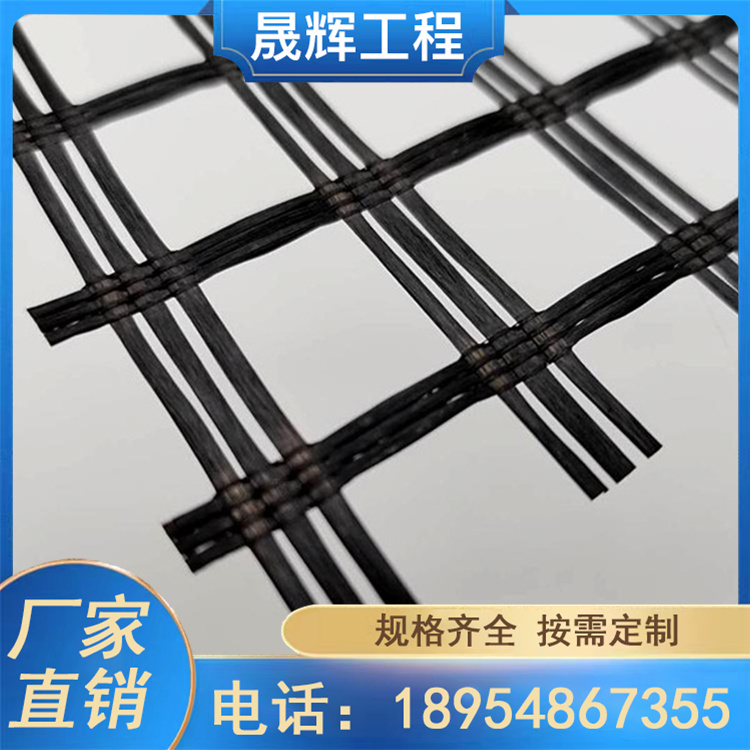









Introduction to Bidirectional Plastic Geogrid Products:
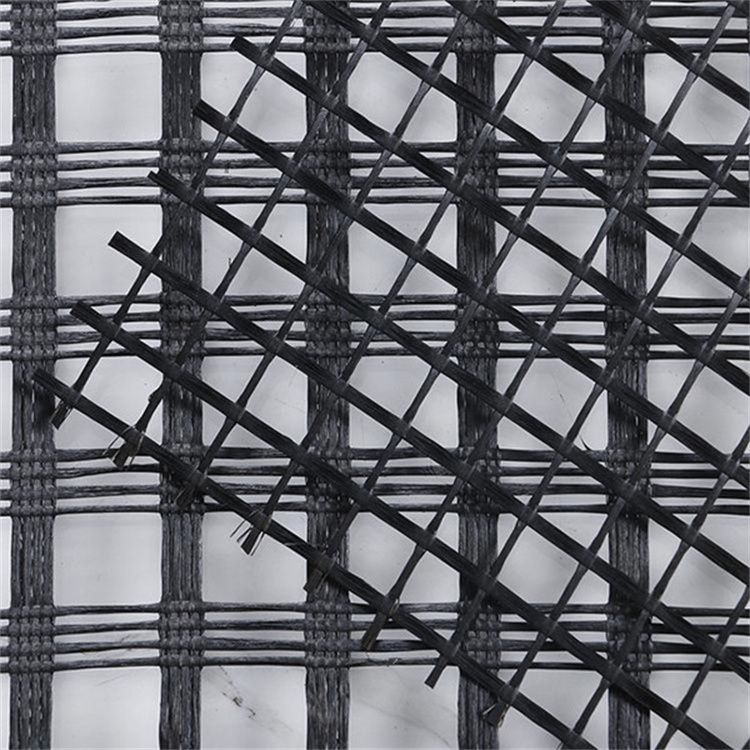
The bidirectional plastic geogrid is formed by extrusion, sheet forming, and punching processes, followed by longitudinal and transverse stretching of high molecular polymer. This material boasts significant tensile strength in both directions, offering an ideal interlocking system for force distribution and transfer in soil. It is suitable for reinforcing various embankments and road bases, slope protection, tunnel wall reinforcement, as well as ground reinforcement for large airports, parking lots, and cargo yards.
The main applications of the bidirectional plastic geogrid are as follows:
Bidirectional plastic geogrids are used to enhance the bearing capacity of road (subgrade) foundations and extend their service life.
2. Two-way plastic geogrids are used to prevent road (surface) collapse or cracking, maintaining the ground's aesthetic and neat appearance.
3. Bi-directional plastic geogrids facilitate construction, saving time and effort, shortening project duration, and reducing maintenance costs.
4. Bidirectional plastic geogrids are used to prevent cracks in culverts.
5. Bi-directional plastic geogrids are used to reinforce soil slopes and prevent soil and water erosion.
6. Bi-directional plastic geogrids are used to reduce the thickness of the sublayer, thereby saving on construction costs.
7. Bi-directional plastic geogrids are used to support the stability of slope grass matting for landscaping environments.
8. Two-way plastic geogrids for specialized animal husbandry nets and fish farming nets in fish cages.
9. Bi-directional plastic geogrids for mine and tunnel reinforcement.
Two-way plastic geogrid construction method:
Excavate the subgrade, set a sand cushion layer (no more than 10cm in height), compact it into a platform, lay the grid, ensuring the longitudinal axis aligns with the main load-bearing direction. The longitudinal overlap should be 15-20cm, and the transverse overlap 10cm. Secure the overlaps with plastic straps, and fix the laid geotextile grid to the ground with U-shaped nails every 1.5-2m. The geotextile grid should be promptly backfilled with soil material, and the number of layers to be laid depends on the technical requirements.