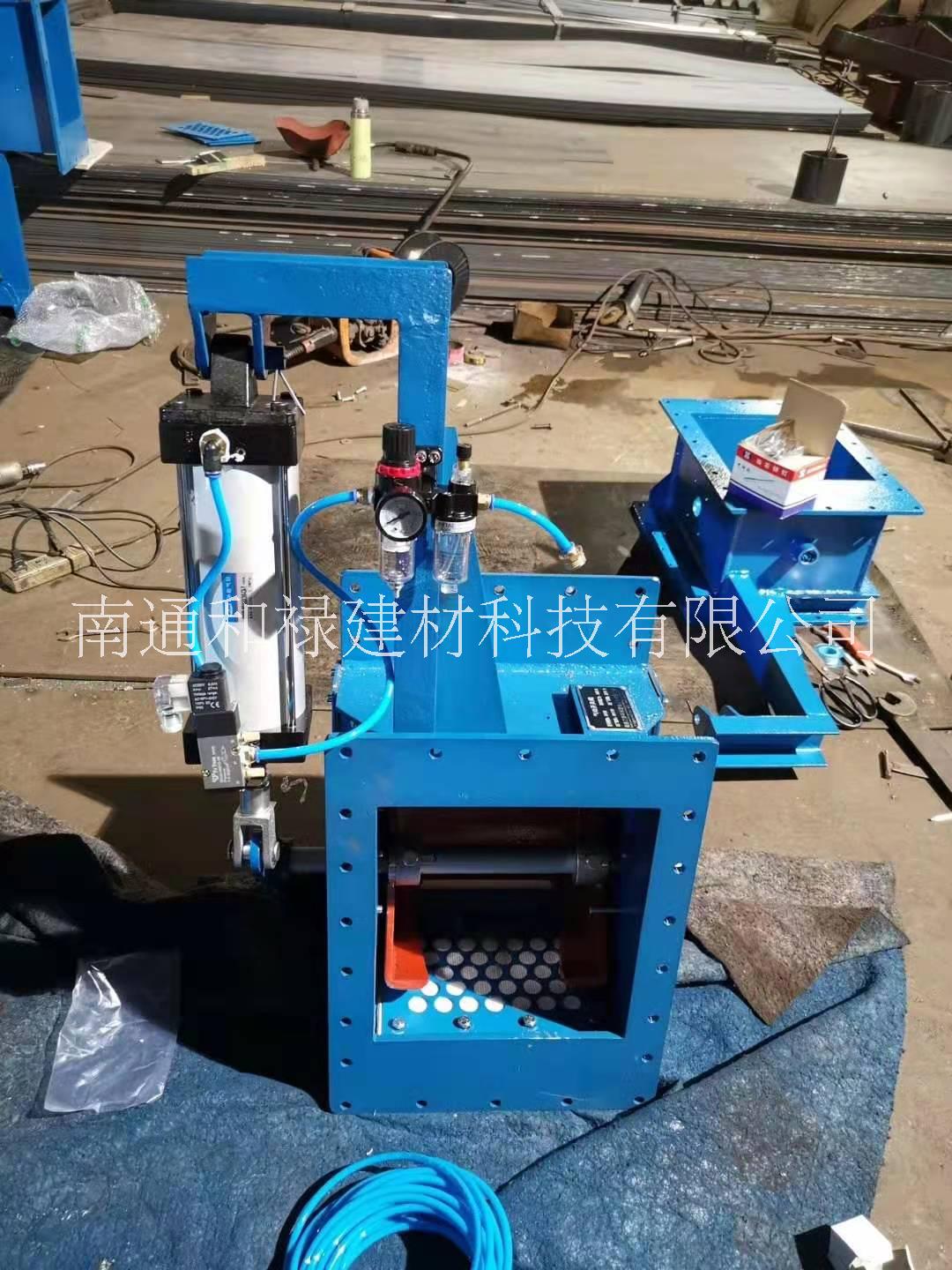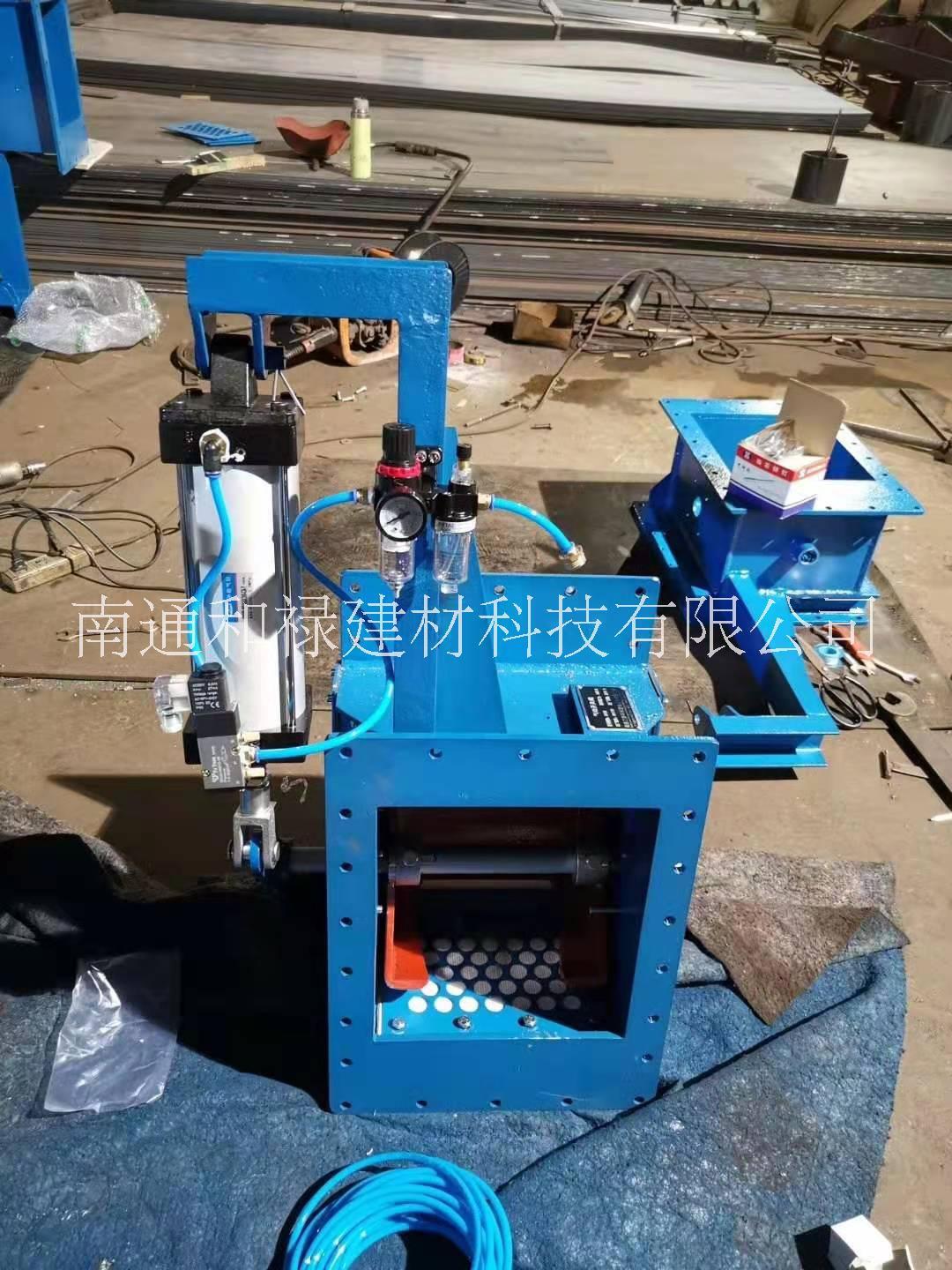



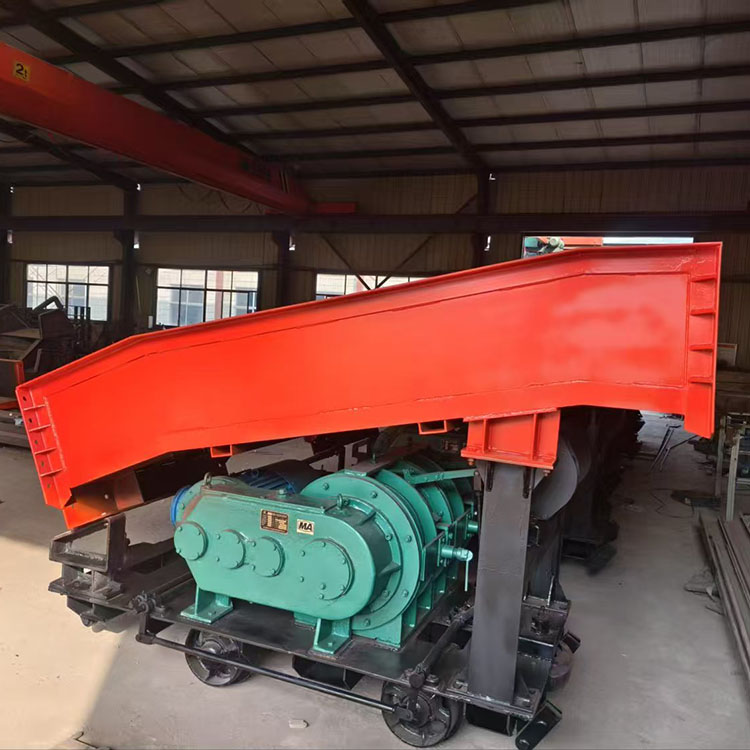







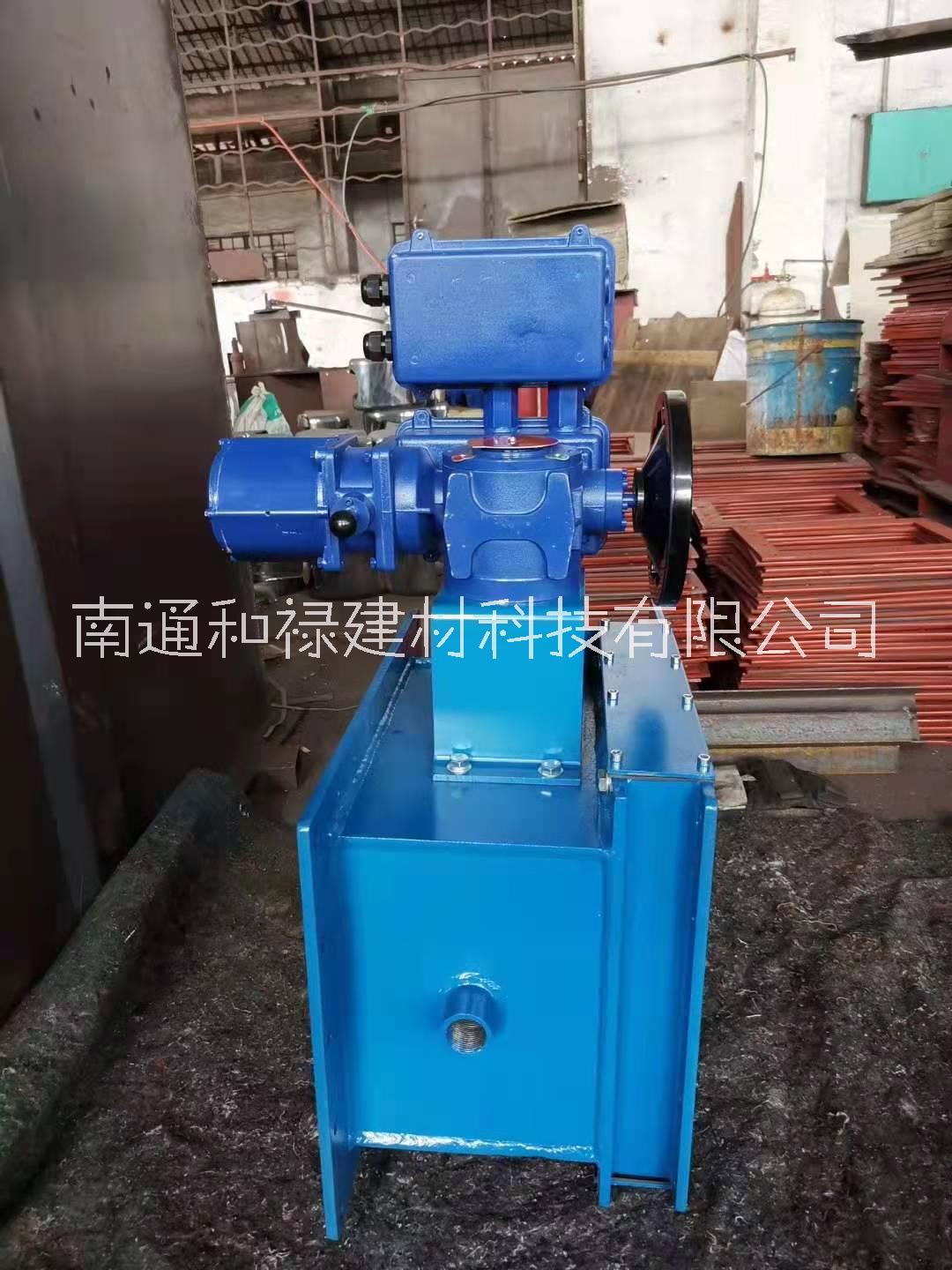
Factory price for electric flow valves, in stock and ready for supply. Electric valves are typically connected to an electric actuator and a valve, becoming an electric valve after installation and adjustment. They use electrical power to drive the actuator, controlling the valve's on/off and adjustment actions. This achieves the purpose of opening or regulating the medium in the pipeline. The driving force of electric valves is usually a motor, and the on/off action requires a certain amount of time for a variable quantity, allowing for adjustment. They are relatively resistant to voltage surges. Solenoid valves are designed for quick opening and closing, usually used in low flow and low-pressure applications with high switching frequencies; electric valves are the opposite. The opening degree of electric valves can be controlled, with states including open, closed, and semi-open, allowing for control of the medium flow in the pipeline, which solenoid valves cannot achieve. The three-wire electric valve has F/R/N three wires, with F representing the forward action (or open) control line, R representing the reverse action (or close) control line, and N representing the ground wire. Solenoid valves are a type of electric valve; they use the magnetic field generated by an electromagnetic coil to pull the valve core, thus changing the valve body's opening and closing. When the coil is de-energized, the valve core is pushed back by the spring pressure.