







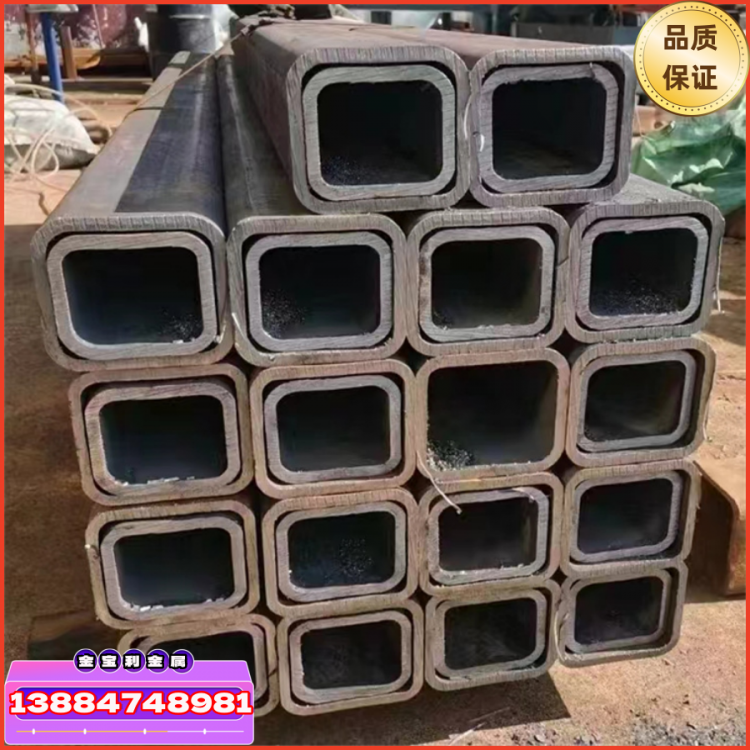
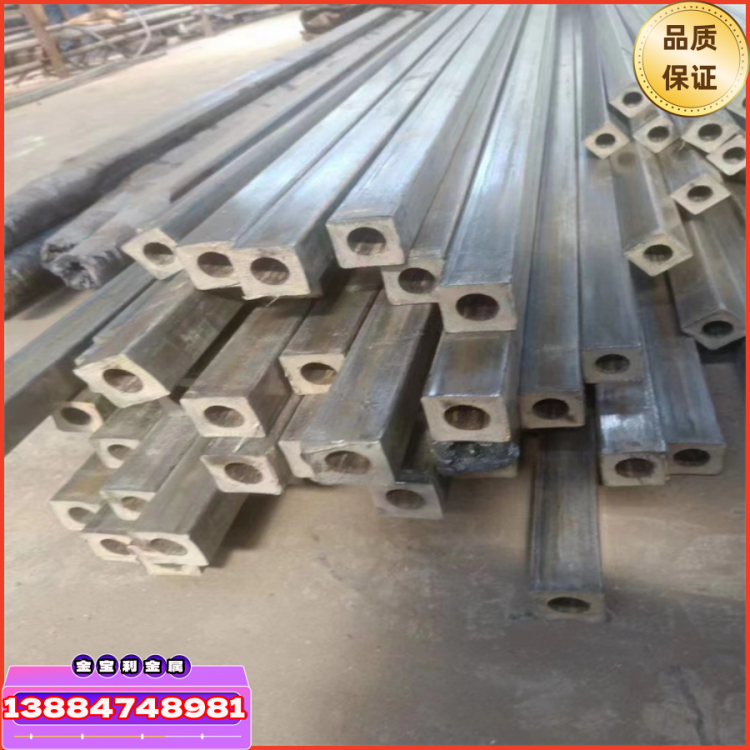

Seamless steel pipe prices are also on a slight uptrend; Baosteel, Wuhan Iron & Steel, and other steel mills have raised their March ex-factory prices, indicating that steel mills have a positive outlook on the market. This is also one of the reasons why plate materials have been stronger than construction steel recently. Additionally, the capital situation is beginning to improve. Although bank lending is relatively lower than last year, social financing规模 has increased both year-on-year and month-on-month, both of which will contribute to the improvement of the steel market in spring.
Overall, while seamless steel tube inventory continues to rise, this is a normal phenomenon after the long holiday. Moreover, with relatively high production levels, the current inventory levels are still lower than the same period after the Spring Festival last year, indicating that steel exports and downstream actual demand are relatively strong. Additionally, the messages from the national and local two sessions about accelerating the elimination of outdated steel production capacity and environmental governance are ongoing. The majority of provinces and cities have shown a strong determination to support the economic growth in the first quarter at the beginning of the year. Therefore, once the "late spring cold" weather weakens, the improved刚性 steel demand in downstream industries is inevitable. However, the author cautions that there have been recent operations to artificially inflate steel prices after the holiday, and the increased pressure on imported ore inventory is also affecting the cost market. Be cautious of the potential for steel prices to fall again after a speculative surge, and it is advisable to take profits and not chase excessive gains. Trading in the spot market is beginning to pick up; especially as steel prices reach new lows, the current prices are already below those of 2008. Merchants generally believe that there is limited room for further decline in the short term, and merchants with insufficient resources are beginning to replenish their inventory, driving a certain number of intermediary transactions. With the arrival of downstream industries, procurement for inventory is also increasing significantly, particularly in the sheet market where transactions have improved notably. Due to the significant increase in inventory, the supply exceeds demand in the steel market, making the downward trend in domestic steel prices continue last week. Compared to the construction steel market, factories are doing better. From the inventory distribution table, it is evident that the inventory of construction steel like rebars has increased significantly, while the growth rate is lower, and the corresponding price trend is showing slight divergence. To have a substantial increase in the overall market this year, it depends on whether the policies are supportive. However, under the central government's proposal of "not using GDP as the sole criterion for heroes," this year's provincial and municipal two sessions no longer consider GDP as a key assessment factor for regional development, and "decelerating and improving quality" has become a general consensus.