






Centrifugal chilled water unit maintenance has the following characteristics:
Complexity: Centrifugal chillers are composed of many complex components, including centrifugal compressors, pumps, condensers, etc., which require maintenance and repair during repair. Therefore, the repair process is relatively complex.
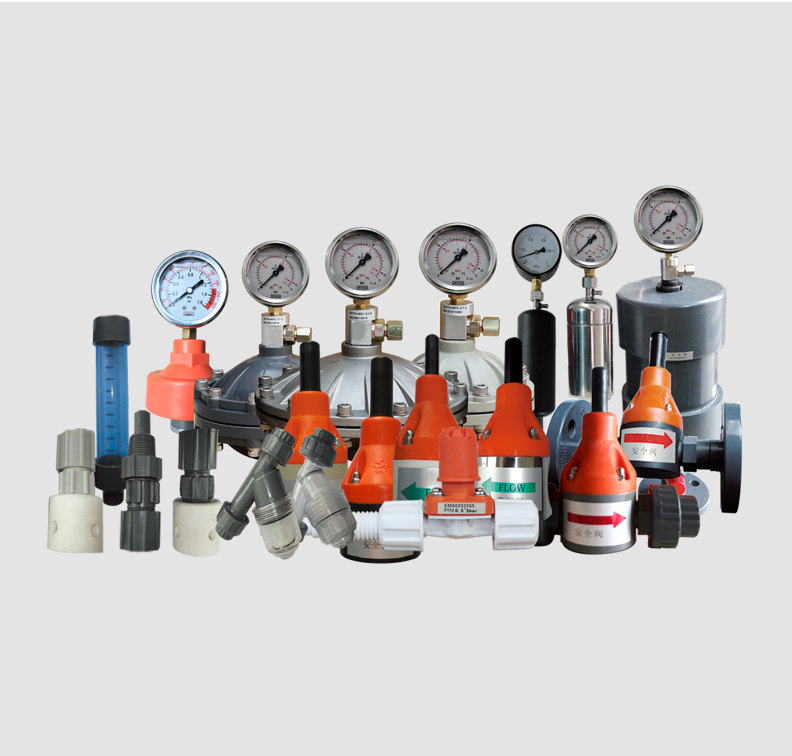
2. Special Tools: Repairing centrifugal chillers may require specific tools and equipment, such as pressure gauges, thermometers, vacuum pumps, etc. Technicians need to be familiar with and properly use these tools.
3. Safety: Maintenance of centrifugal chillers involves high pressure, high temperature, and electrical equipment, posing certain safety risks. Maintenance personnel must have a strong safety awareness and take necessary safety precautions, such as wearing personal protective equipment.
4. Knowledge: Knowledge and skills are required for the maintenance of centrifugal chillers. Understanding the working principle, maintenance methods, and troubleshooting techniques of chillers is crucial for effective repair.
5. Preventive Maintenance: For the maintenance of centrifugal chillers, in addition to fault repair, regular preventive maintenance is required to ensure long-term stable operation of the unit. This includes cleaning, replacing filters, inspecting the electrical system, etc.
In summary, centrifugal chillers maintenance requires knowledge, skills, and tools, while emphasizing safety and conducting preventive maintenance to ensure the unit operates smoothly and extends its service life.
The principle of maintenance for centrifugal refrigeration units can be roughly divided into the following steps:
Fault Diagnosis: First, it is necessary to carefully inspect and analyze the symptoms of the refrigeration unit's failure, using relevant testing tools and instruments for fault diagnosis.
2. Component Disassembly: Disassemble the necessary parts for repair or replacement based on the fault diagnosis results. This may involve multiple components such as compressors, condensers, evaporators, and expansion valves.
3. Repair or Replacement of Parts: Depending on the actual situation, dismantle and repair or replace the parts. Repair may include cleaning and repairing damaged parts, while replacement involves installing new parts.
4. System Inspection and Tuning: After completion of repairs or replacements, system inspection and tuning are required. This includes reassembling various components, checking for proper pipe connections, measuring refrigerant flow, and conducting system vacuum evacuation and refrigerant charging.
5. Troubleshooting: During system debugging, any other issues or malfunctions need to be further addressed. This may include further inspection of components, checking the control system, and the electrical system, etc.
In summary, the maintenance principle of centrifugal refrigeration units involves a series of steps such as fault diagnosis, disassembly, repair or replacement of components, system inspection and adjustment, and troubleshooting to maintain and repair the refrigeration unit, restoring its normal operation.
Methods for repairing centrifugal refrigeration units primarily include the following aspects:
Cleaning and Inspection: Regularly clean the internal and external surfaces of centrifugal refrigeration units, including condensers, evaporators, and filters, etc. Check for any gas leaks in the pipelines, loose joints, and worn-out wires.
2. Replace Damaged Parts: If any components of the centrifugal refrigeration unit are found to be damaged or faulty, replace them promptly. Commonly damaged parts include compressors, motors, sensors, etc.
3. Calibration and Adjustment: Adjust the parameters of the centrifugal refrigeration unit to ensure optimal operating conditions. This includes calibrating the refrigerant circulation's pressure, temperature, and flow rates, as well as adjusting the circuit and controller.
4. Fault Detection and Elimination: In case of malfunctions in centrifugal refrigeration units, instruments and equipment are required for inspection. Fault causes are determined based on fault codes or alarm messages. Subsequently, appropriate repair measures are taken, such as replacing damaged sensors and cleaning clogged refrigerant pipelines.
5. Regular Maintenance: Schedule regular maintenance for centrifugal refrigeration units, which includes replacing filters, cleaning condensers and evaporators, and lubricating the turbine assembly. Additionally, closely monitor the equipment's operational status and promptly diagnose and address any issues.
Knowledge and skills are required to repair centrifugal refrigeration units, and it is recommended that only refrigeration technicians perform the operation and maintenance. Before carrying out any repair work, ensure the unit is power off and safety measures are taken to prevent any accidents.
The maintenance methods for centrifugal refrigeration units mainly include the following aspects:
Regularly Clean Filters: Regularly cleaning filters prevents dust, dirt, and other impurities from entering the unit, affecting its normal operation.
2. Inspect the cleanliness of the condenser and evaporator: Regularly check and clean the condenser and evaporator to ensure their surfaces are clean and maintain optimal heat dissipation.
3. Inspect the compressor's operational status: Regularly check the compressor's running condition, observe for any abnormal noises or vibrations, and promptly repair or replace damaged parts.
4. Check refrigerant charge: Regularly inspect the refrigerant charge to ensure it is adequate; both excess and insufficient amounts can affect the unit's normal operation.
5. Inspect the electrical system: Regularly check if the electrical connections are secure, if the motor starts normally, and if the switches, fuses, etc. are reliable.
6. Regular Pipeline and Valve Inspections: Regularly check for leaks and loose fittings on the refrigeration system's pipelines and valves to ensure the system maintains good密封 integrity.
Above are the general maintenance methods for centrifugal refrigeration units. During actual operation, it is necessary to refer to the specific model and specifications of the unit, as well as the manufacturer's maintenance manual. If you lack the relevant skills and experience, it is recommended to seek refrigeration equipment maintenance services.
The principle of maintenance for centrifugal central air conditioning is based on the working principle of the centrifugal compressor. The centrifugal compressor compresses the refrigerant by rotating the centrifugal impeller, thereby increasing the temperature and pressure of the refrigerant. The maintenance of the centrifugal central air conditioning system includes the following aspects:
Regularly clean and replace filters: Regularly cleaning and replacing filters can prevent dust and dirt from clogging the air conditioning system, ensuring the normal operation of the AC.
2. Inspect and Maintain Compressors: Regularly check and maintain all components of centrifugal compressors, including the centrifugal impeller, bearings, refrigerant inlets and outlets, to ensure their proper operation and performance.
3. Clean Condensers and Evaporators: Condensers and evaporators are crucial components of centrifugal central air conditioning systems. Regular cleaning enhances heat exchange efficiency and ensures the normal cooling or heating operation of the air conditioner.
4. Inspection and maintenance of chilled water pumps and cooling towers: Chilled water pumps and cooling towers are the main equipment for water circulation in a centrifugal central air conditioning system. Regular inspection and maintenance ensure their proper operation and the circulation of water.
5. Inspect and Maintain Control Systems: Regularly inspect and maintain the control system of centrifugal central air conditioning units, including temperature sensors, pressure switches, control valves, etc., to ensure the automatic operation of the air conditioning system functions properly.
Through maintenance and service measures, ensure the smooth operation of centrifugal central air conditioning systems, extend the service life of the equipment, and improve the energy efficiency and energy-saving effects of the air conditioning system.
The general steps for repairing a centrifugal refrigeration unit are as follows:
1. Fault Diagnosis: First, a fault diagnosis is required to identify the specific cause of the equipment's malfunction. This can be done by observing and listening to the equipment's operating status, and checking parameters such as pressure and temperature to determine the fault location.
2. Shut Down Operation: Prior to maintenance, the unit must be shut down, power disconnected, and valves closed.
3. Cleaning and Drainage: Clean and clear blockages from the internal pipes, heat exchangers, and other components of the unit. The drainage system must also be cleaned to ensure it remains unobstructed.
4. Component Replacement: Replacement of components is required based on the cause of the failure. For instance, if the compressor is damaged, a new compressor needs to be replaced.
5. Adjustment and Calibration: After replacing parts, an adjustment and calibration are required to ensure the unit operates normally. Tools and equipment can be used for the adjustment.
6. Testing and Maintenance: After the repair is completed, testing and maintenance are required to ensure the equipment operates smoothly. Various parameters can be checked, such as temperature, pressure, and flow rate, etc.
7. Resume Operation: After the testing is normal, the equipment can be restarted and monitored. Meanwhile, closely monitor the equipment's operation to ensure no other malfunctions occur.
Note: Due to the complexity of centrifugal refrigeration units, maintenance should be performed by qualified technicians to ensure technical and safety standards.
WeChat Official Account

Scan to follow Official Account