






Centrifugal chillers maintenance has the following characteristics:
Complexity: Centrifugal chillers are composed of many complex components, including centrifugal compressors, pumps, condensers, etc. Maintenance and repair of these components are required during repair, making the process relatively complex.
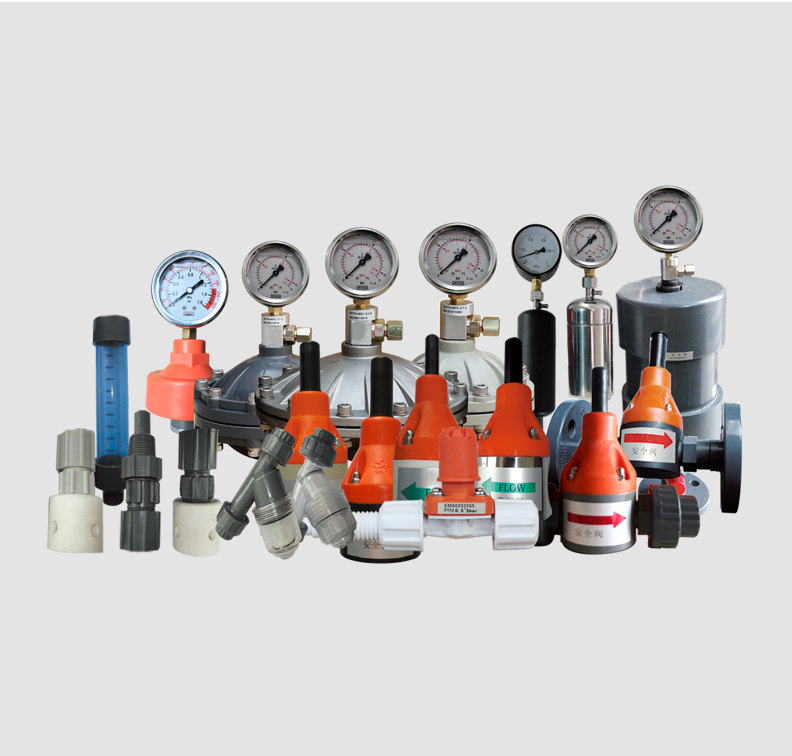
2. Special Tools: Repairing centrifugal chillers may require special tools and equipment such as pressure gauges, thermometers, vacuum pumps, etc. Repair personnel need to be familiar with and properly use these tools.
3. Safety: Maintenance of centrifugal chillers involves high pressure, high temperature, and electrical equipment, posing certain safety risks. Repair personnel must have a strong safety awareness and take necessary safety precautions, such as wearing personal protective equipment.
4. Knowledge: Relevant knowledge and skills are required for the maintenance of centrifugal chillers. Understanding the working principle, maintenance methods, and troubleshooting techniques of chillers is crucial for effective repair.
5. Preventative Maintenance: For centrifugal chillers' maintenance, in addition to fault repair, regular preventative maintenance is necessary to ensure long-term stable operation of the unit. This includes cleaning, replacing filter cores, inspecting the electrical system, and more.
In summary, centrifugal chillers maintenance requires knowledge, skills, and tools, with a strong emphasis on safety and preventive maintenance to ensure smooth operation and extend the lifespan of the unit.
The maintenance methods for centrifugal refrigeration units mainly include the following aspects:
Regularly Clean Filters: Regularly cleaning filters prevents dust, dirt, and other impurities from entering the unit, affecting its normal operation.
2. Inspect the cleanliness of the condenser and evaporator: Regularly check and clean the condenser and evaporator to ensure their surfaces are clean and maintain optimal heat dissipation.
3. Check the compressor's operational status: Regularly inspect the compressor's operational status, observe for any abnormal noises or vibrations, and promptly repair or replace any damaged parts.
4. Check refrigerant charge: Regularly inspect the refrigerant charge to ensure it's properly filled; either too much or too little can affect the unit's normal operation.
5. Inspect the electrical system: Regularly check if the electrical connections are secure, if the motor starts normally, and if switches, fuses, etc., are reliable.
6. Regular Pipeline and Valve Inspections: Conduct regular checks of the refrigeration system's pipelines and valves for leaks or loose fittings to ensure good system sealing.
The above is a general method for maintaining centrifugal refrigeration units. During actual operations, specific to the model and specifications of the unit, as well as the manufacturer's maintenance manual, should be followed. If lacking relevant skills and experience, it is recommended to seek refrigeration equipment maintenance services.
The principles of centrifugal central air conditioning maintenance mainly include the following aspects:
1. Inspect the Compressor: The compressor of a centrifugal central air conditioning system is a critical component of the entire system. Technicians need to check if the compressor is operating properly, and if any issues are found, repairs or replacements are required.
2. Inspect the Condenser and Evaporator: The condenser and evaporator are critical components of a centrifugal central air conditioning heat exchanger. Technicians need to clean these units during maintenance and check for any blockages or leaks.
3. Inspect the Refrigerant Circuit: The refrigerant circuit in a centrifugal central air conditioner includes components such as the condenser, evaporator, and condensing compressor. Maintenance personnel need to check for leaks or other damage in the refrigerant circuit and repair or replace the relevant components as necessary.
4. Inspect the electrical control system: The electrical control system of a centrifugal central air conditioner includes switches, fuses, motors, etc. Maintenance personnel need to check whether these electrical components are functioning properly and eliminate any electrical faults.
5. Conduct System Testing: After completing the aforementioned repair work, the technician must perform a system test, which includes turning on the air conditioning system, checking if the cooling and heating sources are operating properly, adjusting temperatures and humidity, etc.
Above is the basic principle of centrifugal central air conditioning repair. Specific repair contents need to be further determined according to the actual situation. If you have any specific questions, please let me know, and I will do my best to assist you in finding the answers.
The principle of centrifugal compressor maintenance primarily involves the following aspects:
1. Fault Diagnosis: Initially, a fault diagnosis must be conducted on the centrifugal compressor, by observing and detecting the machine's operational status, noise, vibration, and other indicators to determine the type and location of the fault.
2. Disassembly and Cleaning: Based on the fault diagnosis results, the compressor requires disassembly and cleaning. During disassembly, be sure to mark and record the position and connection of the parts for easy reassembly later. In the cleaning process, use appropriate cleaning agents and tools to remove dirt and deposits from inside the compressor.
3. Component Replacement: If any parts of the compressor are found to be damaged or worn excessively, replacement is necessary. When replacing, appropriate components must be selected and installed strictly according to specifications and requirements.
4. Maintenance and Adjustment: After completing repairs and part replacements, the compressor requires maintenance and adjustment. This includes: applying lubricant, checking and adjusting belt tension, calibrating pressure switches, inspecting and cleaning the cooling system, etc., to ensure the normal operation of the compressor.
5. Assembly and Testing: After repair and adjustment, the various components of the compressor must be assembled to ensure they are securely mounted and correctly connected. Subsequently, performance is verified and monitored to ensure the compressor meets the required specifications.
Repairing centrifugal compressors requires certain knowledge and skills; for some complex issues, reliance on the manufacturer or a repair technician may be necessary.
The principle of maintenance for centrifugal refrigeration units can be roughly divided into the following steps:
1. Fault Diagnosis: First, a thorough inspection and analysis of the refrigeration unit's fault symptoms is required, utilizing relevant testing tools and equipment for diagnosis.
2. Component Disassembly: Remove the necessary parts for repair or replacement based on the fault diagnosis results. This may involve multiple components such as compressors, condensers, evaporators, and expansion valves.
3. Parts Repair or Replacement: Depending on the actual situation, dismantle parts will be repaired or replaced. Repair may include cleaning, repairing damaged parts, etc., while replacement involves installing new parts.
4. System Inspection and Tuning: After completion of repair or replacement, system inspection and tuning are required. This involves reassembling various components, checking for proper pipe connections, measuring refrigerant flow, and performing system vacuum evacuation and refilling with refrigerant.
5. Troubleshooting: During system debugging, any other issues or malfunctions should be further addressed. This may include further inspection of components, checking the control system, and the electrical system, etc.
In summary, the principle of repairing centrifugal refrigeration units involves a series of steps such as fault diagnosis, disassembly, repair or replacement of components, system inspection and tuning, as well as troubleshooting, to maintain and restore the unit's normal operation.
The steps for repairing a centrifugal central air conditioner are as follows:
Check if the air conditioning system is operating normally, including observing for any unusual noises or vibrations in both indoor and outdoor units.
2. Inspect the electrical connections of the air conditioning system to ensure that power lines, control lines, etc., are securely connected without damage or poor contact.
3. Inspect and clean air filters, replace or wash them as needed to maintain unobstructed air flow.
4. Inspect the refrigerant piping of the condenser and evaporator to ensure there are no leaks, icing, or blockages.
5. Inspect the heat exchange surfaces of the condenser and evaporator, clean off any dust and dirt, to enhance heat exchange efficiency.
6. Inspect and calibrate the air conditioning system's pressure and temperature sensors to ensure accurate reading of pressure and temperature data.
7. Inspect and maintain the lubrication components of the air conditioning system, such as the fan motor and compressor bearings, and promptly add lubricating oil or replace worn parts.
8. Inspect and adjust the control parameters of the air conditioning system, such as the set temperature of the thermostat and the blower speed of the heat exchanger, to ensure comfortable and efficient operation.
9. Inspect and repair the electronic controller and sensors of the air conditioning system, and replace or service any faulty components as needed.
10. Perform vacuum extraction and refilling for the refrigerant system, ensuring the vacuum level and refrigerant quantity meet the specified requirements.
11. Test and debug air conditioning systems, including operational trials, performance tests, and air flow measurements.
12. Document the repair process and results, compile a summary report, and provide repair recommendations.
Be mindful that for the maintenance of centrifugal central air conditioning, it is recommended to have a professional HVAC technician handle the operation to ensure the safety and effectiveness of the maintenance work.
WeChat Official Account

Scan to follow Official Account