






The cleaning of screw ground-source heat pumps primarily includes two aspects: internal and external cleaning. Specific requirements are as follows:
1. Internal Cleaning: Primarily involves cleaning internal components such as screw compressors, heat exchangers, and piping to ensure the normal operation and performance of the heat pump. It is typically recommended to clean them once a year.
- Clean screw compressor: Remove the protective cover of the screw compressor, spray the interior and surface of the screw compressor with cleaning agent and water to remove dirt.
- Clean heat exchangers: Remove the outer cover of the heat exchanger and flush with cleaning agent and water to remove dirt and sediments accumulated in the pipes.
- Pipeline Cleaning: Use water or cleaning agents to clean the pipelines to ensure the pipes are clear.
2. External Cleaning: Primarily involves cleaning the shell and heat exchanger of the ground source heat pump to ensure optimal heat dissipation and maintain a clean appearance. It is typically recommended to perform cleaning every quarter.
Clean the Shell: Use a gentle cleaner and a soft cloth to clean the shell of the ground-source heat pump, removing dust and stains.
Clean the radiator: Use a soft brush or compressed air to remove dust and debris from the radiator to ensure proper heat dissipation.
Note: Always disconnect the power source before cleaning and dry the equipment after cleaning. Ensure it is completely dry before reconnecting the power. Additionally, be cautious during cleaning to prevent water or cleaning agents from entering electrical components or terminals.
The maintenance methods for screw-type refrigeration units include the following steps:
Inspect Equipment Malfunction: First, a comprehensive check of the equipment is required to identify any potential malfunctions or issues, such as abnormal temperatures, pressures, or noises.
2. Cleaning and Maintenance: Keeping the unit clean and regularly maintained is crucial. Regularly clean components such as filters, heat exchangers, condensers, and evaporators, and ensure the ventilation and drainage systems are unobstructed.
3. Inspect the electrical system: Verify that the electrical connections of the unit are secure and observe if the circuit is functioning properly. Replace wires, connectors, and circuit boards as needed to ensure the reliable operation of the electrical system.
4. Inspect the lubrication system: Check the oil pump, oil filter, and oil tank to ensure the lubrication system is operating properly. Regularly replace lubricating oil and add additives as needed.
5. Repair or Replace Parts: Determine the parts that need to be repaired or replaced based on the inspection results. For repairs, methods such as welding, cutting, tightening, and calibration can be used. When replacing, ensure the use of appropriate parts and install them correctly.
6. Testing and Tuning: After repairs are completed, conduct testing and tuning to ensure the equipment operates normally. This includes checking parameters such as temperature, pressure, and circulation, and adjusting the corresponding control parameters.
Note that maintenance of screw-type refrigeration units involves complex mechanical and electrical systems, which should be performed by qualified technicians. It is recommended to read the unit's user manual before proceeding with maintenance and to adopt the appropriate methods based on the actual situation.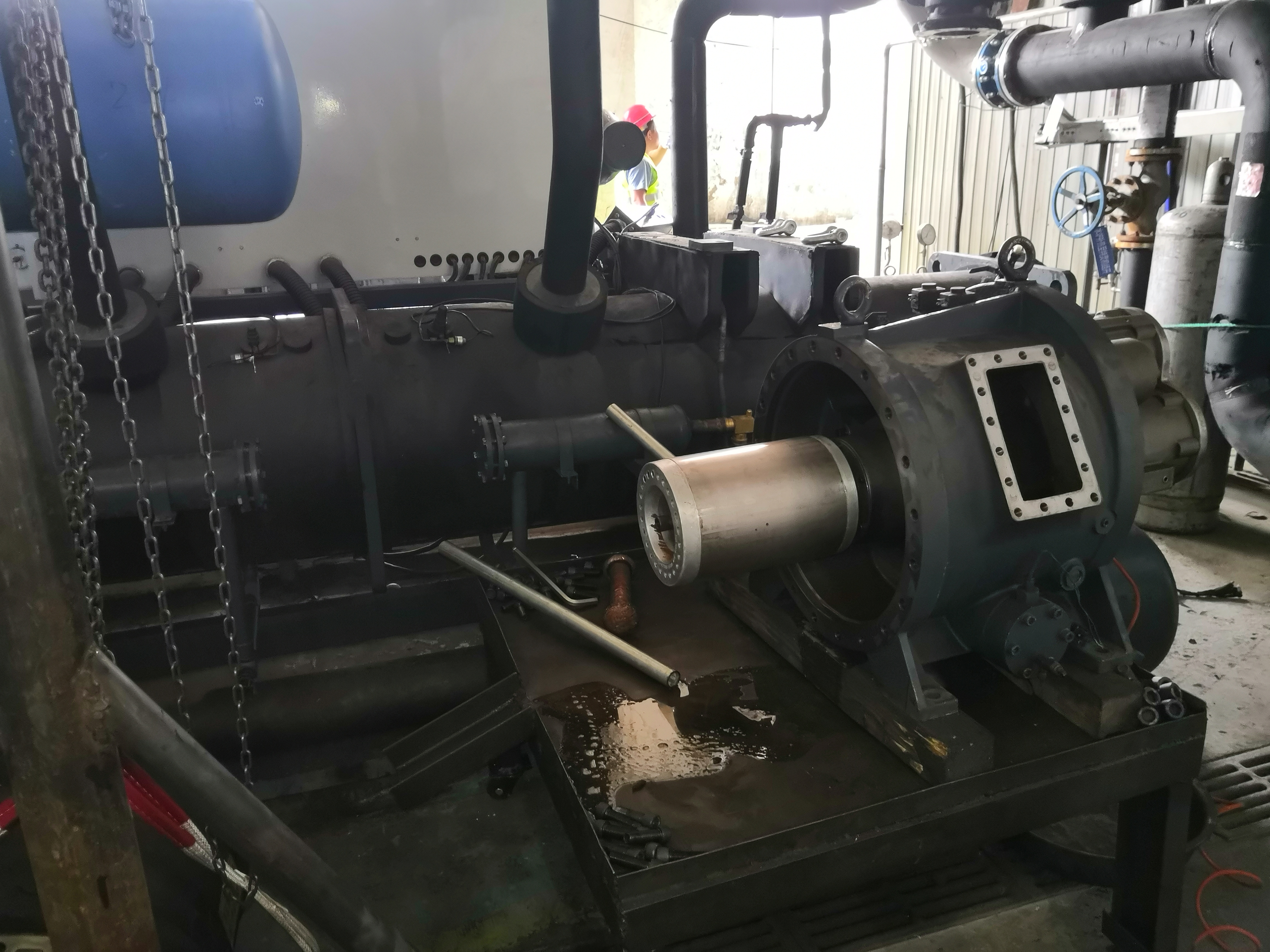
Maintenance methods for screw ground-source heat pumps mainly include the following aspects:
Clean Filter: Regularly clean the filter in the ground source heat pump to remove dust and impurities from the air, ensuring smooth airflow.
2. Check Refrigerant: Regularly inspect the refrigerant pressure and water temperature in the ground-source heat pump to ensure proper refrigerant circulation and optimal cooling performance.
3. Inspect the Water Pump: Regularly check the water pump in the ground-source heat pump to ensure proper operation and unobstructed water flow.
4. Clean External Components: Regularly clean the external parts of the ground-source heat pump, such as fins and fans, to ensure optimal heat dissipation.
5. Regular Maintenance: Schedule technicians to perform routine maintenance on the ground-source heat pump, checking the electrical and control systems for proper operation.
Please note that the above methods are for reference only, and the specific maintenance methods should be determined based on the specific model and operating conditions of the ground source heat pump. We recommend that you thoroughly read the product manual or consult with an expert before using the ground source heat pump to ensure correct maintenance and operational procedures.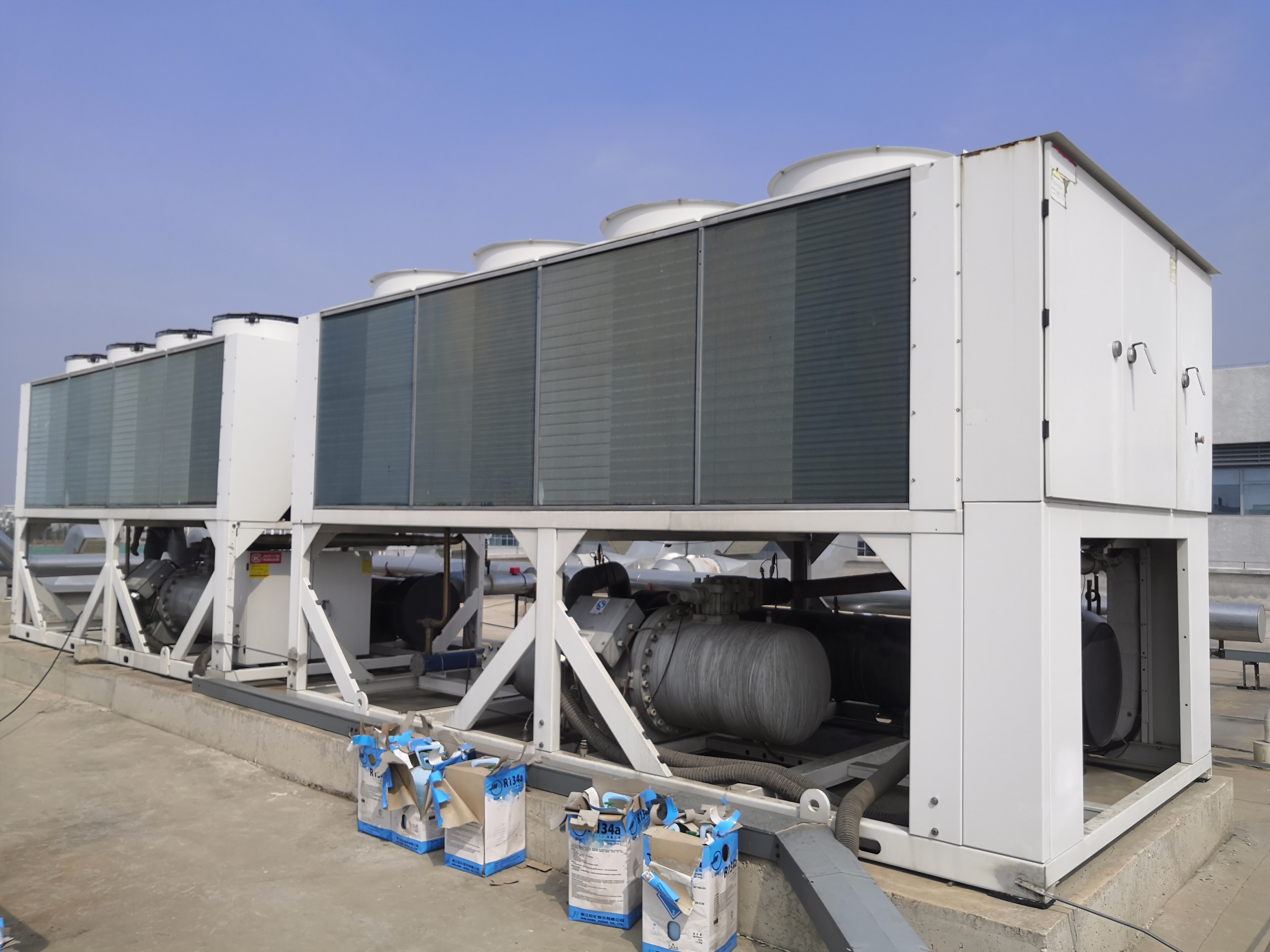
Maintenance methods for screw-type water source heat pumps are as follows:
Regularly inspect and clean the cooling and circulating water systems to ensure smooth water flow and to prevent potential blockages in pipes and filters.
2. Regularly inspect the screw compressor's operating status and oil condition. Promptly address any anomalies and replace or replenish lubricating oil as needed.
3. Clean and maintain condensers and evaporators to remove accumulated dirt and dust on the surfaces, enhancing heat exchange efficiency.
4. Inspect and clean the cooling fan to ensure proper operation and remove any dust and dirt that may affect the heat dissipation.
5. Regularly inspect and calibrate sensors and controllers to ensure accuracy and stability of temperature and pressure.
6. Inspect and clean the pump and valves to ensure proper operation and sealing.
7. Regularly inspect the electrical components and cables of the water source heat pump to ensure its safety and reliability.
Above is the general maintenance method for screw-type water source heat pumps. The specific maintenance cycle and method should be operated according to the actual conditions of the equipment and the manufacturer's recommendations.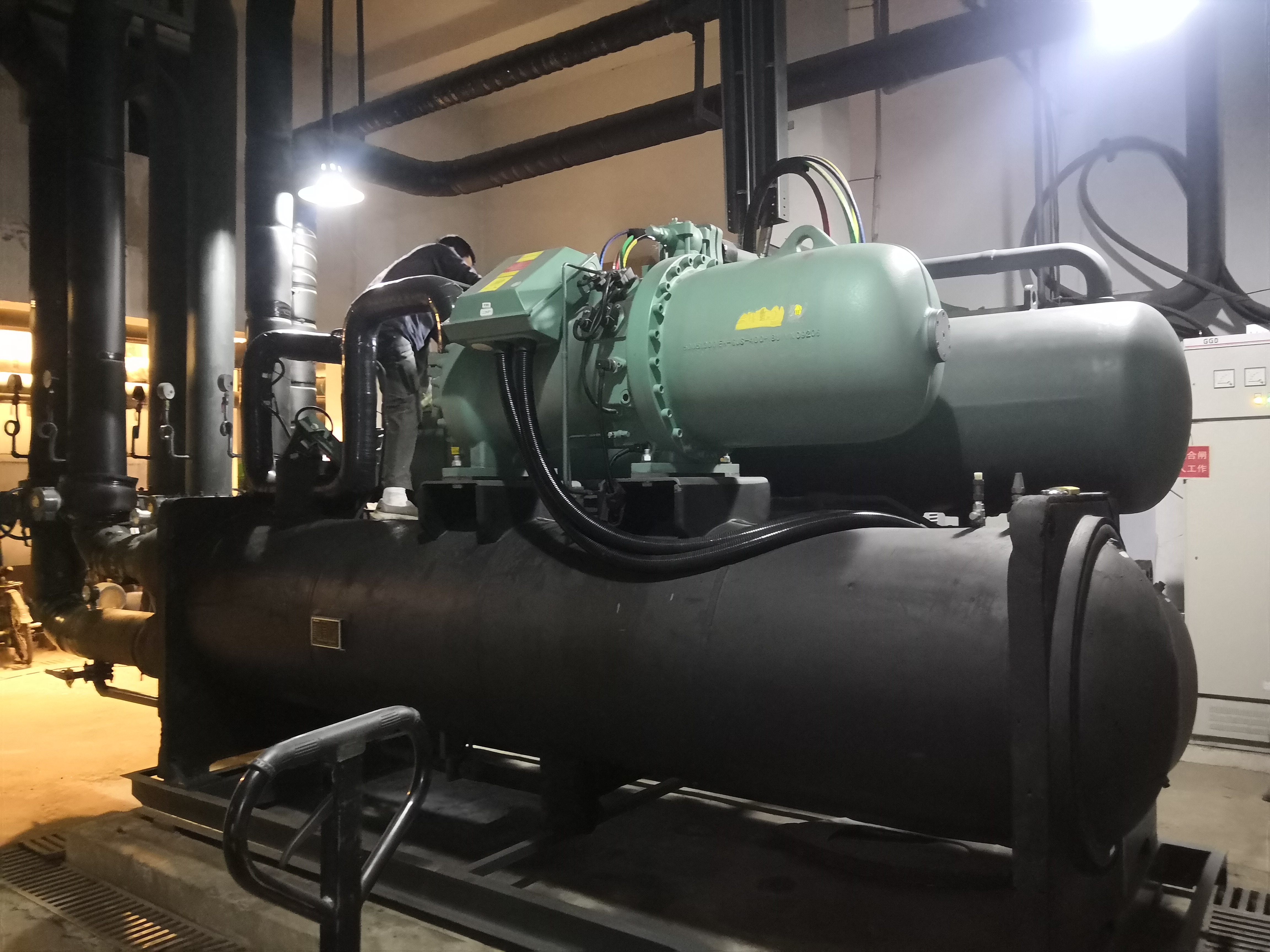
The maintenance methods for York screw compressor units include the following:
Regular Cleaning: Regularly clean the exterior surface of the unit and the surrounding environment to prevent dust and debris from entering the unit, affecting normal operation.
2. Inspect lubricating oil: Regularly check the lubricating oil condition of the lubrication system to ensure normal operation and prevent part damage.
3. Inspect the cooling system: Regularly check the unit's cooling system to ensure smooth flow of coolant, prevent blockages and leaks.
4. Regularly clean heat exchangers to prevent scaling and contamination on the surface, which can affect heat dissipation efficiency.
5. Inspect the electrical system: Regularly check the wiring and connections of the electrical system to ensure the normal operation of electrical components and avoid circuit malfunctions.
6. Regular Maintenance: Perform routine maintenance as per the York screw compressor's maintenance manual, including tasks such as replacing filters and cleaning sensors.
7. Regular Maintenance: Conduct comprehensive inspections on a regular basis to check all components and parts of the unit, promptly identify and repair issues, ensuring the unit operates smoothly and maintains optimal performance.
Above are some maintenance methods for York screw compressor units; the specific operations should be implemented according to the model of the unit and the maintenance manual. If you have any other questions, feel free to continue asking.
The steps for cleaning a screw-type ground-source heat pump are as follows:
Turn off the ground-source heat pump system and water supply.
2. Locate and open the exhaust valve of the ground-source heat pump system to drain the water from the system.
3. Open the inlet valve of the heat pump system and circulate clean the entire system using a solution of cleaning agent. A specialized ground-source heat pump cleaner can be used, following the instructions on the cleaner's manual for proper dilution.
4. Rinse off the cleaning agent with high-pressure water or a hose, ensuring all dirt and impurities are completely removed from the system.
5. Inspect and clean the filters and water pumps. You can clean the filters by rinsing with water or by removing them to scrub with a brush. When cleaning the water pump, disassemble the pump body and impeller, then clean with a detergent.
6. Close the exhaust valve and the water intake valve, and restart the ground source heat pump system.
Cleaning a ground source heat pump system is a complex task; it is recommended to seek technical support or hire personnel to perform the cleaning procedure.
WeChat Official Account

Scan to follow Official Account