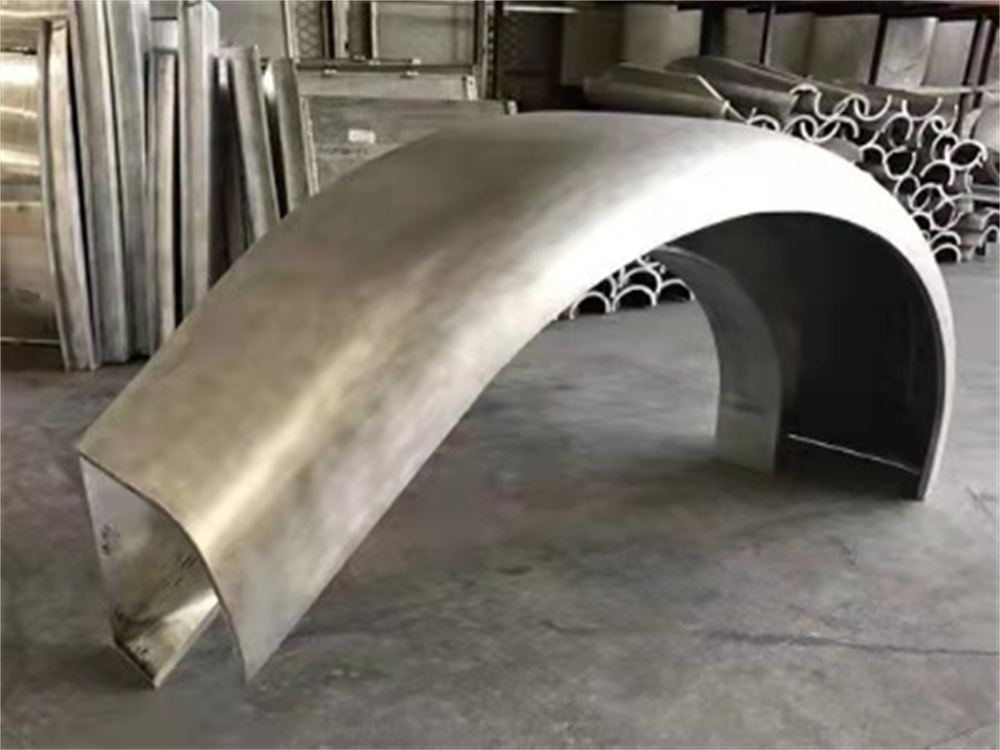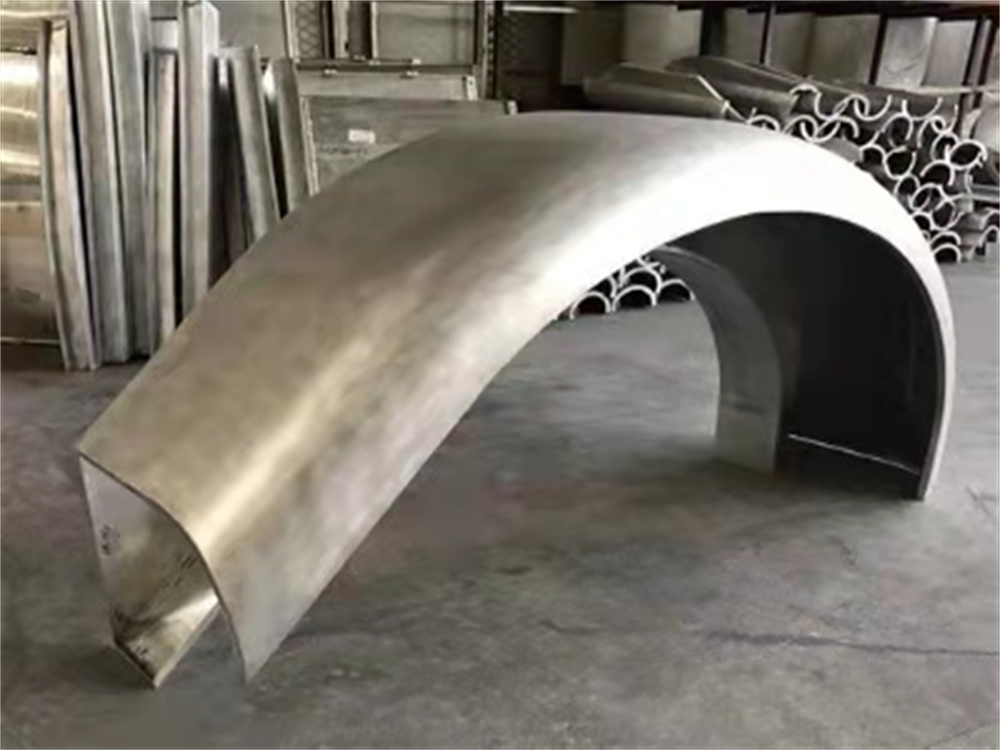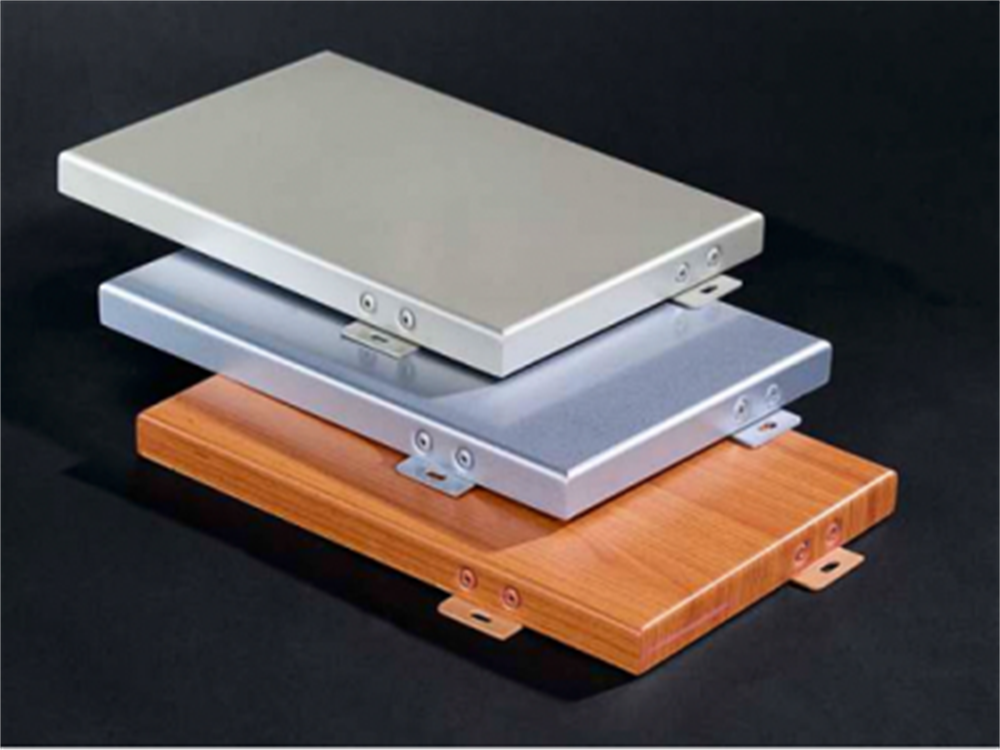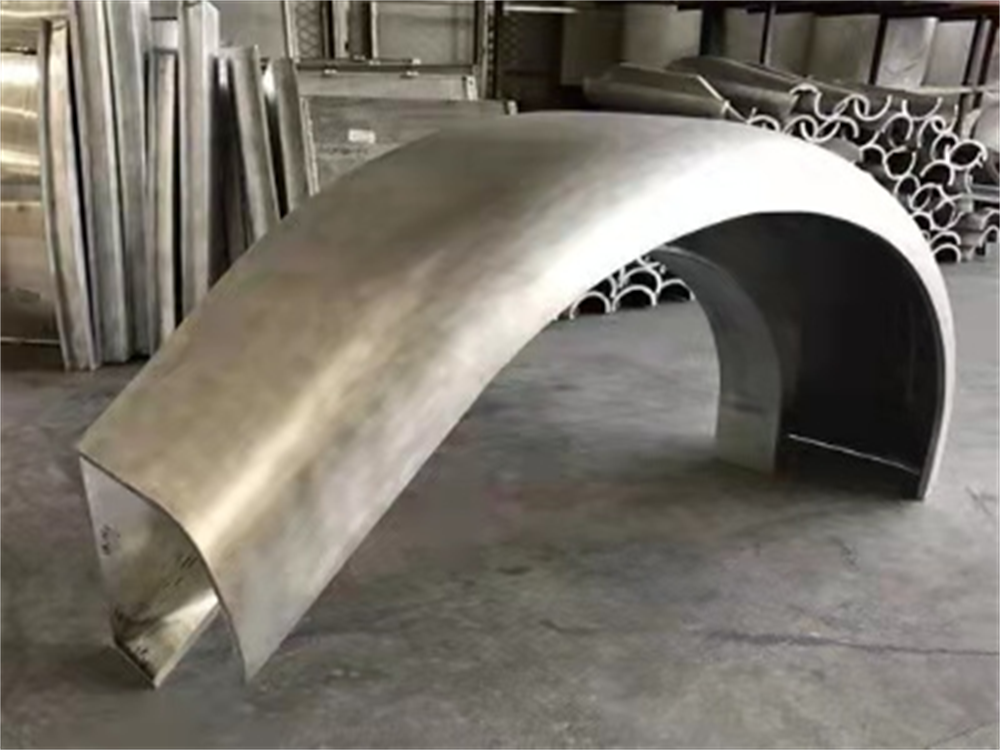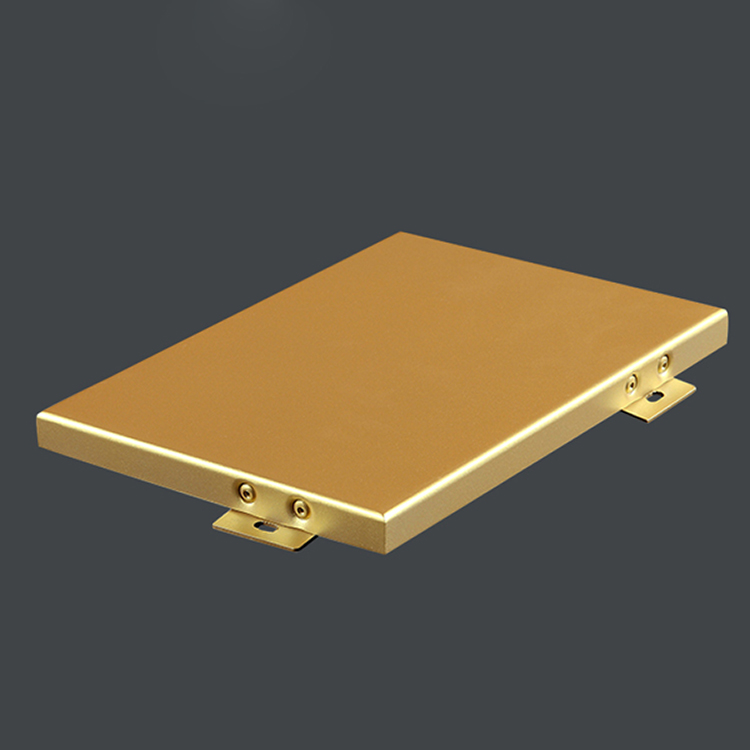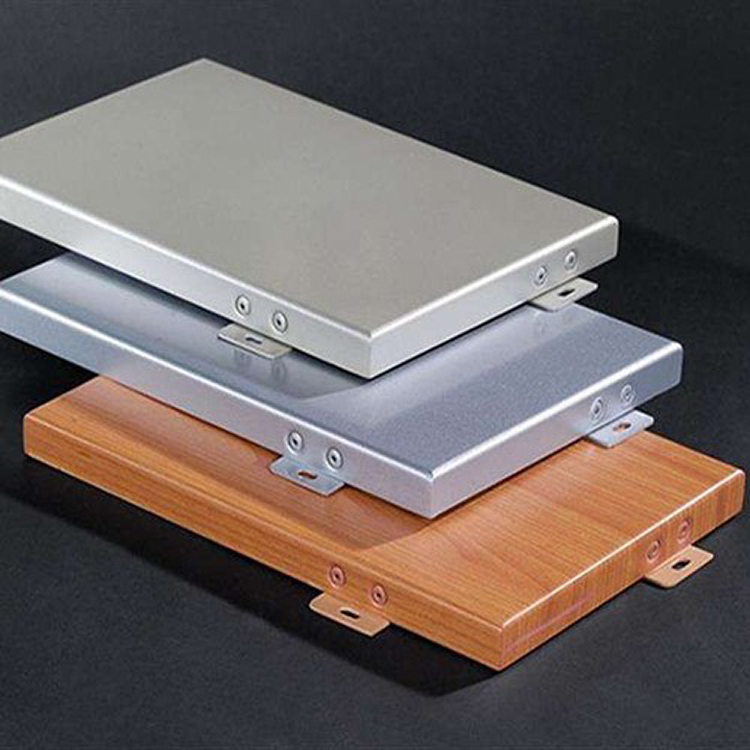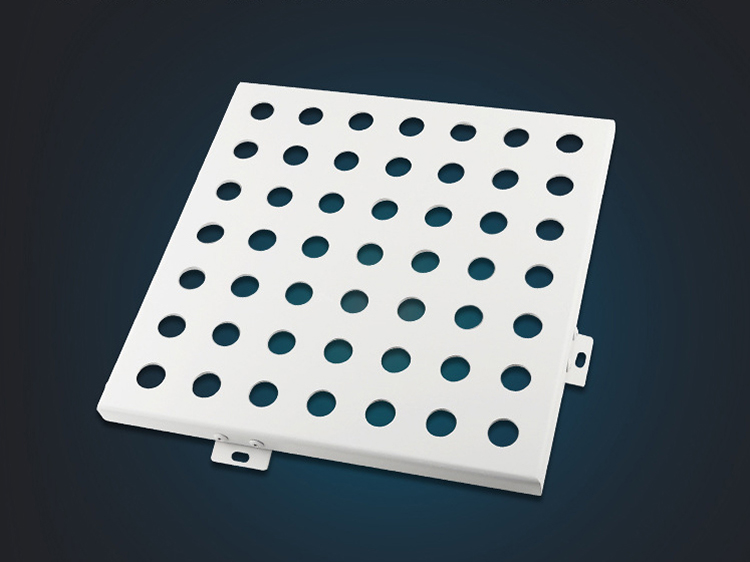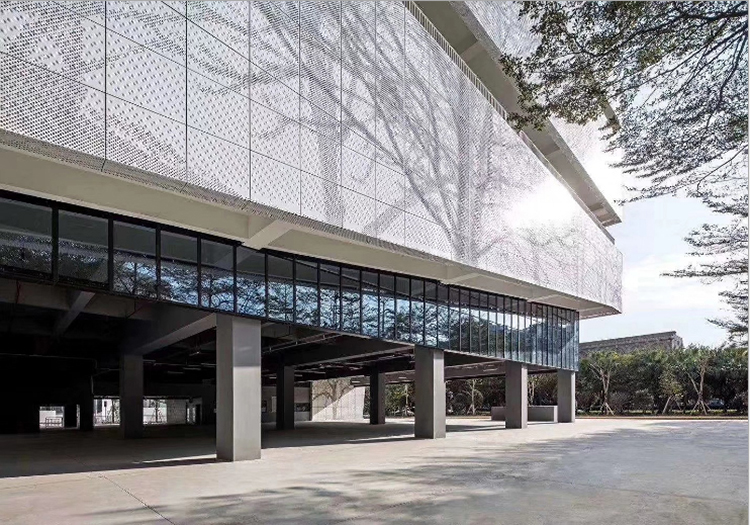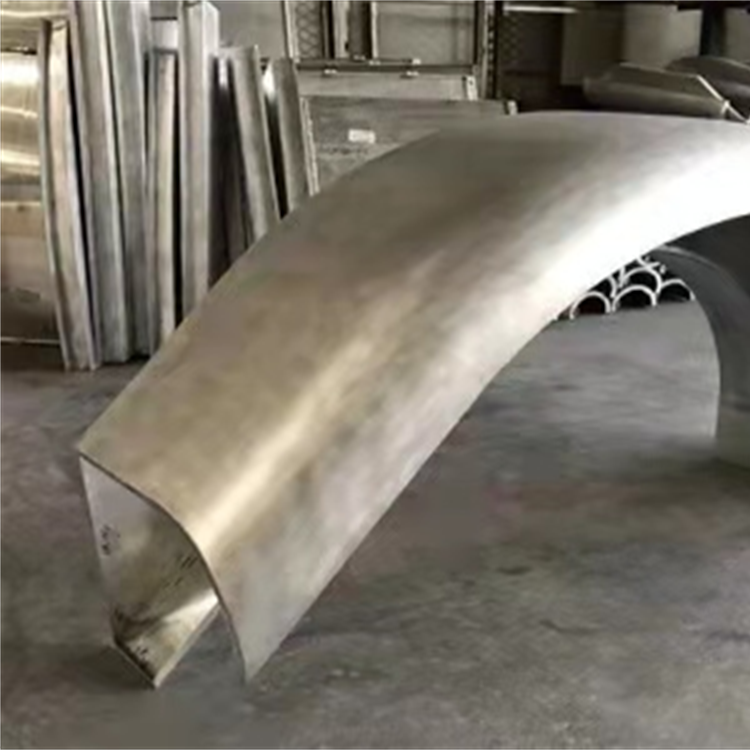

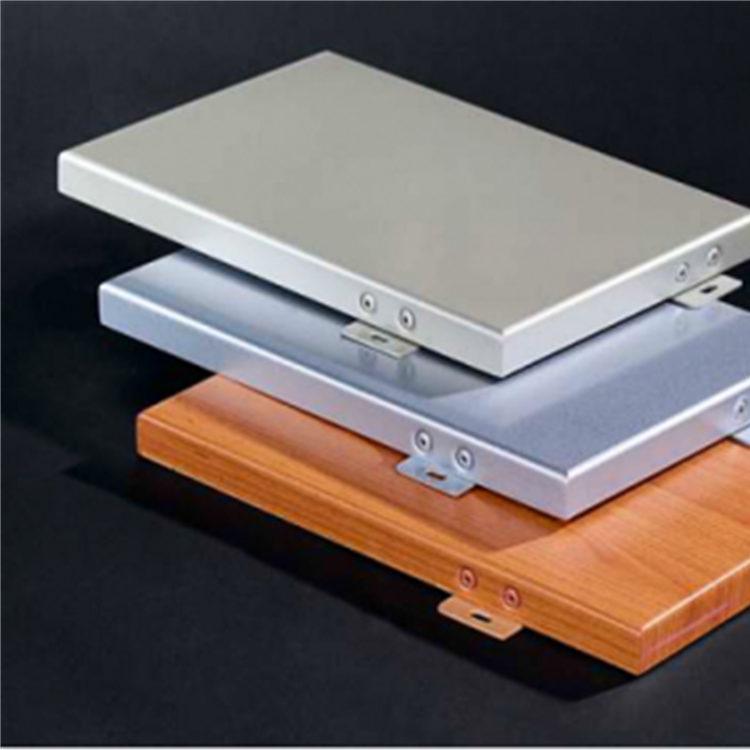
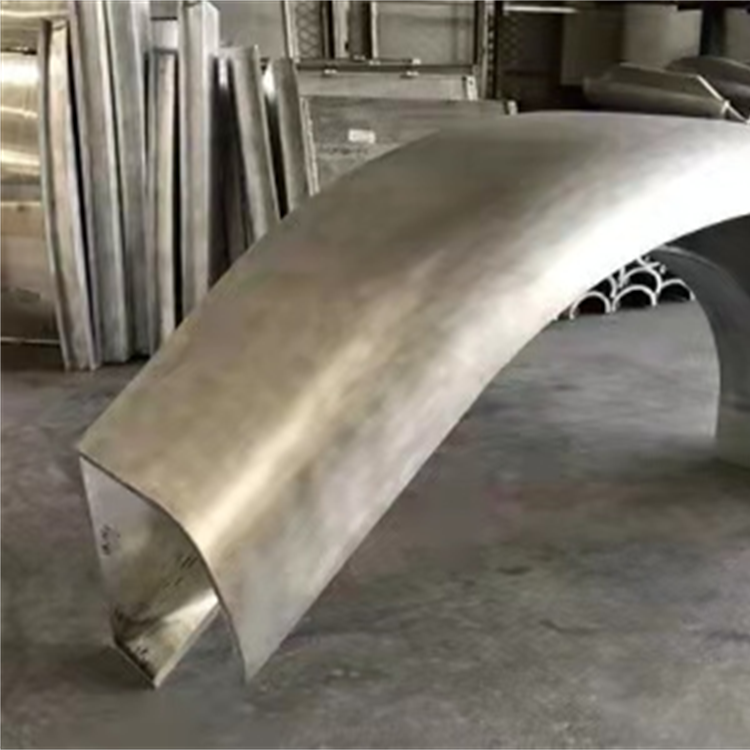


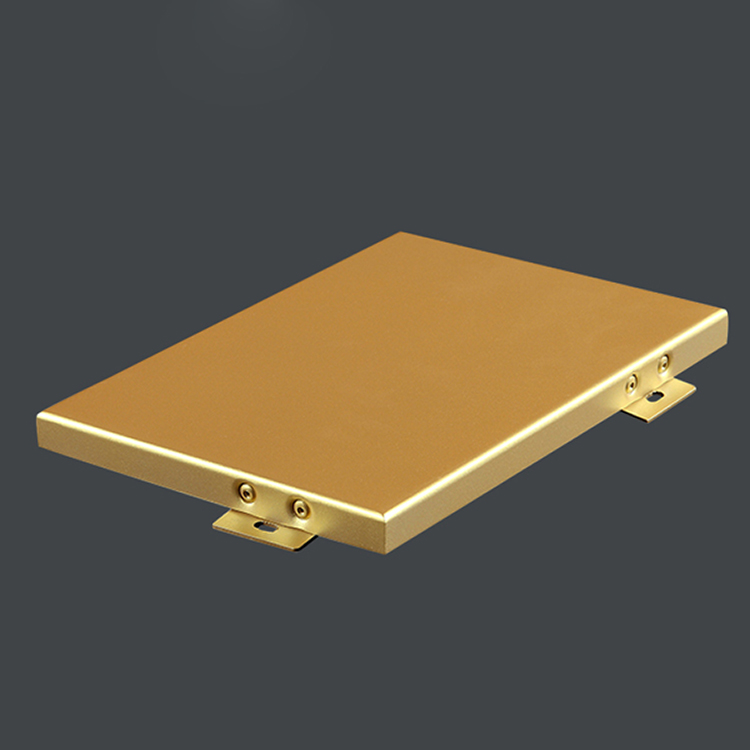
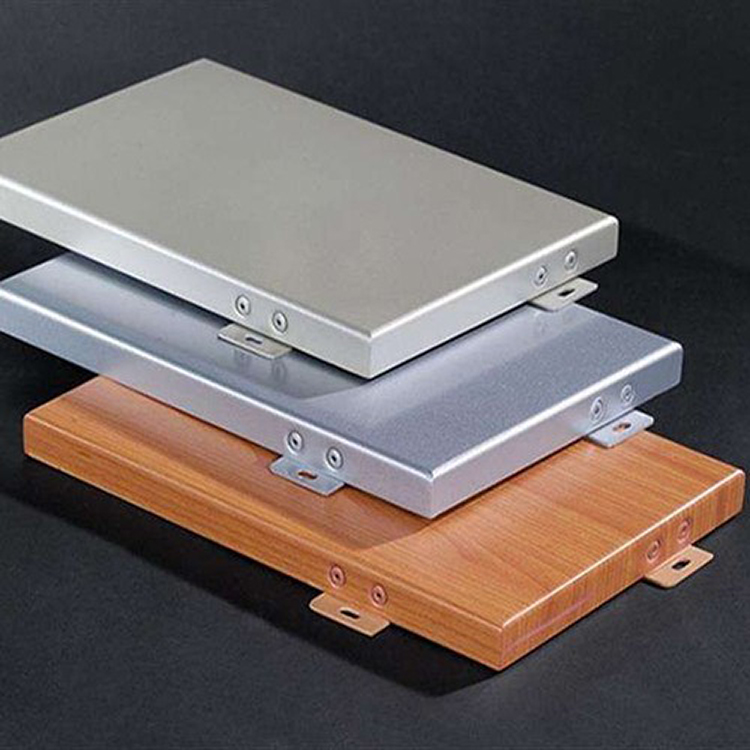
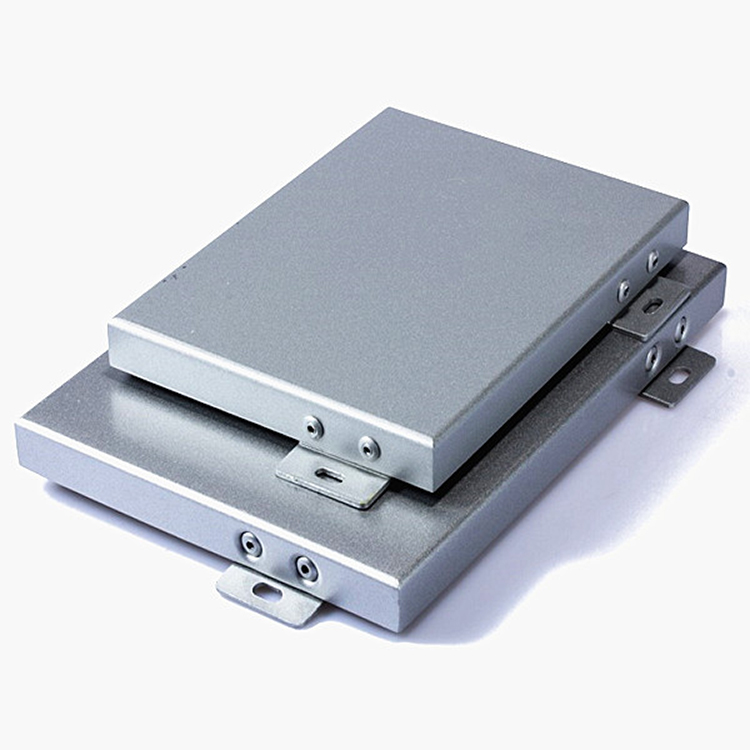
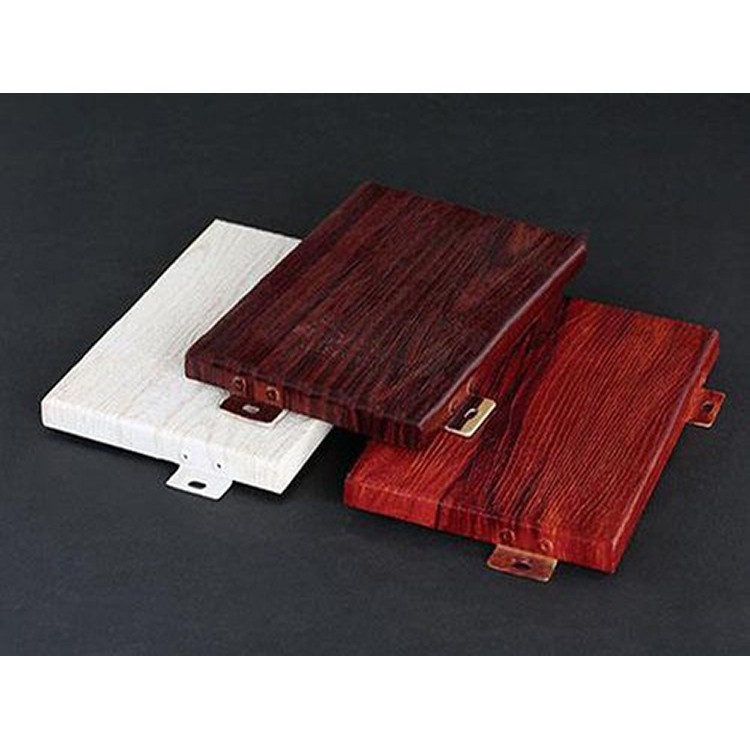





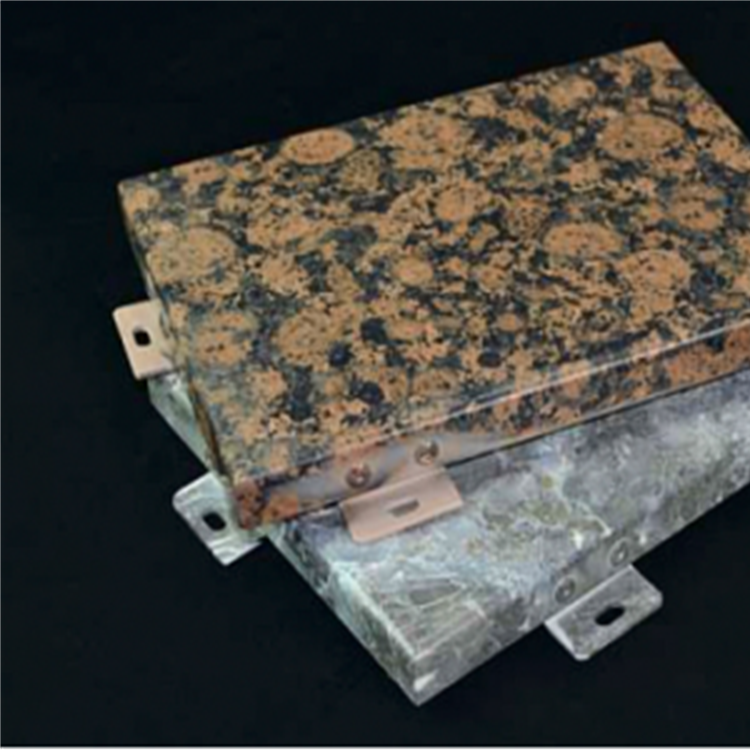
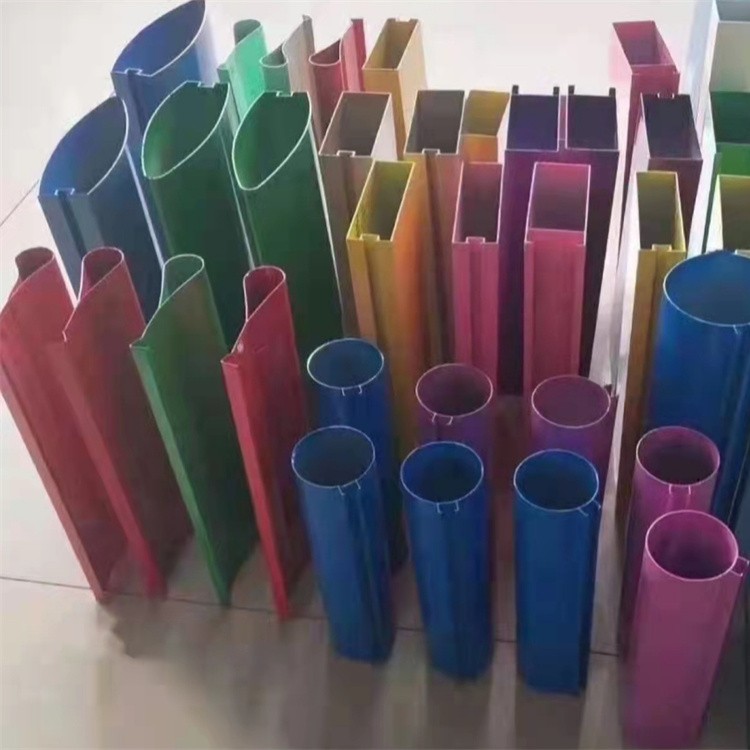
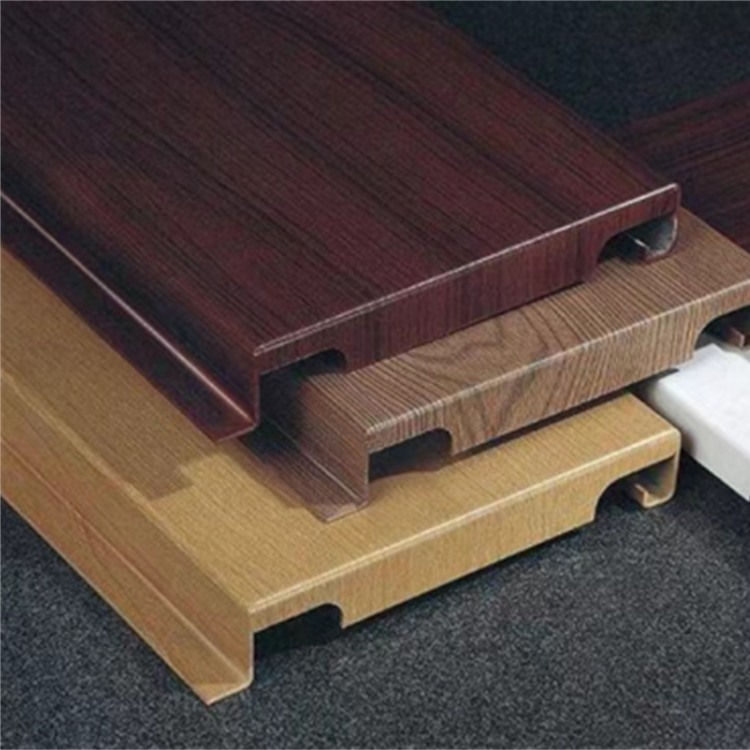
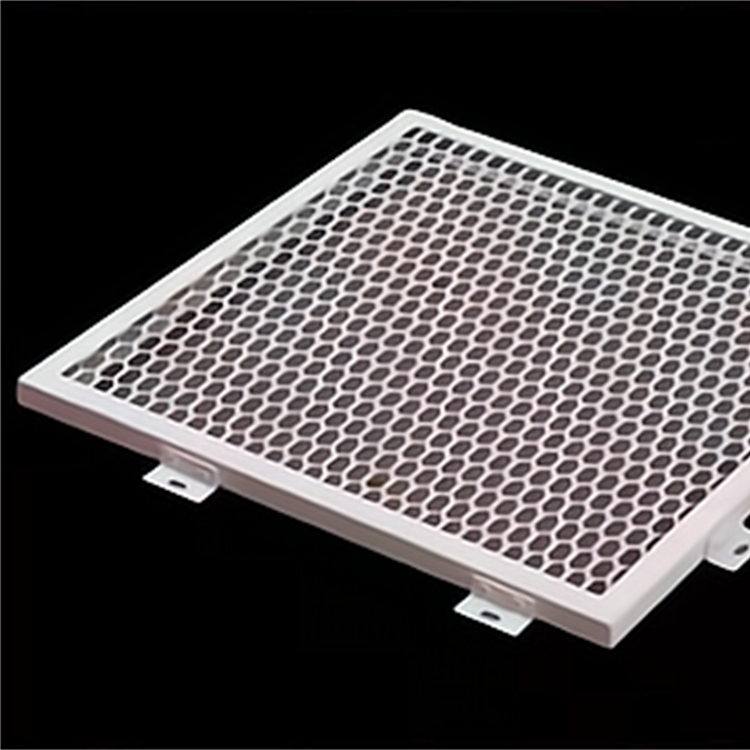
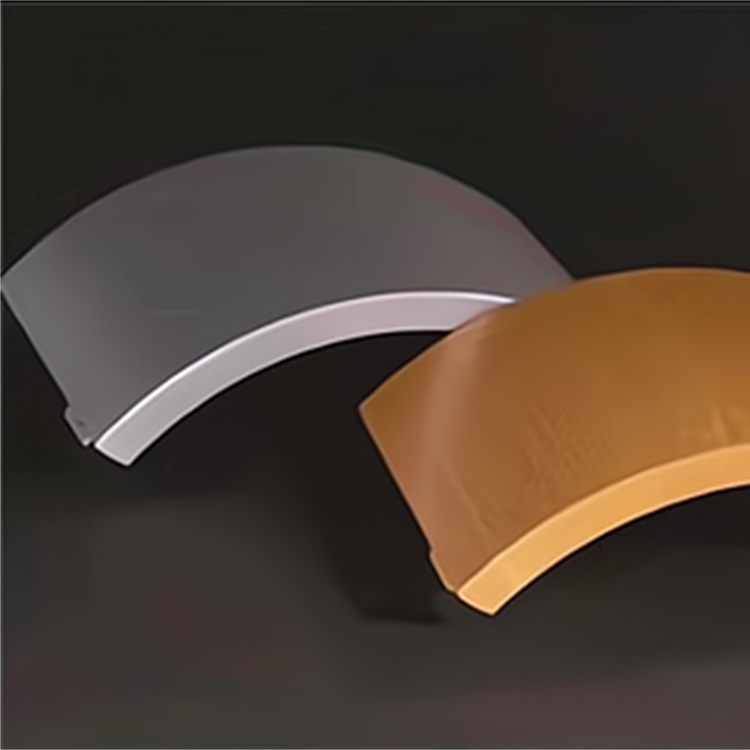
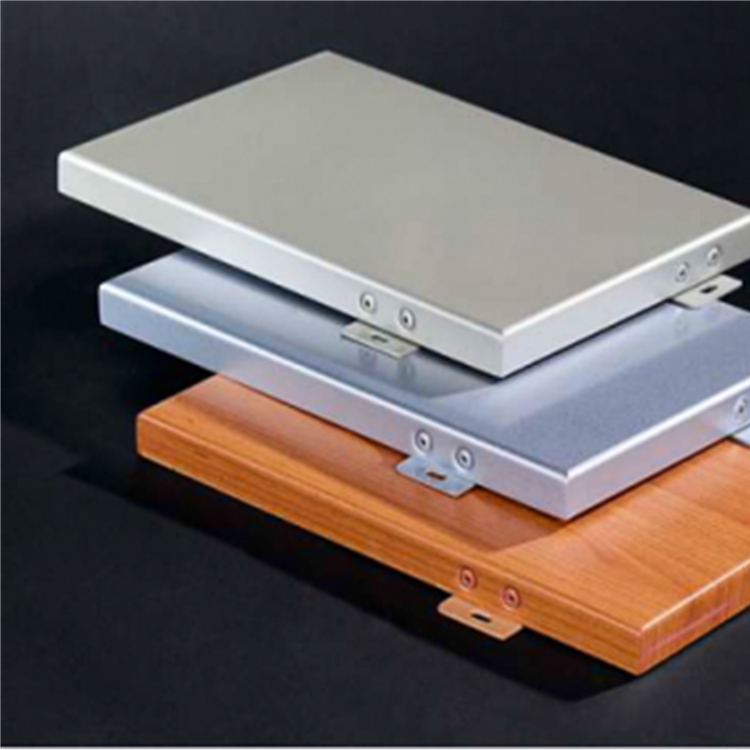
Hypar aluminum panels are a building material with unique shapes and excellent performance, widely used in architectural facades, interior decoration, billboards, and more. Made from high-quality aluminum alloy materials, they undergo precise processing and surface treatment, featuring light weight, high strength, corrosion resistance, and easy cleaning.
Firstly, the weight of the hyperbolic aluminum panel is light, being only half or even lighter than traditional materials like stone and glass. This allows for greater flexibility in structural design of buildings, reducing the load pressure on the structure and enhancing the safety and stability of the building.
Secondly, hyperbolic aluminum single panels boast high strength and durability. The aluminum alloy material itself has high strength and hardness, and after processing, it forms a hyperbolic structure, making the panel even more robust and durable. Even under harsh weather conditions such as strong winds and heavy rains, hyperbolic aluminum single panels can maintain excellent stability and wind resistance.
In addition, hyperbolic aluminum panels also boast excellent corrosion resistance. Aluminum alloy materials are not easily affected by oxidation and corrosion from external factors, ensuring they maintain their appearance and luster for extended periods. Moreover, the surface treatment of hyperbolic aluminum panels effectively prevents stains and dirt from adhering, making them easy to clean and maintain.
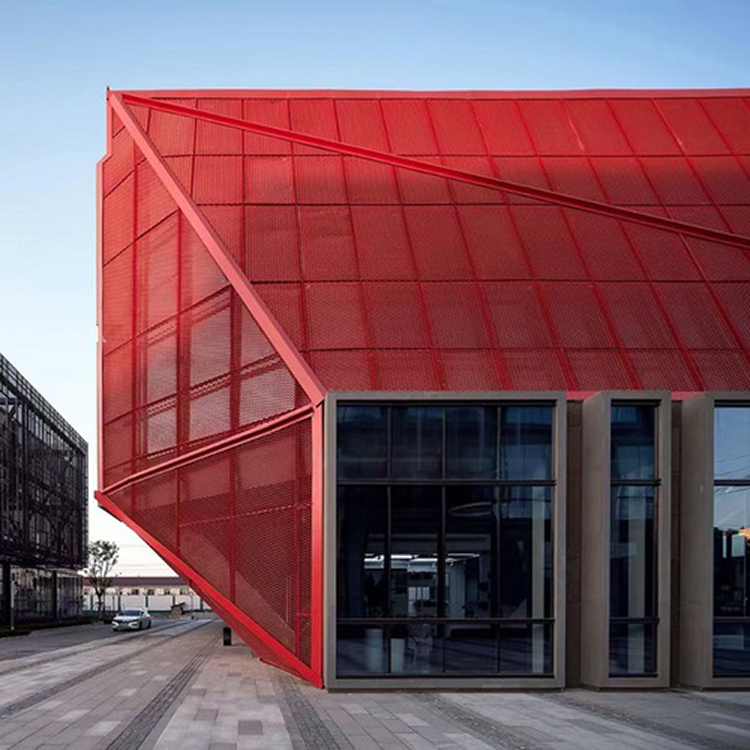
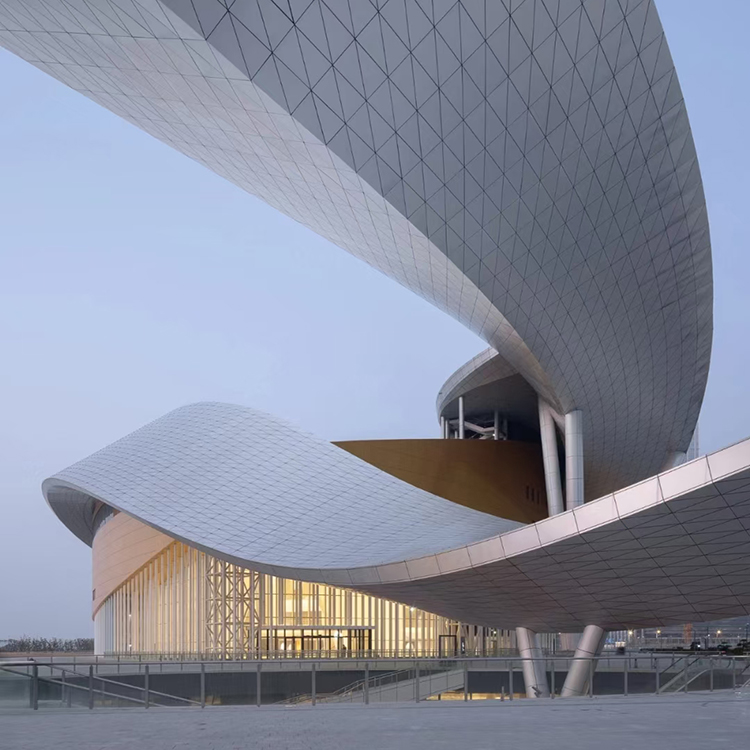
Hyperbolic aluminum panels are extensively used in architectural decoration. Thanks to their unique shape and excellent performance, they can be applied in various architectural facade designs, such as curved and wavy, adding an artistic and fashionable touch to buildings. Additionally, hyperbolic aluminum panels can also be used for interior decoration, like ceilings and walls, creating a unique atmosphere and visual effect for indoor spaces.
In summary, hyperbolic aluminum panels, as a building material, boast features such as light weight, high strength, corrosion resistance, and ease of cleaning. They are widely used in architectural facades, interior decoration, and other fields. Their introduction not only enriches the selection of decorative materials for buildings but also offers architects more design possibilities.