








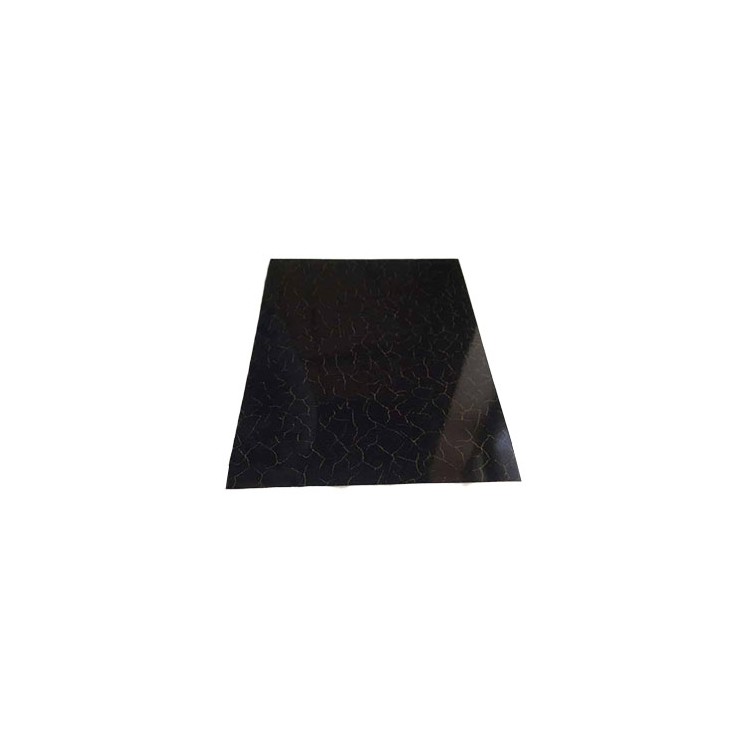
Detailed Description:
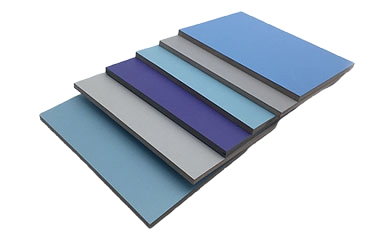
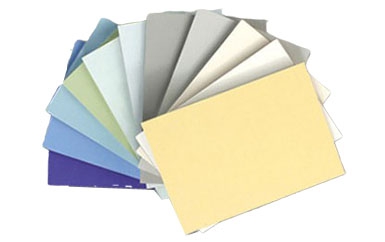
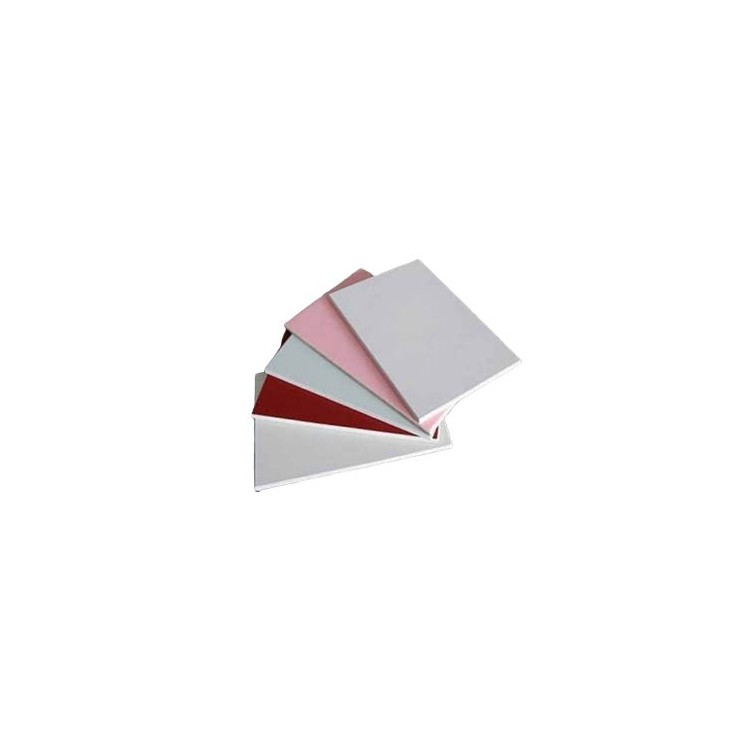
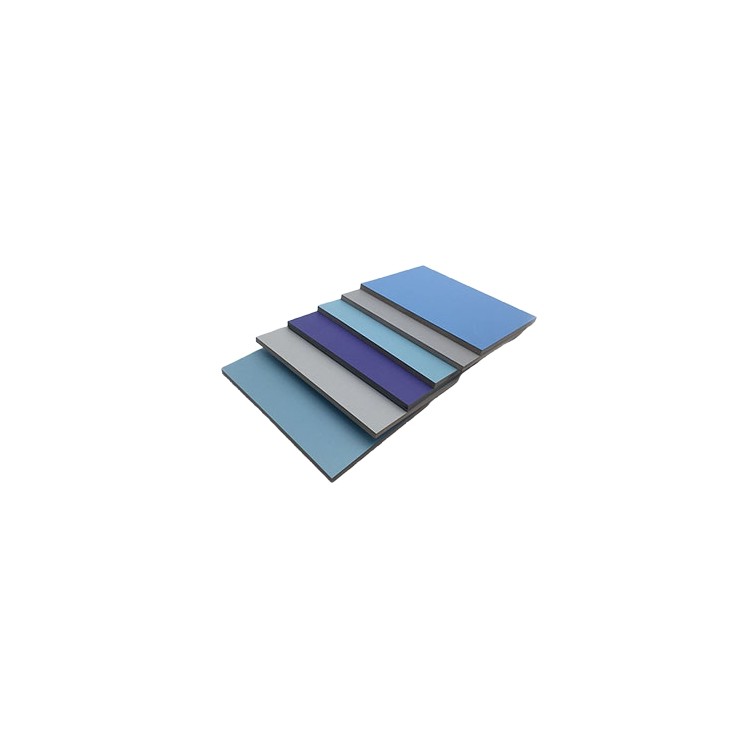
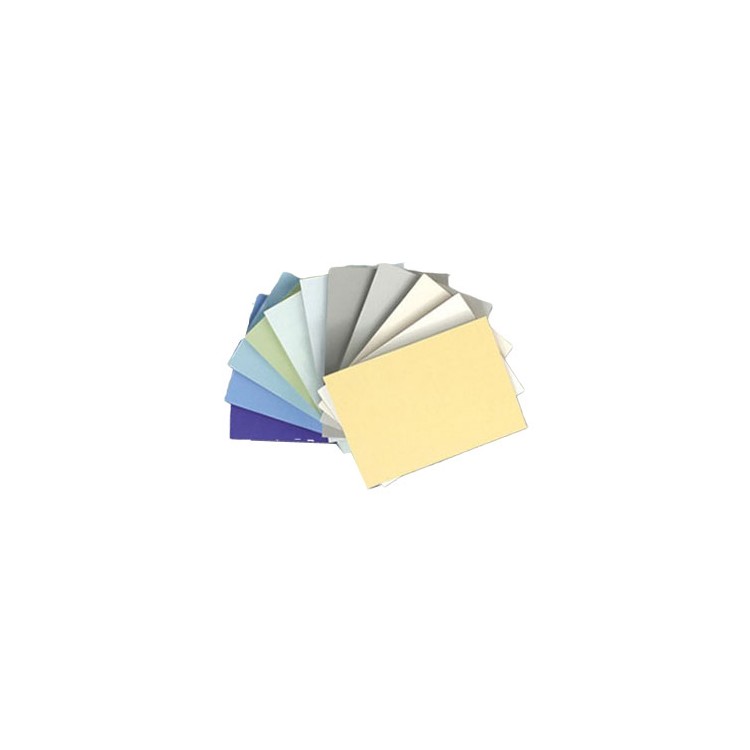
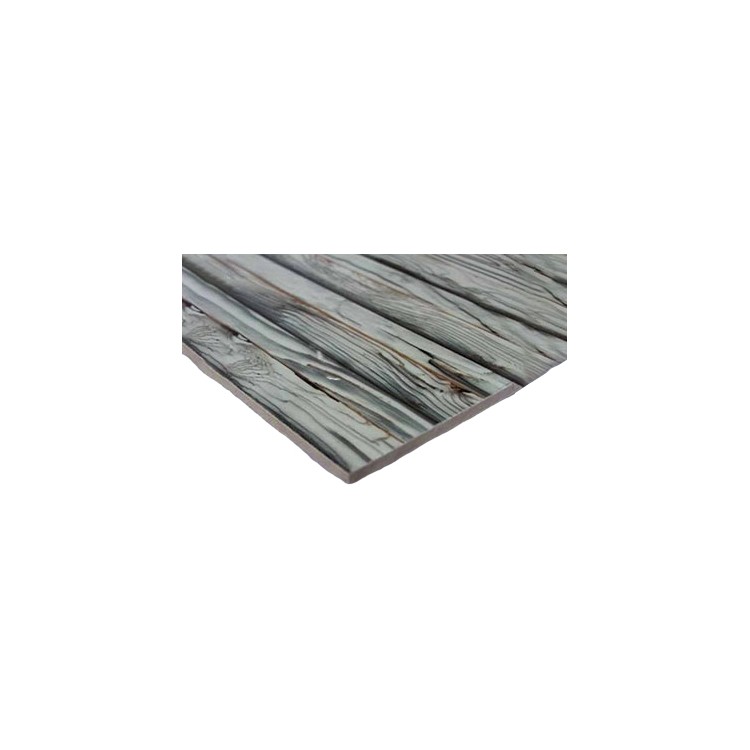
Antibacterial FlooringBy adding a certain amount of antimicrobial agent to the flooring material and processing it, antimicrobial flooring is produced. Antimicrobial flooring inhibits the growth of surface bacteria, thereby achieving long-term hygiene and safety.
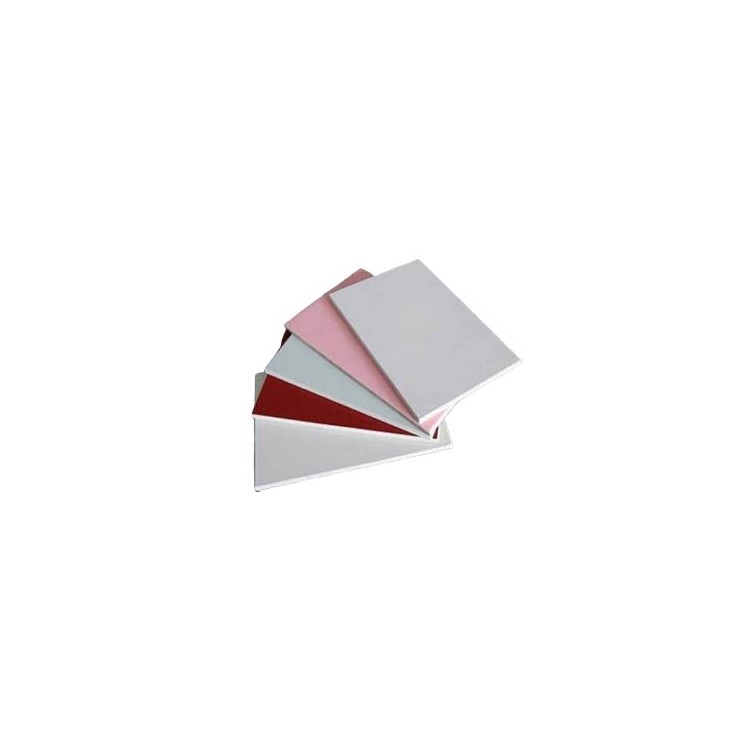
Antibacterial PanelMeaning
Sterilization: The complete destruction of all reproductive forms and spores of microorganisms on an object, known as sterilization. There are many sterilization methods, mainly divided into physical and chemical categories. The most commonly used include: high-temperature and high-pressure sterilization, and chemical drug sterilization.
Disinfection: A method that can only kill general pathogenic microorganisms is called disinfection.
Sterilization: The action of killing vegetative and reproductive bodies of microorganisms is referred to as sterilization.
Antibacterial: The action of preventing or inhibiting the growth and reproduction of microorganisms is called antibacterial. Medications used for antibacterial purposes are referred to as antibacterial agents or preservatives.
Antibacterial: The combined action of inhibiting and killing bacteria is referred to as antibacterial.

Floor Selection
Antibacterial wood flooring is simply the addition of a certain amount of antibacterial agent to the flooring material, which is then processed. It inhibits the reproduction of surface bacteria, thereby achieving long-term hygiene and safety. Antibacterial flooring is increasingly gaining consumer attention and preference.
The primary reason is the increasing living standards, the growing awareness of health and environmental protection, especially influenced by outbreaks like SARS and avian flu, which have led to a heightened concern and importance placed on home environments by consumers.
Antibacterial wooden floors may vary in their antibacterial components. Generally categorized, antibacterial agents can be divided into two major types: organic and inorganic.
In the wood flooring market, products using inorganic antibacterial agents are more common.
And inorganic antibacterial agents are further divided into three types: silver ion antibacterial agents, photocatalytic antibacterial agents, and zinc oxide whiskers.
Silver ion antibacterial agents utilize the antibacterial properties of silver, fixing silver ions on the surface of porous materials like zeolite through physical adsorption and ion exchange methods.
The main component of the photocatalytic antibacterial agent is nano-grade titanium dioxide, which, upon absorbing light, becomes highly energetic and transfers this energy to the reactants, causing a chemical reaction. This process aims to eliminate airborne bacteria, molds, and dust mites.
Zinc oxide whiskers can react with oxygen and moisture in the air under normal conditions to release a variety of antibacterial substances, including oxygen atoms, hydroxyl radicals, and negative oxygen ions. Additionally, zinc ions can react with enzymes in bacteria to kill them.
These three inorganic antibacterial agents do not have different grades, so consumers should also consider comprehensive indicators such as the original brand's quality, price, and after-sales service when making a purchase.