
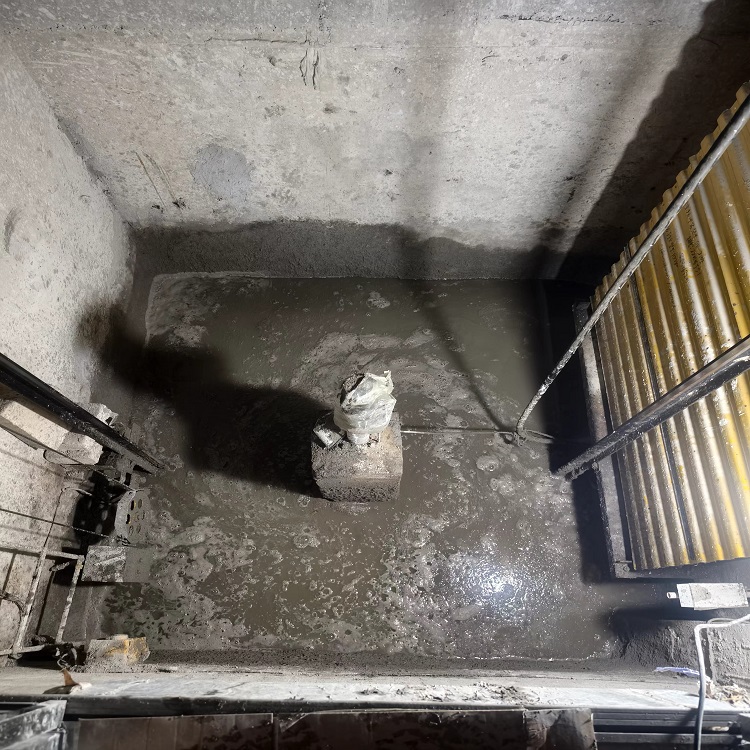
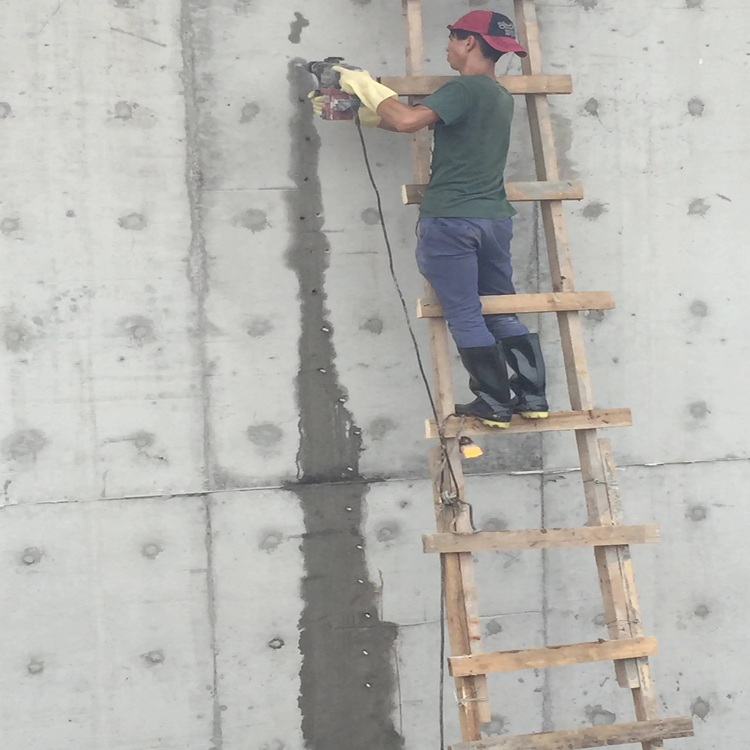








When cutting bridge abutments, ensure the safety of the site and surrounding environment. Make sure all personnel involved in the cutting operation are aware of and familiar with emergency procedures, and that all equipment has been inspected and meets safety requirements. Additionally, all tools and materials should be placed in designated areas, and ensure that the cutting operation does not impact the surrounding environment. Railway bridge abutment cutting must adhere to certain important steps and safety regulations:

Ensure safe cutting operations: A qualified person must guide and supervise before starting any operation.
2. Utilize appropriate tools: Employing the right tools is crucial for any cutting job. In railway bridge cutting, tools like jackhammers and saws may be required.
Ensure safe distance: Ensure that operators maintain adequate distance from the edge to prevent accidental collisions.
4. Wear appropriate protective gear: Operators must wear helmets and protective goggles to prevent debris from injuring the eyes or head.
5. Adhere to the workflow: Follow the pre-established workflow and ensure all participants are aware of safety regulations.
6. Notify the traffic management department: Prior to any bridge or culvert cutting operations, it is necessary to inform the local traffic management department to prevent traffic congestion and accidents.
Ensure Cutting Quality: After cutting is completed, inspect the quality to ensure it meets the expected standards.
In summary, rail bridge culvert cutting must adhere to relevant safety regulations and operational procedures to ensure personnel safety and the quality of construction.