







Grouting for foundation settlement is a common method used to address foundation issues, suitable for dealing with problems like foundation settlement and uneven soil. The principle of grouting reinforcement is to inject a bonding agent into the foundation to enhance the cohesion between soil particles, forming an integrated structure, thereby improving the bearing capacity of the foundation and reducing settlement.


Specific operational steps are as follows:
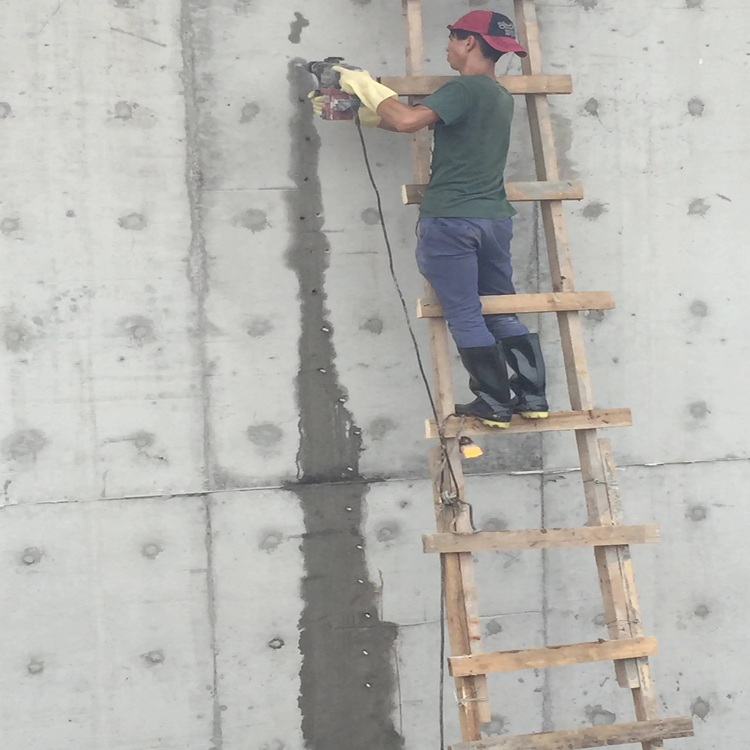
1. Drilling: Holes are drilled into the foundation using a drilling machine, with the depth and size of the holes determined according to the grouting process requirements.
2. Buried Grouting Pipe: The grouting pipe is buried in the hole, including the discharge port extending into the ground at one end and the pipeline at the other end, which can be used to connect other equipment.
3. Sealing Holes: Seal the holes with cement mortar to prevent the slurry from leaking out.
4. Test Grouting: Conduct a trial grouting before the actual process to determine grouting pressure, flow rate, and other parameters, ensuring the equipment operates normally.
5. Formal Grouting: Injecting slurry into the foundation, achieving full reinforcement through multiple grouting cycles.
6. Sealing: After grouting is complete, remove the grouting tube and seal the holes to prevent the grout from leaking out or seeping.
Be mindful that when performing ground sinking grouting, it's crucial to select appropriate foundation materials and adhesives. Additionally, based on the foundation conditions and the requirements of the grouting process, determine suitable parameters and equipment. Also, closely monitor the equipment operation during the grouting process to ensure safe construction.