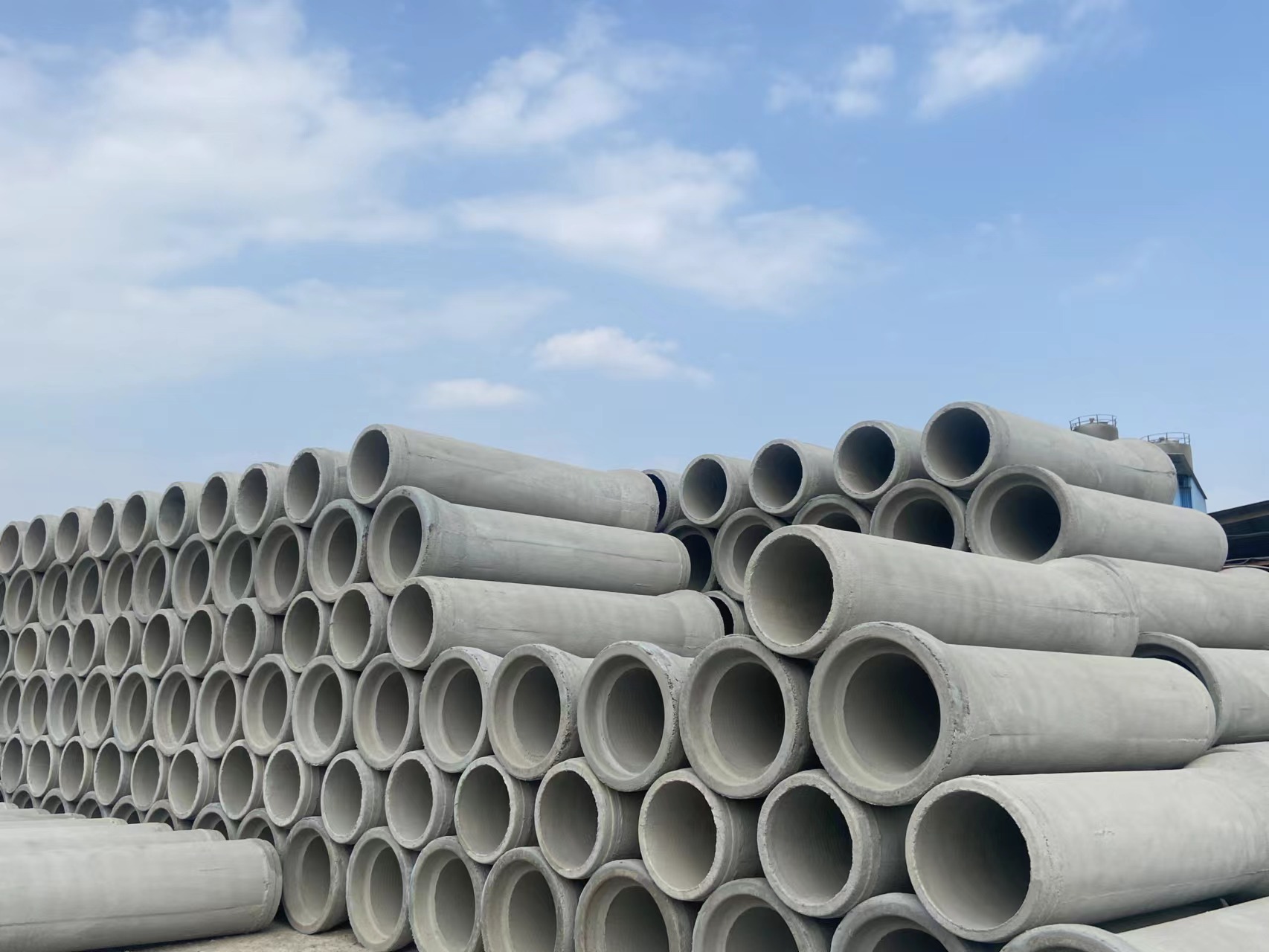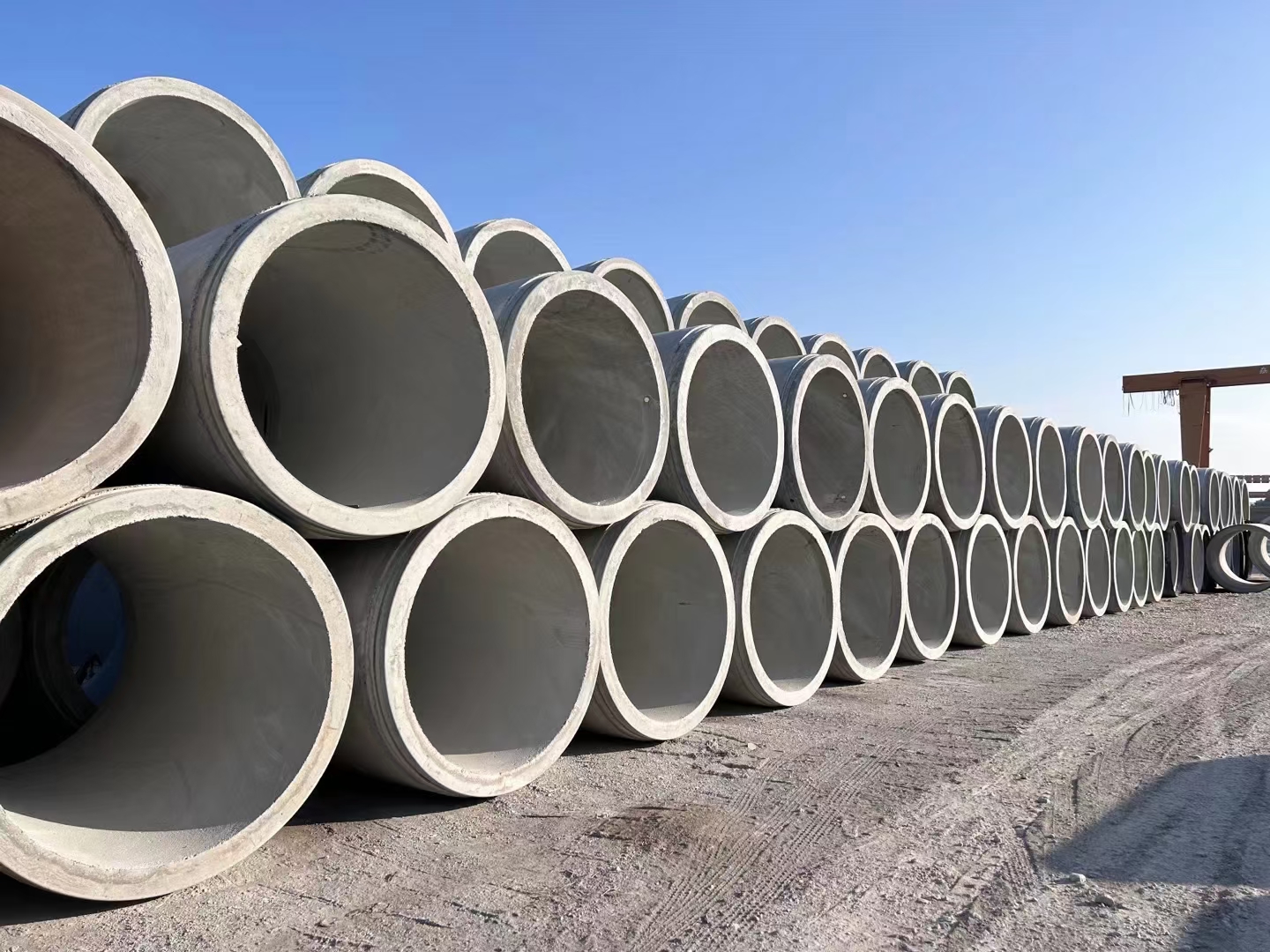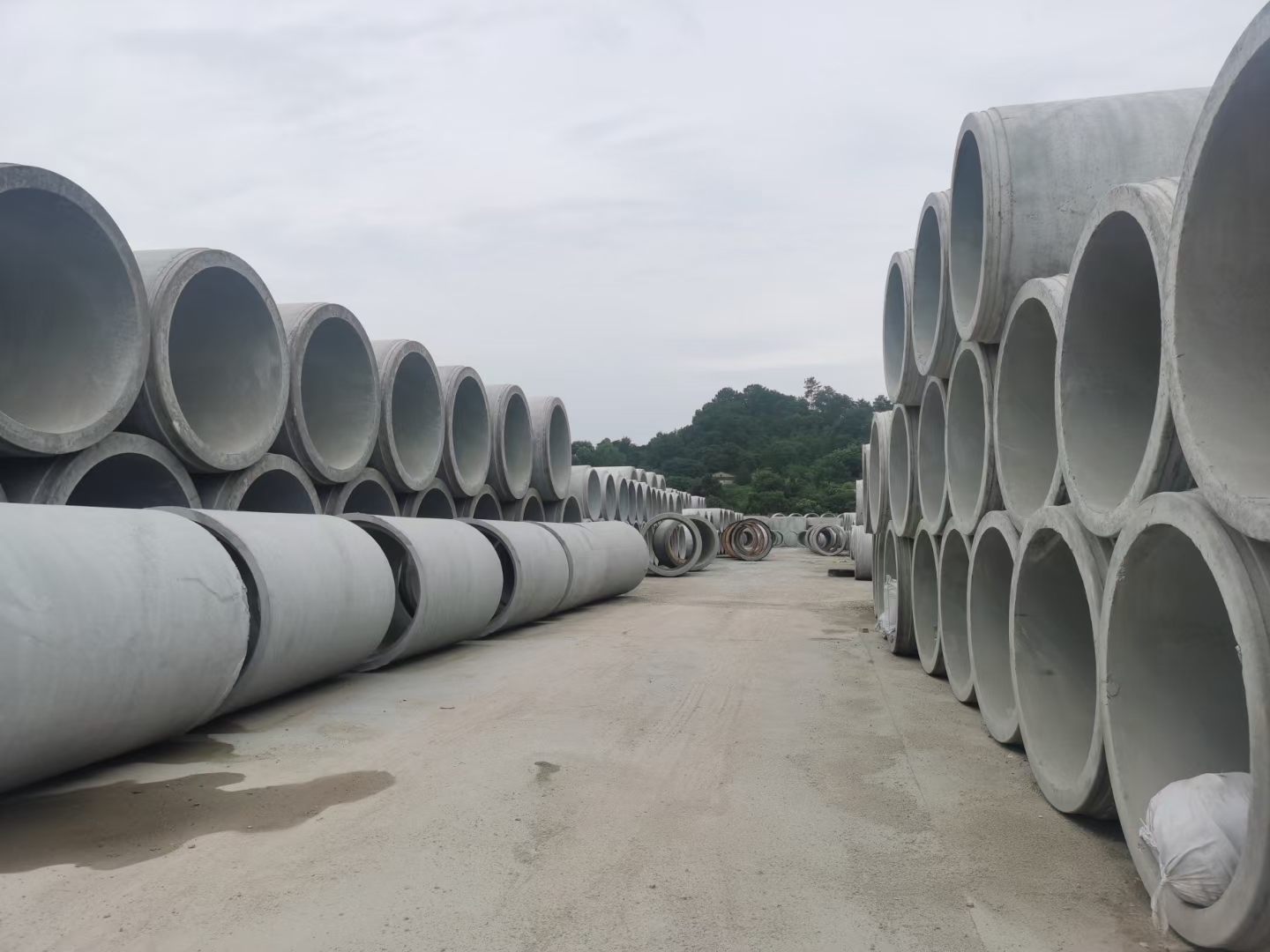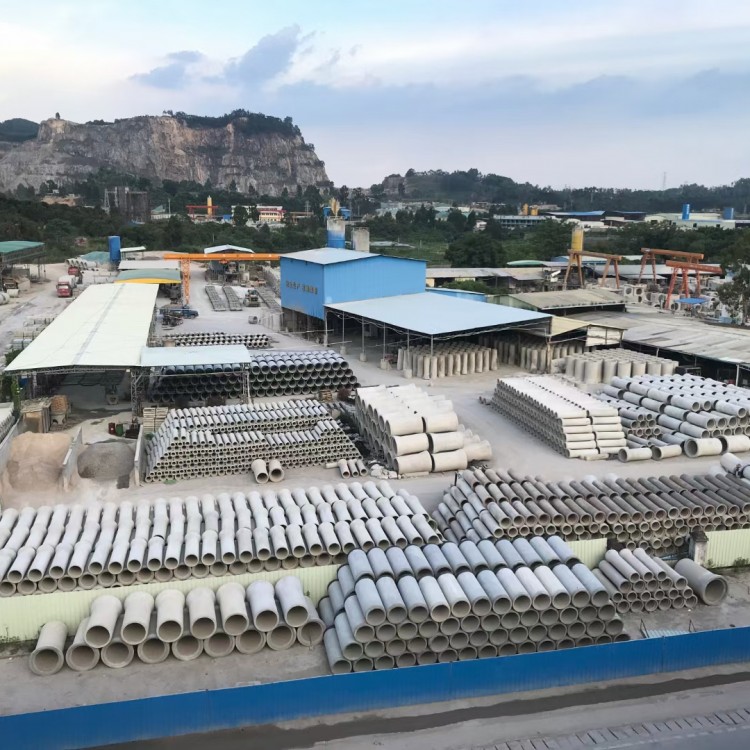












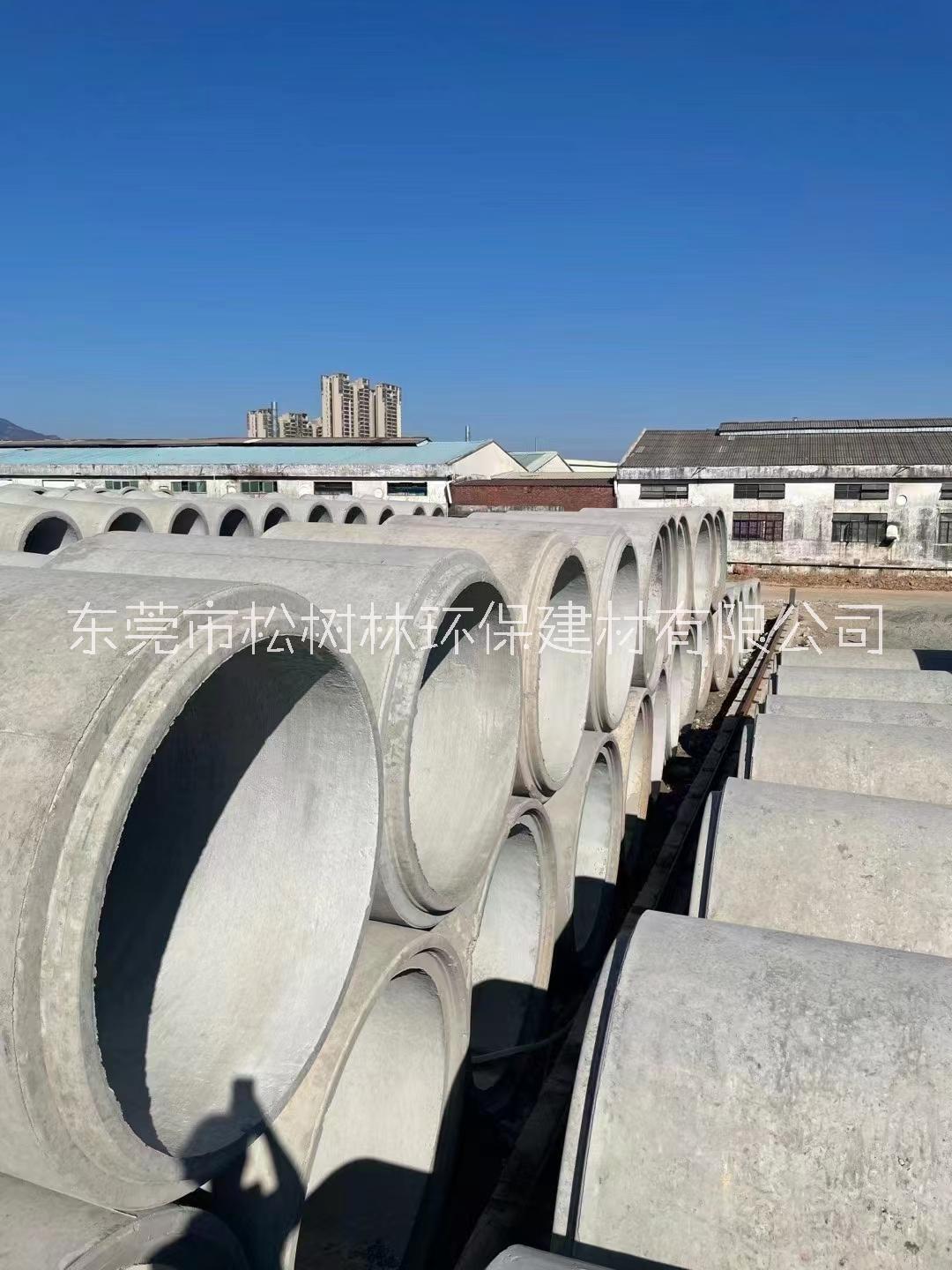
Shenzhen Reinforced Concrete Pipe Pricing, Best Sellers, Manufacturer's Price, Applications [Songshulin Environmental Protection Building Materials Co., Ltd.] Used for conveying water, oil, gas, and other fluids. Concrete pipes are categorized into four types: plain concrete pipes, ordinary reinforced concrete pipes, self-compacting reinforced concrete pipes, and pre-stressed concrete pipes. Depending on the inner diameter of the pipes, they can be classified as small diameter pipes (inner diameter below 400mm), medium diameter pipes (400-1400mm), and large diameter pipes (above 1400mm). Based on the water pressure-bearing capacity, they are divided into low-pressure pipes and pressure pipes, with working pressures generally at 0.4, 0.6, 0.8, 1.0, 1.2 MPa, etc. Compared to steel pipes, concrete pipes, according to the type of pipe joint, can be further divided into flat-end pipes, socket-and-spigot pipes, and tongue-and-groove pipes. Their joint types include cement mortar band joints, wire mesh cement mortar band joints, cement mortar socket-and-spigot joints, and rubber ring socket-and-spigot joints. Concrete pipes are made from batch concrete or reinforced concrete and are used for conveying water, oil, gas, and other fluids. They are available in four types: plain concrete pipes, ordinary reinforced concrete pipes, self-compacting reinforced concrete pipes, and pre-stressed concrete pipes. Their main feature is the use of self-compacting cement (see special cement) to produce pre-stress through expansion during the hardening process, simplifying the manufacturing process. Compared to steel pipes, concrete pipes can save a significant amount of steel, extend service life, require less investment to set up factories, and are easy to install, making them widely used in factories, mines, oil fields, ports, urban construction, and irrigation projects.