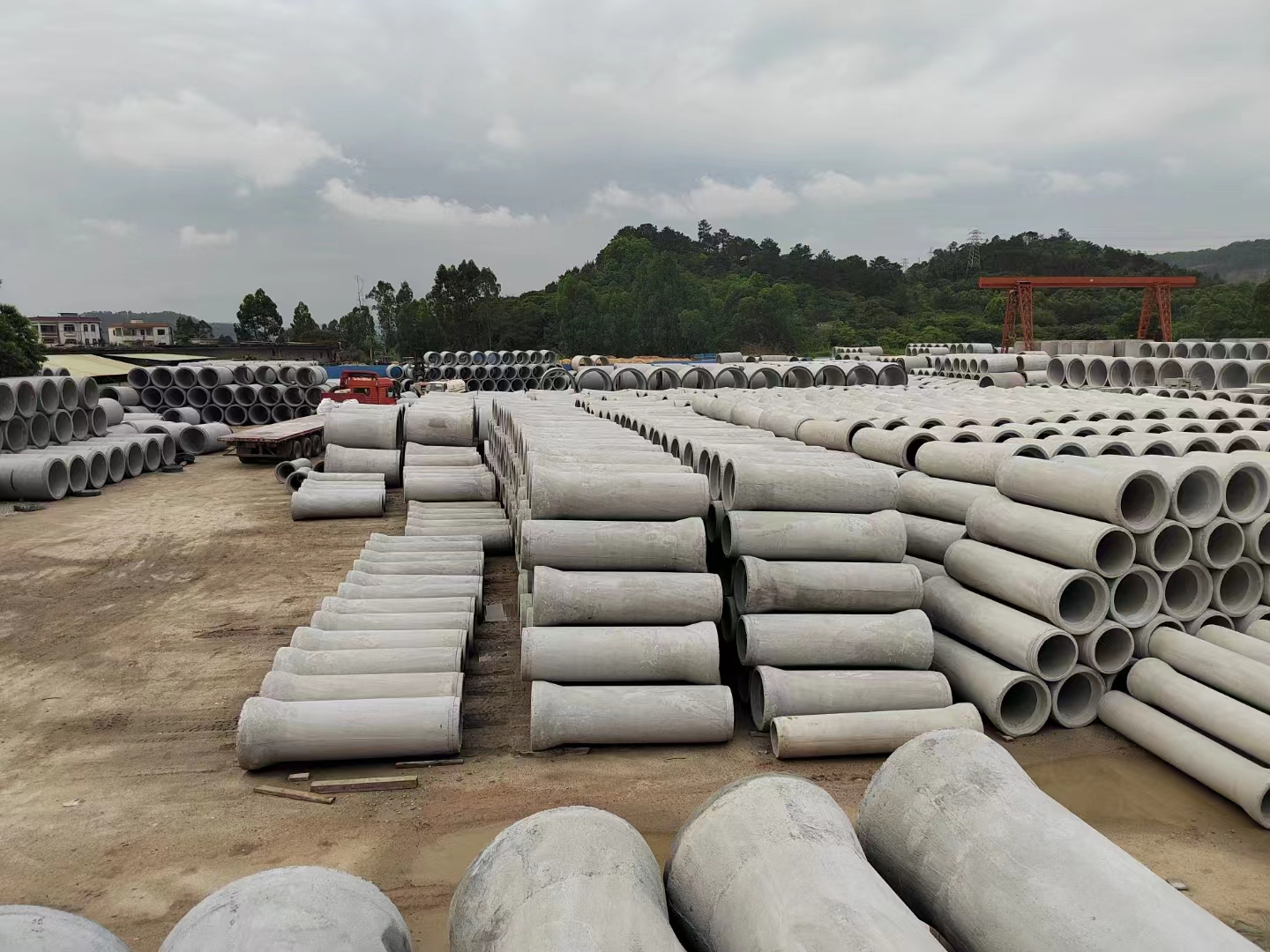













Huizhou Reinforced Concrete Drainage Pipe Price List/Manufacturer Quotation/Specifications
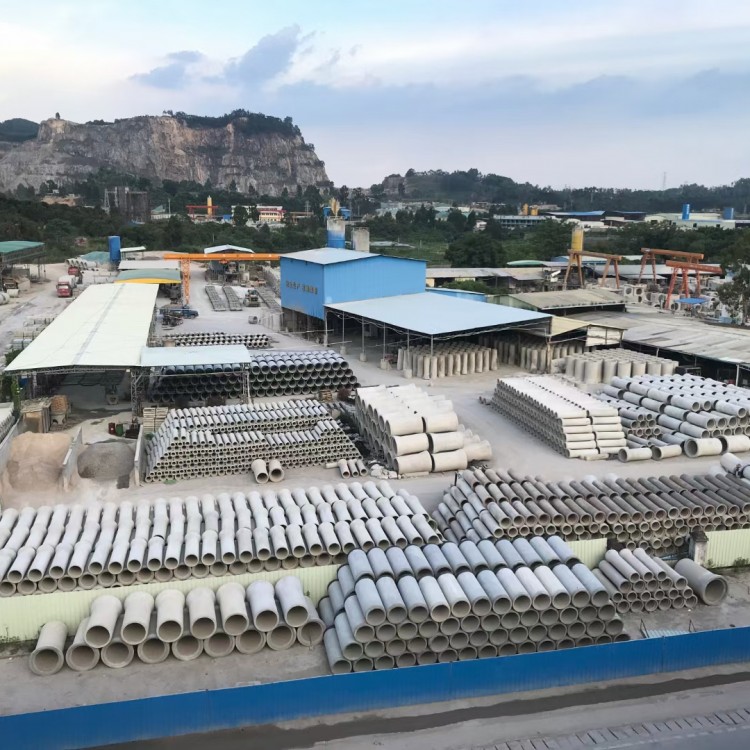
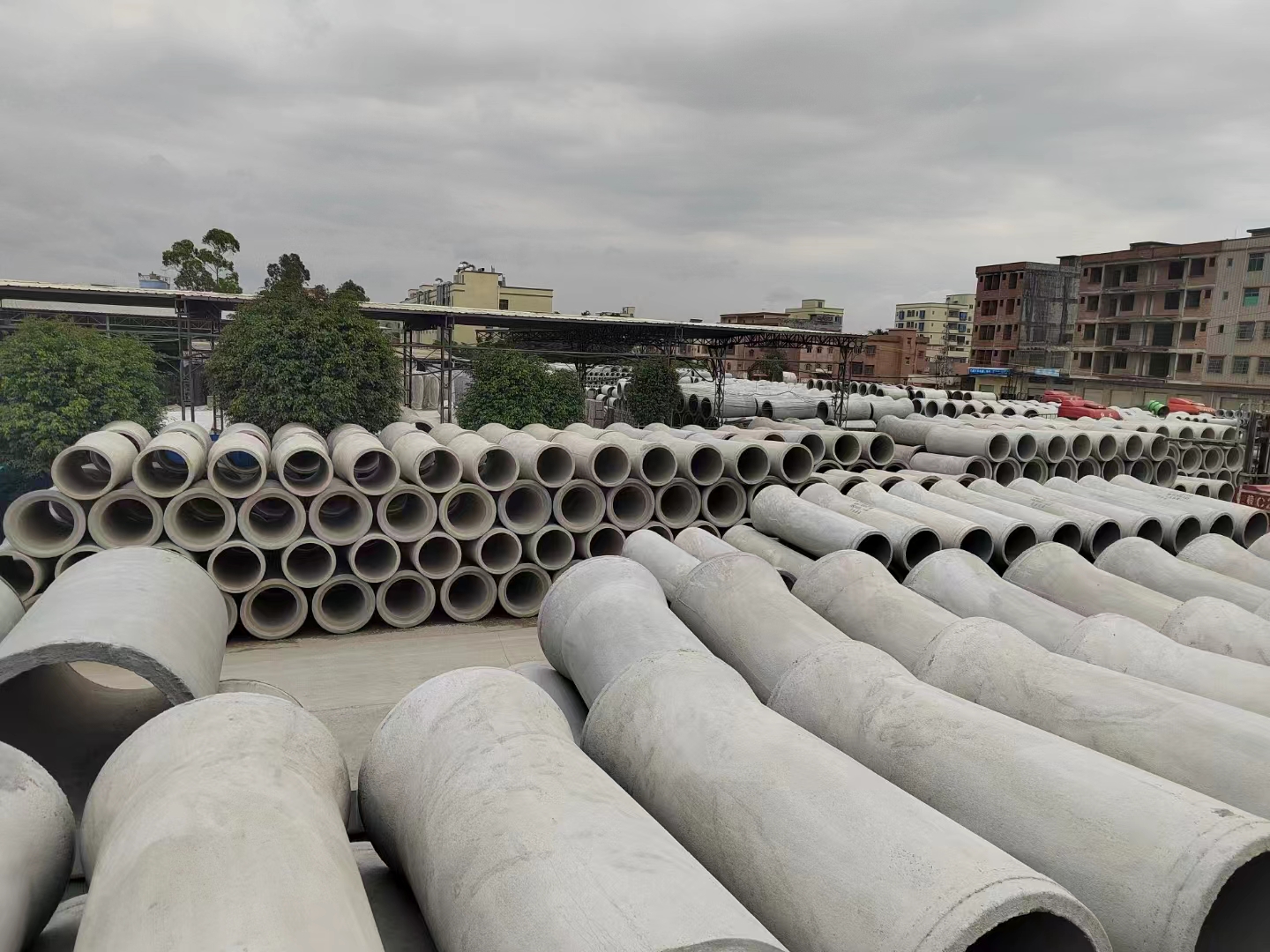
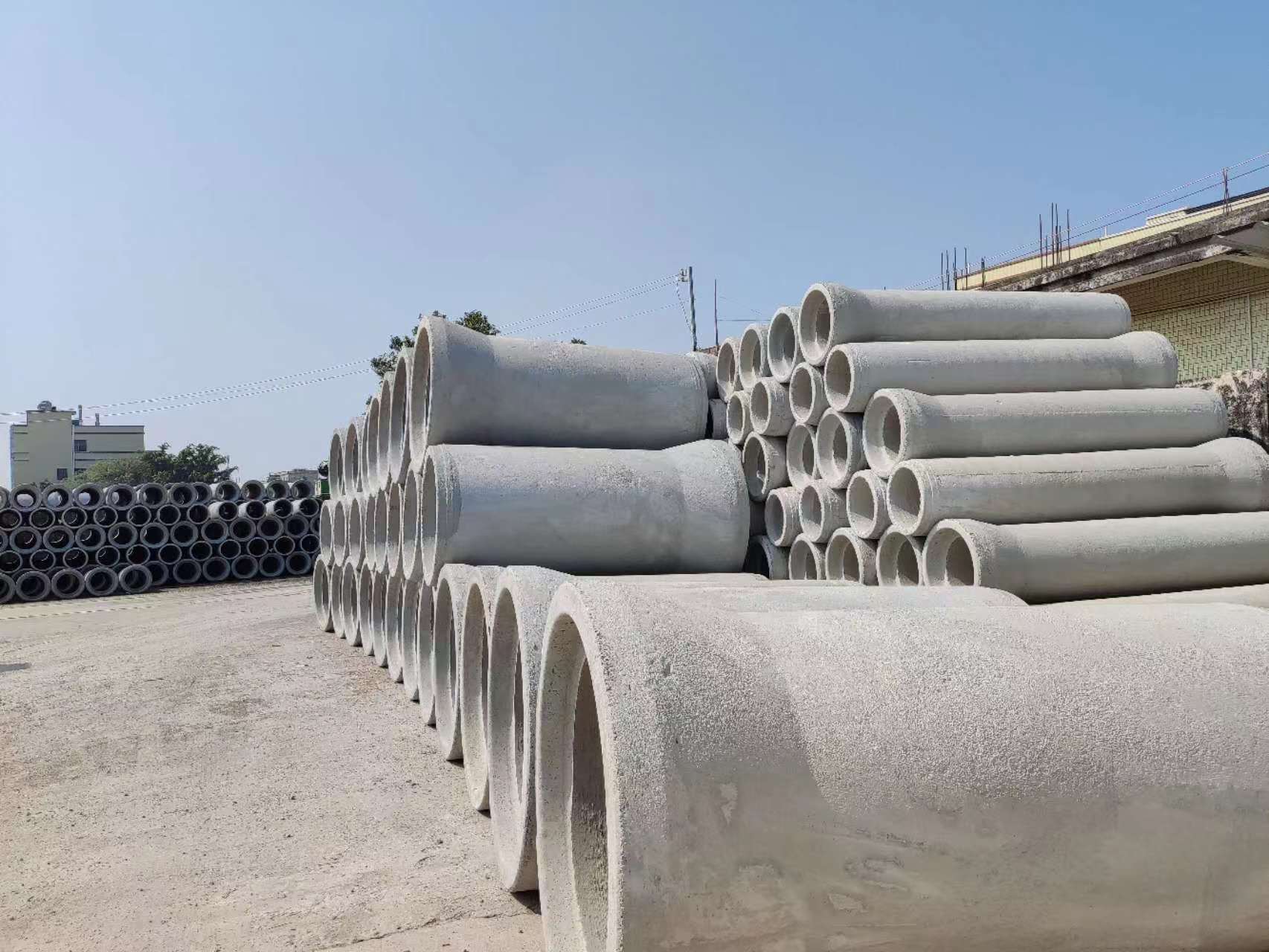
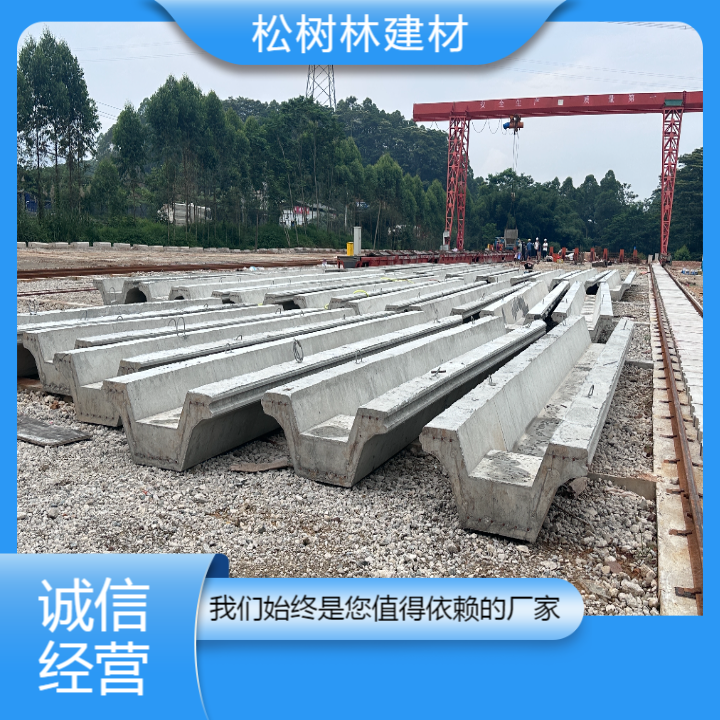
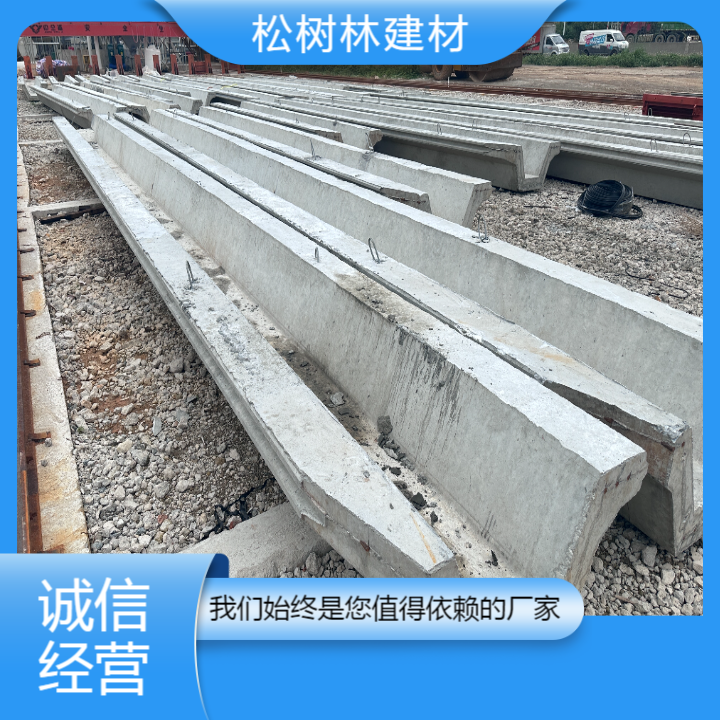
Reinforced concrete pipes are used for conveying fluids such as water, oil, and gas. They can be categorized into four types: plain concrete pipes, reinforced concrete pipes, prestressed concrete pipes, and self-compacting concrete pipes. Depending on the internal diameter of the concrete pipes, they can be divided into small diameter pipes (less than 400mm in diameter), medium diameter pipes (400-1400mm), and large diameter pipes (over 1400mm). Based on the water pressure-bearing capacity, they can be classified as low-pressure pipes and pressure pipes, with working pressures typically at 0.4, 0.6, 0.8, 1.0, 1.2 MPa, etc. Compared to steel pipes, concrete pipes can be further categorized by joint type into flat-end pipes, socket-and-spigot pipes, and tongue-and-groove pipes. Their joint forms include cement mortar band joints, wire mesh cement mortar band joints, cement mortar socket-and-spigot joints, and rubber ring socket-and-spigot joints.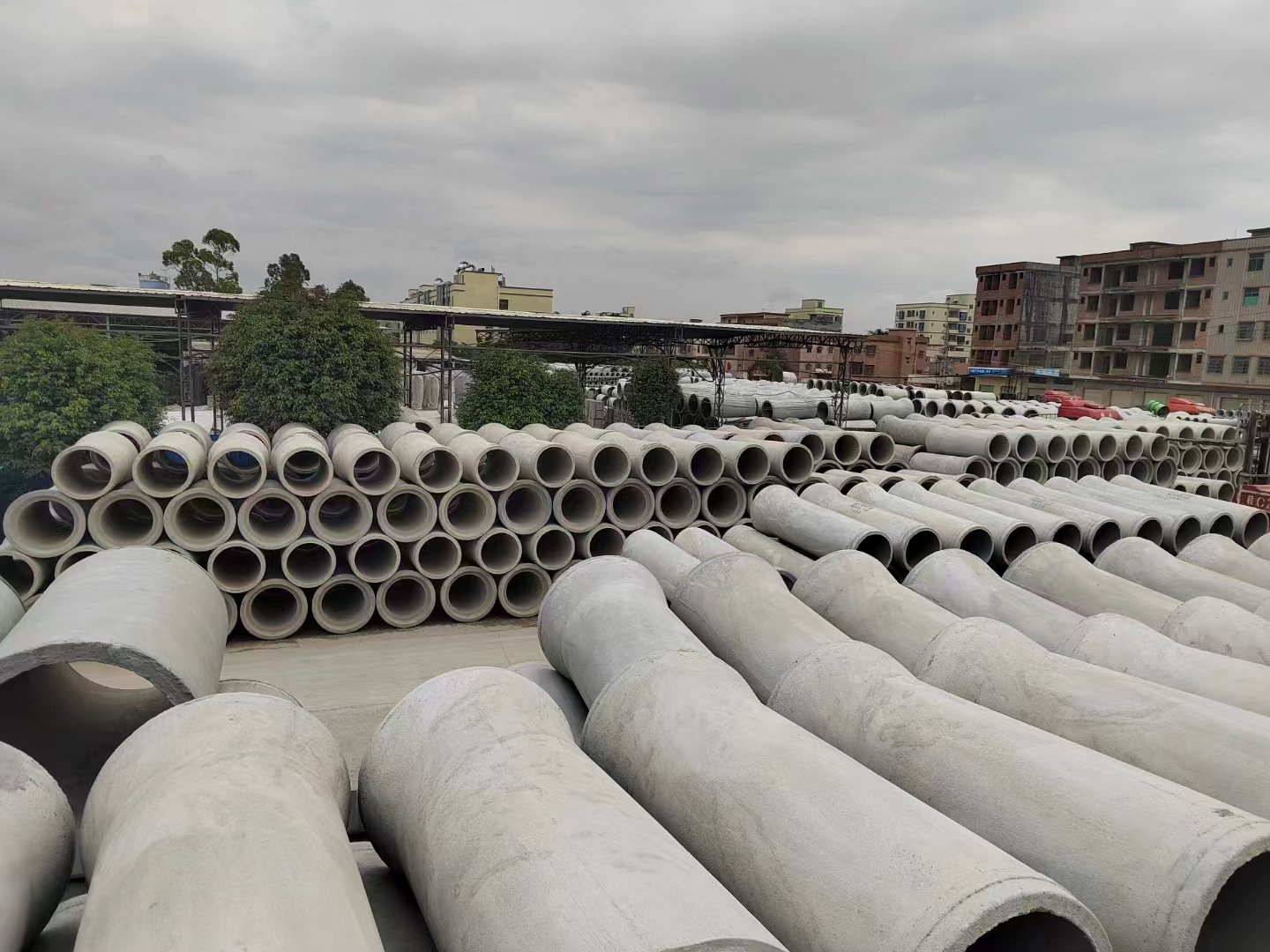
Reinforced concrete pipes, commonly abbreviated as "reincon" in engineering, are a composite material formed by incorporating steel mesh, steel plates, or fibers into concrete to enhance its mechanical properties through the combined efforts of these components.
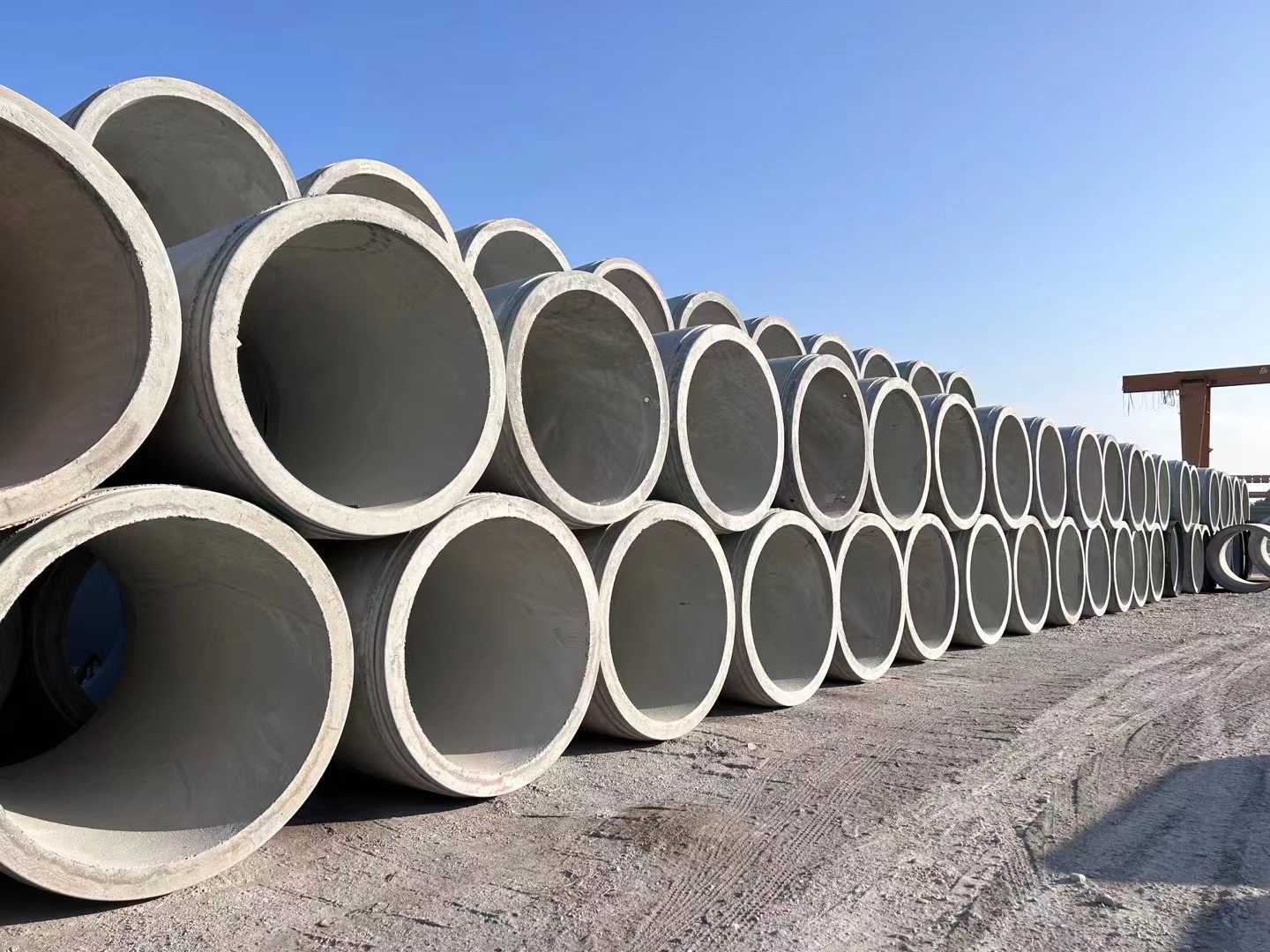
To enhance the performance of concrete pipes, China and many other countries have significantly developed pre-stressed concrete pressure pipes. These pipes are equipped with longitudinal and hoop pre-stressed steel rebars, thus offering high crack and seepage resistance. In the 1980s, China and some other nations developed self-compacting reinforced concrete pipes, which primarily feature the use of self-compacting cement (refer to Special Cement) to generate pre-stress through expansion during the curing process, thereby simplifying the manufacturing process. Compared to steel pipes, concrete pipes can greatly reduce steel consumption, extend service life, and require less investment for plant construction, with easy laying and installation. They have been widely used in industrial plants, mines, oil fields, ports, urban construction, and irrigation and water conservancy projects in farmlands.