









Zhuhai Grade 3 F-type Reinforced Concrete Pipe - Price, Manufacturer, Which is the Best?
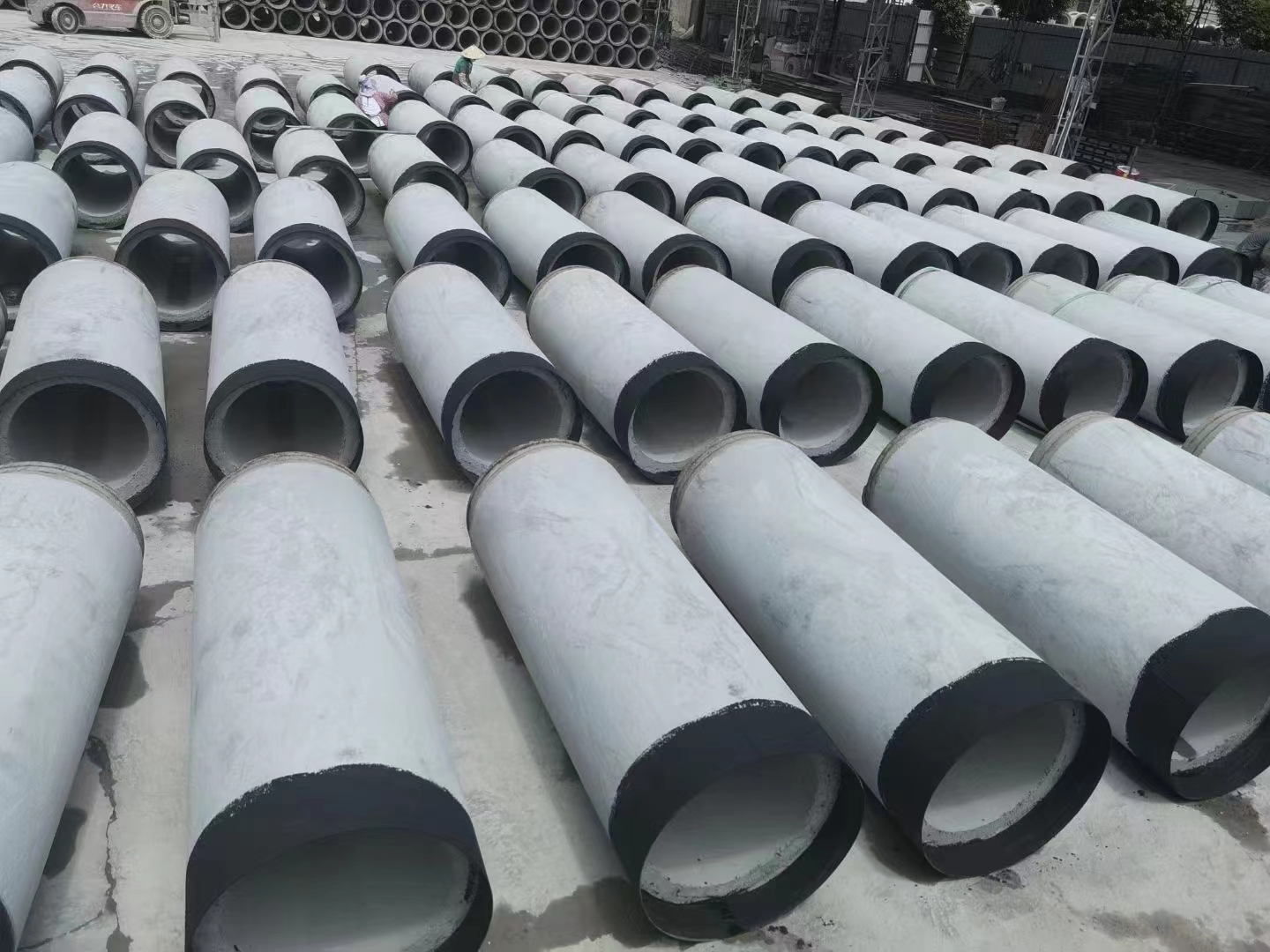
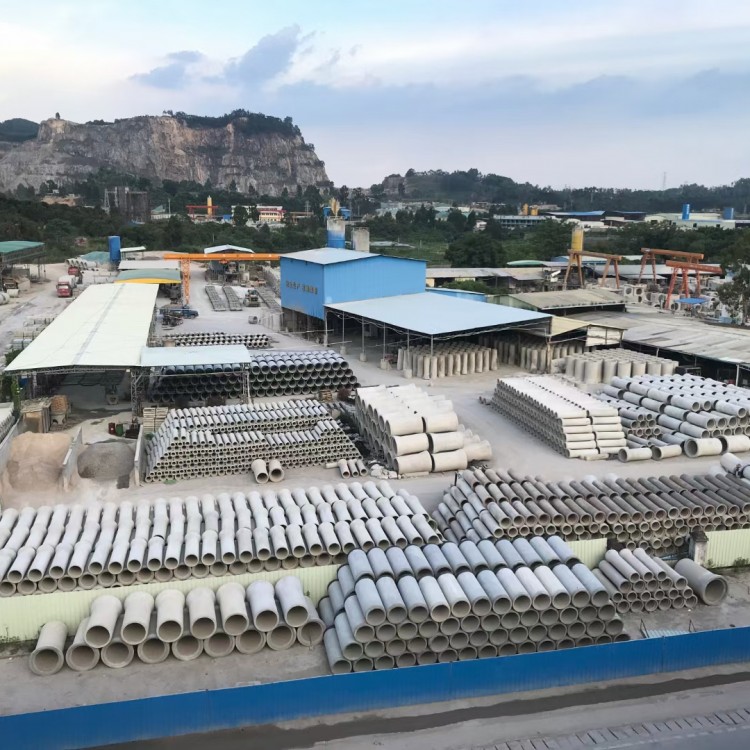
Reinforced concrete pipe is a type of drainage pipe made by mixing cement, steel bars, sand, and gravel in a centrifugal mixer. It is primarily used for tasks such as urban rainwater and wastewater drainage or agricultural irrigation and drainage. It represents a non-trenching pipe-jacking technique for municipal construction. Its advantages include minimal impact on the surrounding environment, small construction site footprint, and low noise levels. Additionally, it can be deeply buried underground, which is an advantage that excavation burial cannot match.
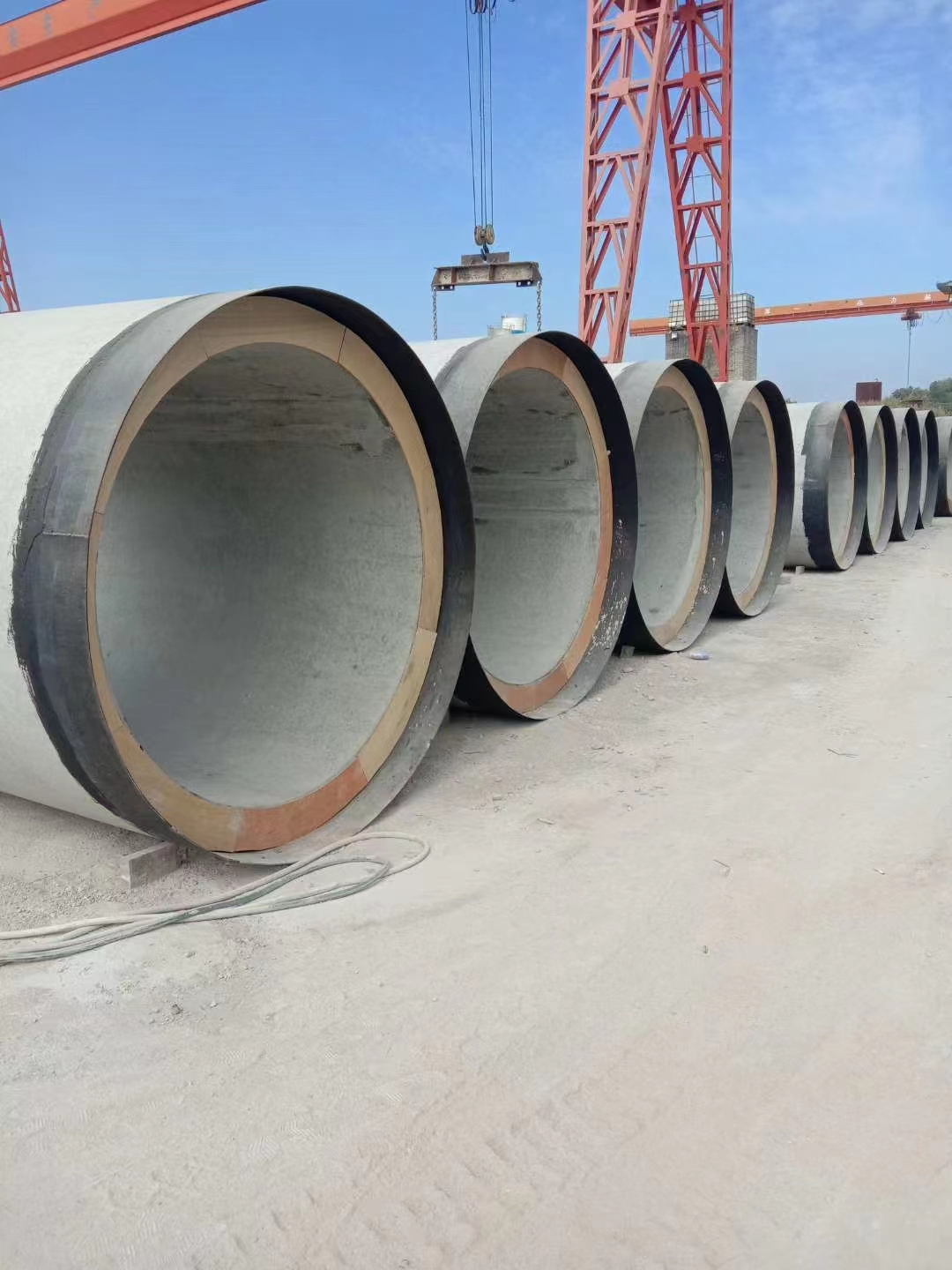
Generally, excavation construction is preferred for sites with good geology and depths less than 4 meters. For shallower pipelines, excavation is quick, allowing for backfilling by morning, followed by laying steel plates, with minimal impact on traffic. If the pipeline is deeper, to prevent collapses, the reconstruction of pipeline laying does not require excavation; instead, trenchless construction is used, reducing the inconvenience caused by vehicle disruptions to the public. At road intersections, the use of non-stop construction techniques ensures that traffic can be restored within 6 to 12 hours, maintaining the flow of east-west roads. Previously, reinforced concrete pipe type steel sockets were commonly used for large-diameter pipes ranging from Φ1350mm to Φ3000mm. Now, with the increasing popularity of trenchless construction, they have replaced other reinforced concrete pipes, and reinforced concrete pipes with diameters of Φ600mm and above are now widely used domestically, with good results.
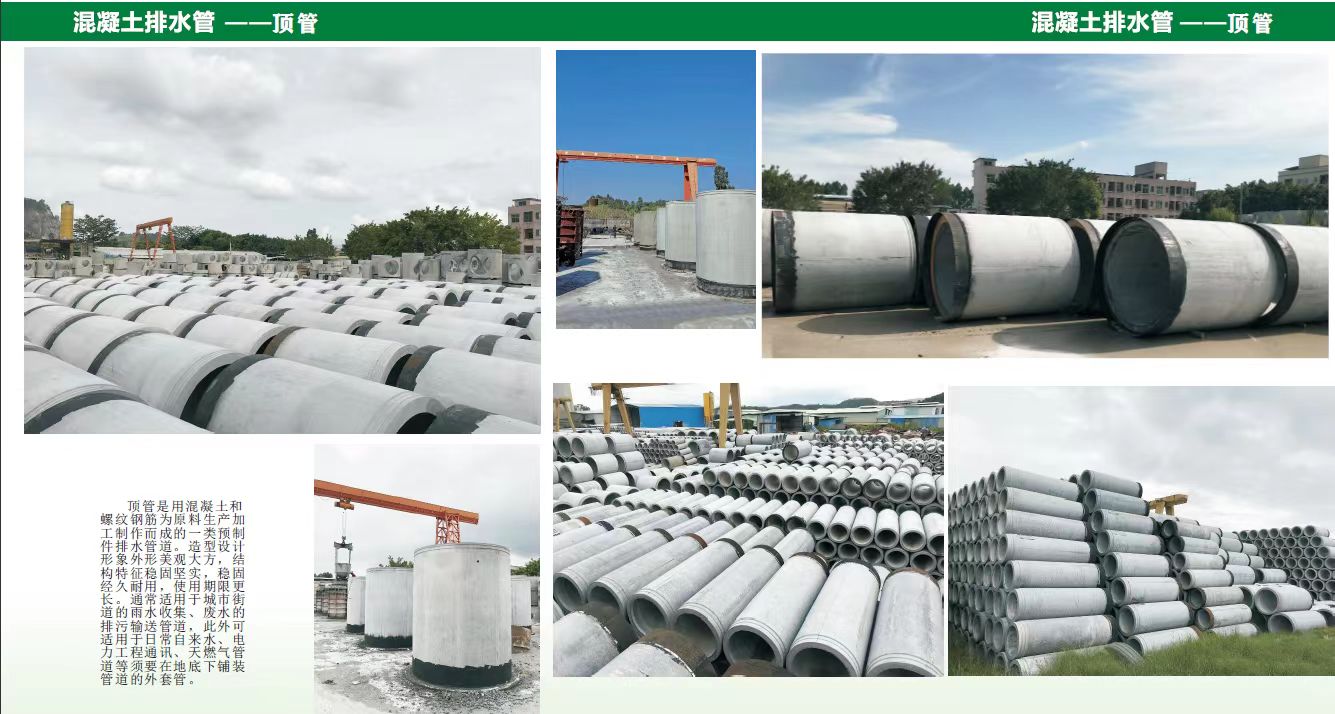
Minimum cover for reinforced concrete pipe: Generally, the cover over the pipe top should be greater than 2.5 times the external diameter of the pipe, with a minimum of 1.5 times the external diameter. Secondly, to prevent ground settlement or heave during the construction of reinforced concrete pipe jacking, settlement observation points should be set at regular intervals along the jacking route to monitor ground settlement during the jacking process. Excessive or insufficient soil removal at the excavation face can cause ground settlement or heave. To avoid such adverse effects, the following measures can be taken: control the pressure during grouting to balance the pressure of the soil above the "mud sleeve". Strictly control the sealing quality of pipe joints to prevent leakage. For some pipe sections buried shallowly, less than 1.5 meters from the ground, it is advisable to use locally pressed steel plates along the pipeline and pile sand bags on top to prevent the pipe section from heaving mud slurry, which could render the mud sleeve ineffective during jacking.