













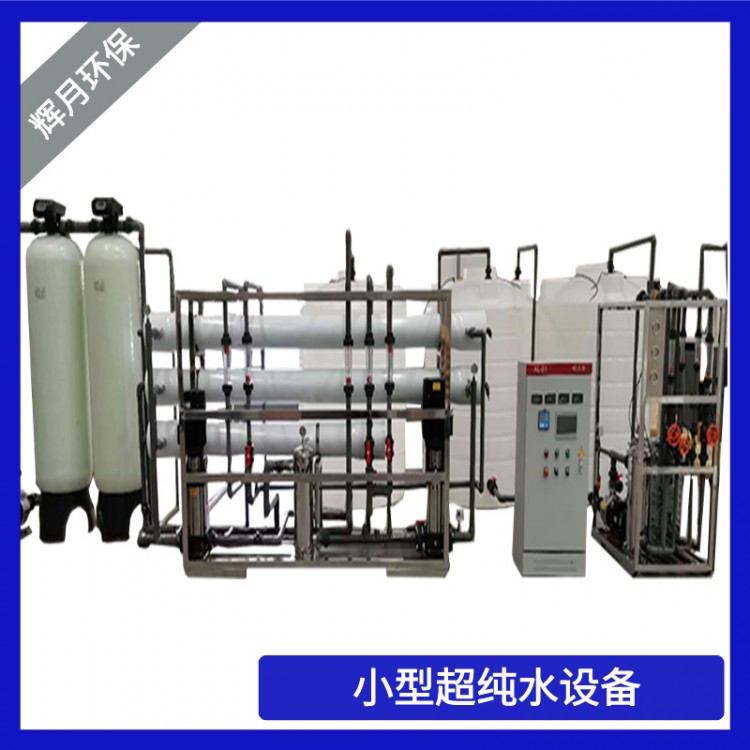
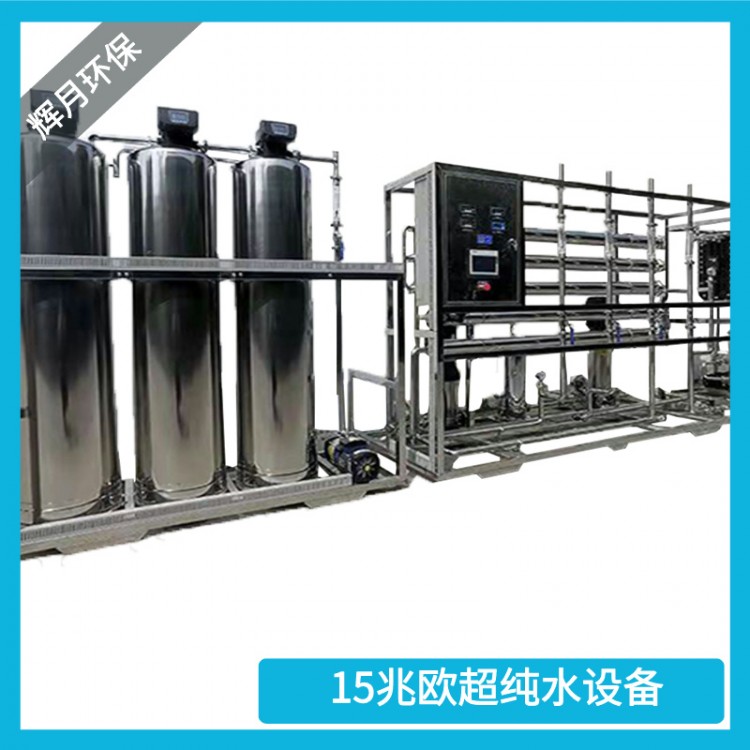
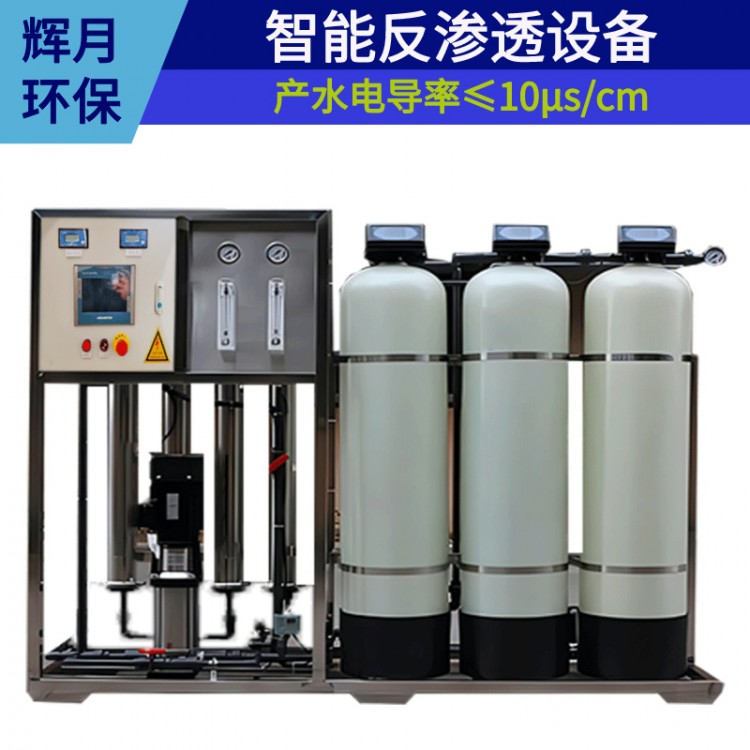
Purpose of Reverse Osmosis (RO) Equipment
Reverse osmosis technology is commonly used for desalination of seawater and brackish water; water softening treatment; wastewater treatment; as well as purification, concentration, and separation of drinking water in industries such as food, electronics, electroplating, etc. Moreover, the application of reverse osmosis technology in pre-salinity removal has yielded good results. This not only saves costs but also benefits environmental protection. The system primarily uses low-pressure polyamide composite membranes from brands like Hydranautics, Dow, and Huatong, achieving a desalination rate of over 99%. It effectively removes suspended solids, organic colloidal substances, harmful bacteria, pyrogens, and other impurities from the water, ensuring the output water quality meets customer specifications.

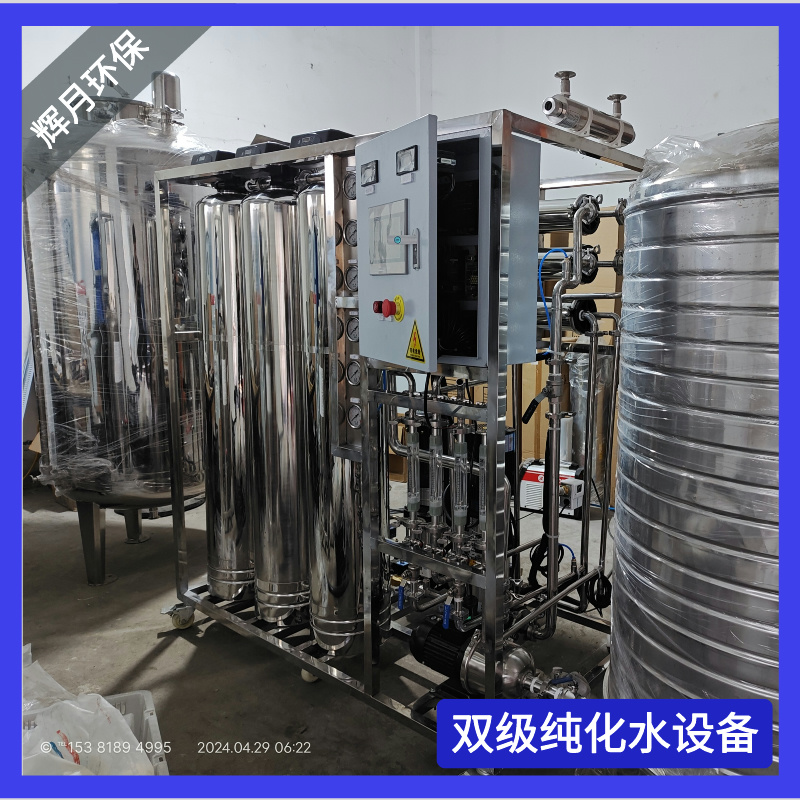
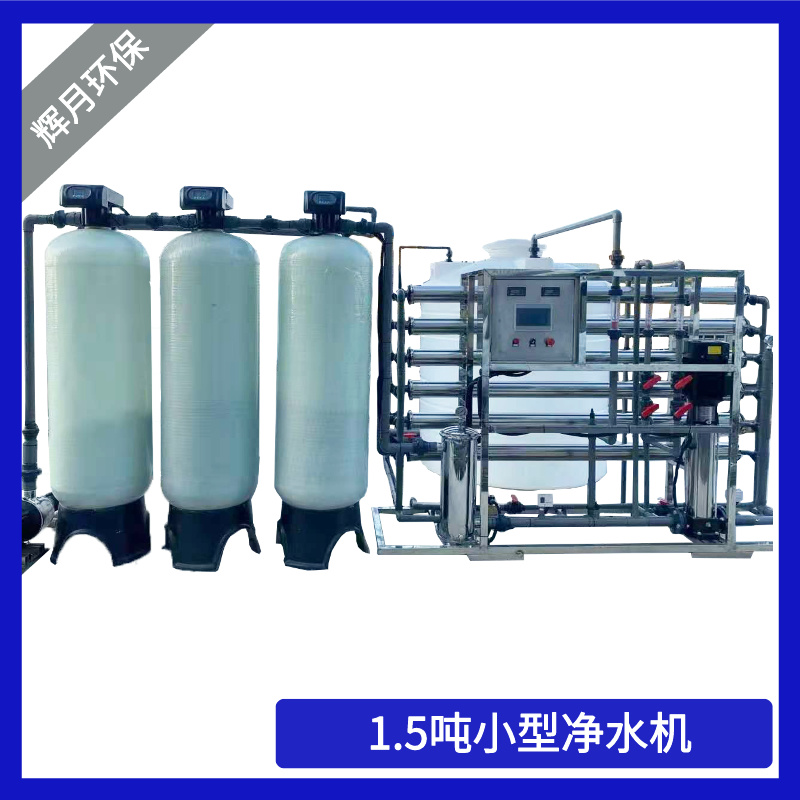
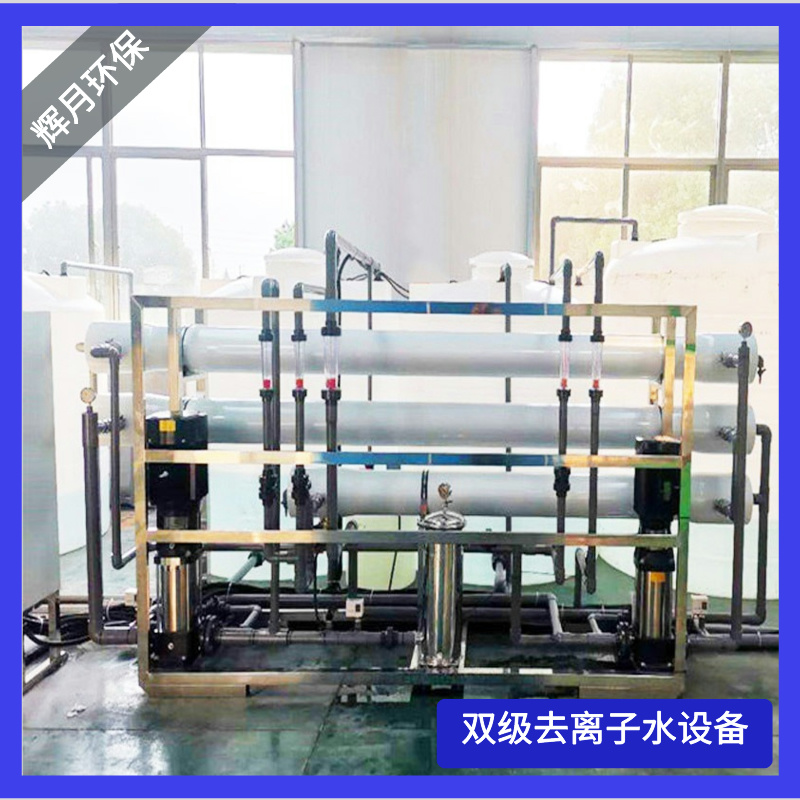
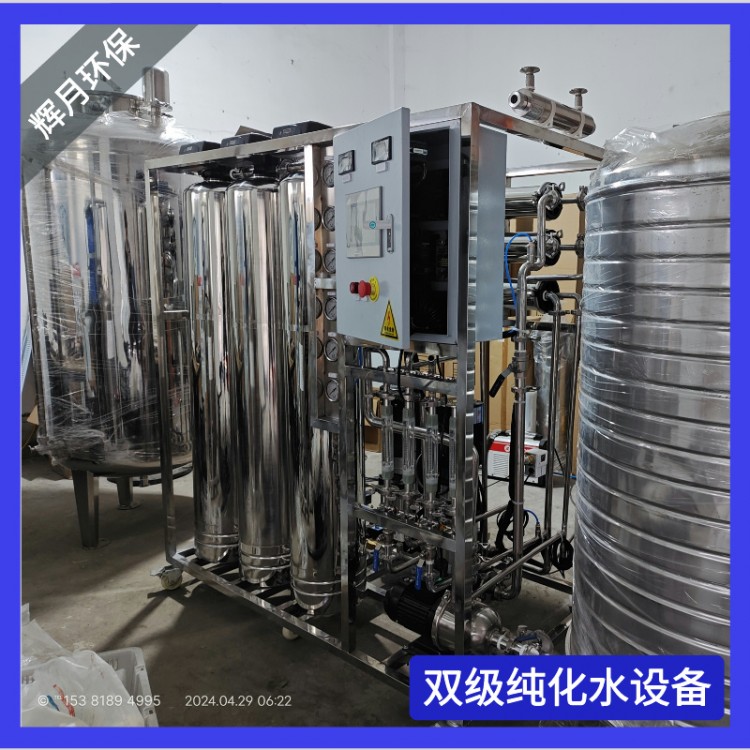
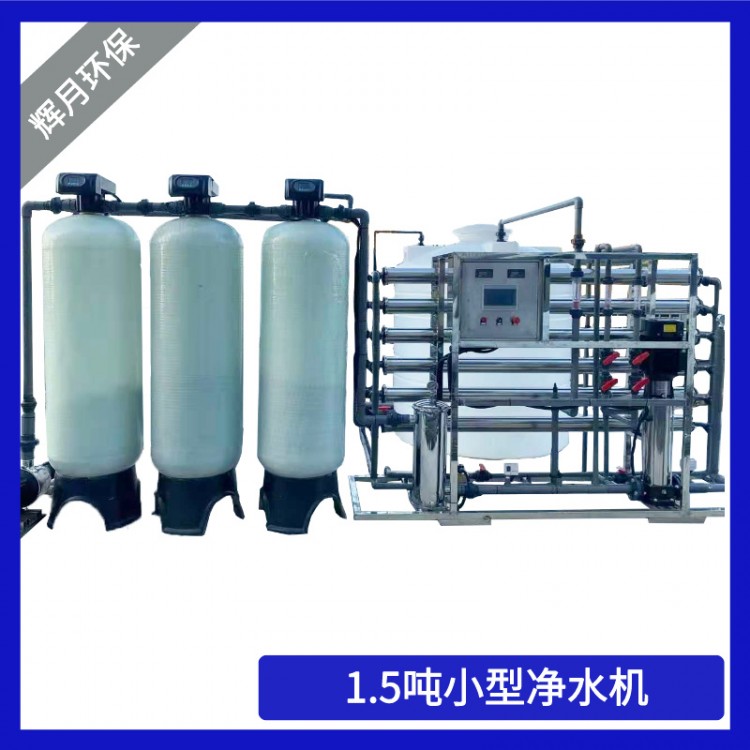
The Huimoon Environmental Protection Reverse Osmosis Pure Water Machine Principle: The RO reverse osmosis pure water machine primarily utilizes water pressure to carry out a series of water purification processes. It mainly employs reverse osmosis technology (RO membrane) to separate fine impurities, bacteria, heavy metals, mineral pollutants, chemical pollutants, bacteria, and other harmful substances from tap water; it also breaks down nutrients in pure water to enhance water taste and health. The produced water is clean, safe, and practical. The operation of the reverse osmosis pure water machine depends on a certain pressure to function, which must be greater than the osmotic pressure of the membrane. Generally, the working pressure of a reverse osmosis pure water machine is 0.6 to 1 MPa,不受自来水压限制, and it has high water production rates, fast speed, and minimal concentrate water discharge.

Huimoon Environmental Protection Reverse Osmosis Parts Description:
Flowmeter: The system monitors the flow of produced water or concentrated water through a flow indicator, providing a reference for adjusting the normal operation of the system. Generally, there are two types of flowmeters available for selection: pipe-mounted and panel-mounted flowmeters.
2. Pressure Gauges: Pressure gauges installed in the equipment, typically located after the original pump, precision filter, security filter, at the membrane module inlet, between sections, and at the membrane module outlet, are used to monitor the inlet and outlet pressures of the membrane modules, as well as the pressures of pure water and concentrate water. They provide information for adjusting the normal operation of the reverse osmosis system and equipment calibration.
3. Inlet Water Solenoid Valve: Located on the RO system's inlet pipe, this valve opens prior to the system's high-pressure pump when the system is turned on. Upon shutdown of the main unit, the inlet water solenoid valve will automatically close.
4. Flush Solenoid Valve: This valve is in parallel with the system pressure regulating valve on the RO main unit's concentrated water pipeline. When the system is turned on, it opens before the high-pressure pump. It can perform low-pressure flushing on the reverse osmosis membrane. After the booster pump reaches the rated speed, the solenoid valve closes slowly, allowing the water pressure acting on the RO membrane to rise gradually, ensuring the RO membrane is not damaged by sudden pressure changes.
5. Pressure Protection Device: The function of the pressure protection device is to send a signal to the high-pressure pump when the water pressure of the reverse osmosis system deviates from the set value, causing the system to shut down. Once the pressure returns to the set value, an activation signal is sent, and the system automatically starts up and runs.
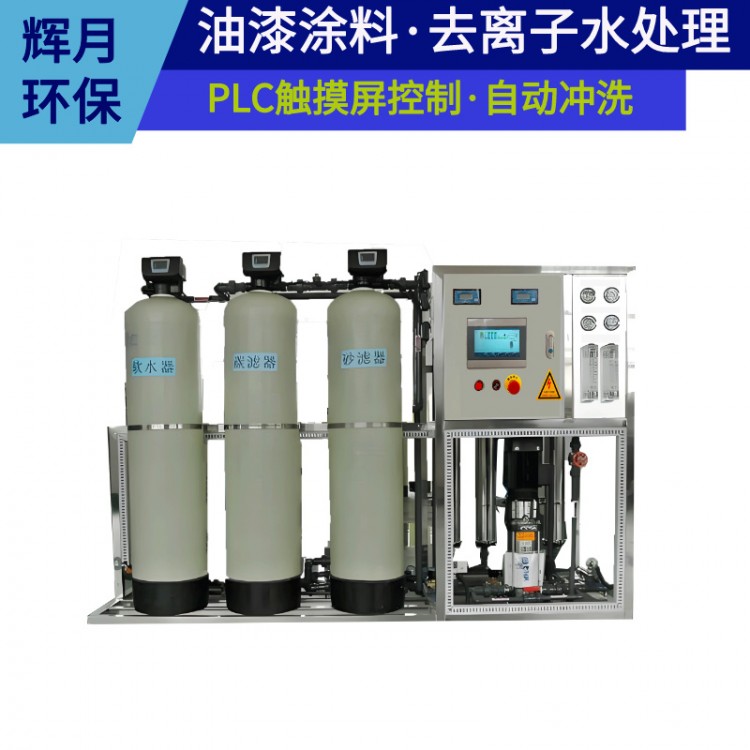
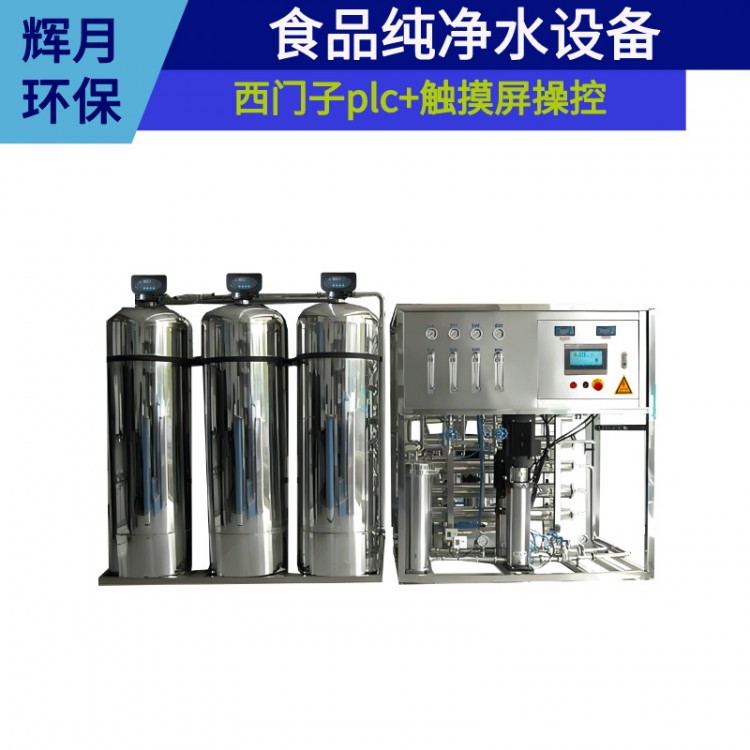
6. The Ningbo Huimoon Reverse Osmosis Pure Water Machine utilizes PLC touch screen programming for control, operates fully automatically, features automatic water production and shutdown, as well as high and low pressure protection, and more, all integrated into one unit.