








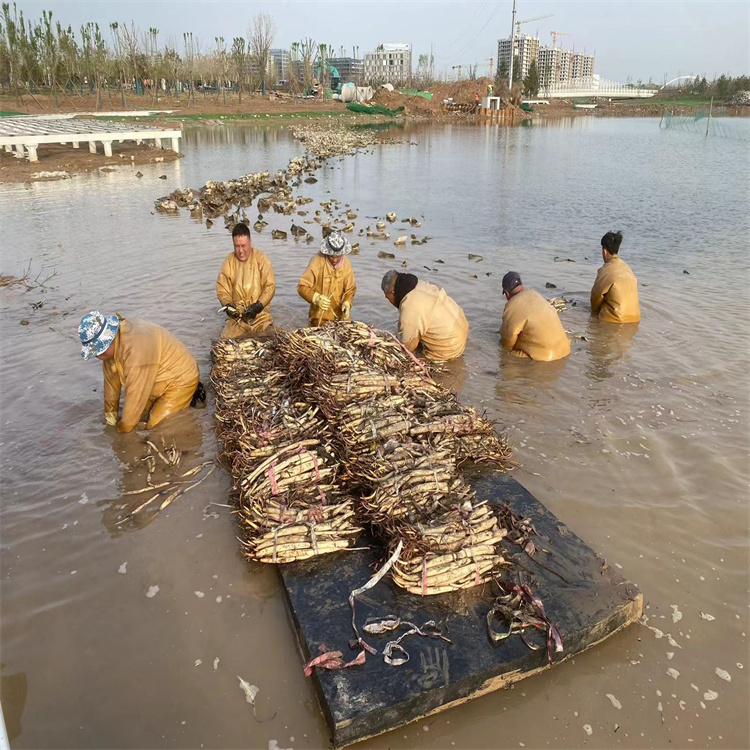
Water Hyacinth Morphological Characteristics:
Root: Dense fibrous roots, brown-black, 10-30 cm long, diameter 3-5 mm, ending in a tuber-like shape.
Stem: Creeping stem, 30-50 cm long, highly branched, with roots at the nodes.
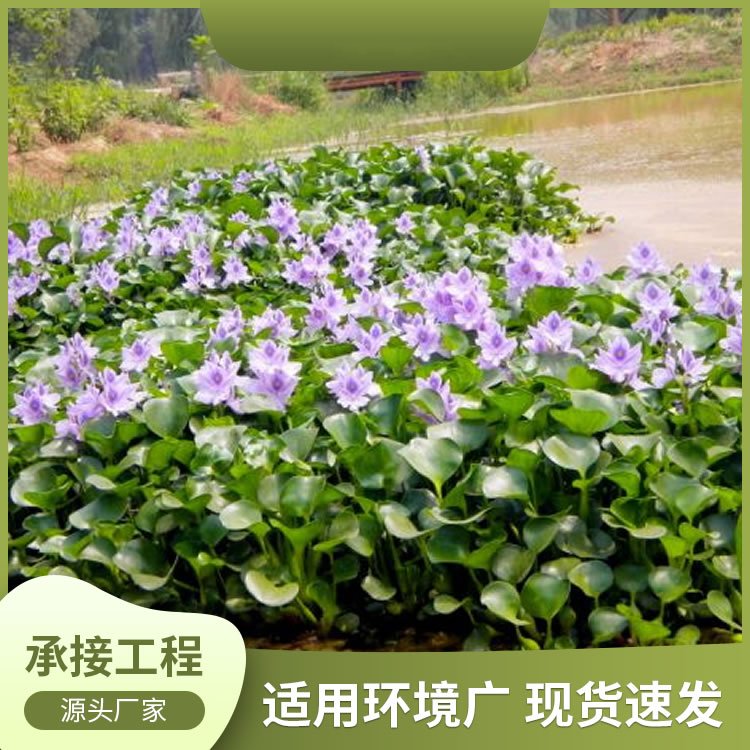
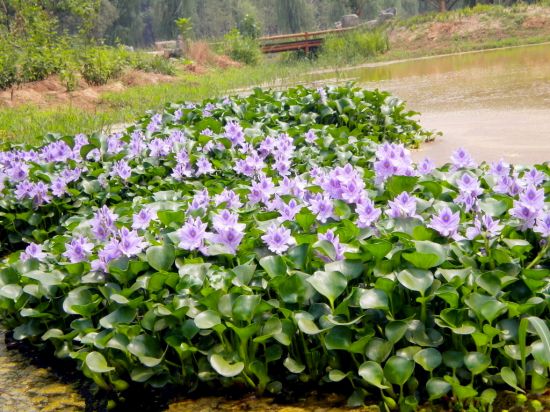
Yi: Clusters of leaves, ovate to reniform in shape, 5-12 cm in length, 5-14 cm in width, rounded at the apex, heart-shaped at the base, entire, smooth, with distinct leaf veins; petiole 10-30 cm long, swelling below the middle to form a spongy air bladder.
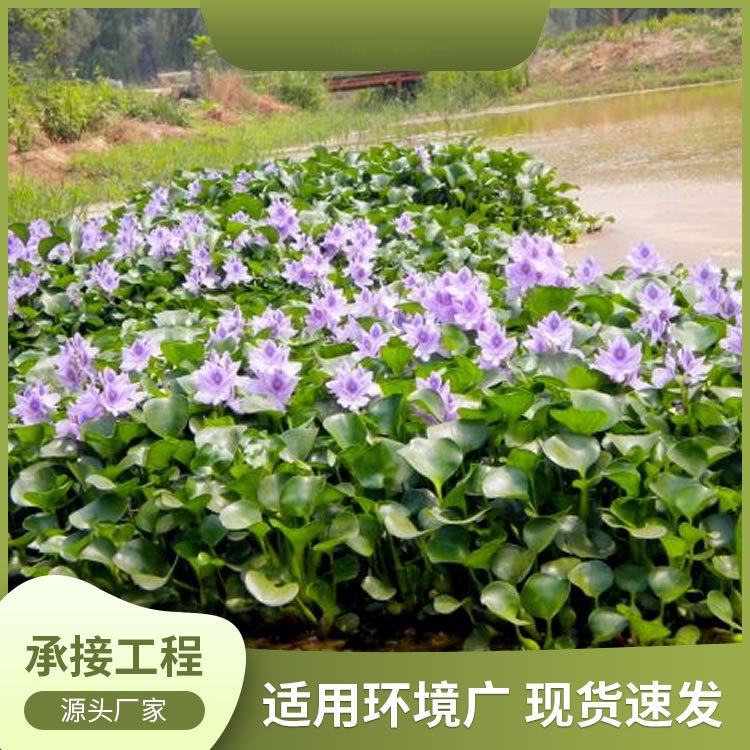
Flowers: Solitary, bisexual, calyx with 6 petals, light purple, ovoid-elliptic, about 3 cm long, 1.5 cm wide, base slightly united; stamens 6, filaments slender, anthers yellow; pistil 1, superior ovary, 3-chambered, each chamber with many ovules.
Fruit: The capsules are triangular-ovate, measuring 3-5 cm in length and 2-3 cm in width, with each compartment containing 20-30 seeds. The seeds are elliptical, about 5 mm in length and 2 mm in width, flat, brown, and have a membranous edge with concentric circles.
Water hyacinth growth environment:
Temperature: Prefers warmth, intolerant of cold, optimal growth temperature is 25-30°C.
Lighting: Prefers full sun for optimal growth.
Moisture: Requires ample water, intolerant to drought, and grows best in water depths of 20-30 cm.
Water Hyacinth's Ecological Uses:
Water Purification: Water hyacinth can absorb nutrients like nitrogen and phosphorus from the water, reducing eutrophication levels in water bodies and serving as a water quality purification agent.
Eco-regulation: Water hyacinth absorbs carbon dioxide and releases oxygen during its growth, enhancing the dissolved oxygen level in water bodies. This plays a role in maintaining the balance of aquatic ecosystems.
Feed: Water hyacinth is rich in nutrients and can be used as feed for aquatic animals such as fish and ducks.
The ornamental value of water lilies:
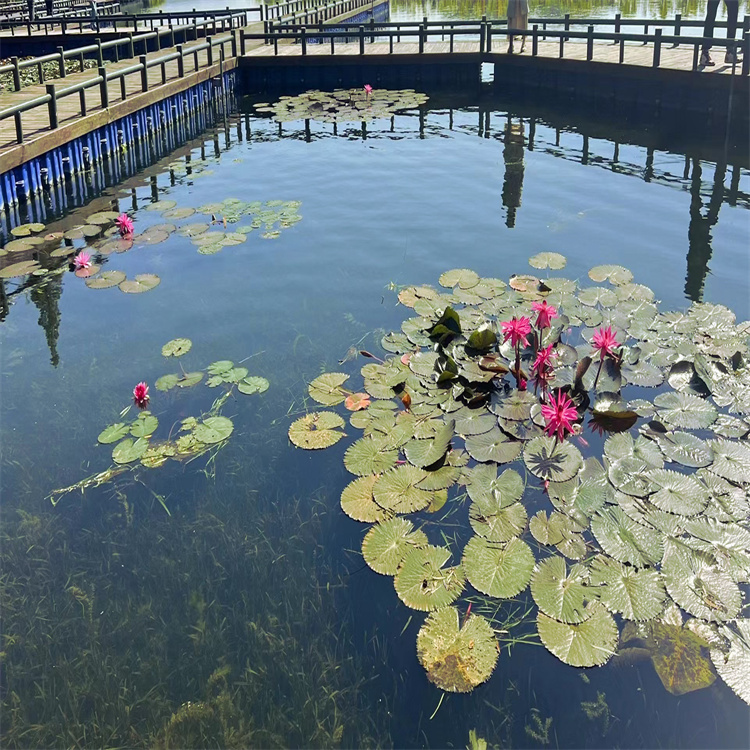
Landscaping Creation: Water Hyacinth boasts unique shapes and colors, serving as an ornamental plant for water features.