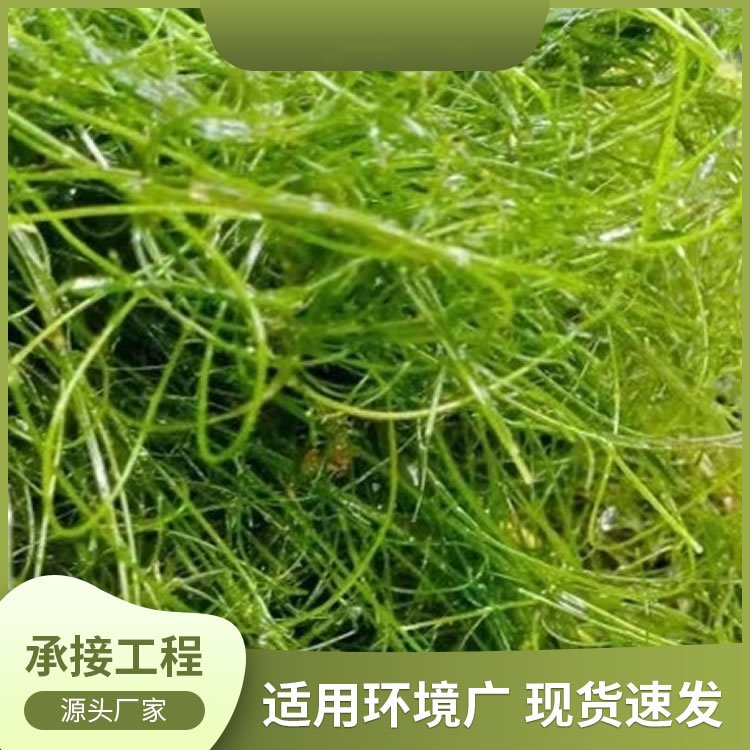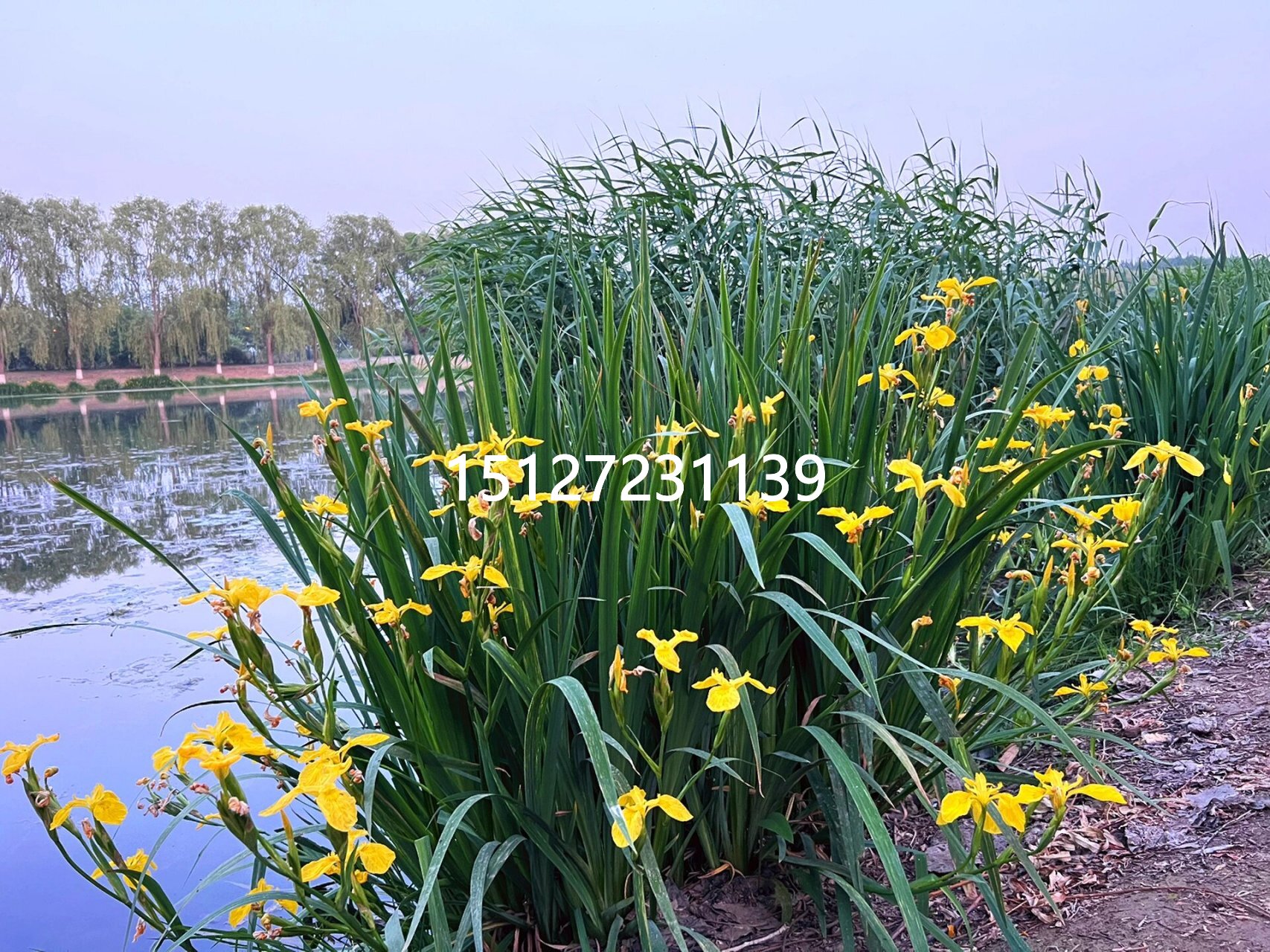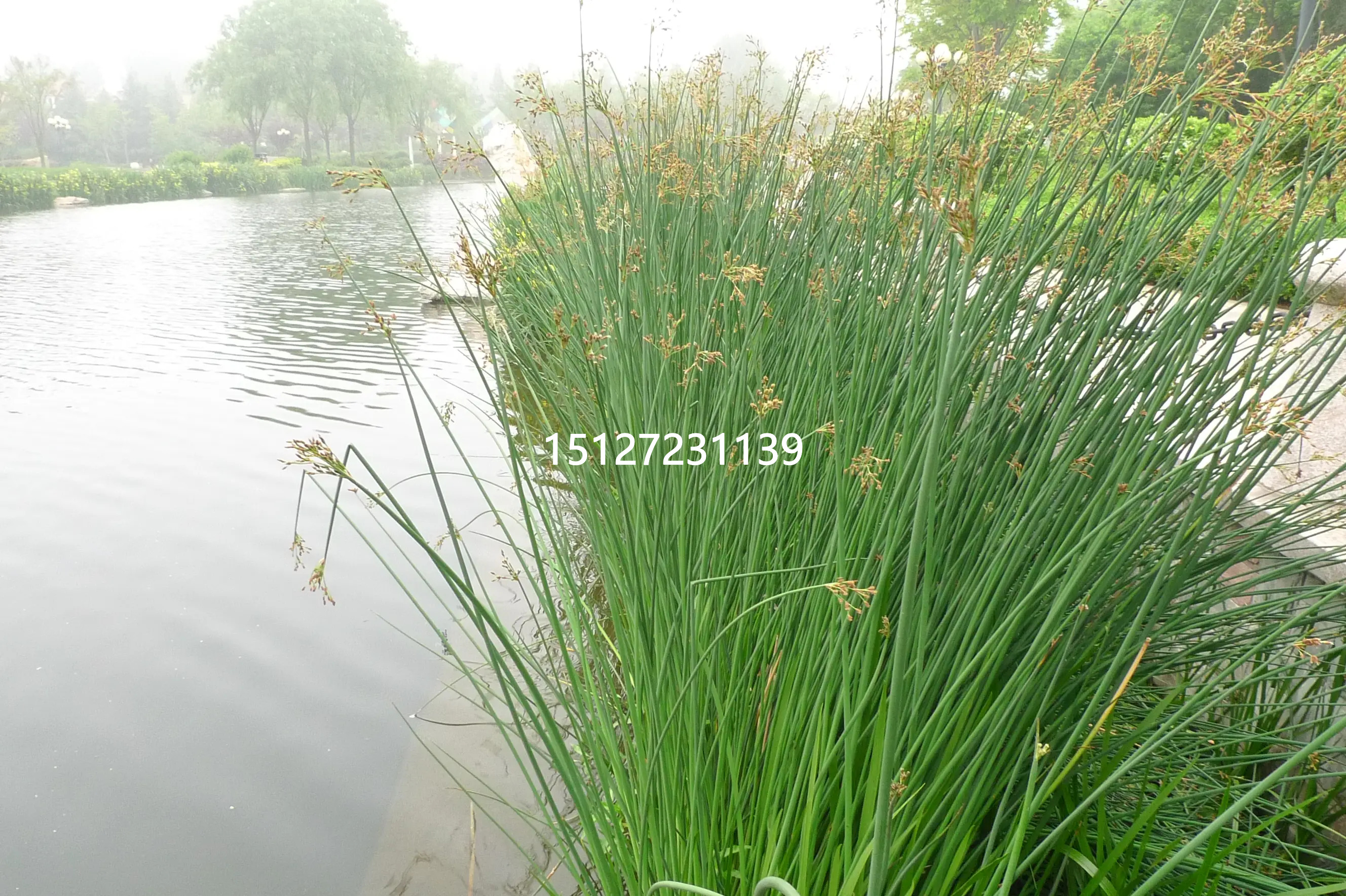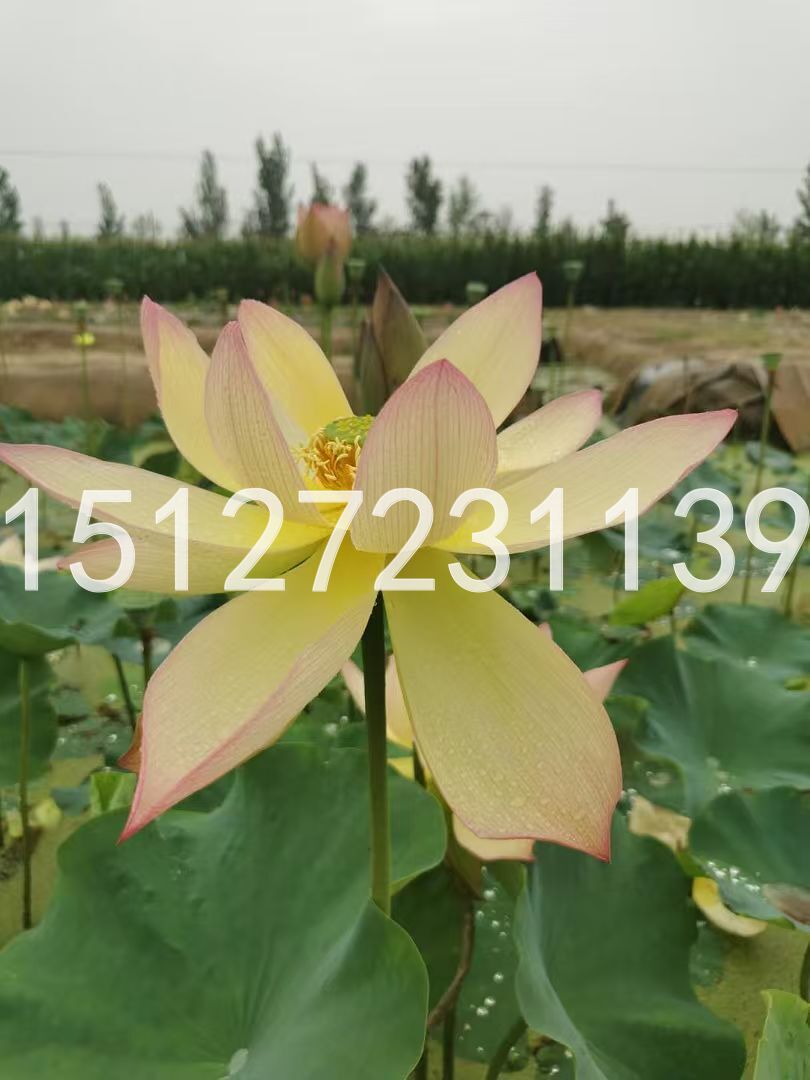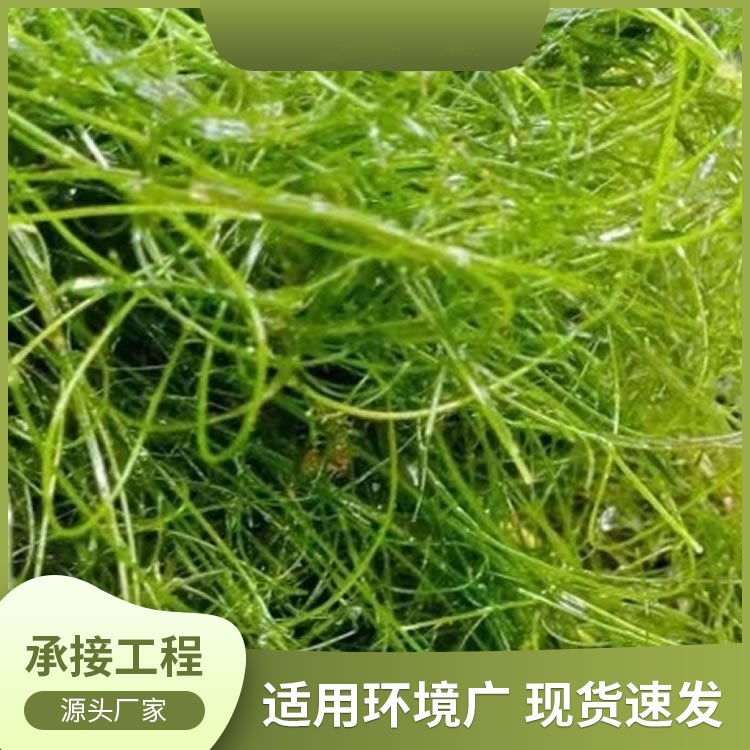

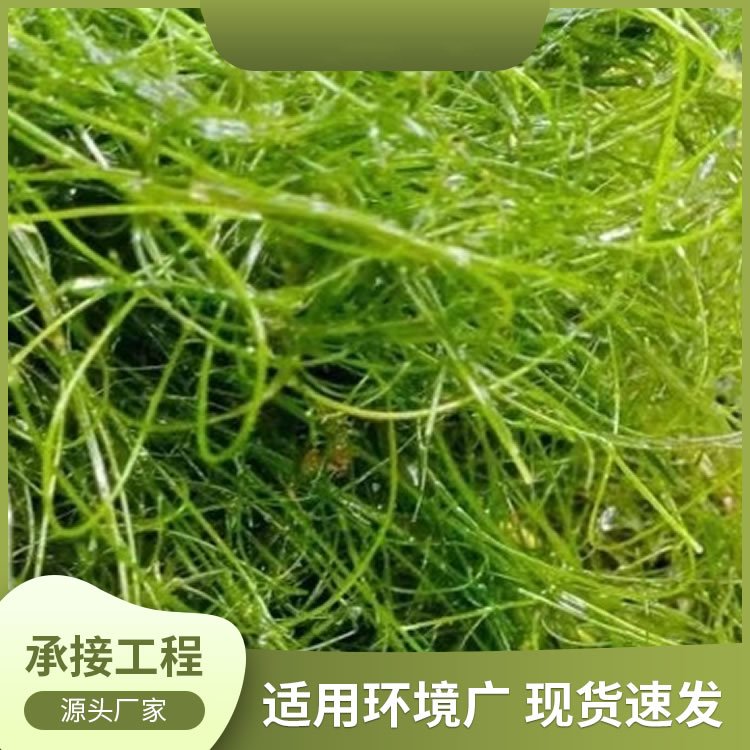









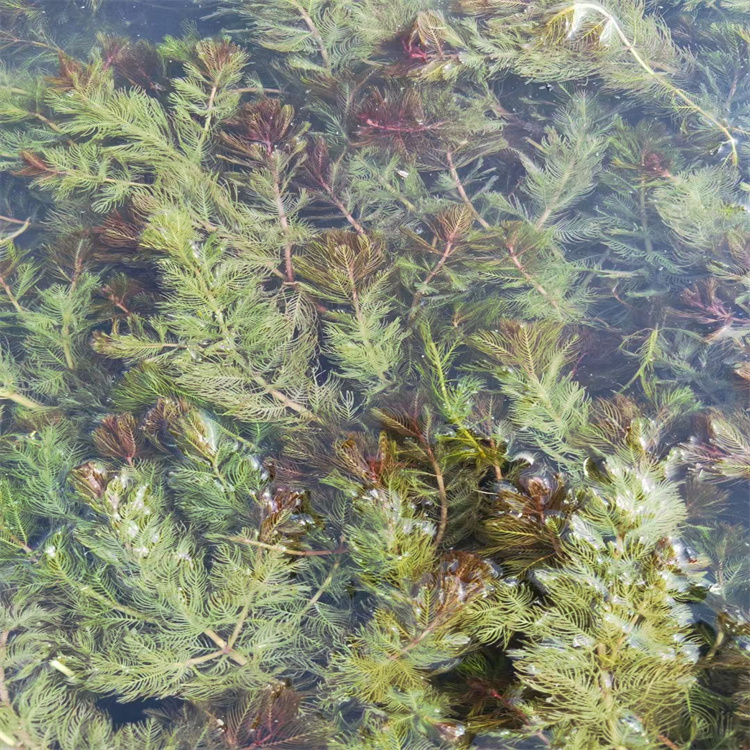
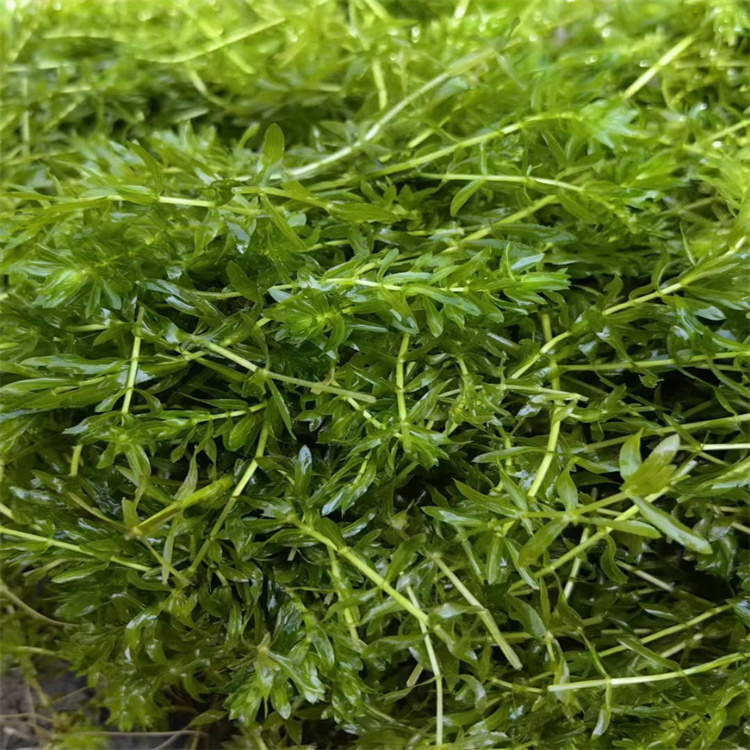
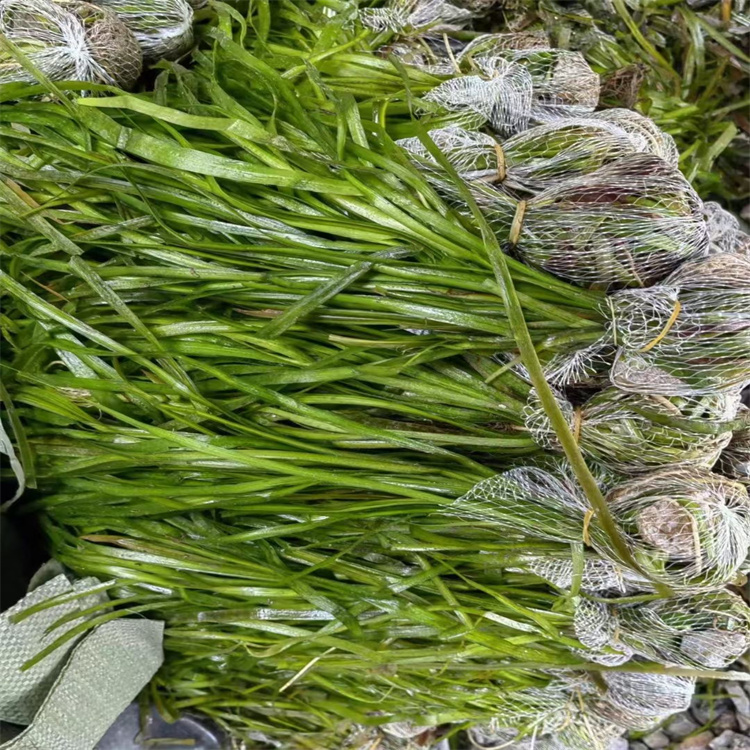
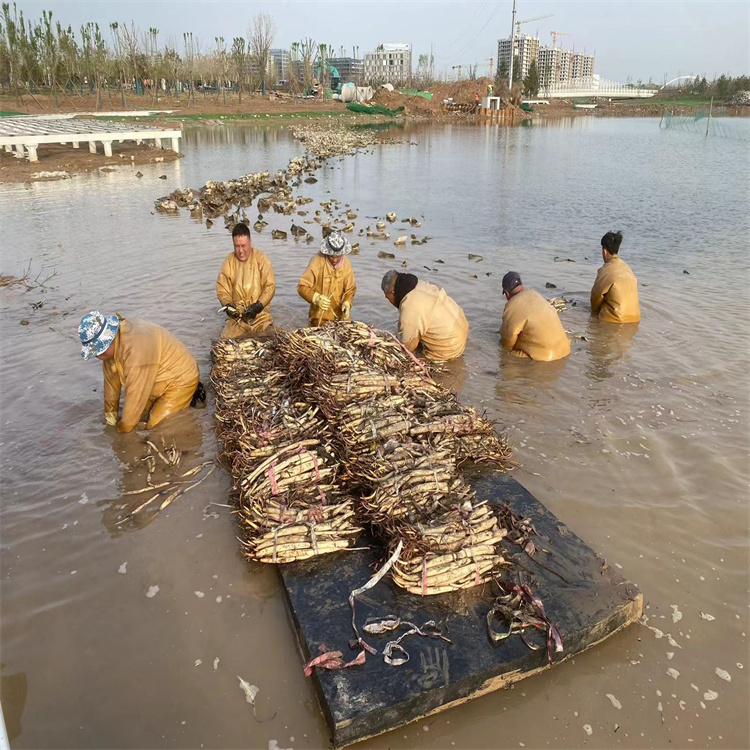
The pondweed (scientific name: Potamogeton pectinatus) is a species of submerged perennial plant in the genus Potamogeton of the family Potamogetonaceae, widely distributed in freshwater lakes, rivers, canals, and ponds in temperate and tropical regions around the globe. It is named for its leaf margins, which have comb-like teeth.
Physical Characteristics and Biological Properties:
• Rhizomes and Root Systems: Hydrilla has a well-developed underground rhizome system, capable of producing a large number of adventitious roots, which absorb nutrients from the water through these root systems.
• Stem and Leaf Shape: The stem is cylindrical, soft, and extends above the water surface. The leaves are typically linear or lanceolate, measuring about 20-50 cm in length and 1-3 cm in width. The leaf margin features distinct, fine serrations, resembling a comb, hence the name "comb-leaf" duckweed. The leaf surface is green, with the underside sometimes having a faint purple-red hue.
• Flowering is monoecious, with either雄雌同株 or separate plants, the inflorescence is spike-like, usually concealed within the leaf sheath, not easily noticeable. The fruit is a small nut, with winged veins when mature.
Growth Environment and Habits:
Botia plectandra is a hardy submerged plant that thrives in a wide range of water clarity, from clear to slightly turbid. It prefers well-lit waters but can also grow well in semi-shaded environments. It has certain water quality requirements but flourishes in moderately to highly nutrient-rich waters, particularly in weakly acidic conditions.
Ecological Uses and Value:
• Water Purification: Duckweed has excellent adsorption and transformation capabilities for nutrients like nitrogen and phosphorus, contributing to the improvement of water quality and alleviating eutrophication. It is one of the key species for the recovery of lake and wetland ecosystems.
• Biodiversity Conservation: Its dense plant structure provides habitats and breeding grounds for a variety of aquatic insects and fish, promoting the maintenance and increase of biodiversity.
• Aesthetic Value: Although the Egeria densa is renowned for its ecological functions, its unique leaf shape and vivid green color also contribute to the aesthetic appeal in specific water feature designs. It is commonly used for landscaping in artificial lakes, ornamental ponds, and wetland parks.
Planting and Management:
Water shield can be propagated through sowing, cuttings, or root stem transplanting. Spring and autumn are ideal planting seasons. Management requires regular removal of silt to maintain moderate water clarity, sufficient lighting, and control of eutrophication to prevent excessive growth and ecological imbalance in local environments.
In summary, as a vital aquatic vegetation resource, the duckweed plays a significant role in environmental protection, ecological restoration, and landscaping. Proper application and management of this plant are crucial for water resource conservation and the construction of a healthy aquatic ecosystem.