













Product Introduction:
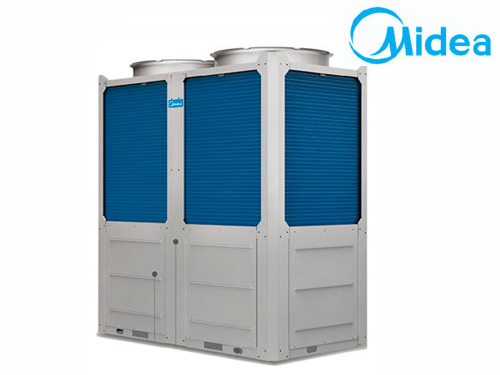
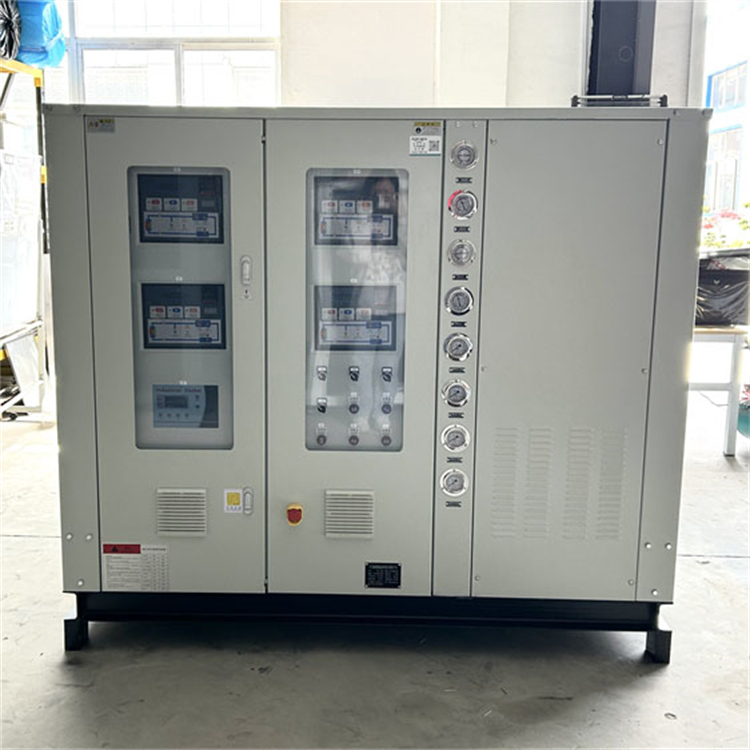
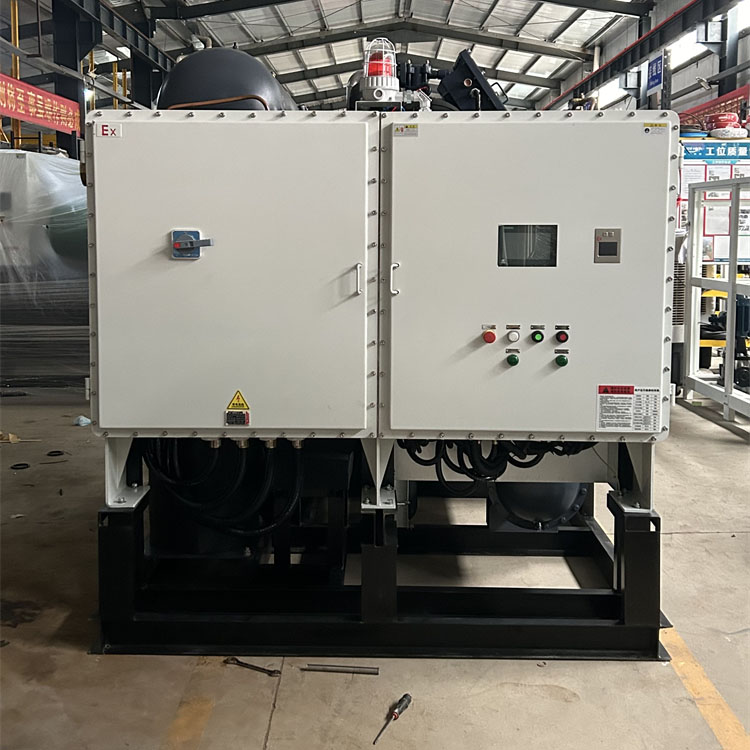
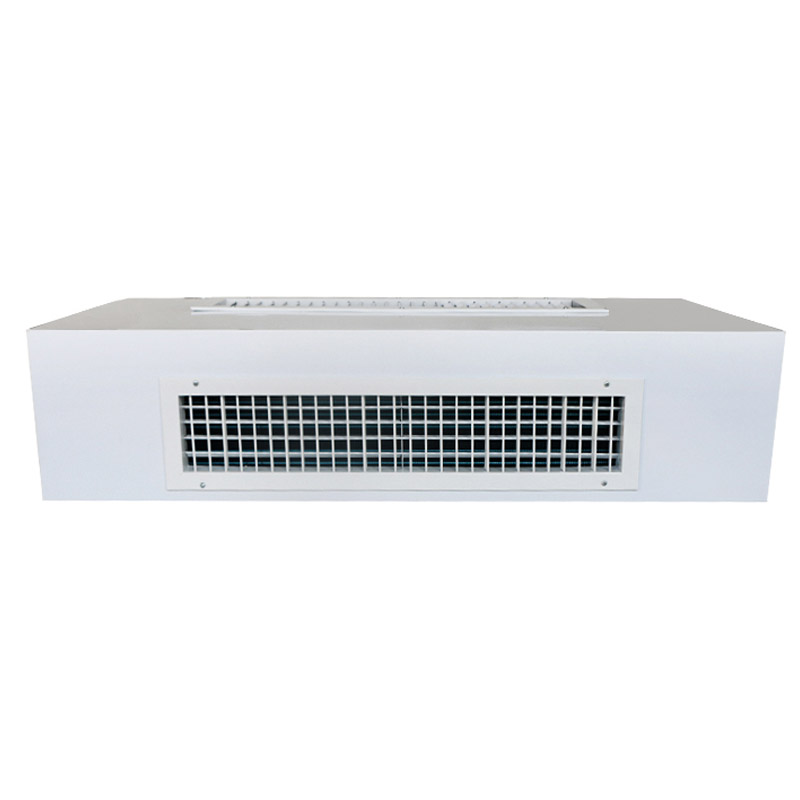
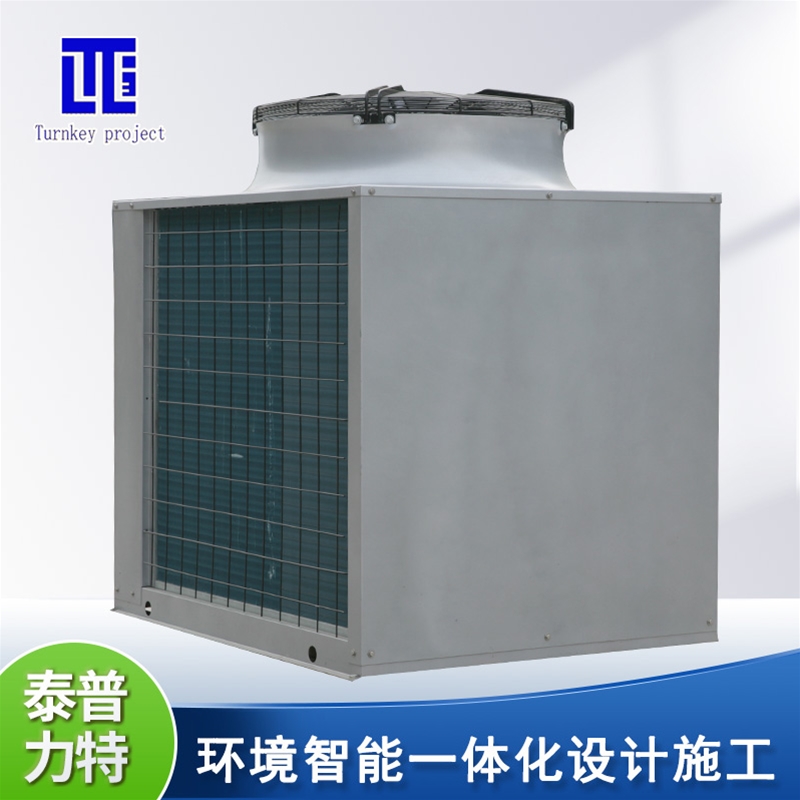
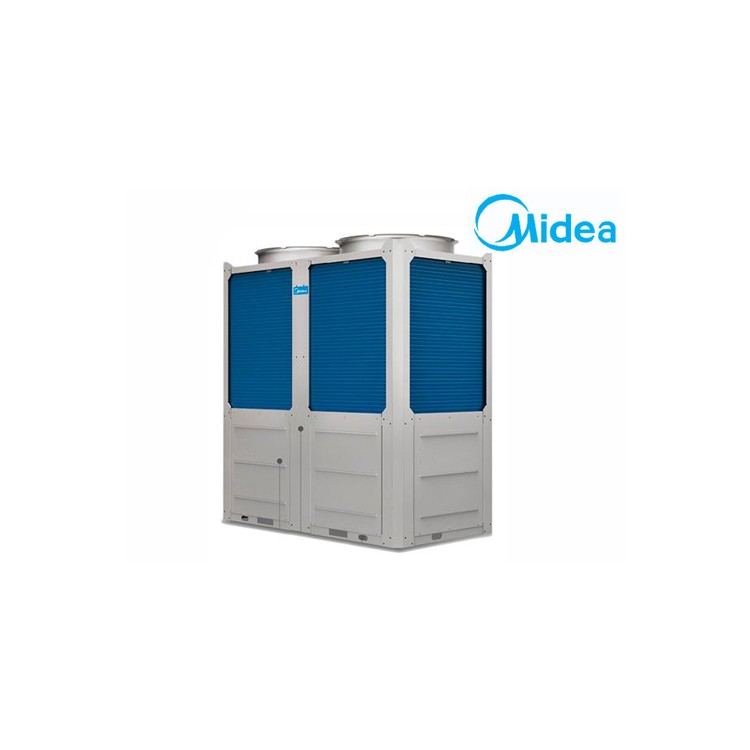
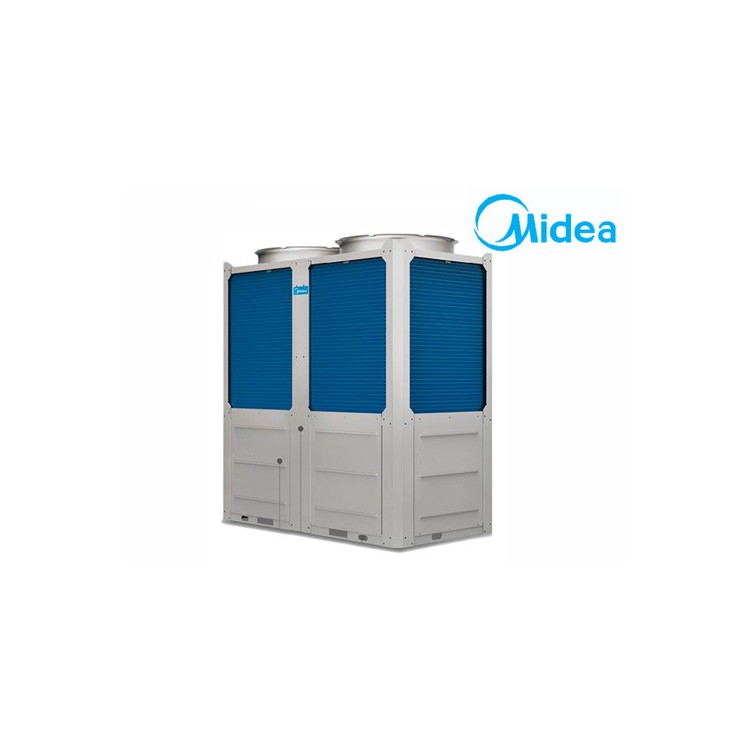
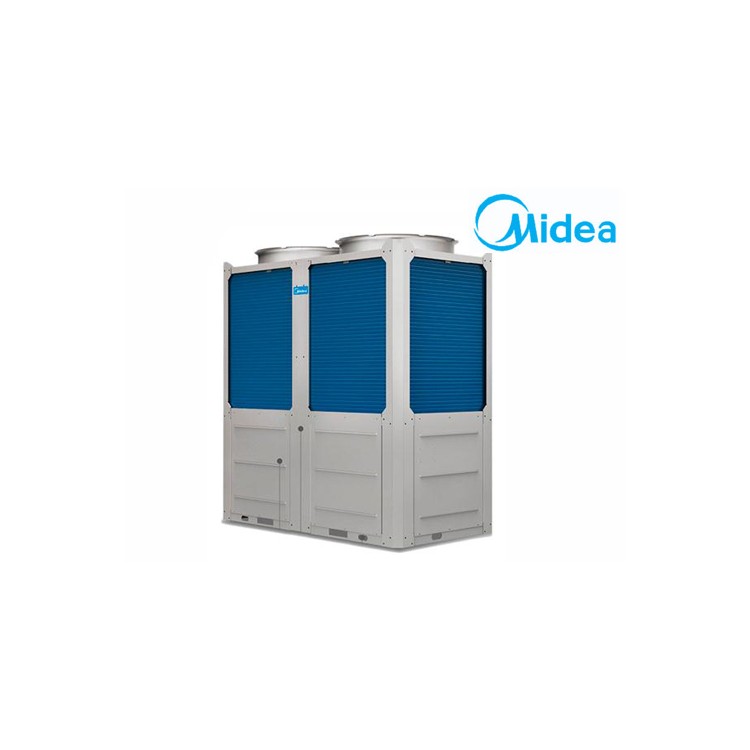
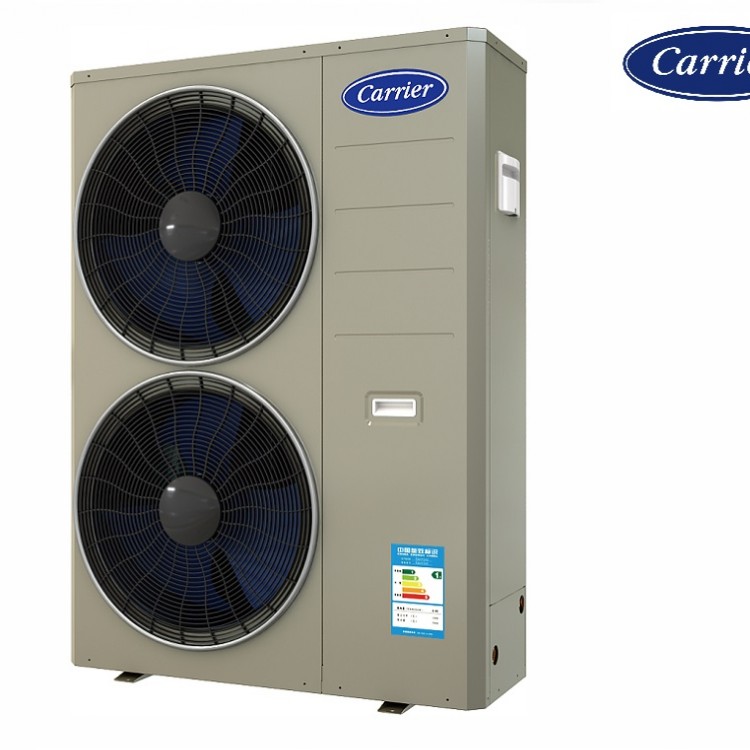
The Midea Air-Cooled Heat Pump Module Chiller is an innovative central air conditioning unit that uses air as the cooling and heating source, transferring heat through water, enabling summer cooling, winter heating, and simultaneous supply of domestic hot water. Featuring advanced technology and design, the unit boasts exceptional energy efficiency, stability, flexibility, and intelligence, providing efficient air conditioning solutions for a variety of industrial and civil engineering projects.
Product Specifications:
Model:
LSQWRF65M/AN1-W
LSQWRF130M/AN1-W
2. Modular Design:
The standard module includes 30kW, 65kW, and 130kW options, and can be paralleled with up to 16 modules.
Form a combination of products ranging from 65kW to 2080kW.
Performance Features:
Energy-saving:
This unit employs new, optimized heat exchangers, high-efficiency, low-noise fan wheels, brand-name compressors, and high-precision electronic expansion valves, significantly enhancing the unit's heat exchange efficiency and energy efficiency ratio, thereby substantially reducing operation costs.
2. Stability:
Utilizing dual backup operation technology, different modules within the same system act as backups for each other, ensuring continuous and stable system operation. Additionally, the multiple protection design effectively prevents damage to the unit due to abnormal conditions such as power supply, water flow, pressure, and temperature, thereby extending its service life.
3. Flexible:
The unit features a modular design for flexible assembly, catering to various site requirements. The range of base module combinations is extensive, suitable for refrigeration and heating needs from 65kW to 2080kW. Additionally, due to the absence of need for cooling towers, cooling water pumps, boilers, and corresponding pipelines, installation is straightforward, saves space, and is particularly suitable for areas with water shortages or difficulties in installing cooling equipment.
4. Smart:
The Midea Air Conditioning Heat Pump Module Unit employs microcomputer intelligent control technology. Users can operate it via a human-machine interface, either through wireless control or a panel. Users can easily set running times and temperatures, and keep track of the unit's operation status at any time. Additionally, network control technology can be selected for centralized and remote monitoring of the unit, enhancing management efficiency.