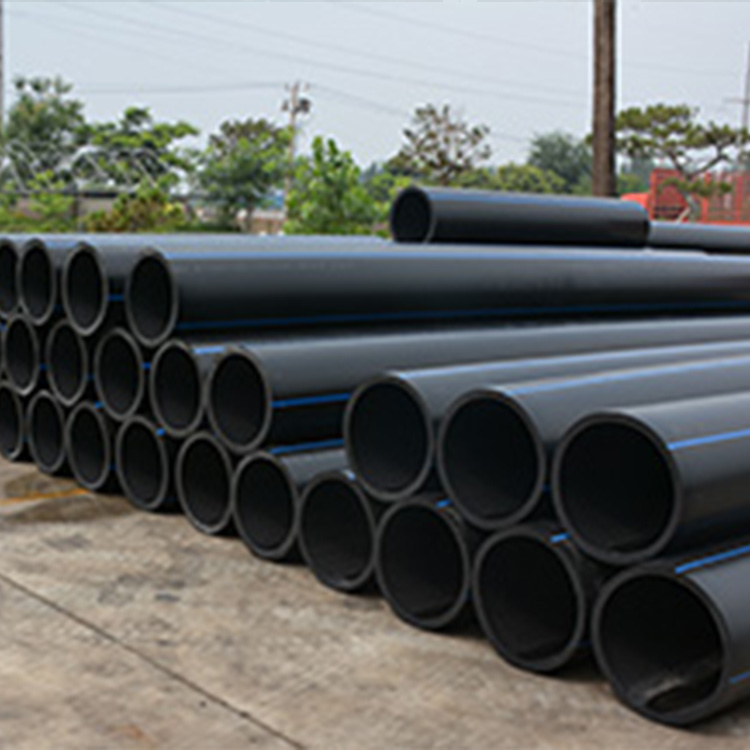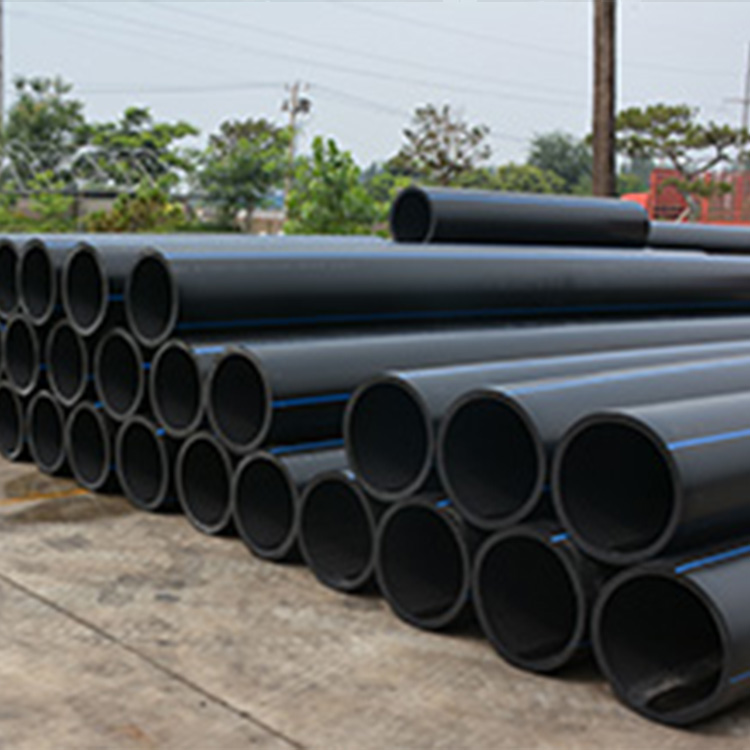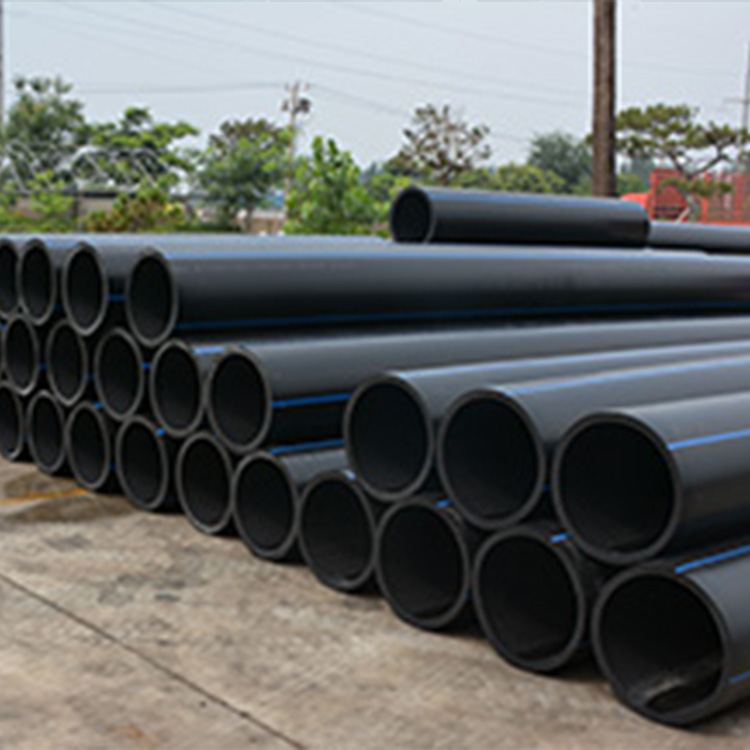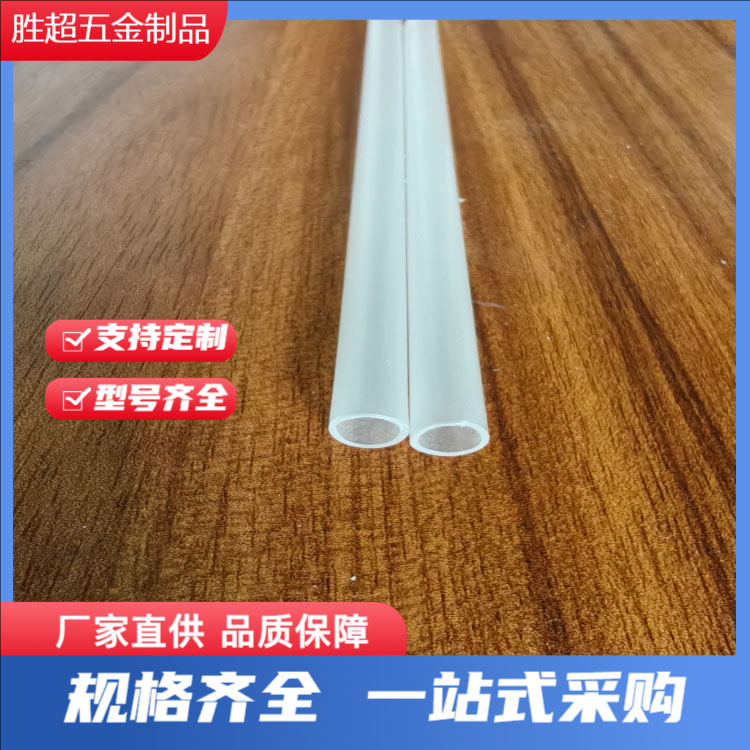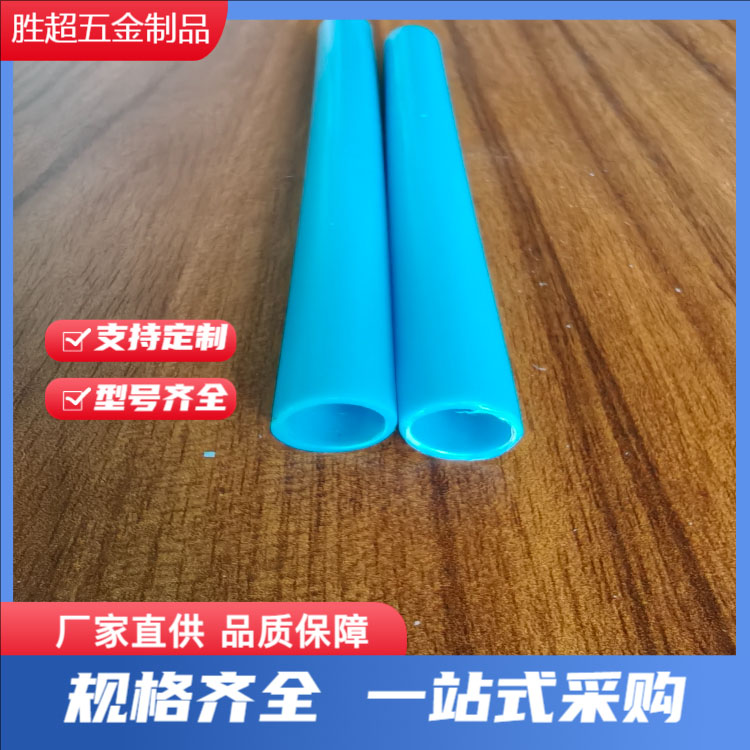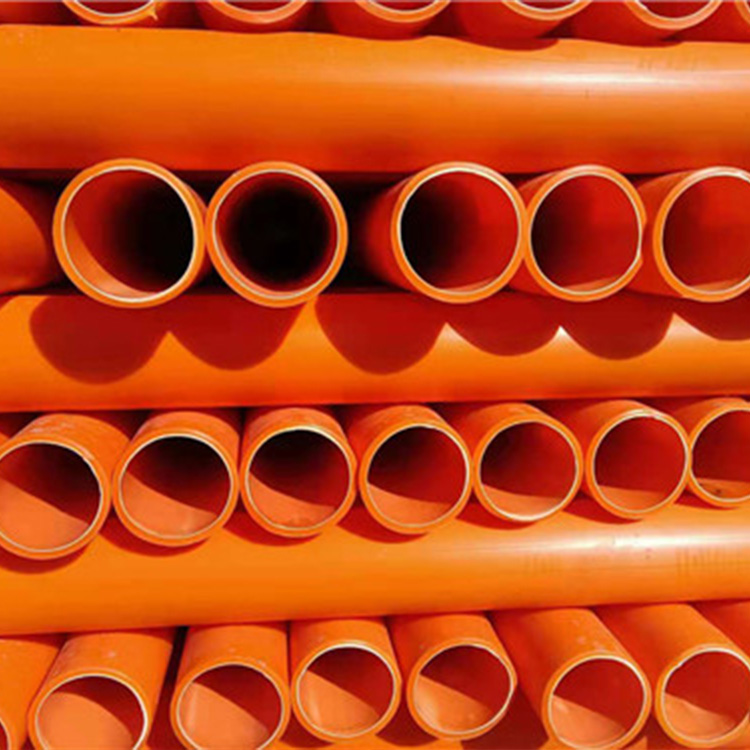


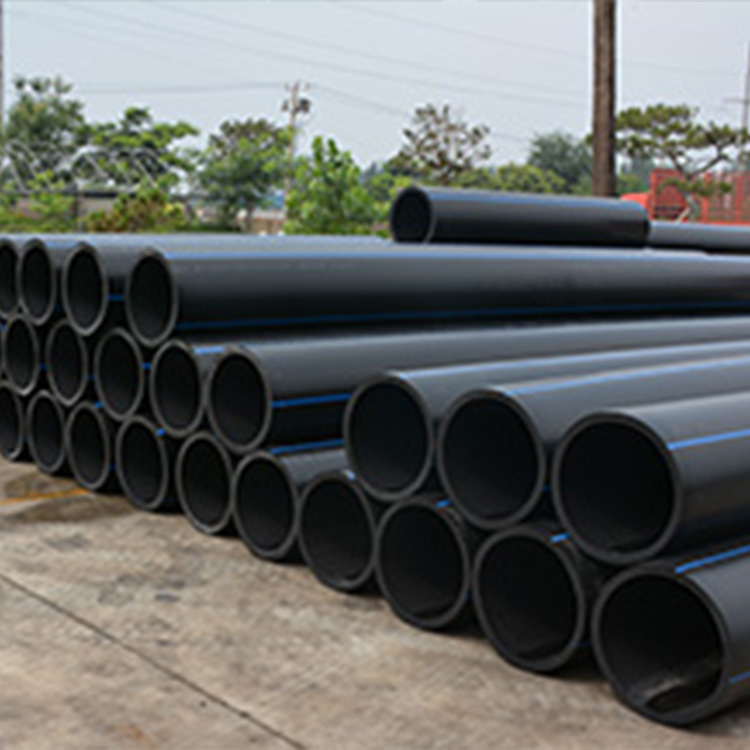


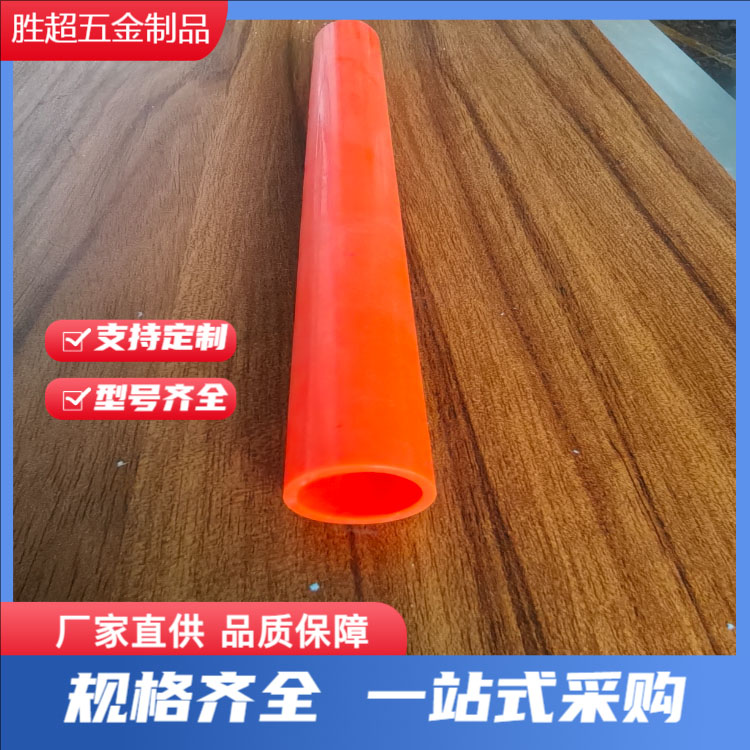

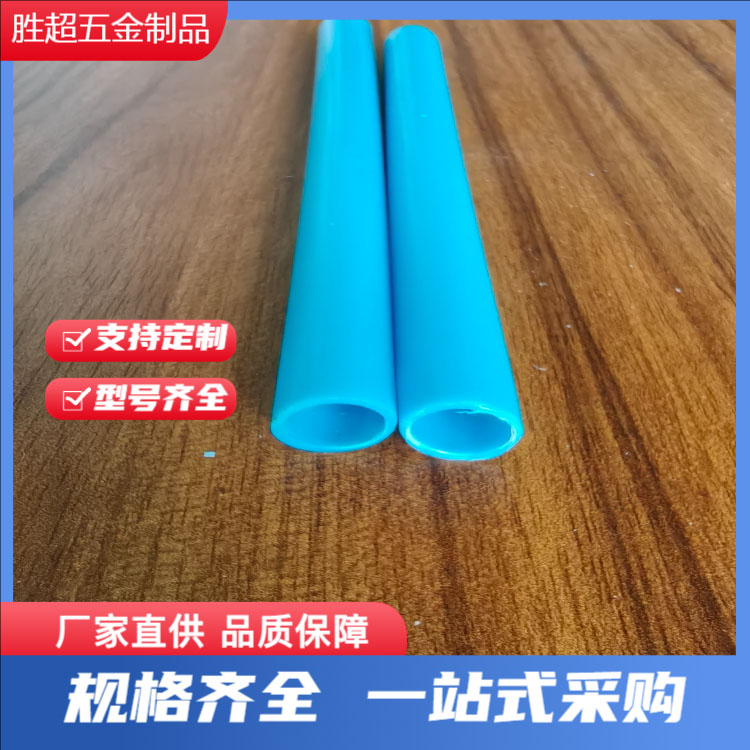








Introduction to Polyethylene (PE) Water Pipes
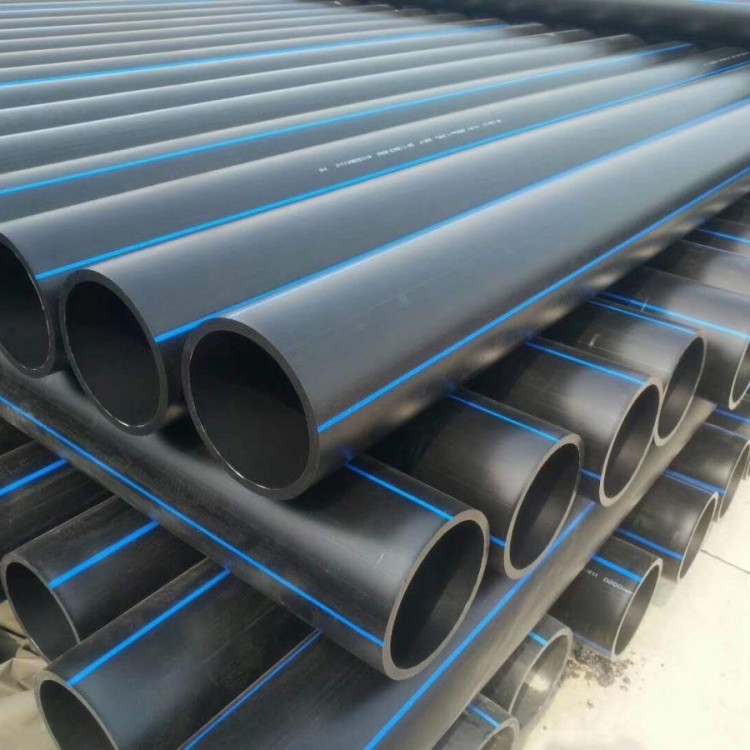
PE piping has a smooth inner wall that remains unchanged over time, offering low friction resistance, energy savings, and a pressure loss approximately 30% less than steel pipes, allowing for smaller diameters. It has excellent hygiene properties, is additive-free, and poses no risk of contaminating drinking water. The polyethylene material is graded as Class 0 (low) by ISO standards, is mold-resistant, and compared to other commonly used plastics, it exhibits significantly higher mold resistance without accumulating dirt over long-term use.
PVC pipes are suitable for temperatures not exceeding 40°C and nominal pressures below 1.6 MPa. They are commonly used for pressure water conveyance for general purposes and the transportation of drinking water. Main applications include municipal buried water supply, building water (and waste water) supply, agricultural irrigation, water feature projects, etc.
PVC pipe material comprehensive performance and application fields | Temperature resistance | Low-temperature brittleness temperature is very low, can be used in the range of -40℃ to 60℃, pipeline cracking during winter installation and construction will not occur.
Applications of Polyethylene (PE) Pipe
Polyethylene (PE) piping is suitable for pressure conveyance of general-purpose water and drinking water.
Primarily used in municipal underground water supply, building water supply (and drainage), agricultural irrigation, and water feature projects. In water supply pipeline projects, PE pipes are destined to replace UPVC pipes.