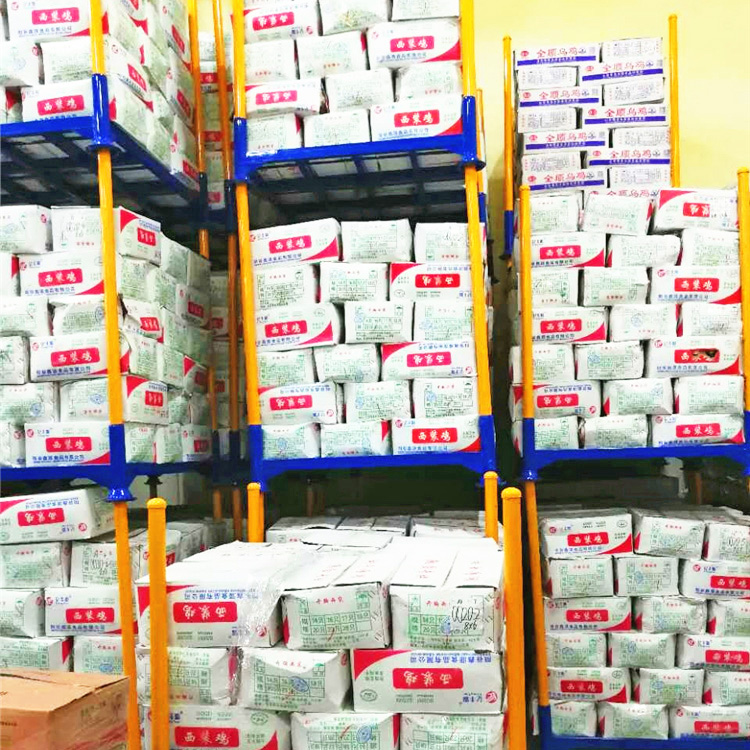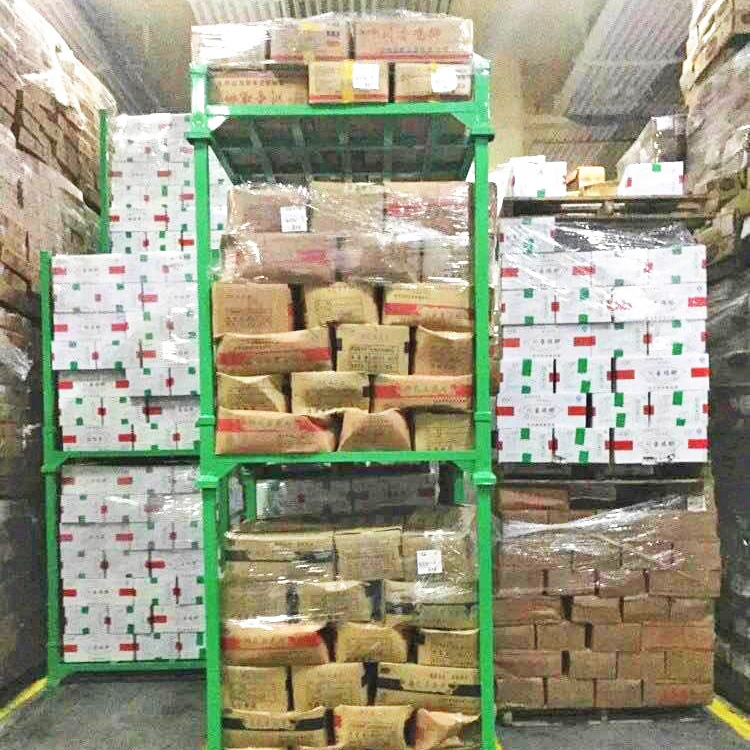


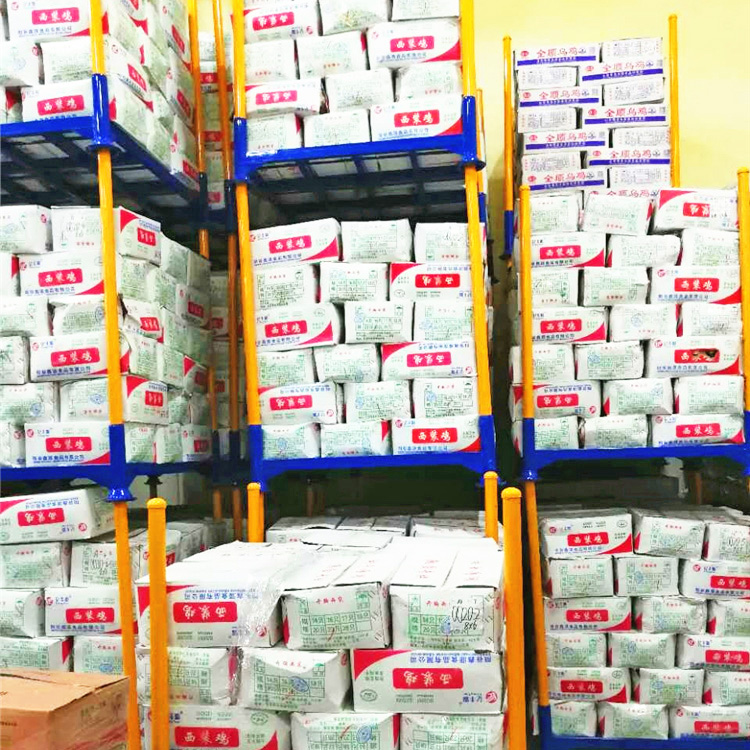
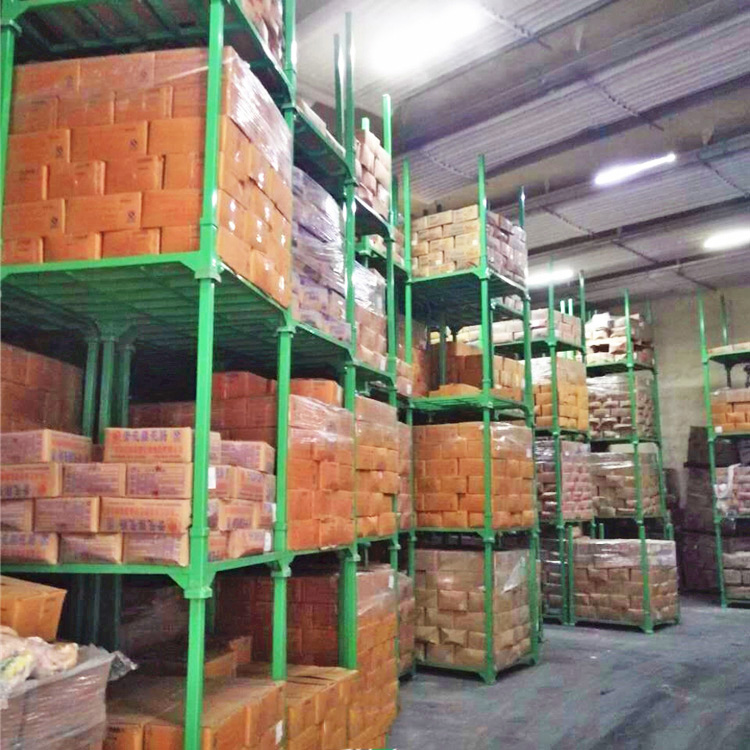
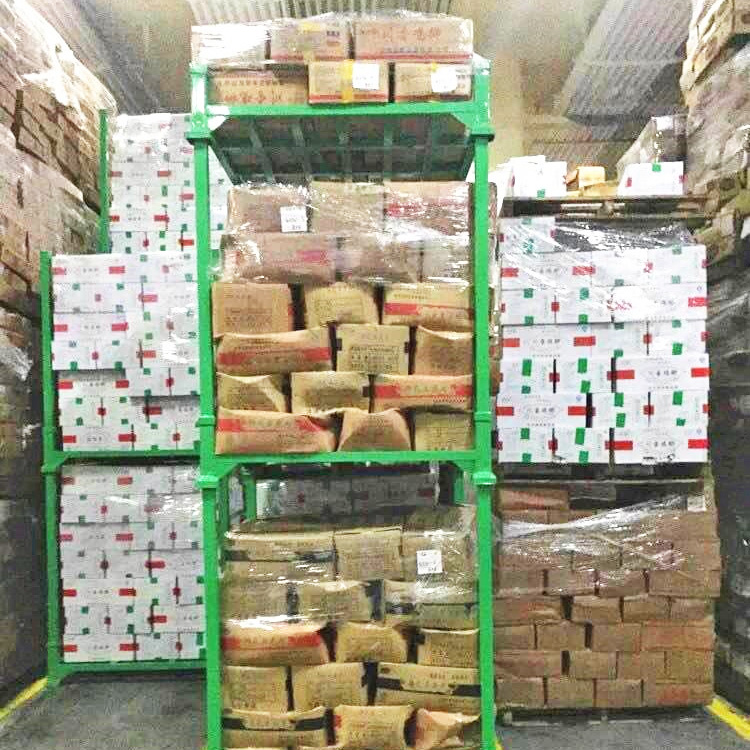


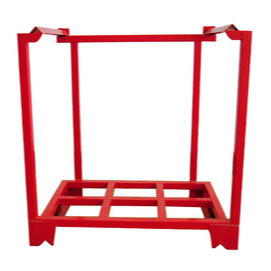
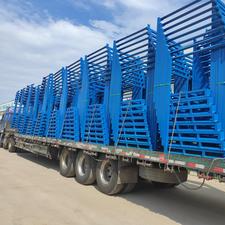
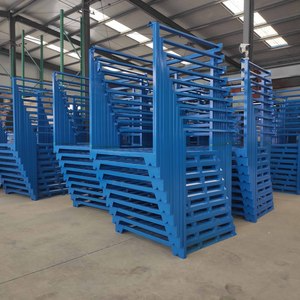
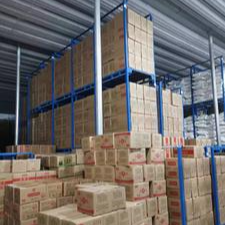





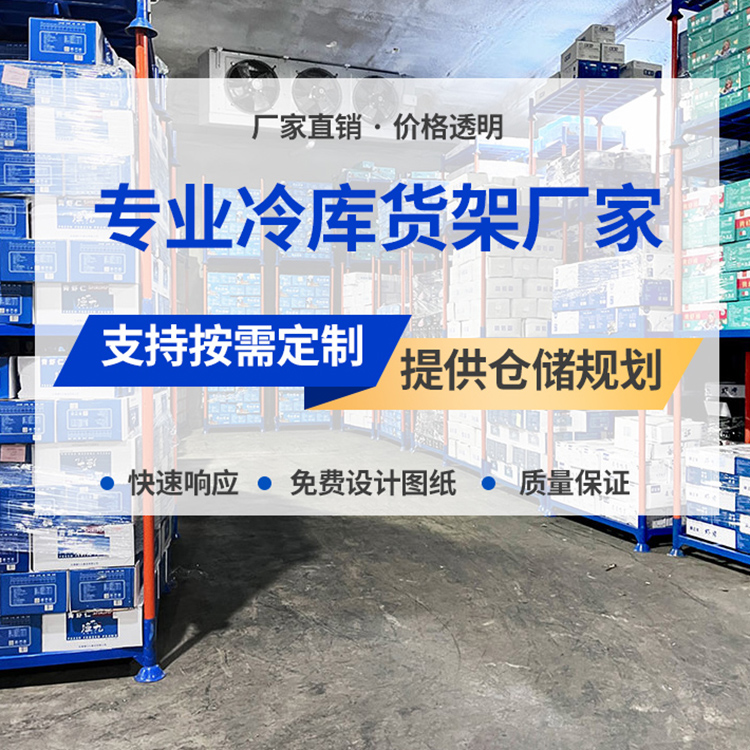
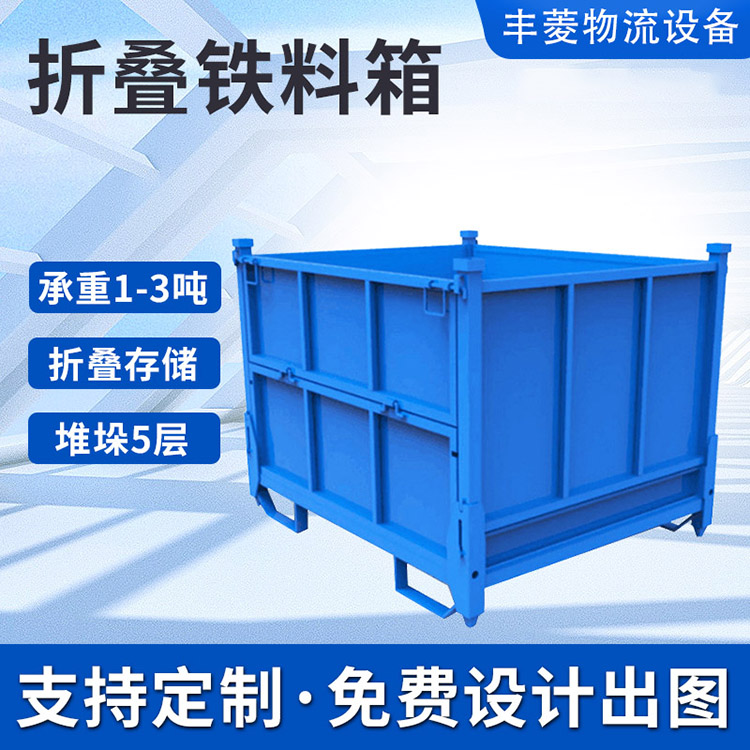
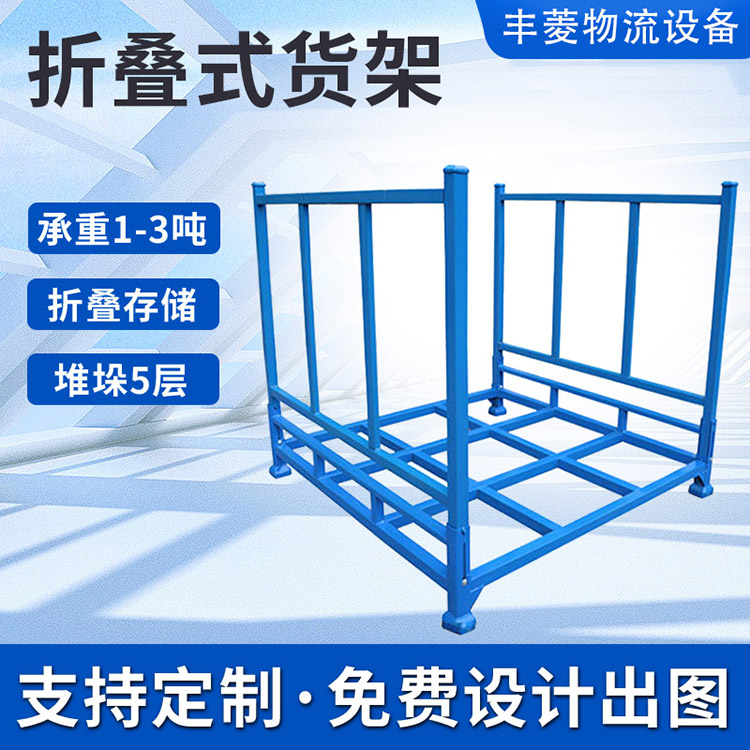
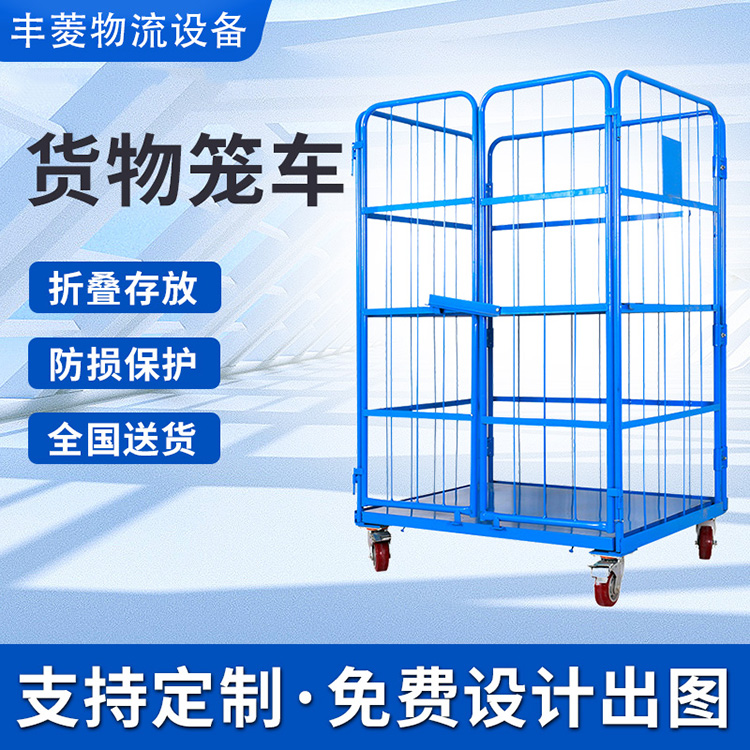
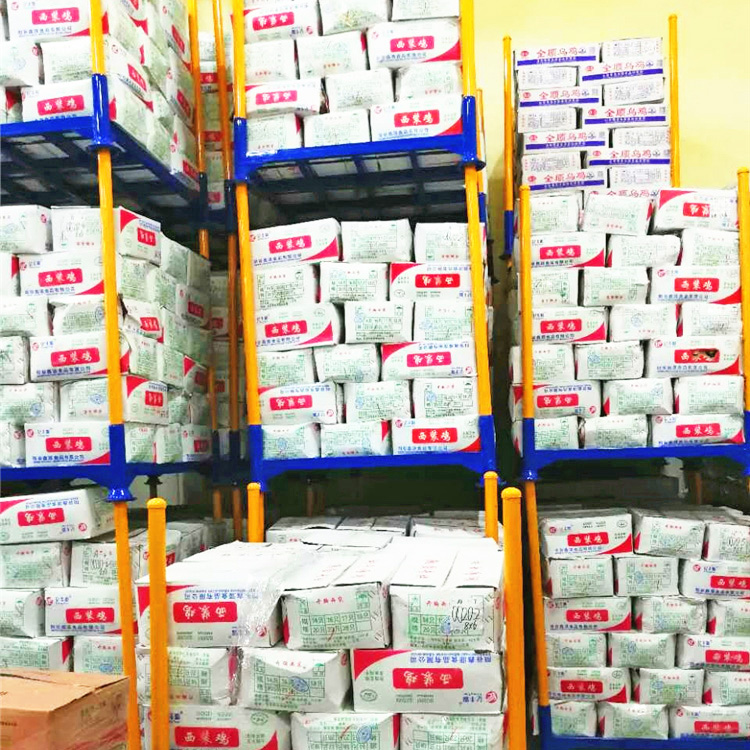
Cold storage racking and general warehouse racking designs are quite similar, with the main difference lying in the "cold" aspect. Standard warehouses do not have special requirements during design and production, but cold storage facilities have specific requirements for materials and rust-proof coatings, which is where the distinction lies in the design of cold storage racking compared to standard warehouse racking.
Warehouse racking in cold storage typically uses high-rise racks, also known as vertical racks, and even implements automation on this basis. The cost of cold storage is very high.
Generally, temperatures fall below -16 degrees Celsius, making the insulation performance of the warehouse and the rationality of the racking design crucial. The former can reduce electricity costs, while the latter can lower costs by increasing storage space and improving inventory handling efficiency.
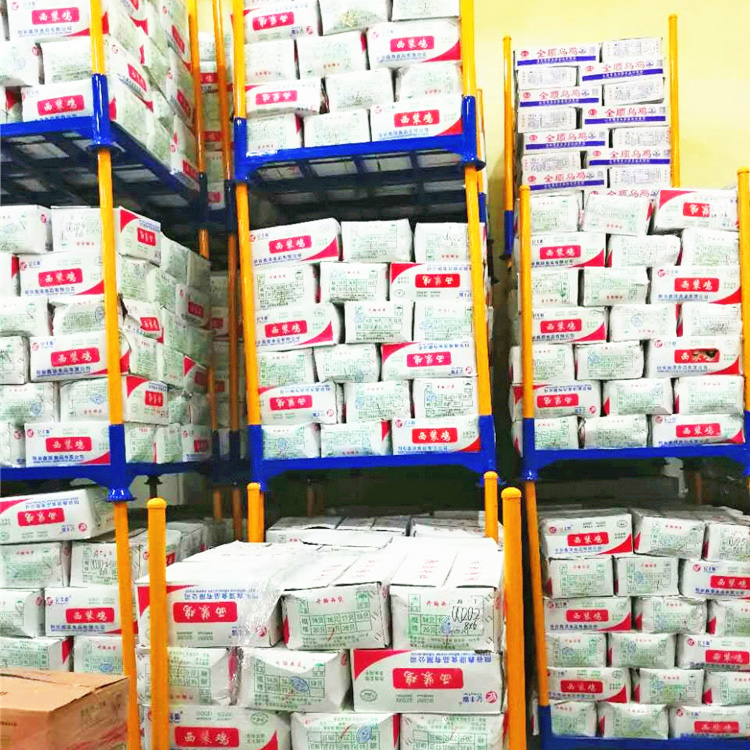
Typically used for cold storage shelves
Drive-in Racking: This type of racking has a lower initial investment cost, high storage density, and is suitable for storing large batches of goods with few varieties. The storage and retrieval method is first-in, first-out. Forklift storage is efficient and reliable, making it suitable for most material handling storage operations.
Rack Shuttle System: Similar to drive-in racks, these can be used with shuttles, offering moderate to low cost. The rack aisle merges with the storage (shuttle) operational aisle. Forklifts only load and unload goods at the two ends of the racks, while shuttles transport the pallets from the inbound to the outbound end.
Push Back Racking: Push back racking offers high space utilization, easy access, with a total depth of less than 6 pallets, unit product weight not exceeding 1500kg, and a height under 6 meters. The manufacturing precision of the racks is high, adhering to the LIFO (Last In, First Out) principle, allowing forklifts to operate at the lower end without entering the storage aisles. This type of racking is suitable for cold storage facilities and locations with moderate product selection requirements.
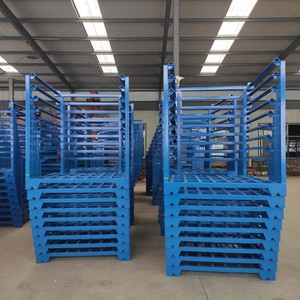
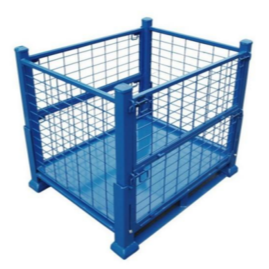
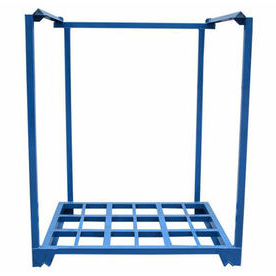
Rack Shelves: Easy to access, simple to set up and dismantle, cost-effective, aesthetically pleasing, well-planned layout, strong load-bearing capacity, up to 5 tons per shelf, user-friendly design, adjustable shelf height, modular assembly, no need for welding or screws, easy to transport.
Narrow Aisle Racking: Accommodates narrow aisle forklifts (also known as three-way forklifts) for storing and retrieving pallet goods in the aisles on both sides of the narrow aisle racking. The forks of the narrow aisle forklifts feature three-way rotation and side shifting capabilities, allowing the forklift to maneuver without 90-degree turns when handling pallet goods within the aisles. Narrow aisle racks are suitable for various industries.