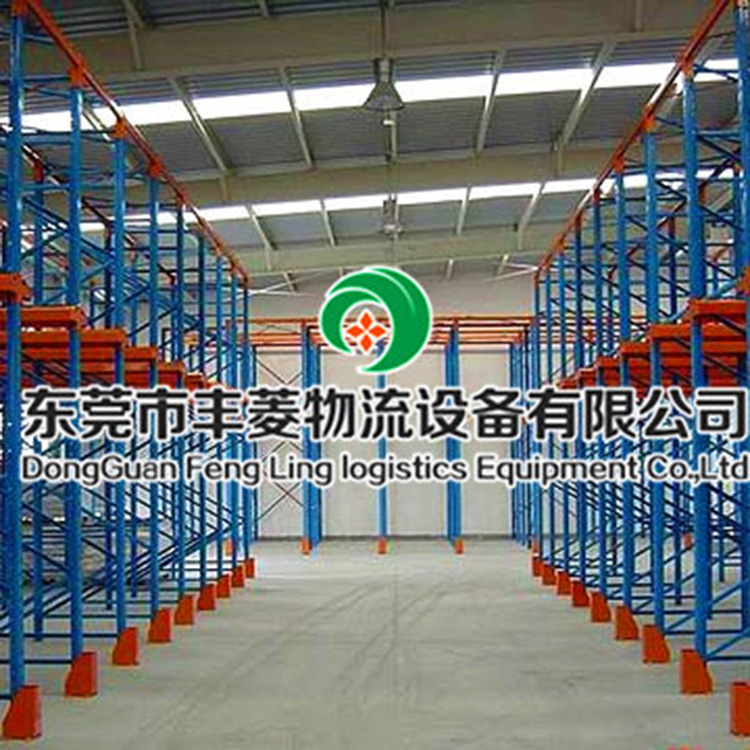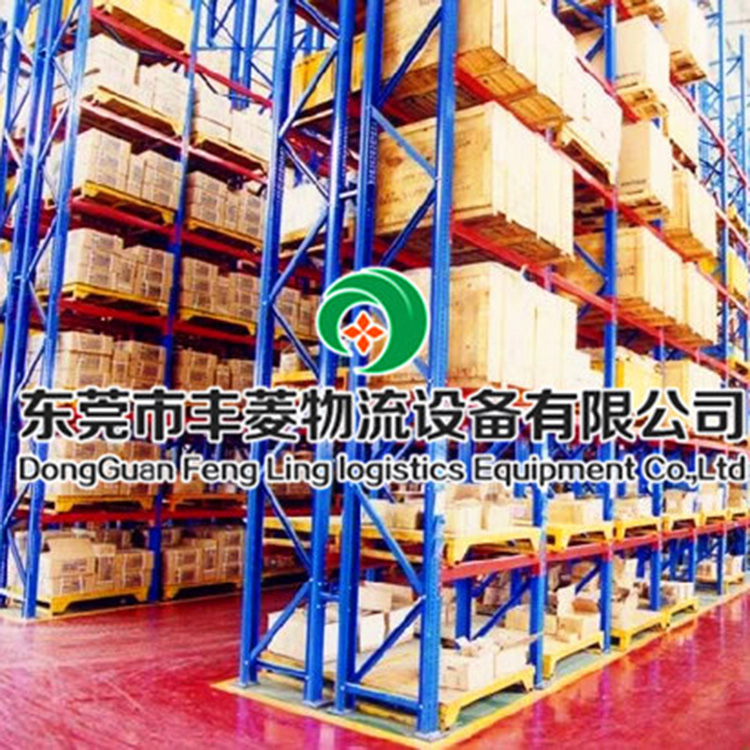

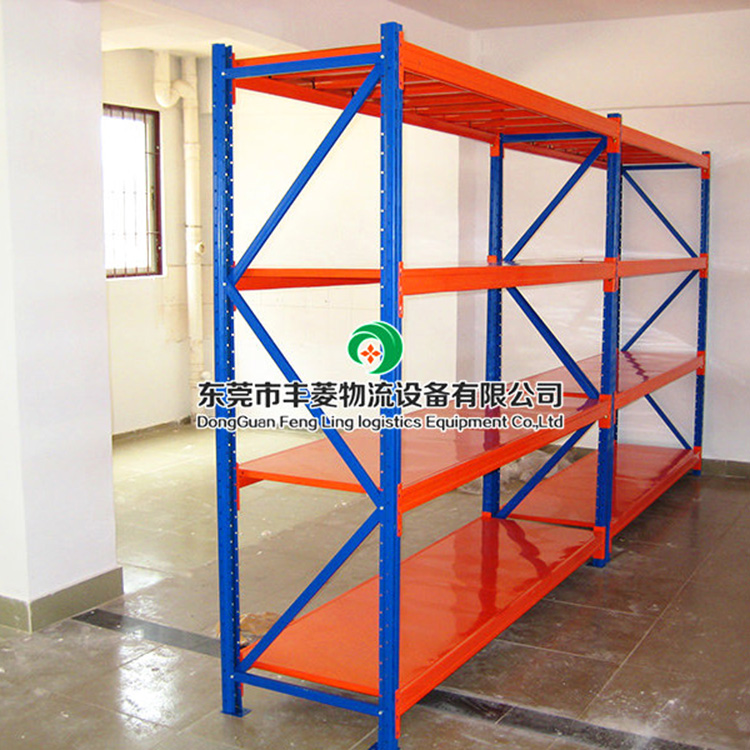

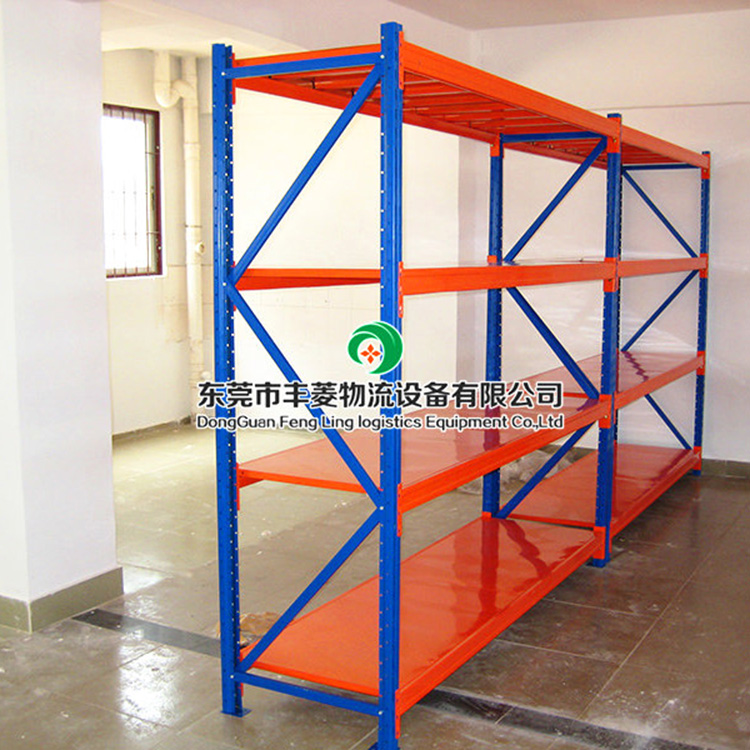
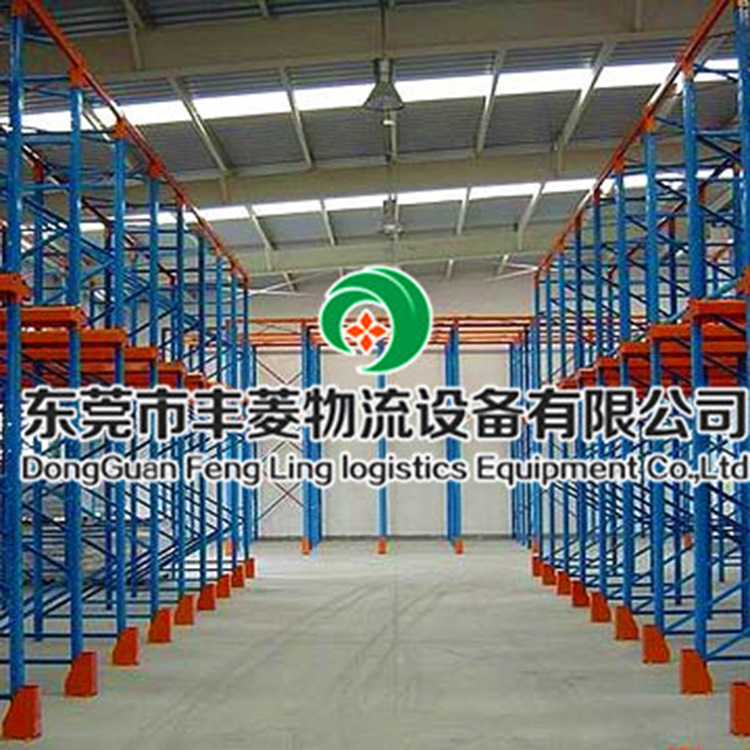
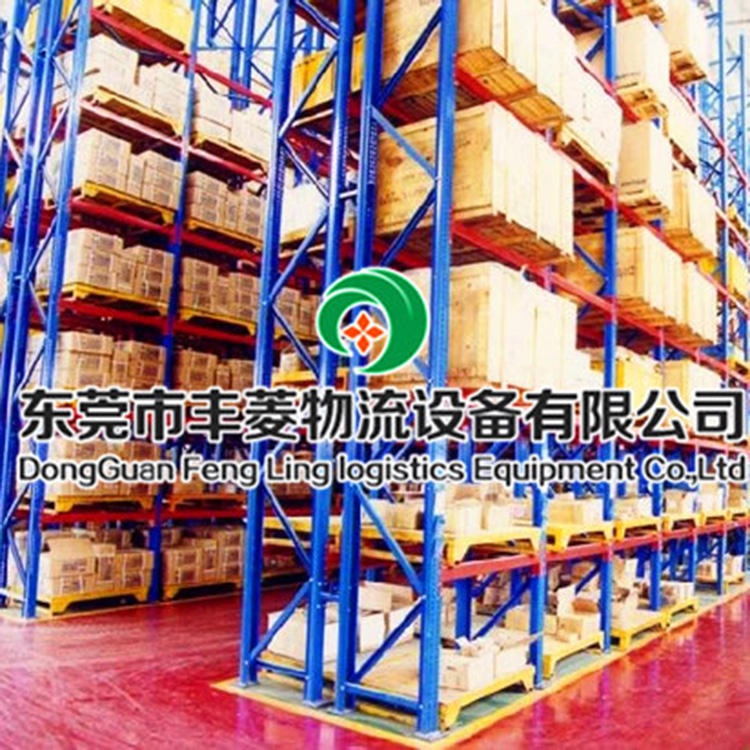


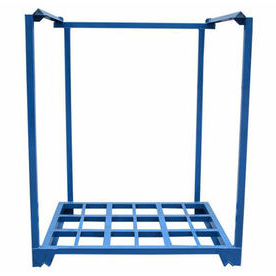
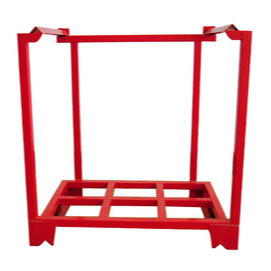
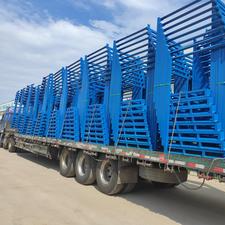
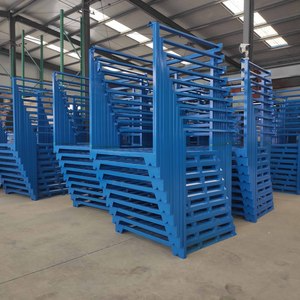





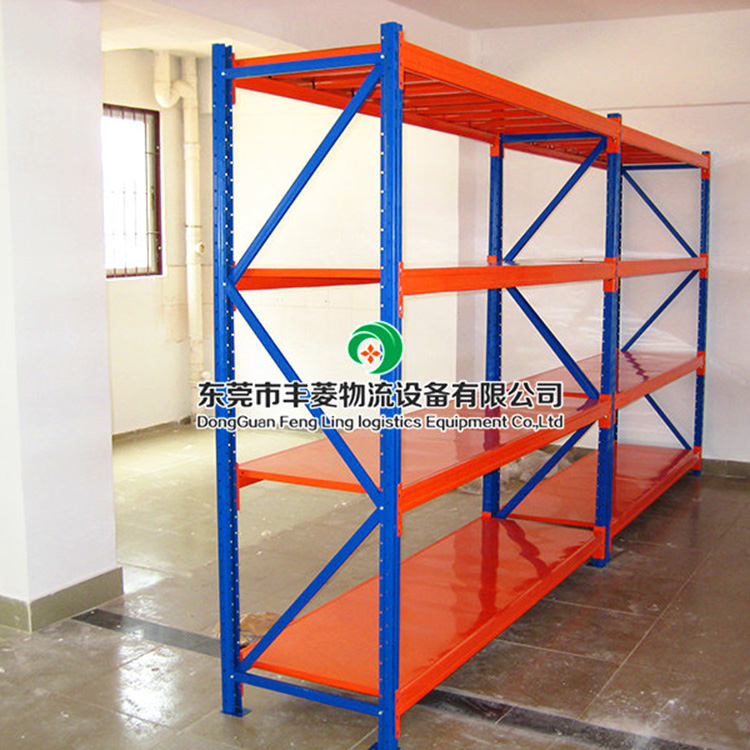
Medium-size Shelves include Medium A Shelves and Medium B Shelves
Medium A shelf product process:
Medium-size shelf A features interlocking shelves and posts, enhancing stability and durability. All layers except the bottom and top are adjustable.
Medium-duty shelf A structural features:
Composed mainly of columns, beams, base plates, and shelf boards, featuring boltless connections for easy assembly and disassembly (assembly/disassembly can be done with just a rubber mallet), the design is aesthetically pleasing and suitable for manual handling of goods. The load capacity per shelf typically ranges from 200kg to 350kg, meeting most usage requirements. The main shelf components are made of cold-rolled steel plates, allowing for free adjustment up and down at 50mm intervals. To facilitate staff in handling goods, the overall height of the racks usually does not exceed 2 meters. With the use of elevated equipment, the rack height can reach up to 3 meters. They can be used individually or freely combined into various configurations.
Medium Shelf B Product Process:
The shelves are connected by horizontal beams and upright posts, with the partitions laid on the beams, which can bear greater loads than the tiered shelves, enhancing the stability and durability of the racks. The beams come in various cross-sections, and the shelf spacing is adjustable, adding flexibility and convenience to inventory management.
Medium-duty shelving B structure features:
Also commonly referred to as shelf racks, they consist of uprights, beams, and shelves.
Suited for manual goods handling, compared to medium I-type racks, due to the shelves being laid horizontally, the span is smaller, resulting in significantly higher load-bearing capacity for racks of the same length and width. Widely used across various industries, it features low cost, safety and reliability, easy assembly and disassembly, can be used individually, and can be freely assembled into various configurations.
Medium Shelves Individual Component Briefs:
Column Sections: Consisting of two upright columns connected by horizontal and diagonal bracing with nylon self-locking bolts, these effectively prevent bolt loosening that could lead to unstable shelving. The columns feature double rows of slotted holes, with a pitch of 50mm, allowing the shelf height to be adjusted in 50mm increments. The column cross-section is made up of 7 faces, and by utilizing the "punching holes first and then cold bending" technique, it completely avoids the risk of cracking and failure due to stress concentration in the columns.
B. Beam: Welded together with two column clips and the beam rod, which is made of a custom cold-rolled P-shaped closed beam. This structure features simplicity, reliability, light weight, high load-bearing capacity, and low cost. Special design pins are included when connecting the column clips to the pillars to ensure that the beam will not detach after an external impact.
C. Deck Boards: Utilizing the popular strip deck boards internationally, characterized by strong load-bearing capacity, wear resistance, easy replacement, and low maintenance costs.
Surface Treatment Requirements:
1. Process Flow: Rough Casting → Degreasing → Rust Removal → Surface Treatment → Phosphating → Drying → Electrostatic Powder Coating (or Zinc Plating) → Curing → Packaging
2. Surface treatment is done using electrostatic powder coating with epoxy resin, with a film thickness of 60~80 micrometers.
3. The adhesion of the electrostatic powder coating meets the 0-grade requirements of GB9286.5-88 standard.
4. Hardness (wear resistance) is over 100 times that of ordinary nitrocellulose paint, meaning it has no scratches after being tested with a 2H pencil.
5. Corrosion Resistance (Hydrochloric Acid Test) GB1771-91 over 500 hours.