








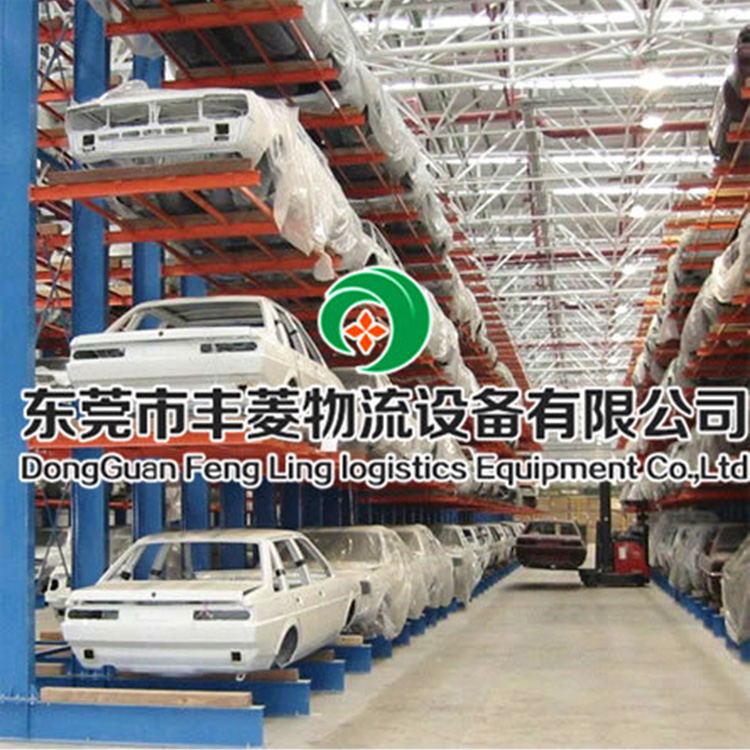
Introduction to Cantilever Racking
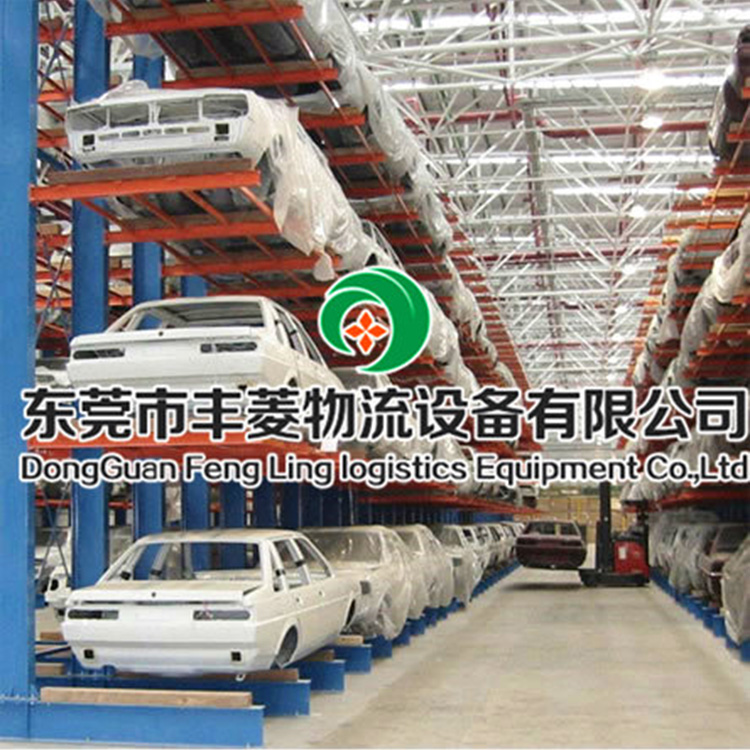
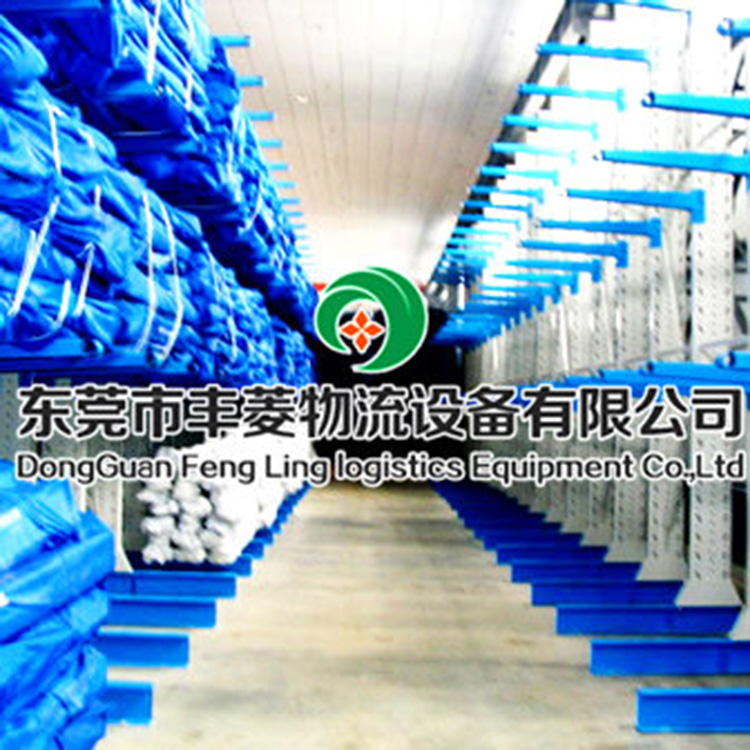
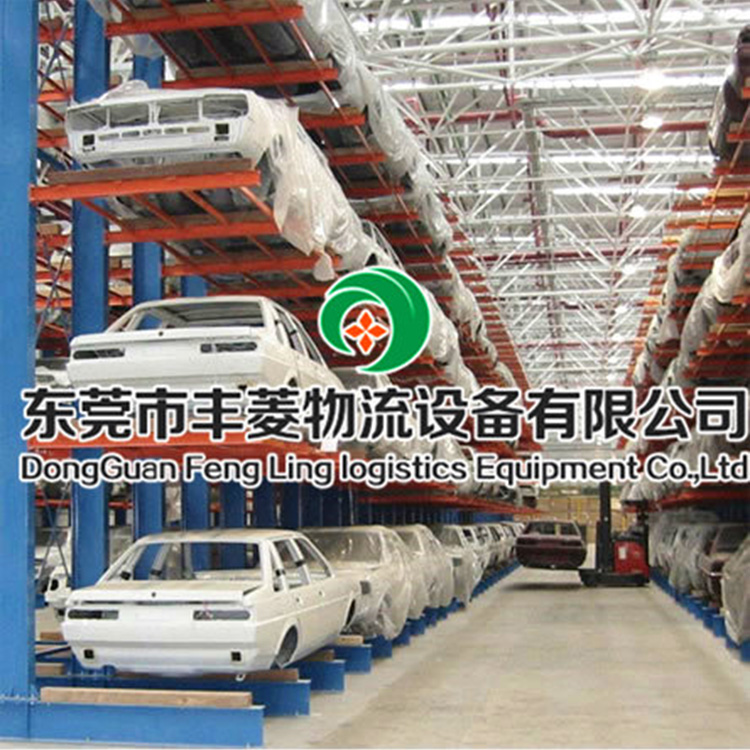
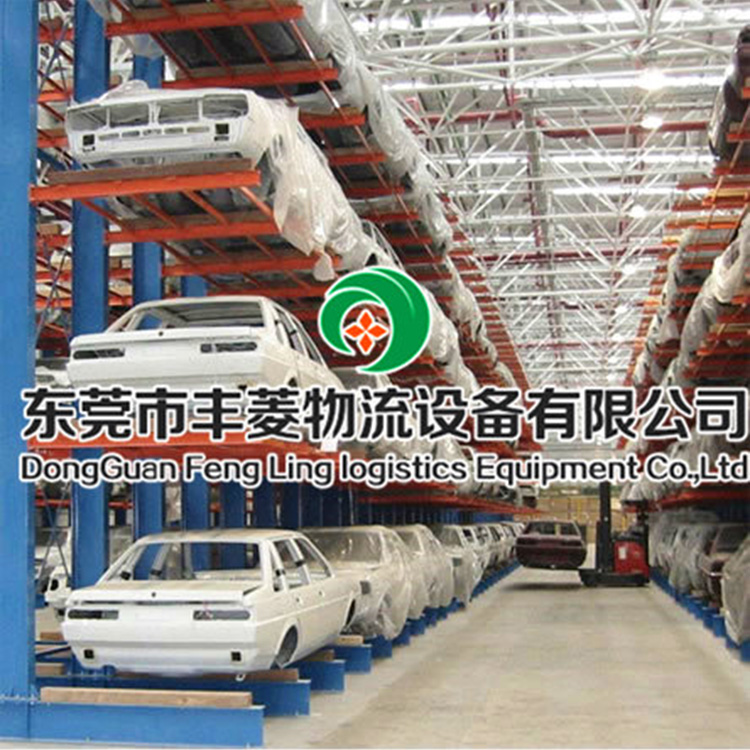
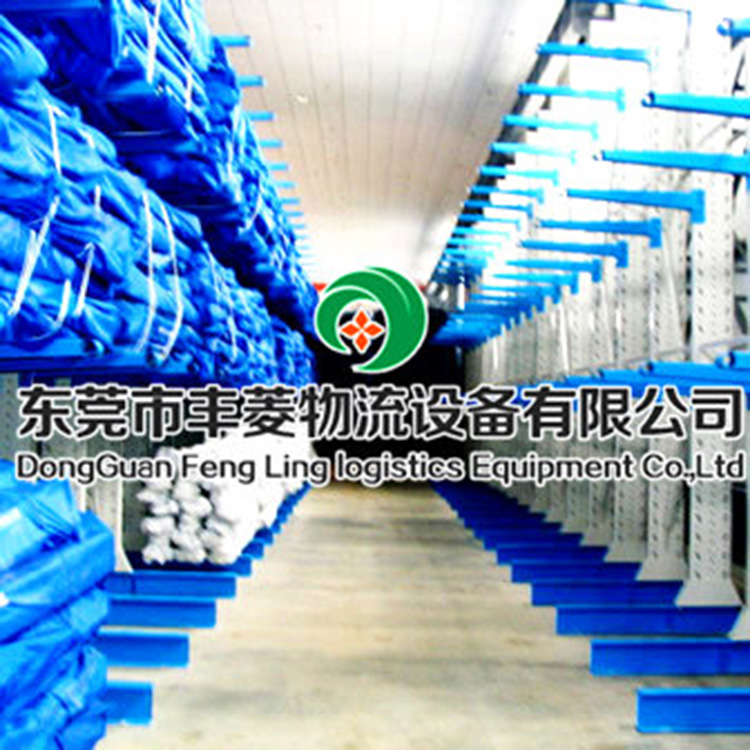
A cantilever racking system consists of cantilevers mounted on uprights, which can be either fixed or movable. It is commonly used for storing pipes and sheets. It can be categorized into three types based on load capacity: light-duty, medium-duty, and heavy-duty; and into single-sided and double-sided cantilever racking systems based on structural design.
Cantilever货架 production process:
The base of the cantilever racking can be made from H-beams or special profiles. The selection of H-beams is based on the load-bearing requirements and corresponds to national standard steel. Holes for bolt connections to the uprights are cut on the H-beams for easy assembly. The bottom plate is welded to the bottom, with holes for expansion bolts to securely attach the racking to the ground.
The cantilever shelves are constructed with specialized materials for the base, where two C-shaped steel sheets are welded together back-to-back using connecting steel plates. The width of the connecting plate is equal to the width of the posts. After welding the two C-shaped steel sheets, holes for connecting bolts are drilled at the position of the connecting posts for easy assembly. The side welding of the base plate facilitates the connection of expansion bolts to the ground.
The cantilever shelf posts are made by welding two pieces of C-shaped steel together. The C-shaped steel is produced from Q235 strip steel, rolled into shape on a rolling mill, and then punched with cantilever connection holes on an automatic punch press, with a spacing of 140mm between holes. If a connection plate is to be welded at the bottom of the post in a connection method with H-shaped steel, a bolt connection hole will be provided at the bottom connection part of the post if a connection method with specialized profiles is used.
Cantilever货架Manufacturing Material:
A cantilever racking is typically made from two materials.
1. Made of rectangular tubes: The cantilever racking is constructed by first selecting rectangular tubes that meet the required load-bearing capacity of the cantilever layers, cutting them to the necessary size, welding anti-slip plates at one end, and connecting U-shaped uprights at the other.
2. Constructed with C-channel steel: The cantilever racking is first selected with the appropriate specification of C-channel steel based on the cantilever layer load requirements. After selection, the two C-channel steel sheets are welded together. Once焊接 is complete, a anti-slip guard plate is welded at one end, and a U-shaped column connection piece at the other.
The cantilever shelf columns are connected by rods, typically made of rectangular tubes. To enhance safety and stability, flat iron back pulls with special clamps are added to the rods to securely fasten the columns.
All cantilever shelf components are semi-finished after production, to be powder coated. Prior to powder coating, they undergo shot blasting for degreasing and rust removal. After finishing, they are packaged and shipped.
Features of cantilever racking structure:
1. Cantilever racks come in single and double arm variations, designed for efficient storage of wood, pipes, long bars, and similar products. Cantilever racks can be continuously assembled into multiple unit systems by connecting individual upright sections with cantilevers via horizontal rods and diagonal rods.
2. Cantilever racking is an effective storage system in terms of quality, safety, and management. The uprights are composed of posts and bases, with the posts being welded together from two specially designed C-shaped steel sheets. This structure maximizes the material's load-bearing capacity, featuring high load capacity and low cost.
3. The columns are pre-fabricated with double rows of holes, spaced 100mm apart. The cantilever is connected to the column via a plate pin, allowing adjustment up and down in 100mm increments.
Bracket Parameter Table (Reference)
Product Specifications | Column Specifications | Column Height | Cantilever Specifications | Cantilever Length | Single Arm Load
(mm) (mm) (mm) (mm) (kg)
Lightweight cantilever beam 50*100*2.0 ≤ 1800, 40*60*1.5 ≤ 700, ≤ 150
60*120*2.0 ≤2000 40*80*1.5 ≤1000 ≤250
50*100*1.5 ≤300
Medium cantilever beam 70*140*2.0 ≤2500, 50*100*2.0 ≤1100, ≤350
50*120*1.5 ≤400
50*120*2.0 ≤450
80*180*2.0 ≤3000 50*140*1.5 ≤1200 ≤500
50*140*2.0 ≤600
Heavy-duty cantilever beam 100*200*2.5 ≤3500, 100*100*2.0 ≤1300, ≤1000
60*160*2.0 ≤1500
Standard dimensions of cantilever racking:
| Pole Specifications (mm) | Pole Height (mm) | Arm Length (mm) |
| 100×50 | 1500 | 300 |
| 2000 | 400 | |
| 2500 | 500 | |
| 3000 | 600 | |
| 200×60 | 3500 | 700 |
| 4000 | 800 | |
| 300×90 | 4500 | 900 |
| 5000 | 1000 | |
| Surface Treatment | Powder coating |
Surface Treatment Requirements:
1. Process Flow: Raw Black → Deoiling → Rust Removal → Surface Adjustment → Phosphating → Drying → Electrostatic Powder Coating (or Galvanizing) → Curing → Packaging
2. Surface treatment is done via electrostatic powder coating with epoxy resin, with a film thickness of 60~80 micrometers.
3. The adhesion of the electrostatic powder coating meets the 0-grade requirements of GB9286.5-88 standard.
4. Hardness (wear resistance) is over 100 times that of ordinary nitrocellulose paint, meaning it shows no scratches after being tested with a 2H pencil.
5. Corrosion resistance (hydrochloric acid test) GB1771-91 over 500 hours.