










Fengling U-Shaped Logistics Trolley Basic Introduction
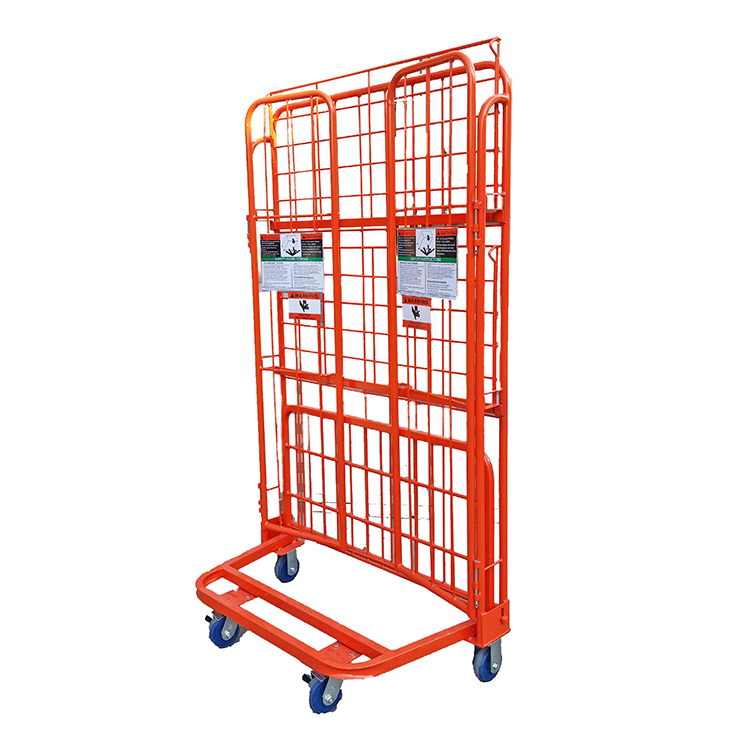
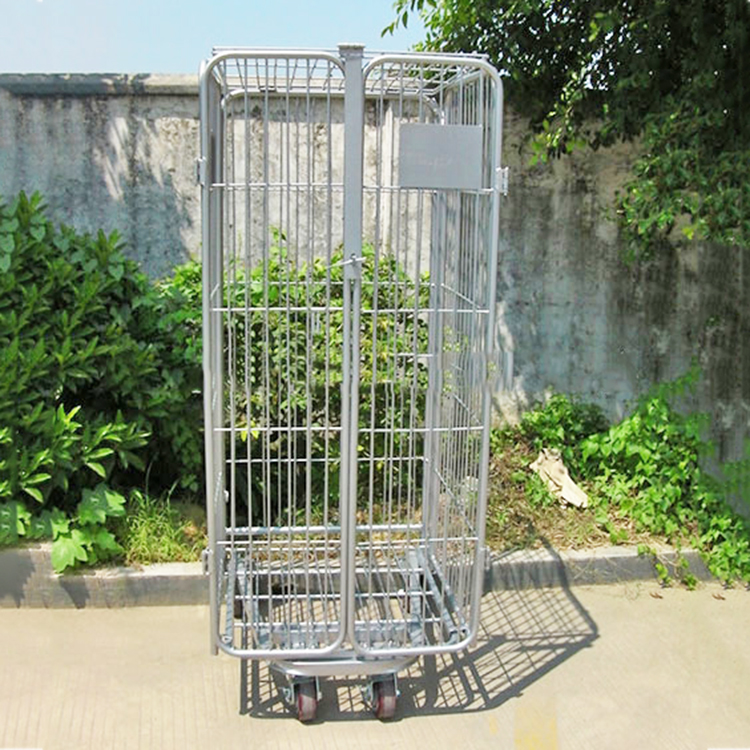
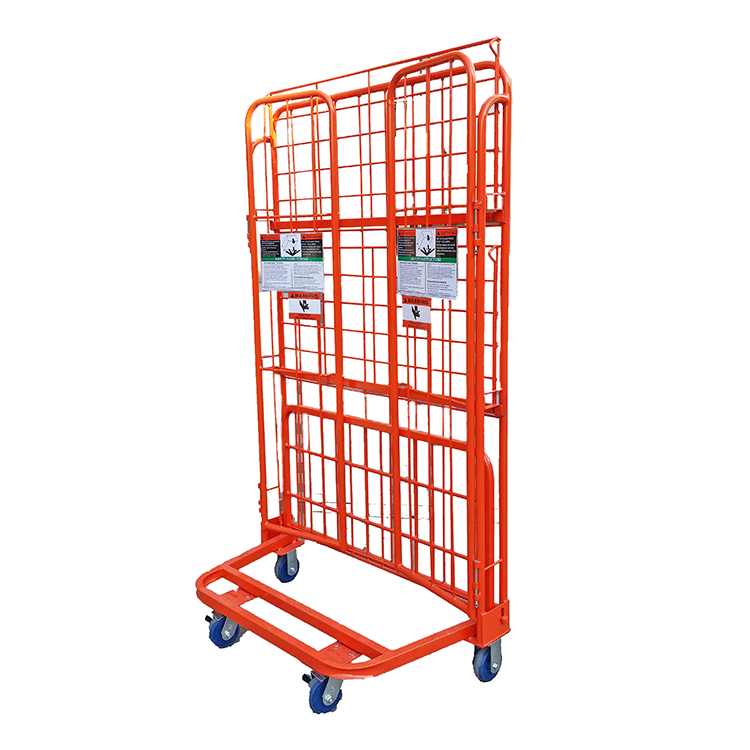
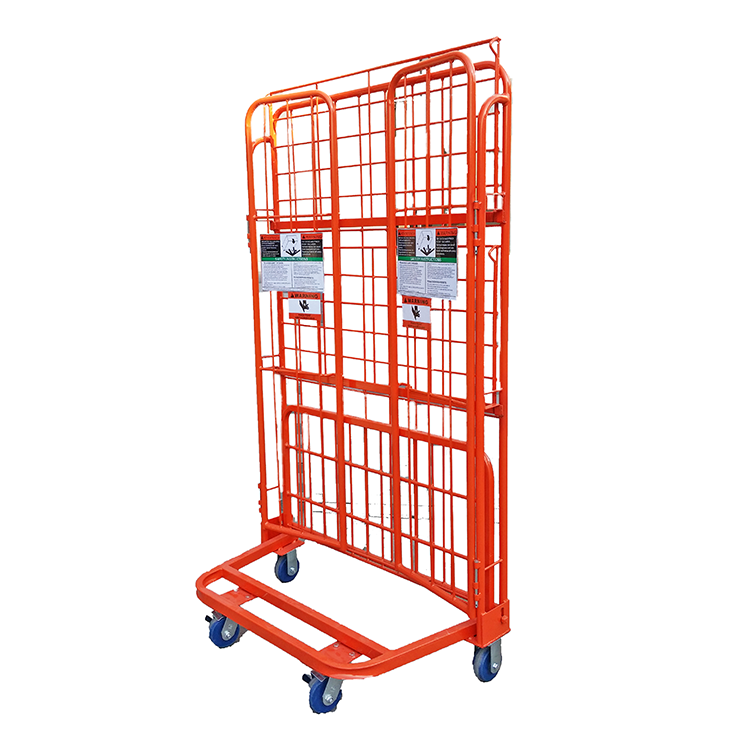
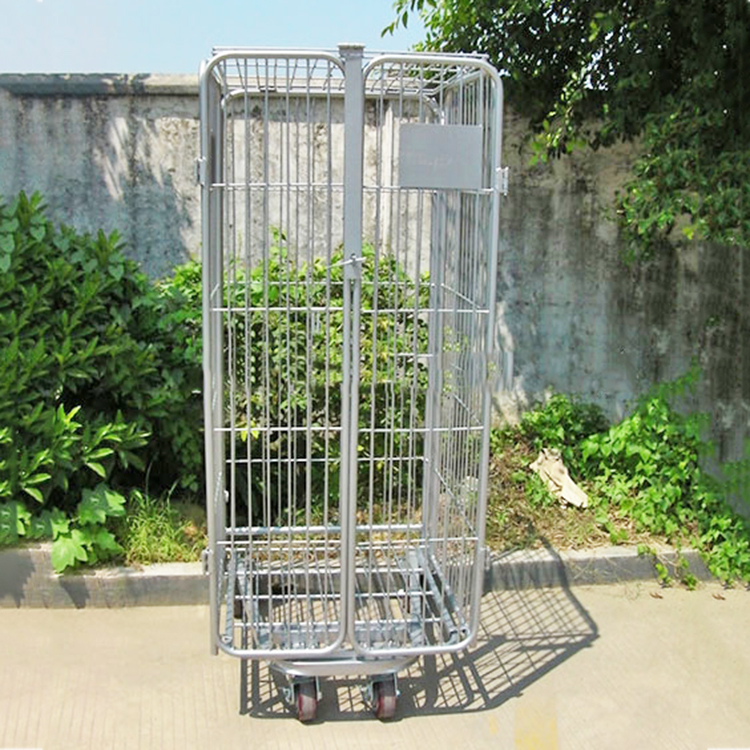
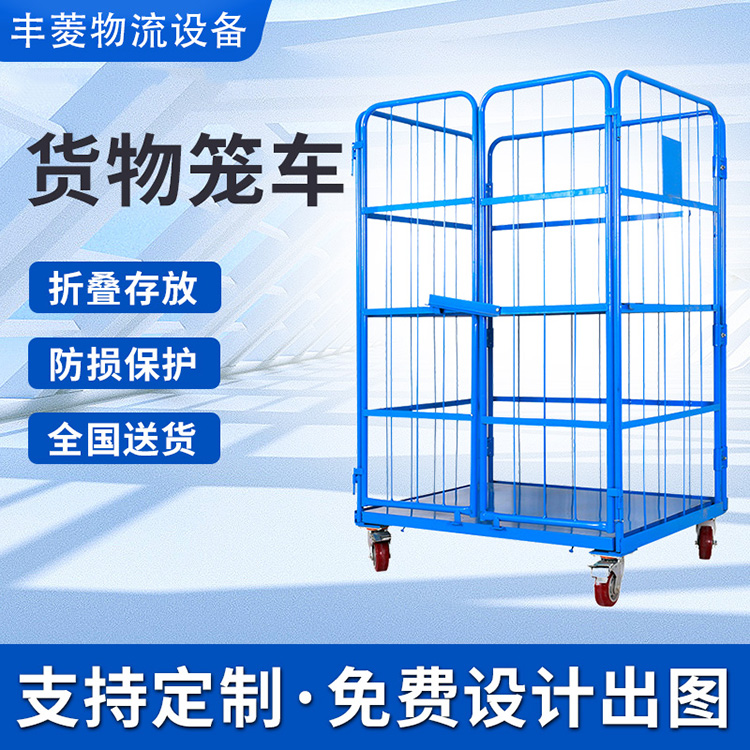
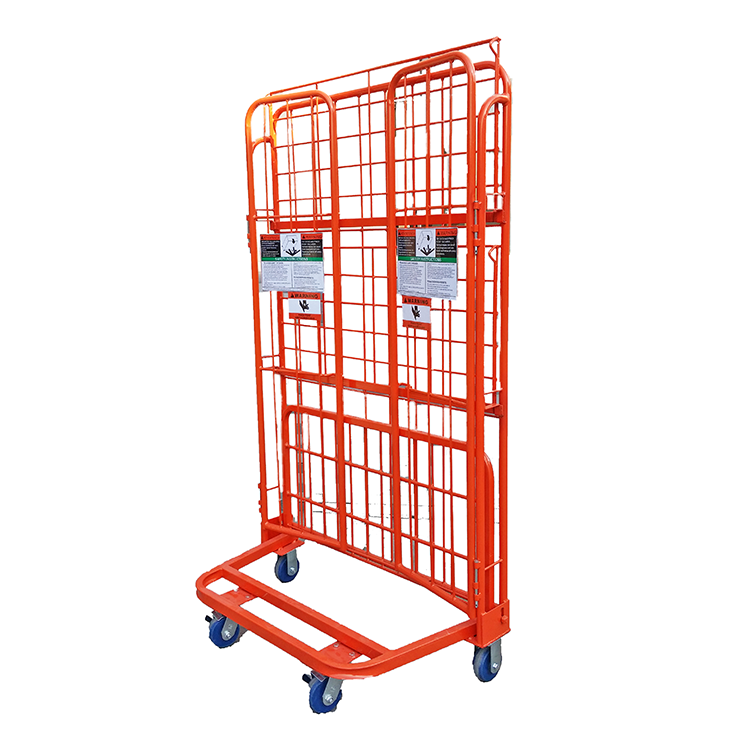
Logistics Trolley, abbreviated as "table trolley," is also known as a cargo trolley, turnover trolley, or cage trolley. It is a mobile unit for transporting and storing materials, equipped with four casters. Commonly used in logistics distribution in large supermarkets or for logistics rotation between production processes in factories. The products stored in the logistics trolley are prominently displayed, ensuring: 1) protection of material safety during transportation; and 2) preventing the sorted and prepared products from becoming disorganized. Loading and unloading is highly labor-saving; the wheels are typically designed with two directional wheels and two swivel wheels with brakes (common wheel sizes include 4 inches and 5 inches) for easy manual pushing.
Fengling U-shaped logistics trolley advantages:
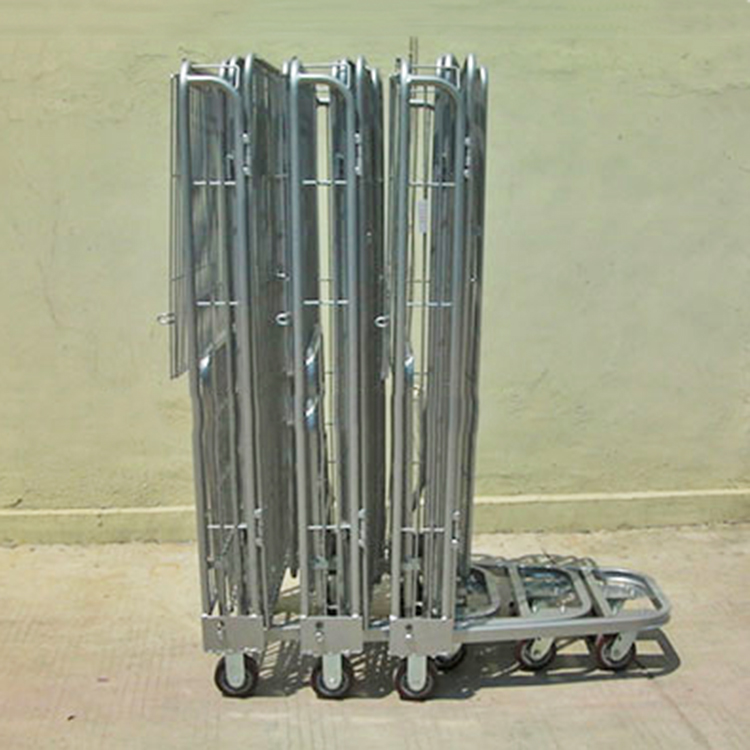
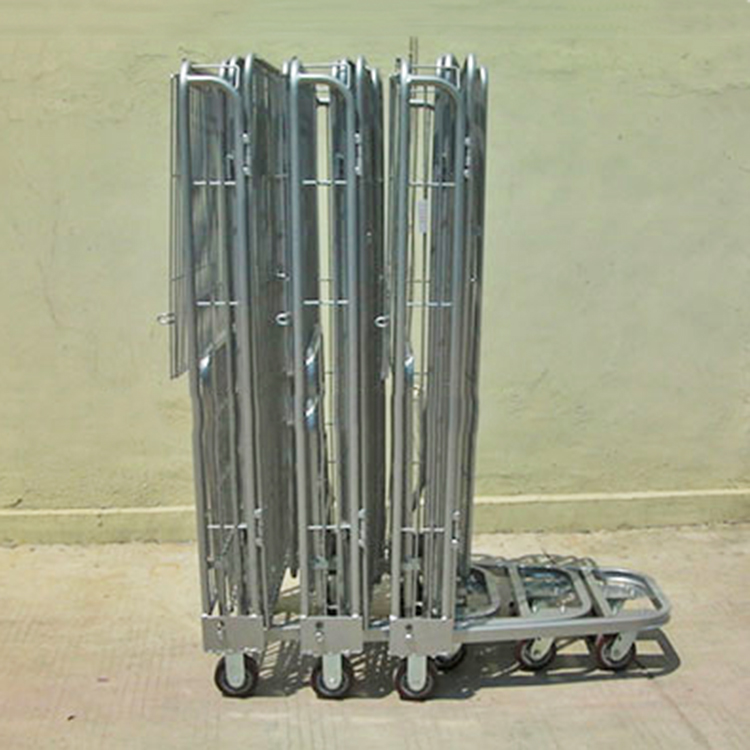
1. Easy to fold and occupies minimal space.
2. Widely applied in distribution for supermarkets, food, electronics, and various industries.
3. Custom sizes and styles are available for order, catering to various usage requirements.
5. Large storage space, flexible applications;
6. Set up signage to clearly indicate the workflow, ensuring easy transportation, flexibility, and simple operation.
7. Suitable for display showcases, highly mobile, aesthetically pleasing and practical, with a long service life.
8. With lid and door, it prevents items from falling and offers strong protection for the cargo. It features quick loading and unloading, and can be safely transported throughout the entire truck journey.
9. Customized design with foldable features highlights the mobility and flexibility of the trolley, offering easy operation, time and labor savings, cost reduction in logistics, and enhancement of corporate image.
Fengling U-Shaped Logistics Trolley Application Range:
U-shaped logistics trolleys are suitable for commercial distribution. Their rear insertion and folding feature allows for significant space savings when returning empty, making them widely used in supermarkets and convenience stores for distribution. To save space and prevent theft, they often come with multiple layers of panels and grids.
Surface Treatment Requirements:
Process Flow: Raw Material → Degreasing → Rust Removal → Surface Treatment → Phosphating → Drying → Electrostatic Powder Coating → Curing → Packaging
2. Surface treatment is performed using electrostatic powder coating with an epoxy resin, with a coating thickness of 60~80 micrometers.
3. The adhesion of the electrostatic powder coating meets the standard requirements.
4. Hardness (wear resistance) is over 100 times that of ordinary nitrocellulose paint, meaning it has no scratches after a 2H pencil test.
5. Corrosion Resistance (Hydrochloric Acid Test) GB1771-91 exceeds 500 hours.