








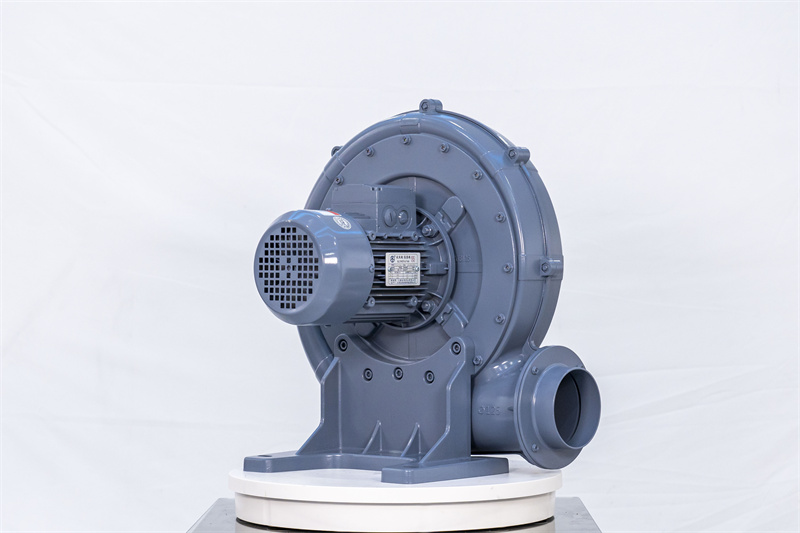
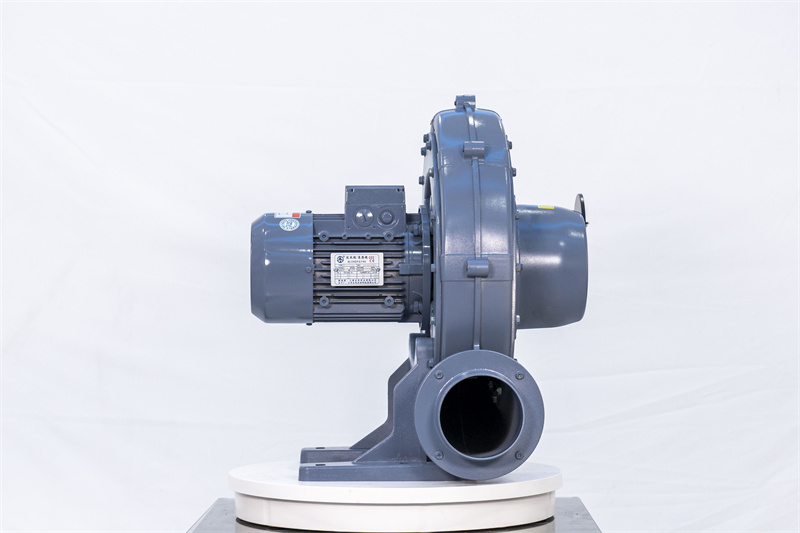
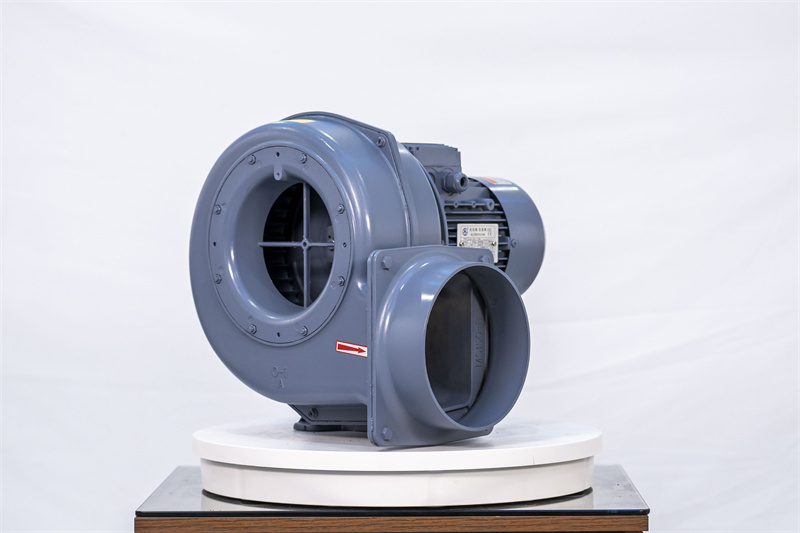

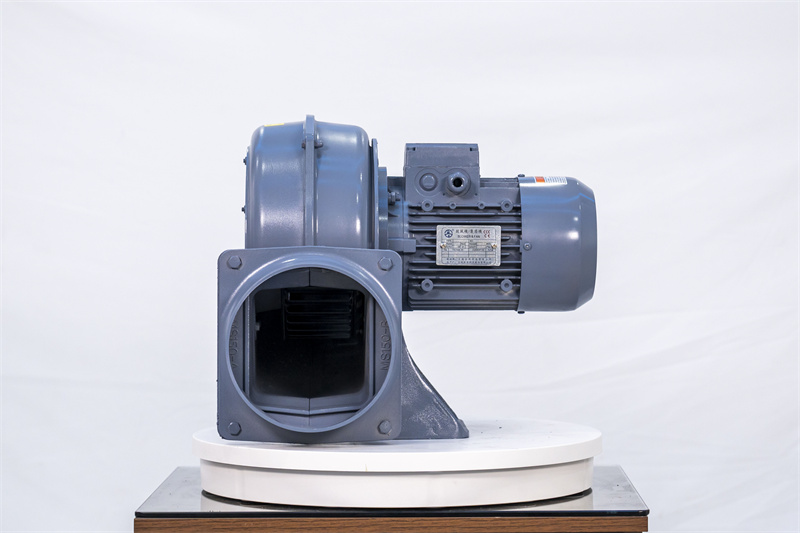





Working Principle:
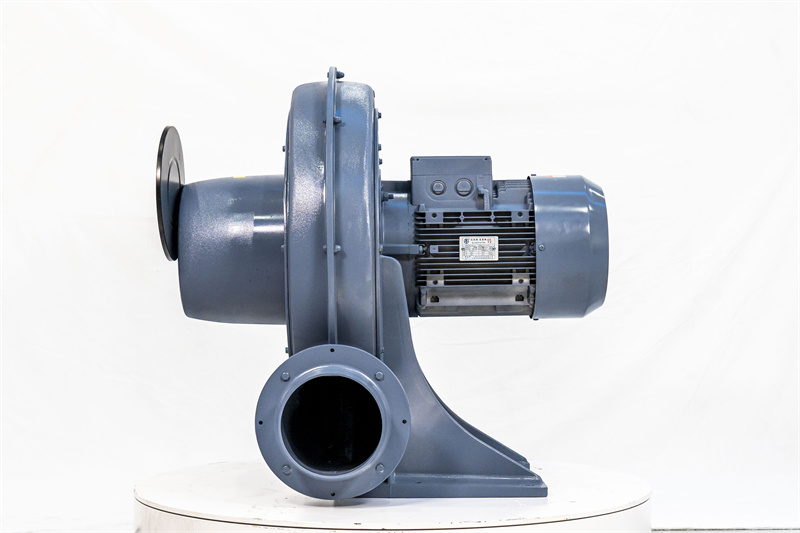
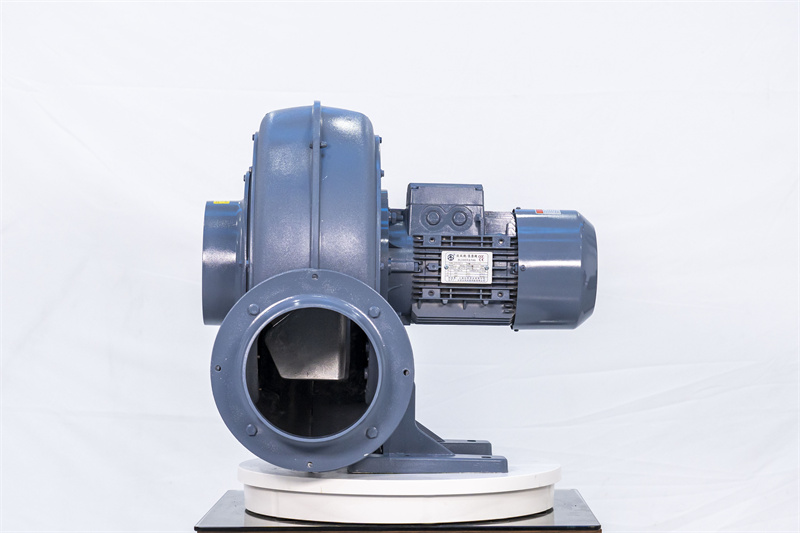
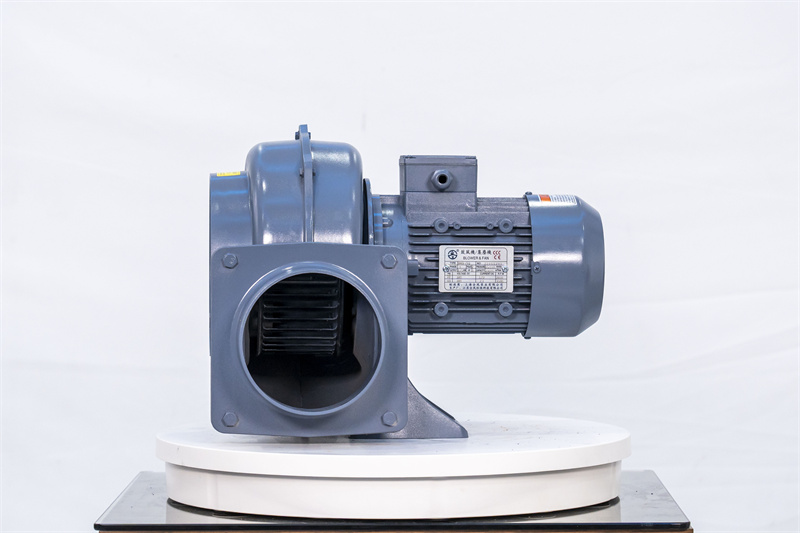
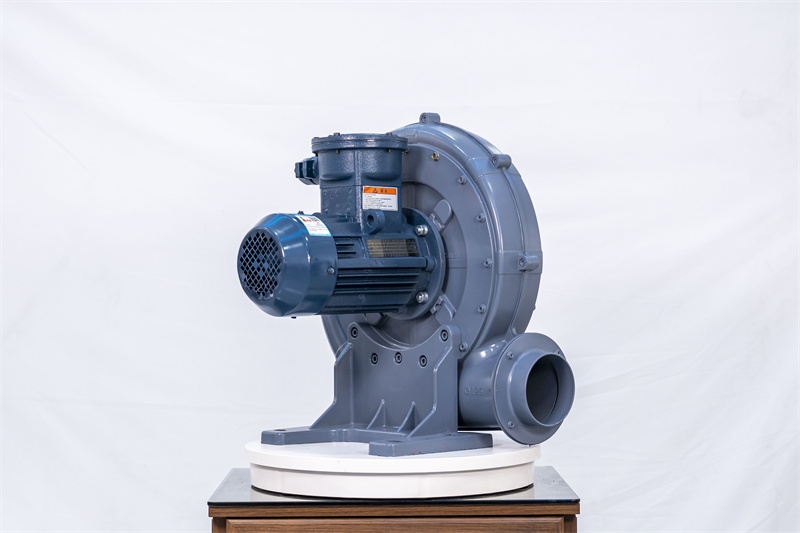
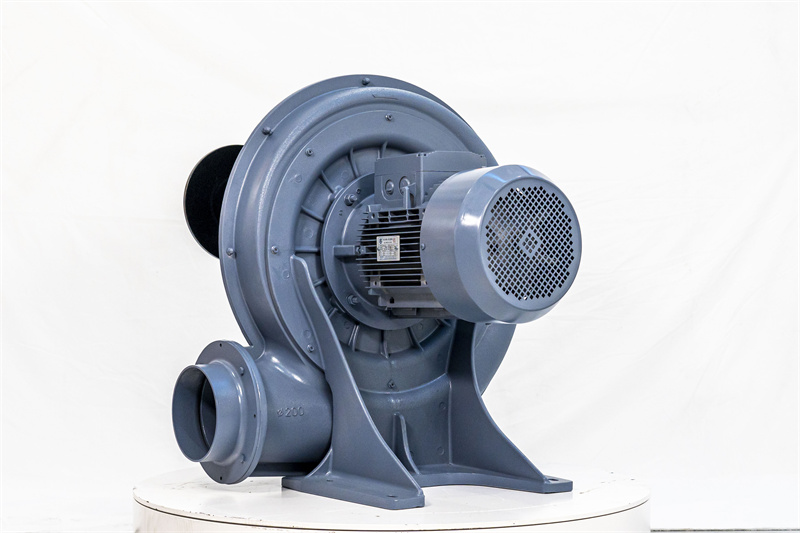
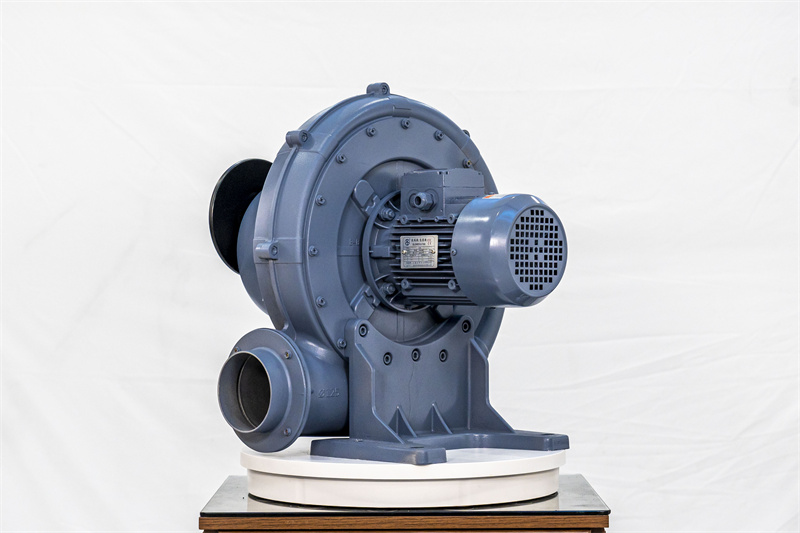
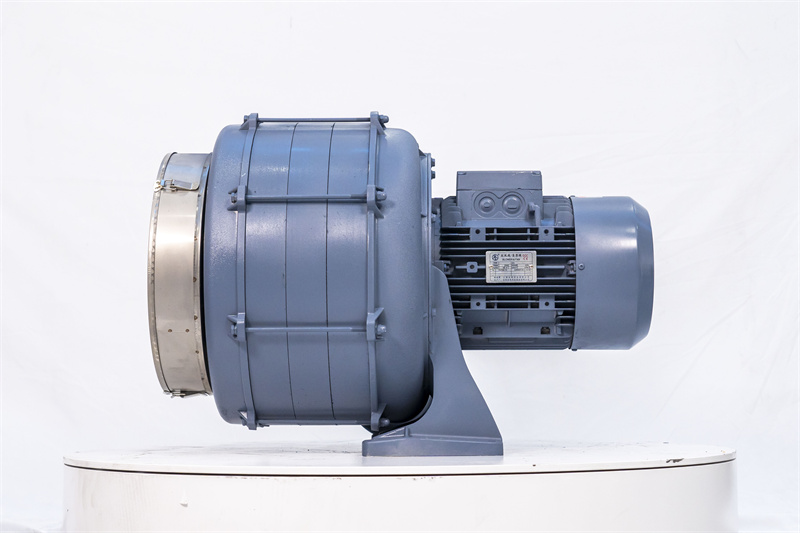
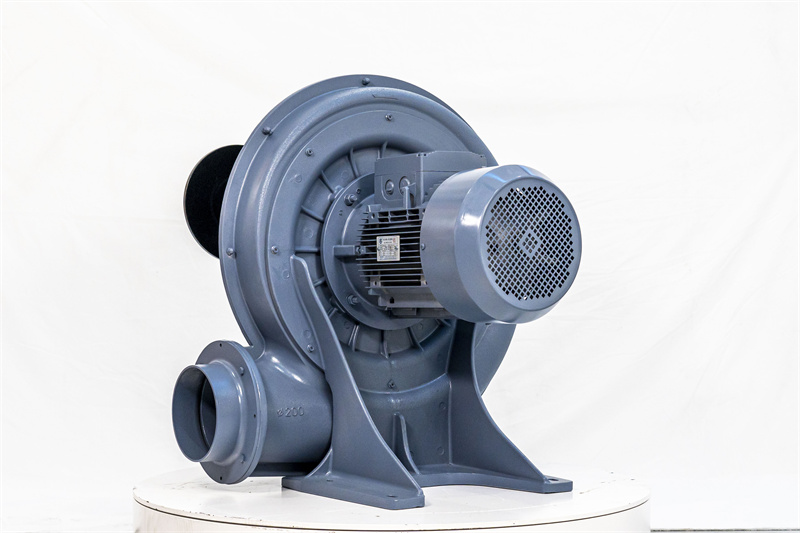
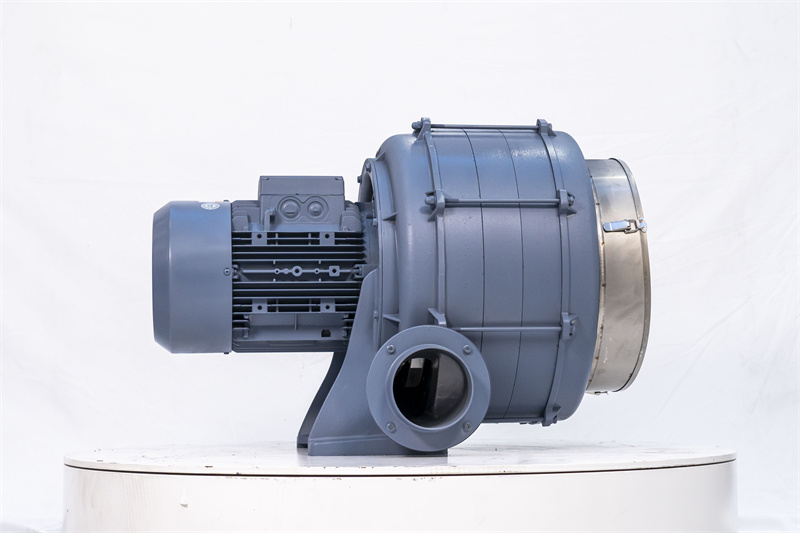
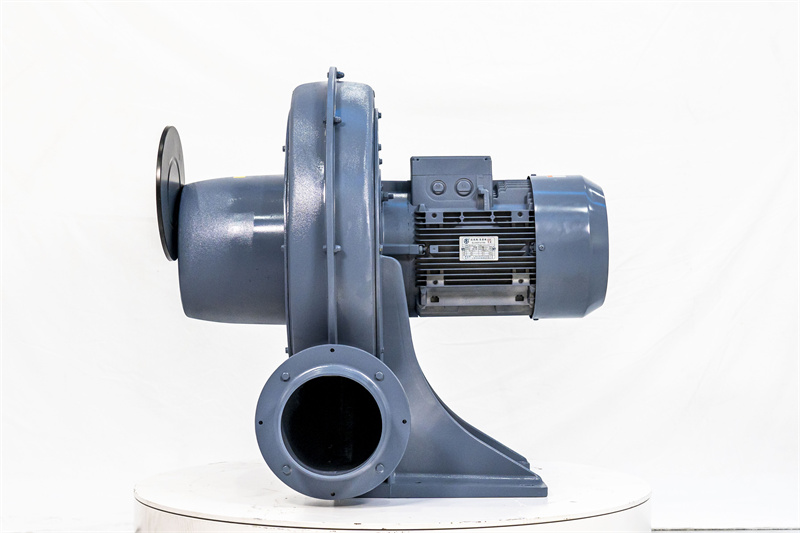
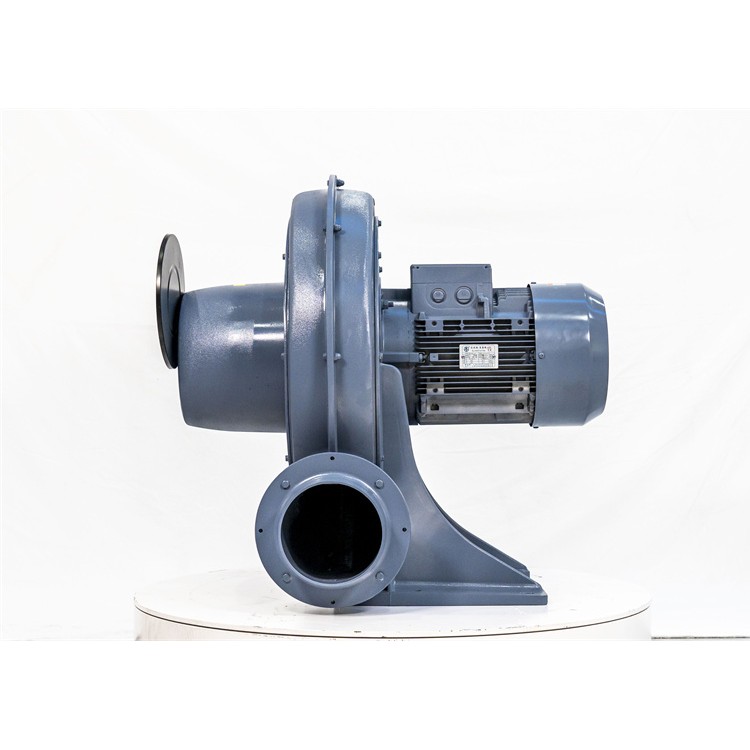
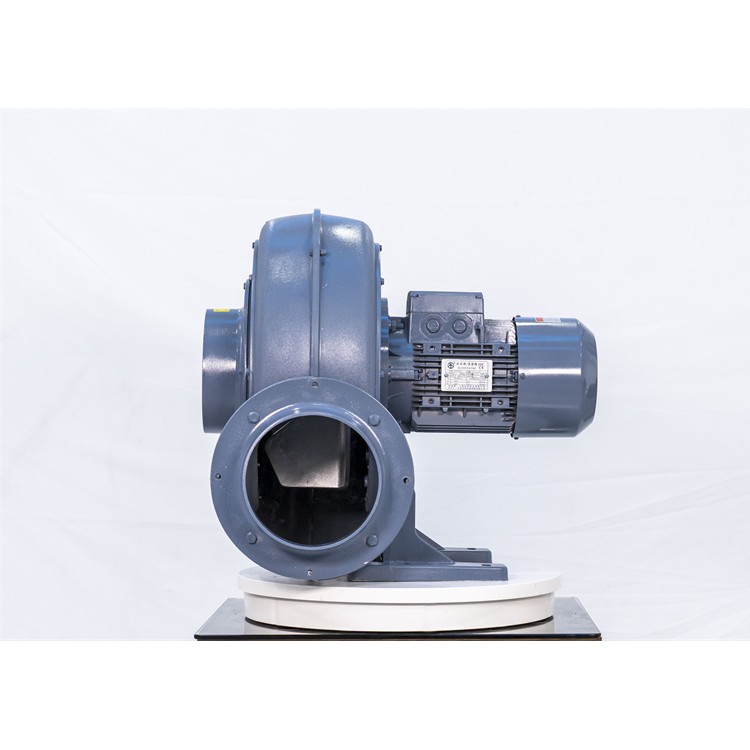
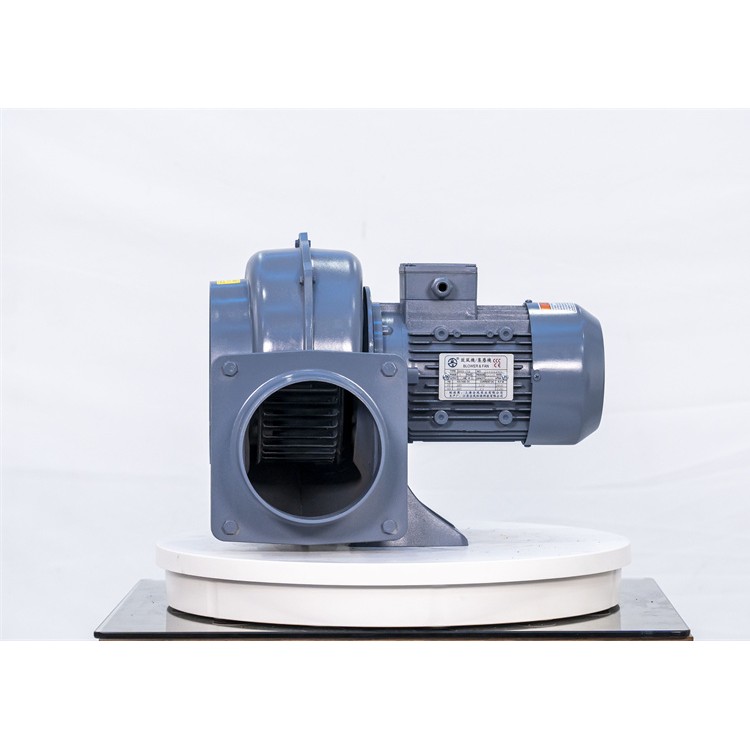
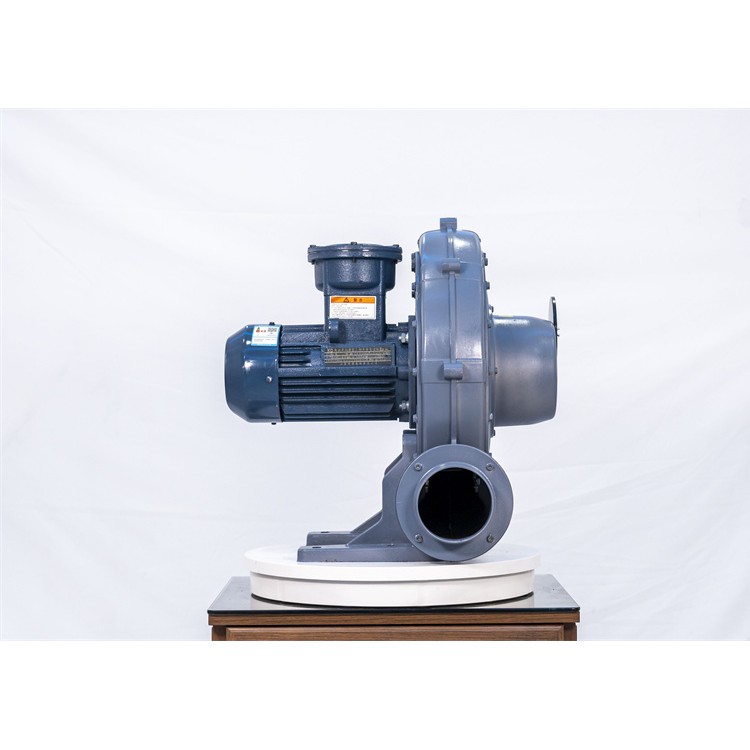
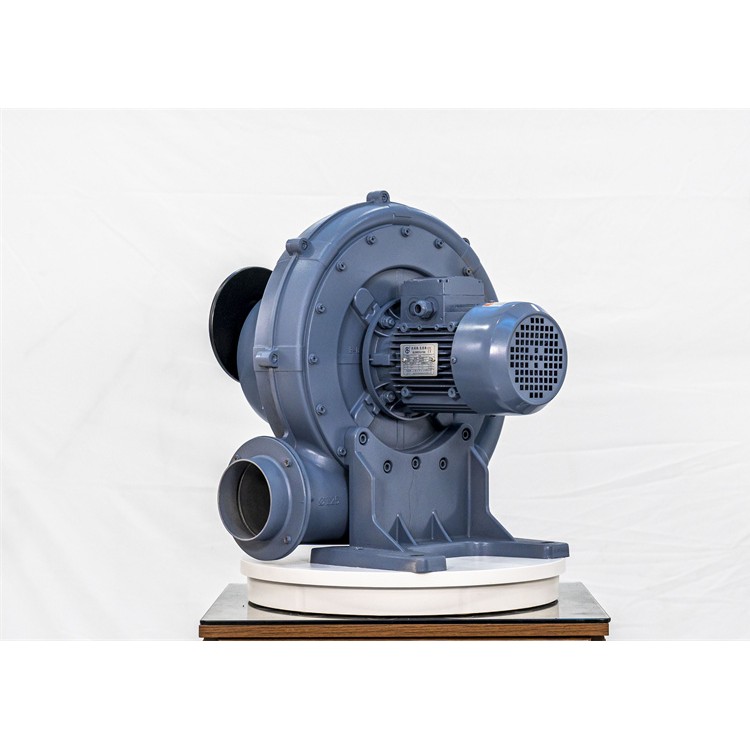
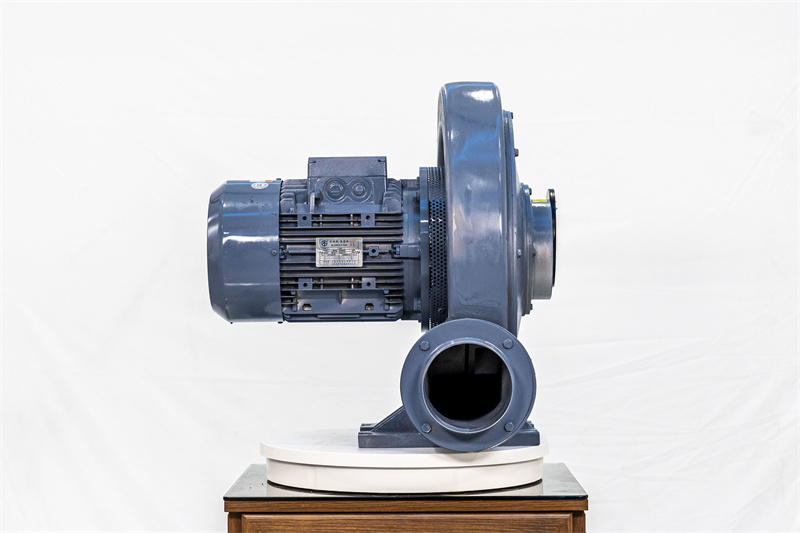
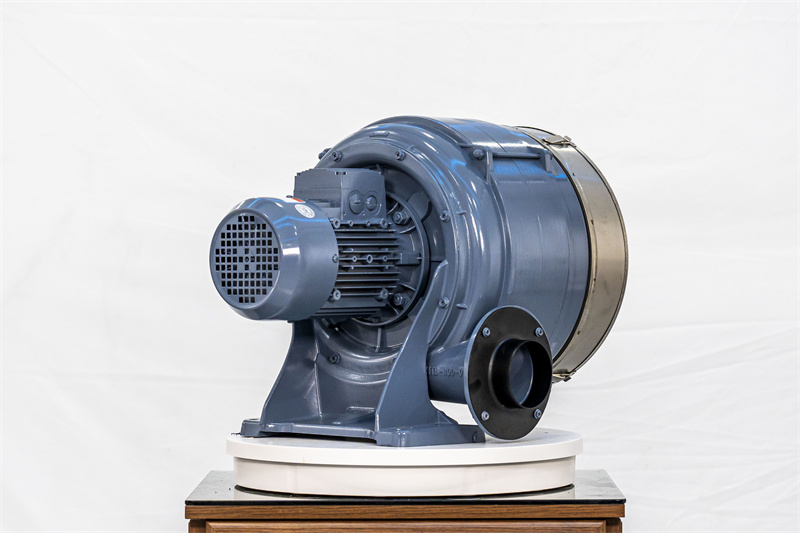
Common medium-pressure fans are centrifugal fans, with the impeller covered by a mechanical casing, and the center of the impeller being the intake. When the medium-pressure fan operates, the power equipment drives the impeller to rotate, drawing air into the intake. During the rotation of the centrifugal fan blades, they impart dynamic force to the gas, increasing its pressure and velocity, and the gas is discharged from the exhaust port along the impeller channels under the action of centrifugal force.
During operation, although the rotation of the impeller in a medium-pressure fan increases the pressure and velocity of the gas, the various changes in the gas are relatively small. Therefore, in the design and use of centrifugal fans, the gas is typically treated as an incompressible fluid. The gas treatment process of a medium-pressure fan is completed within the same radial plane, hence the medium-pressure fan is also known as an axial flow centrifugal fan.
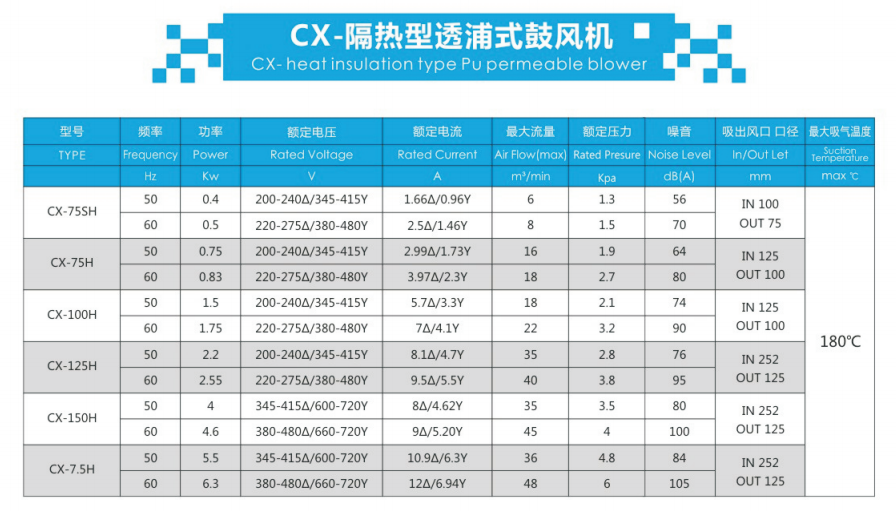
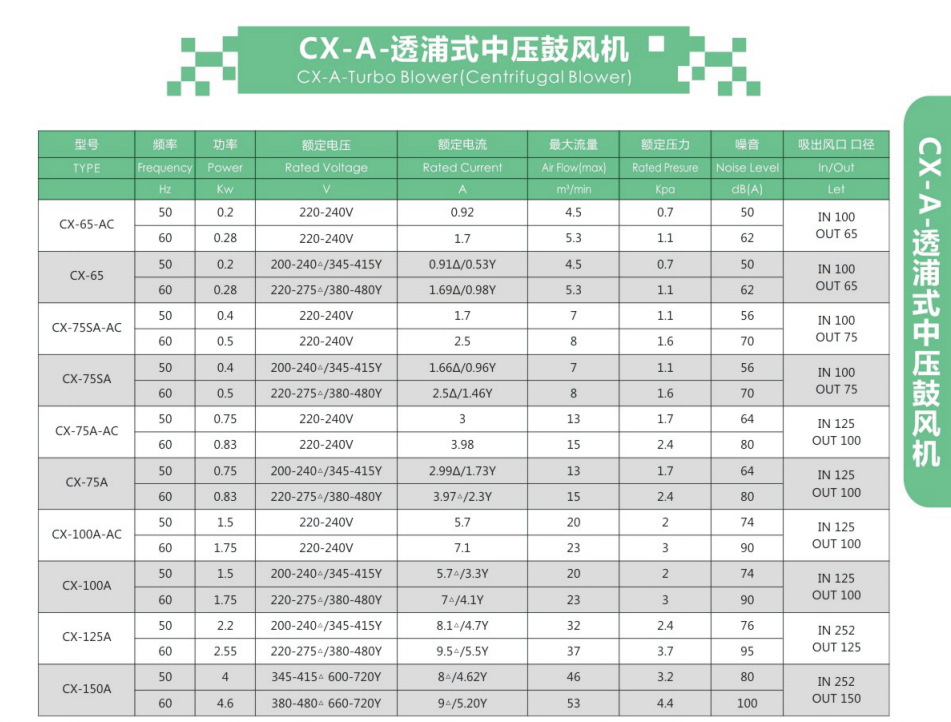
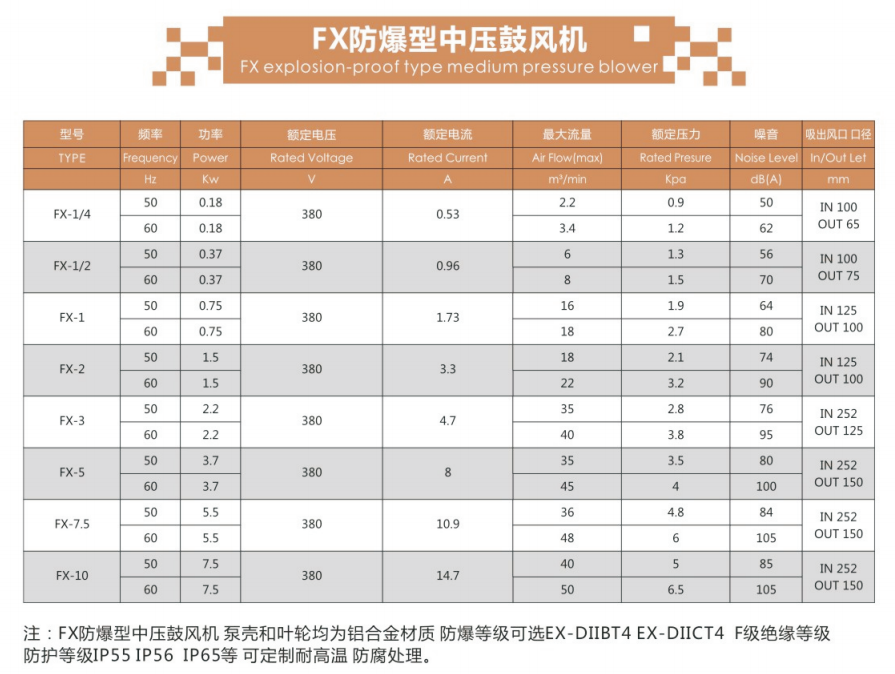
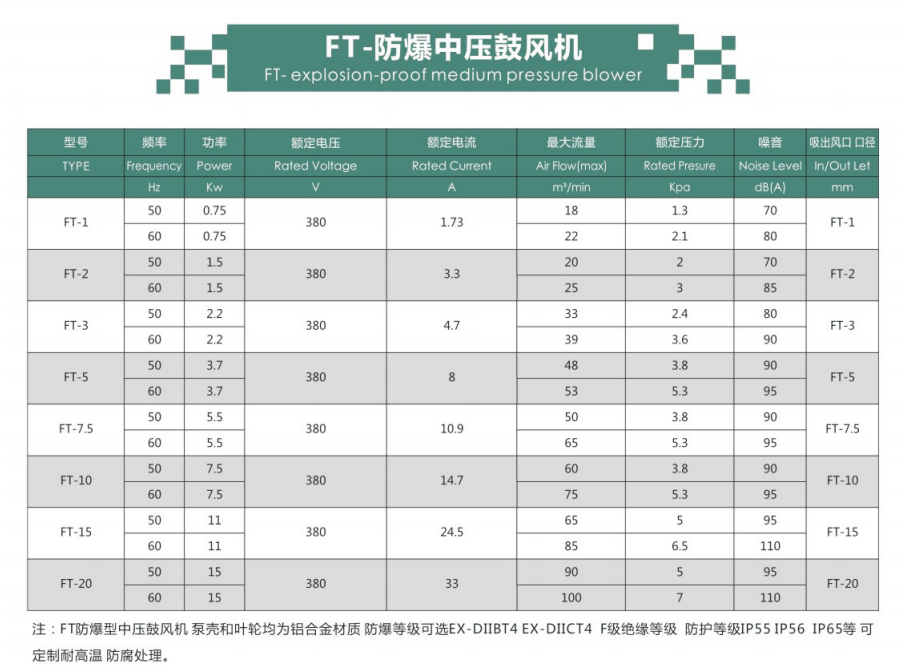
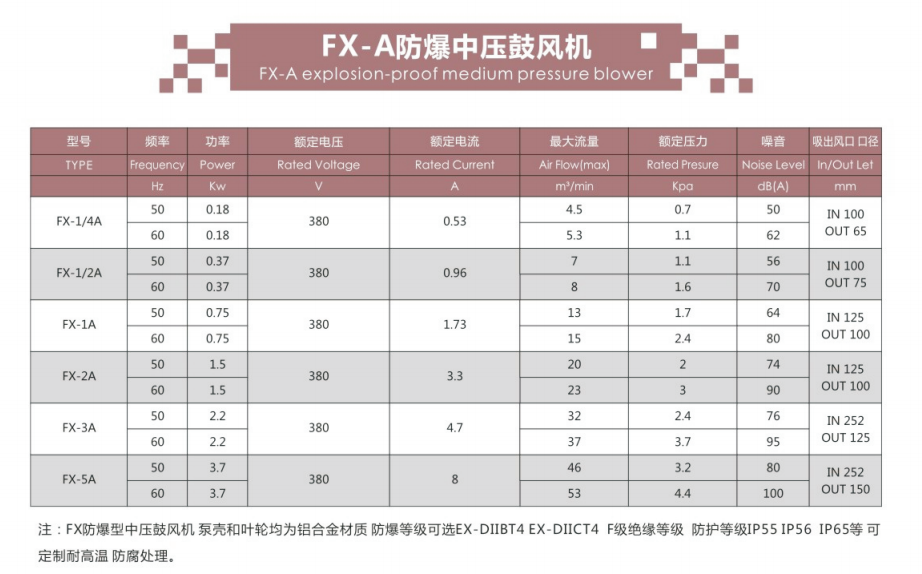
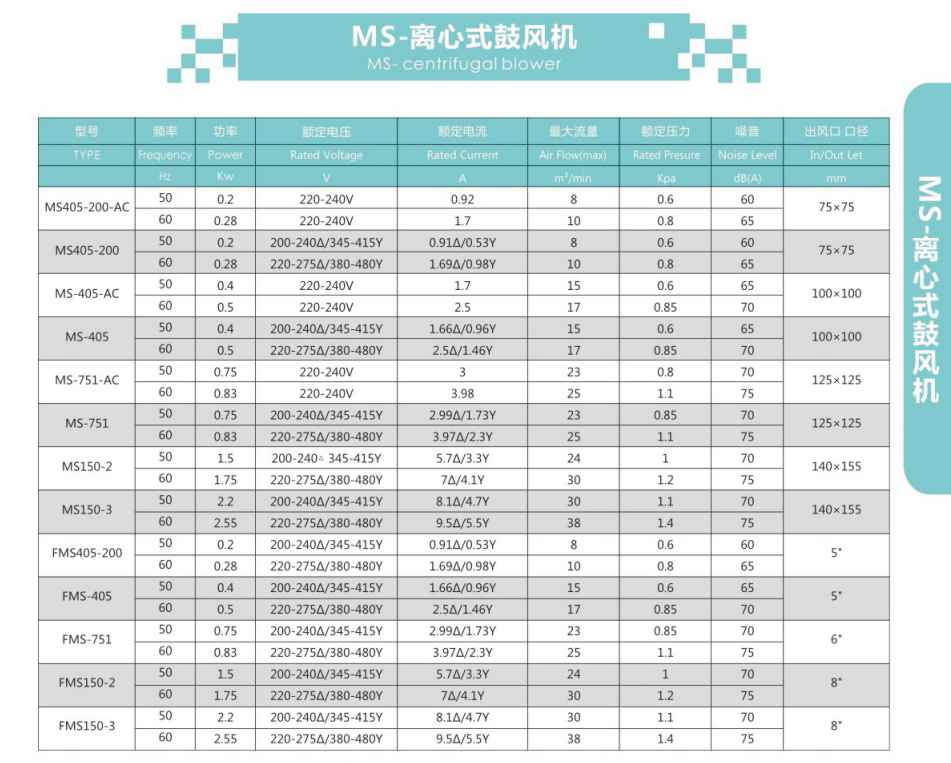
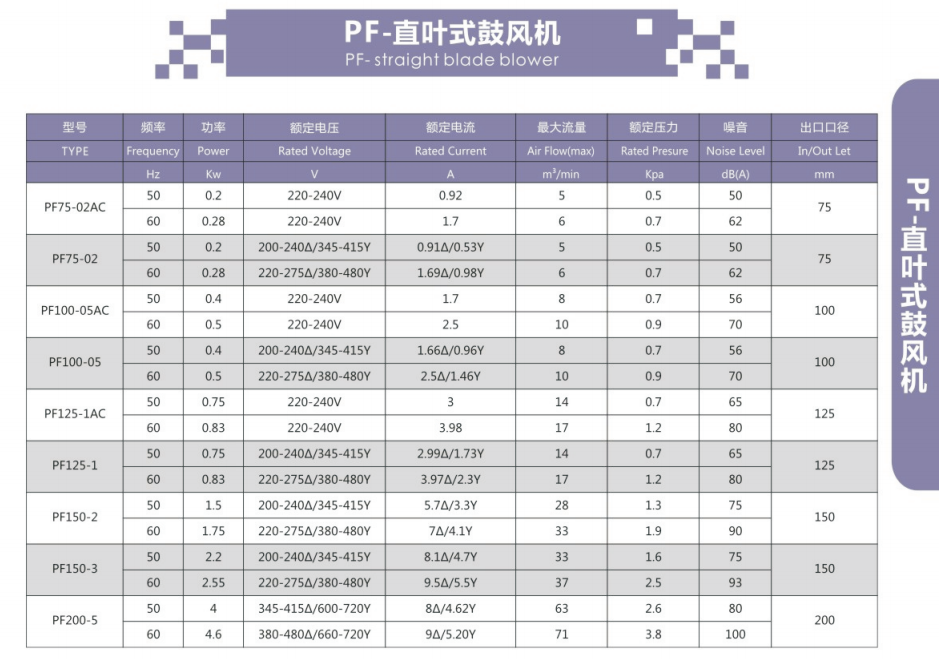
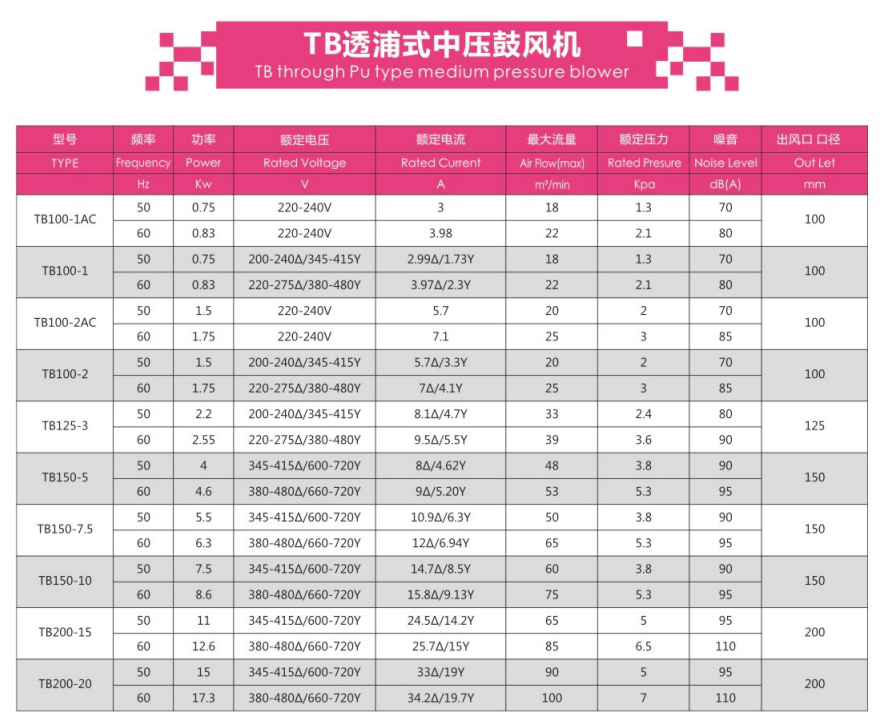
Technical Parameters: In the technical specifications of medium-pressure fans, the most important factors to consider include gas flow rate, pressure, power transmitted, efficiency, and impeller speed. These are all critical aspects to focus on during the selection process. The gas flow rate parameter of a medium-pressure fan represents the volume of gas the fan can handle in a unit of time, while the pressure refers to the internal gas pressure within the medium-pressure fan during operation.
The efficiency of medium-pressure fans refers to the ratio between the shaft power and the effective power of the actual gas being handled. The total pressure efficiency of centrifugal fans is approximately 90%, and in the future development of centrifugal fans, efficiency values will be one of the targets that researchers further pursue.
Medium-pressure fans are widely used for dust extraction and cooling in factories, mines, tunnels, cooling towers, vehicles, ships, and buildings; ventilation and exhaust in boilers and industrial furnaces; cooling and ventilation in air conditioning equipment and household appliances; grain drying and sorting; wind tunnel air sources, air cushion ship inflation and propulsion, etc.