








A laboratory ultra-pure water system is a device used for producing laboratory-grade water, commonly employed in fields such as biology, medicine, analysis, environmental science, and materials science. It is an efficient, energy-saving, and fully automated water production system that can replace traditional laboratory self-priming pumps, offering advantages such as stable water quality, high output, easy operation, and ease of maintenance.
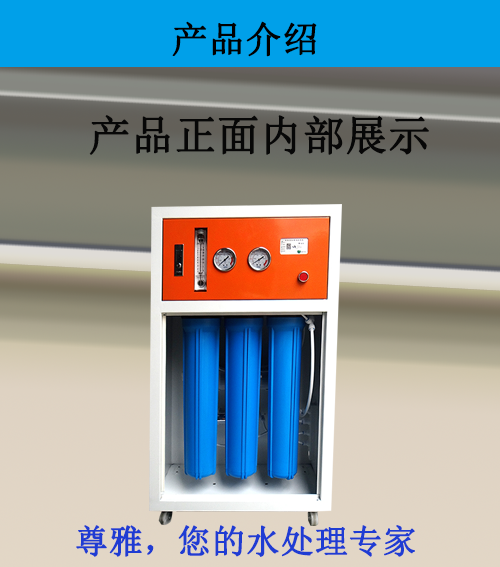
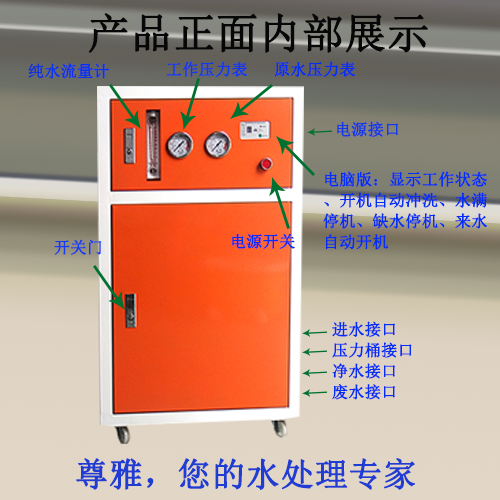
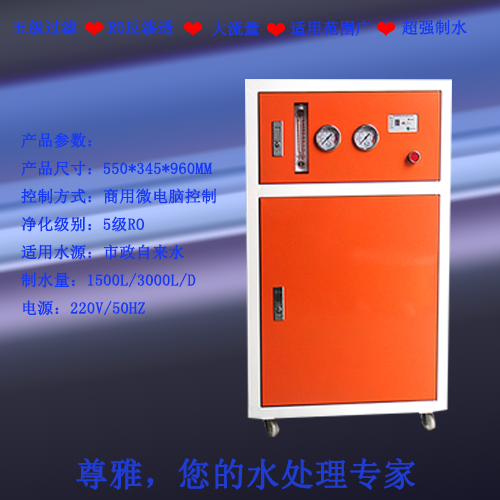
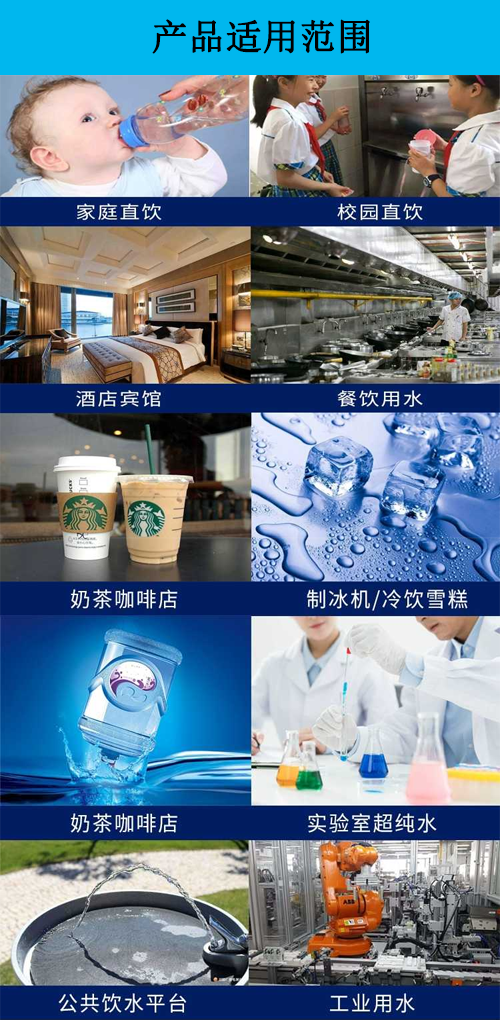
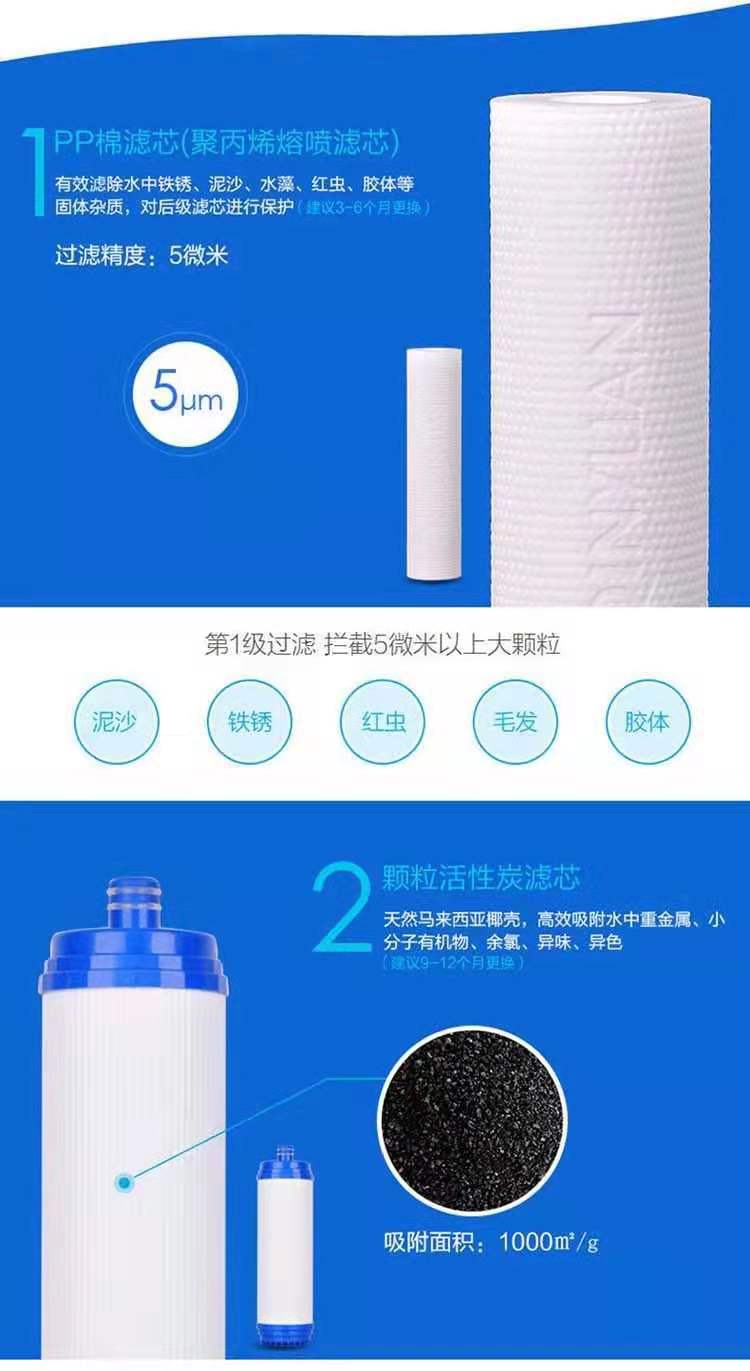
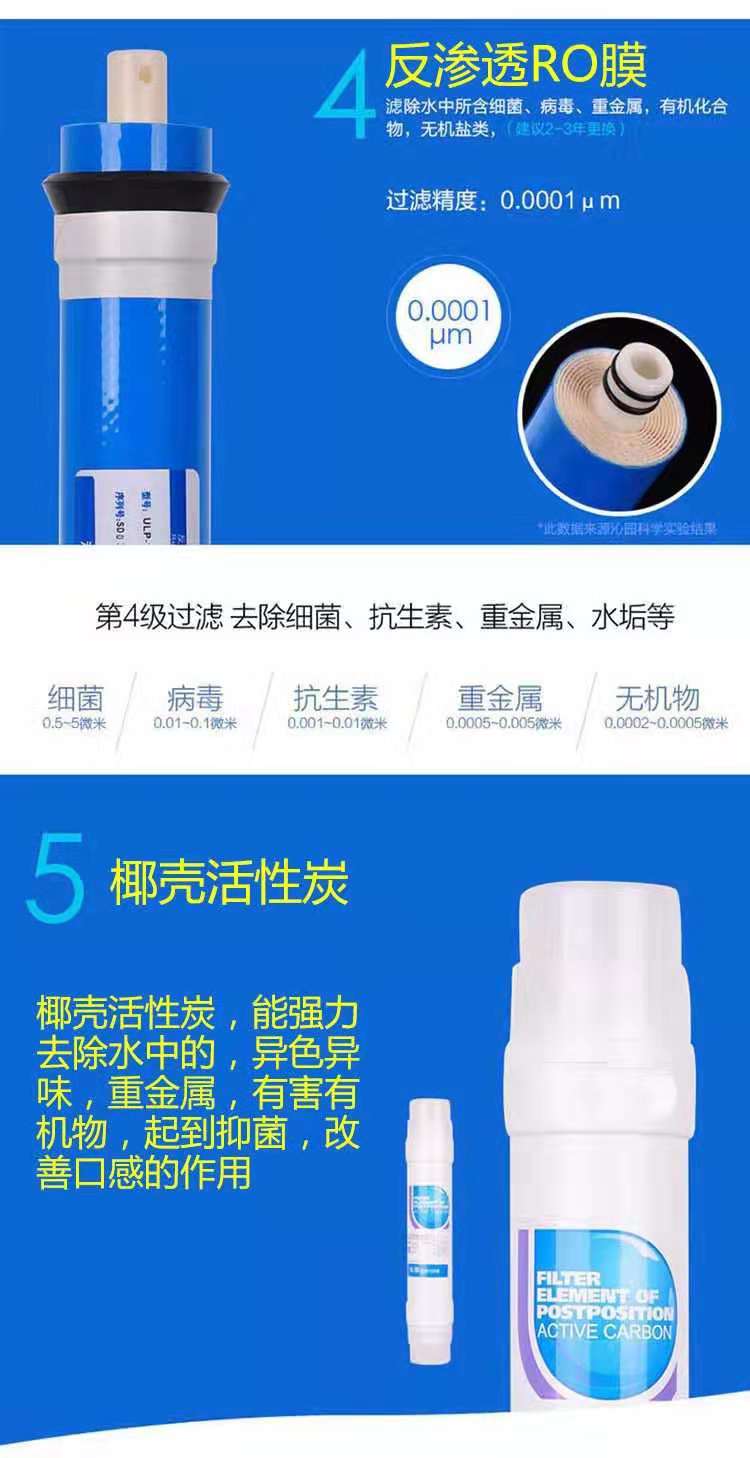
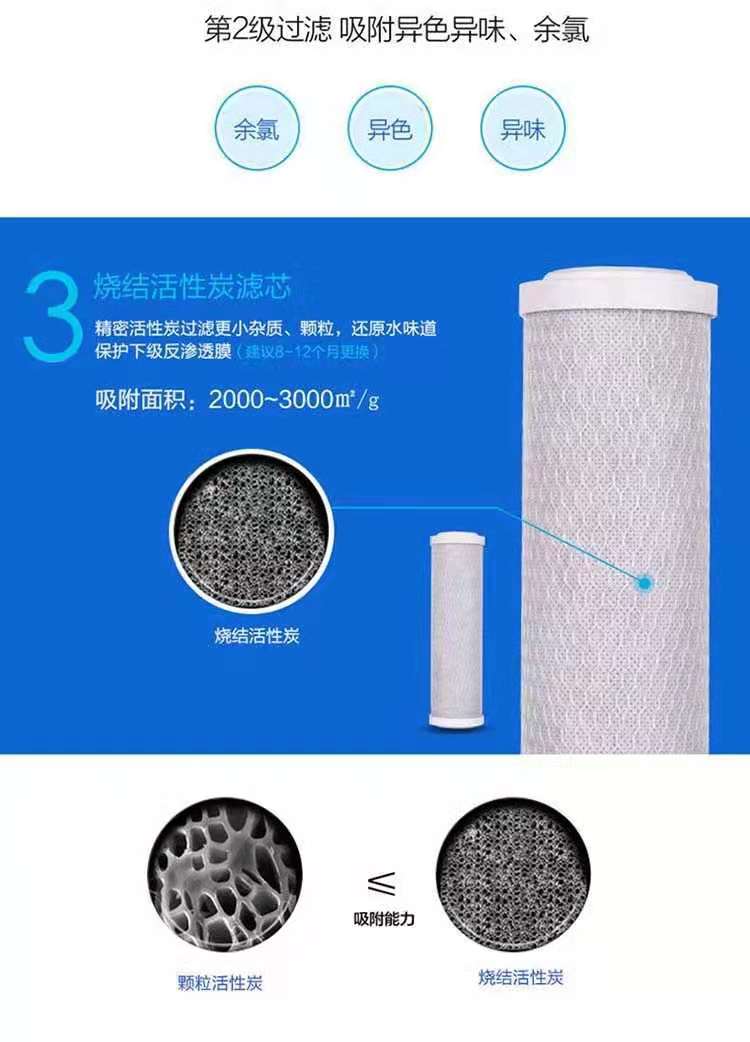
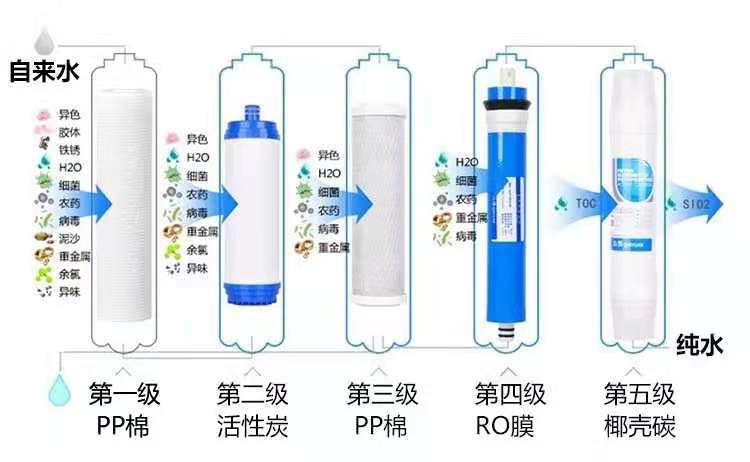

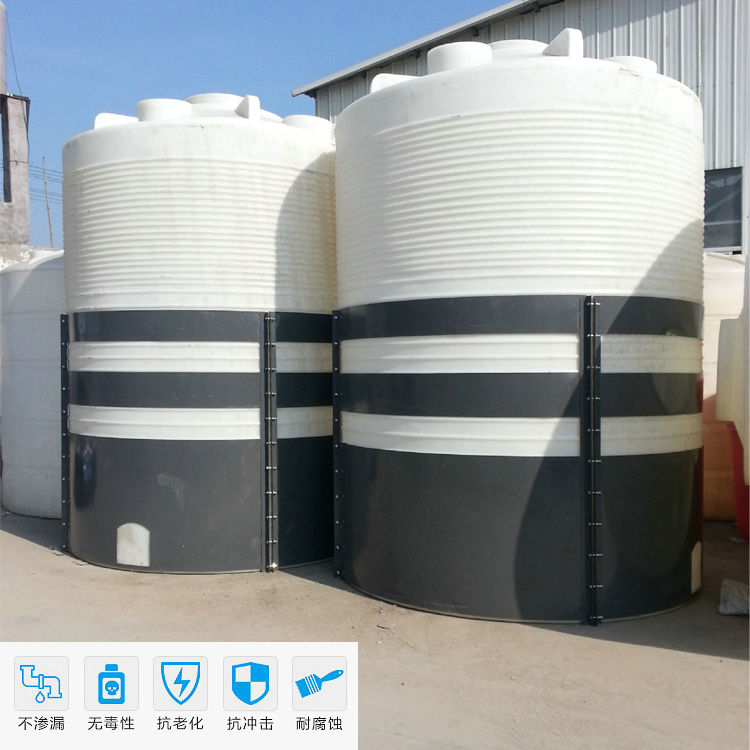
The equipment typically consists of a raw water tank, booster pump, pretreatment unit (such as activated carbon, resin, etc.), reverse osmosis membrane, ultraviolet sterilization, and pipeline and control system. The water production process primarily involves the water in the raw water tank being filtered and adsorbed through the pretreatment unit, driven by the booster pump, followed by filtration through the reverse osmosis membrane and sterilization via ultraviolet sterilization, resulting in ultra-pure water.
The laboratory ultra-pure water system is characterized by high automation, allowing general users to complete the water production process through a display screen. It maintains stable water quality without the need for manual supervision, making it an ideal choice for preparing laboratory ultra-pure water.
Laboratory Ultra-Pure Water System: Technology for Ultra-Pure Water Preparation
In scientific experiments, high-quality water is crucial. It affects the accuracy and reliability of experimental results, especially in precise experiments in fields such as biology, chemistry, medicine, and the environment. With the advancement of technology, laboratory ultra-pure water systems have become a standard configuration in modern laboratories, providing researchers with an efficient and reliable method for producing ultra-pure water.
A laboratory ultra-pure water system is an advanced water-making equipment that utilizes advanced technologies such as reverse osmosis, ion exchange, and ultraviolet oxidation to produce ultra-pure water meeting various high purity standards. This ultra-pure water not only meets the needs of general laboratories but also the stringent water quality requirements of industries like healthcare, pharmaceuticals, and semiconductor manufacturing.
Ultra-pure water refers to water with extremely low levels of impurities such as ions, organic matter, microorganisms, and particulate matter. The process of producing ultra-pure water involves multiple stages of filtration and treatment, including pretreatment, reverse osmosis, mixed bed, and refined treatment. Laboratory ultra-pure water systems integrate these steps into one system, ensuring consistent and reliable quality of the produced ultra-pure water through automated control and monitoring.
Compared to traditional distillation and deionization methods, laboratory ultra-pure water systems offer higher efficiency and lower energy consumption. They can also produce ultra-pure water of various specifications and applications, such as laboratory use, injection, and cleaning purposes. This not only enhances the efficiency of experiments but also reduces costs.
The laboratory ultra-pure water system is extremely convenient to use. Users simply need to connect tap water to the unit, and after a specific treatment process, high-quality ultra-pure water is obtained. Additionally, the system is equipped with an intelligent control system that can monitor water quality and the treatment process in real-time, ensuring stability and reliability of the water quality.
In summary, the laboratory ultra-pure water system is an efficient and reliable ultra-pure water preparation equipment, offering researchers a new method of water production. It not only enhances the efficiency and accuracy of experiments but also reduces costs and risks. In the future, with the continuous advancement of science and technology and the expansion of application fields, the laboratory ultra-pure water system will play an even more significant role, contributing more to scientific research and social development.