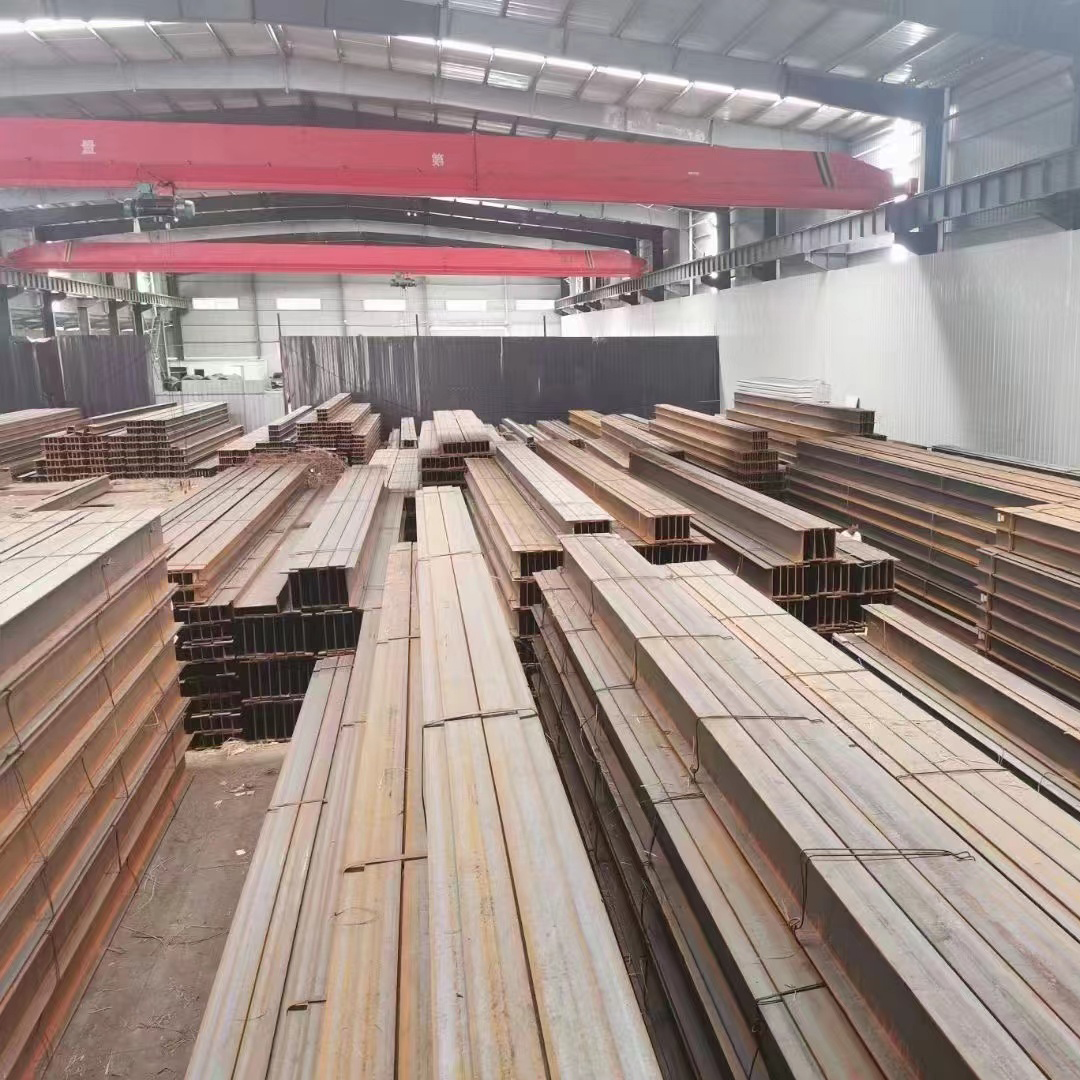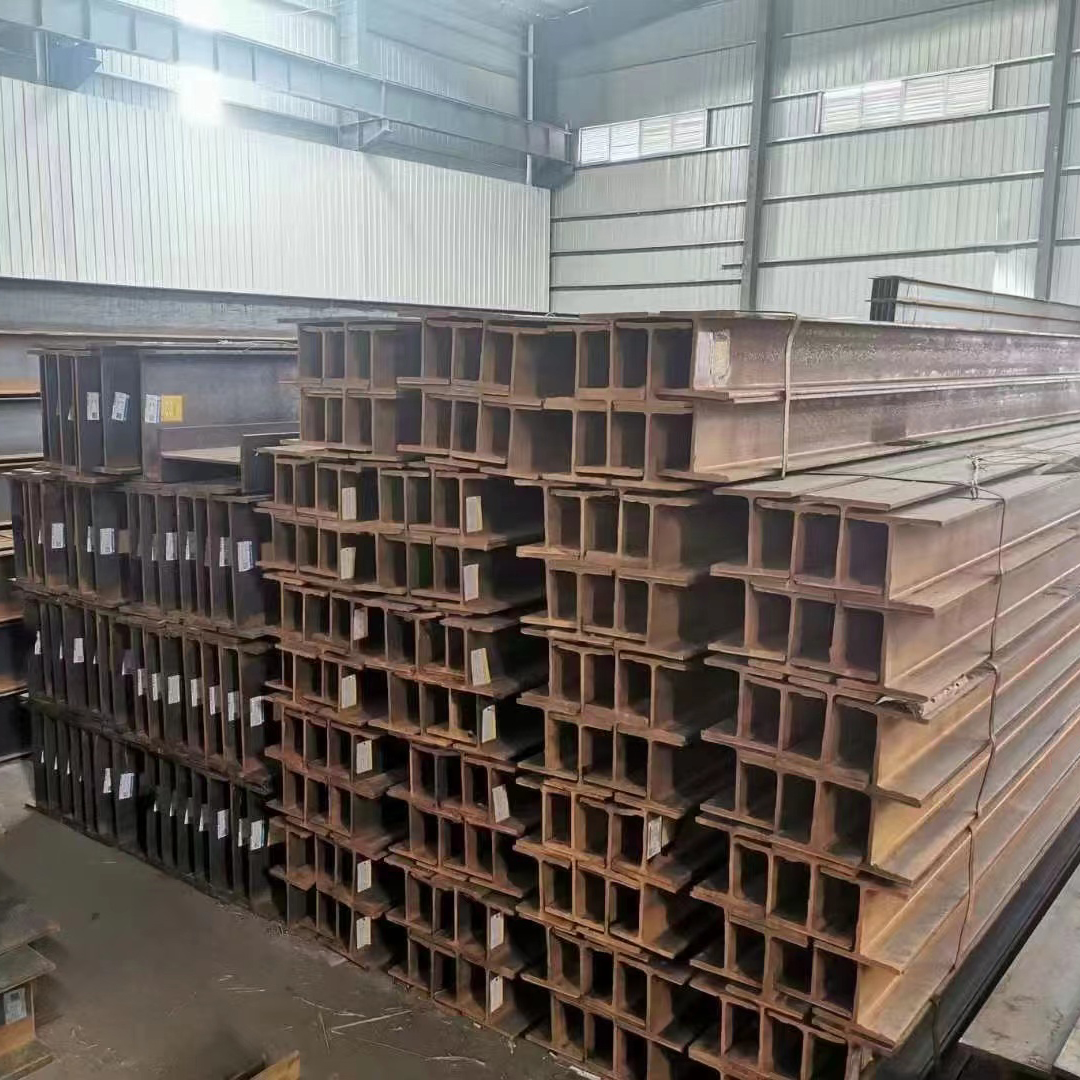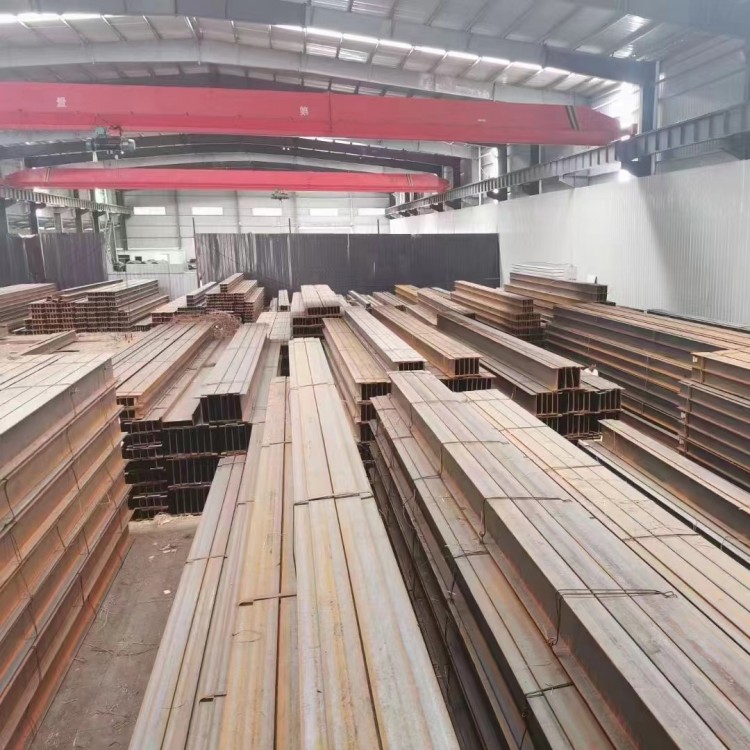

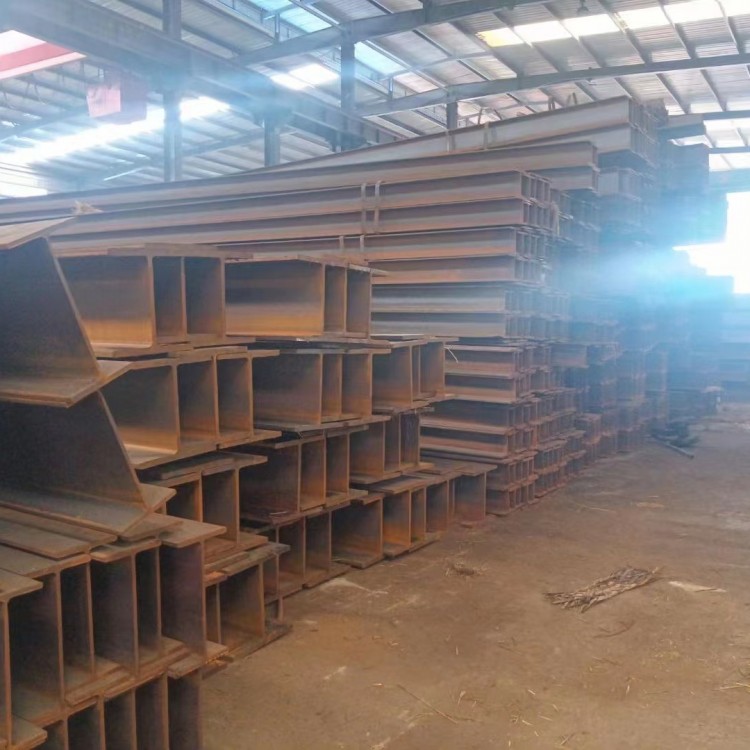
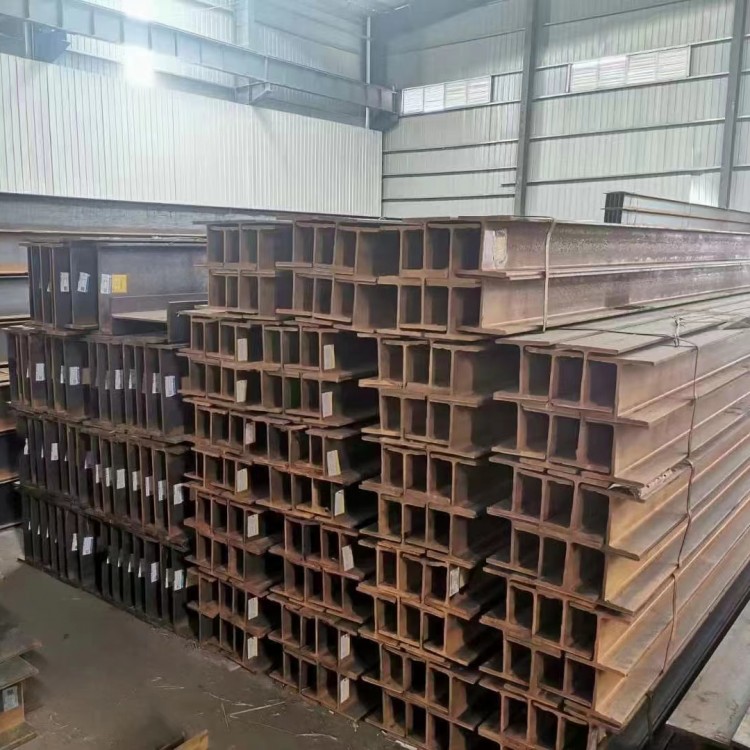


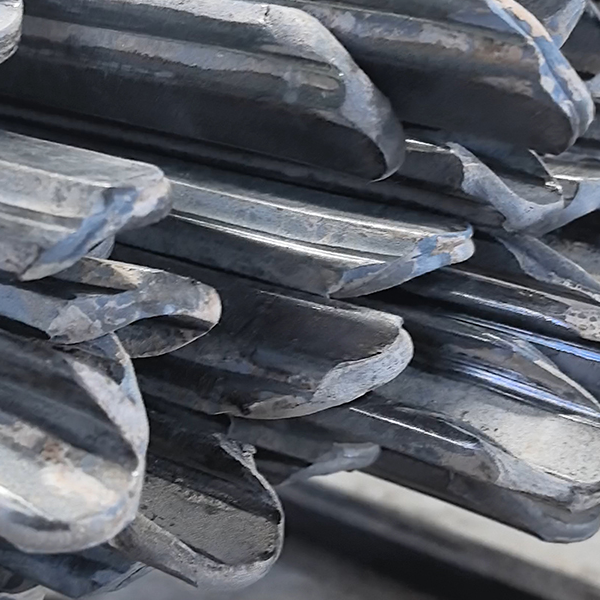
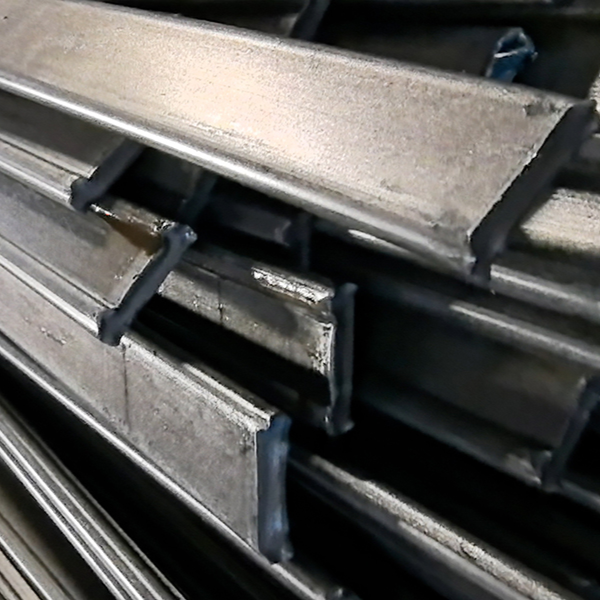





The flanges of H-section steel are parallel or nearly parallel on both sides, with the flange ends forming right angles, hence the name "Parallel Flange Beam." The web thickness of H-section steel is smaller than that of a regular I-beam of the same height, while the flange width is larger, earning it another name, "Wide Flange Beam." Due to its shape, the H-section steel has a significantly higher cross-sectional modulus, moment of inertia, and strength compared to a regular I-beam of the same weight. Used in various metal structures, it demonstrates superior performance in bearing bending moments, pressure loads, and eccentric loads, significantly enhancing load-bearing capacity compared to regular I-beams, and can save up to 10% to 40% of metal. H-section steel, with its wide flanges, thin webs, numerous sizes, and flexible use, can save 15% to 20% of metal in various truss structures. Its parallel flanges and right-angled ends facilitate assembly and combination into various components, thereby saving approximately 25% of welding and riveting work, greatly speeding up construction and shortening the project timeline.
WeChat Official Account

Scan to follow Official Account