











Title
Behind the rising penetration rate, it's noteworthy that while the production and sales of new energy vehicles are continuously hitting new highs, their market penetration is also on the rise. Data from the Joint Information Conference of Passenger Vehicle Market shows that in July, the penetration rate of new energy large buses in the domestic new energy vehicle wholesale market was 15%, with the domestic brand's market penetration at 26%; from January to July, the penetration rate in the domestic new energy vehicle wholesale market was 11%, a significant increase from 5.8% in 2020. In July, the penetration rate of the domestic new energy vehicle retail market was 14%, with the domestic brand's market penetration at 28%; from January to July, the market penetration was 10%, a significant increase from 5.8% in 2020.
Title
All-electric vehicles have a long history within the electric vehicle sector. Since the first all-electric vehicle was manufactured by Americans in the 1890s, the industry reached its first production peak in the early 20th century, capturing 40% of the automotive market. Later, due to the invention of the electronic starter and the poor performance of all-electric vehicles, early production of all-electric vehicles ended in the mid-1930s and the era of fuel vehicles began; the energy crises of 1974-1975 and 1979-1982 in Europe and the U.S. spurred a renewed peak in the development of all-electric vehicles. At this stage, automotive power electronics had not yet been established, lacking both comprehensive scientific theories to guide and high-tech power electronic devices for adoption. Particularly, lead-acid batteries were the only option available, which were bulky, heavy, had low energy and power densities, long charging times, and short driving ranges after a full charge. Additionally, the high production costs of electric power transmission systems posed challenges. After 1997, the majority of companies largely halted the development of all-electric vehicles.

The Chinese new energy vehicle market is transitioning from the introduction phase to the growth phase, with Beijing's new energy large buses presenting immense market development potential. Since the launch of the major special project for electric vehicles under the "863" program in 2001, the industry has undergone three development stages: the planning phase (2001-2008), the introduction phase (2009-2015), and the growth phase (2016 to present). According to the "New Energy Vehicle Industry Development Plan (2021-2035)", the sales penetration rate of new energy vehicles in 2025 is expected to reach around 25%. This suggests that the sales of new energy vehicles will maintain a compound annual growth rate of 33%, still in the high-speed growth stage.
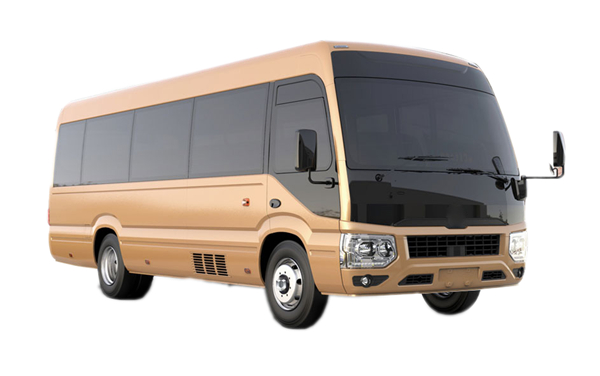
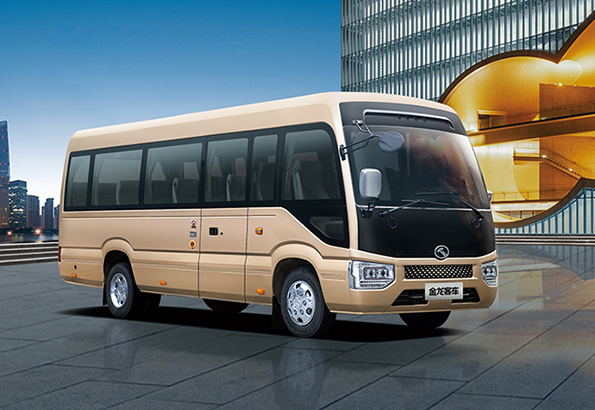
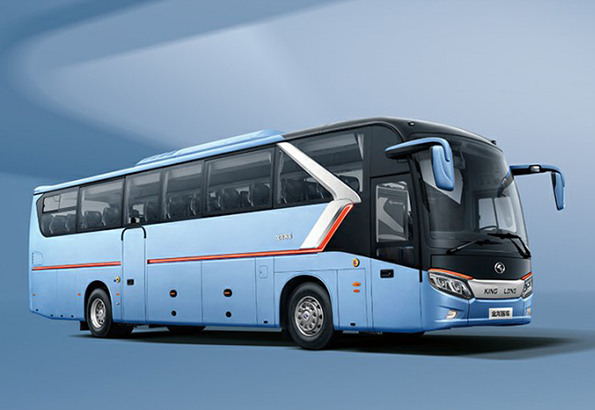
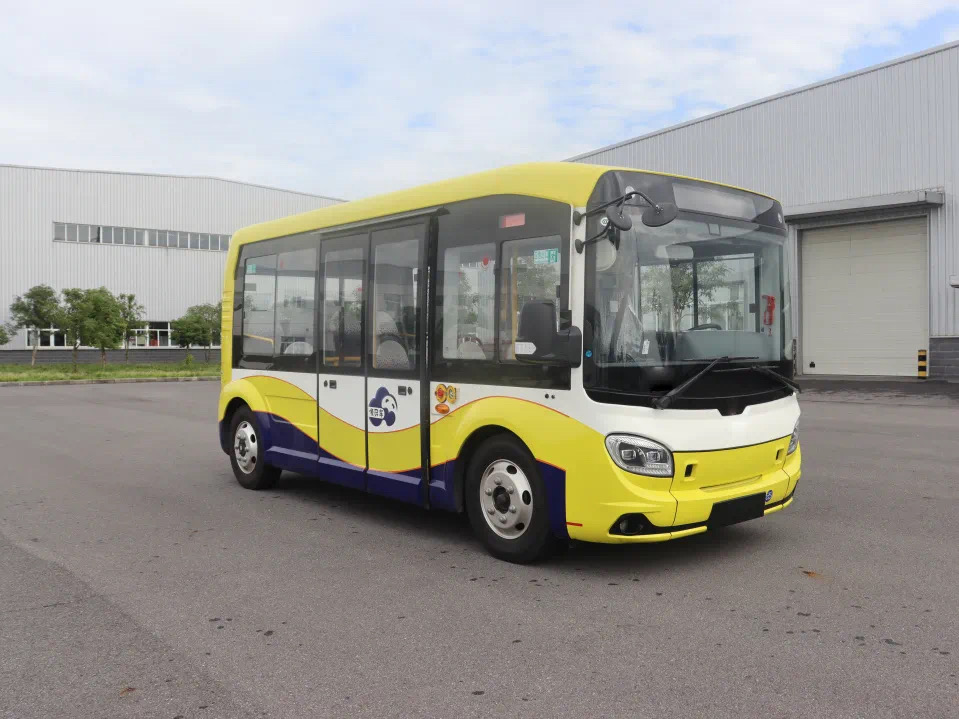
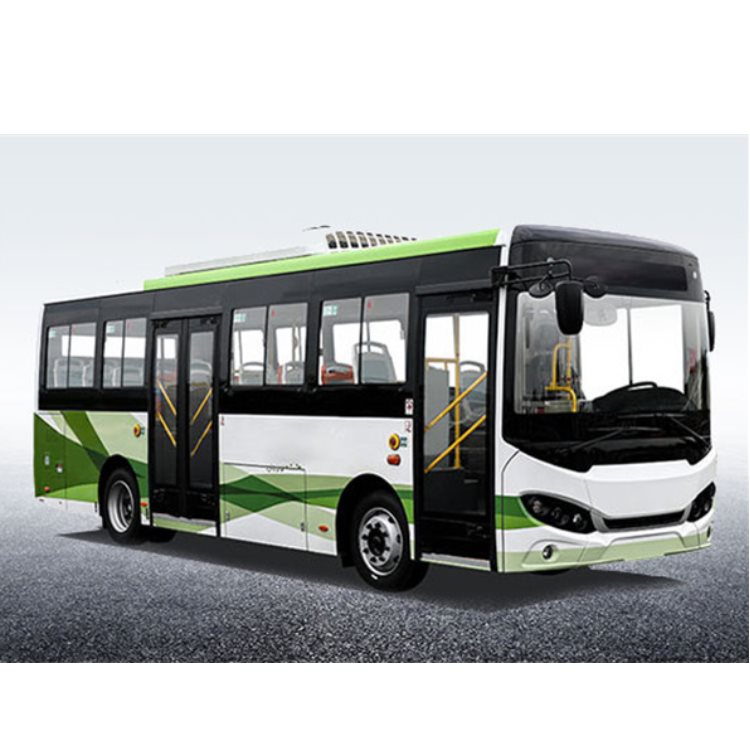
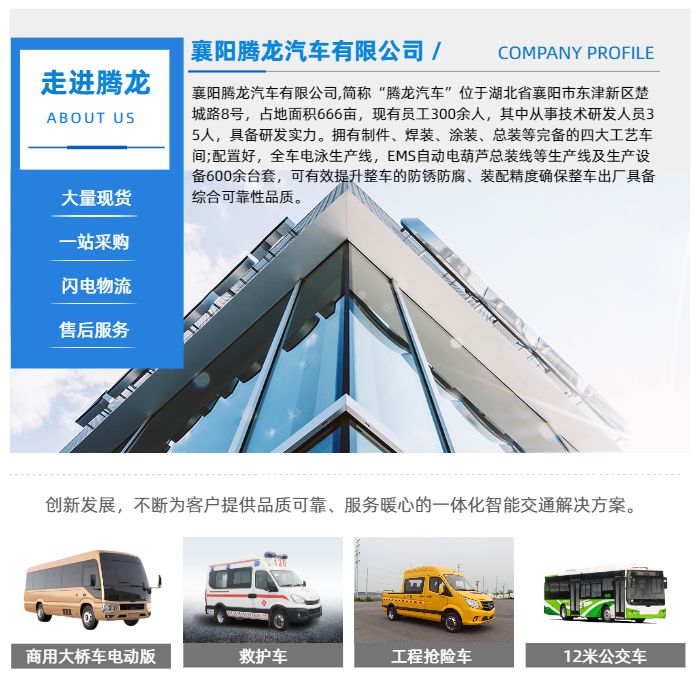
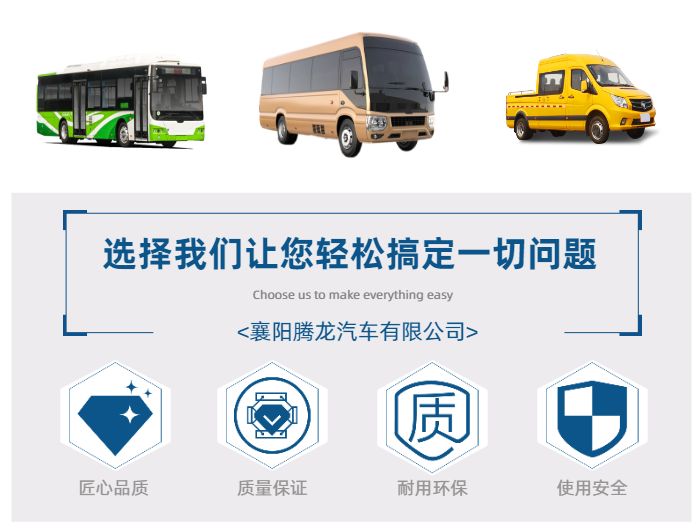
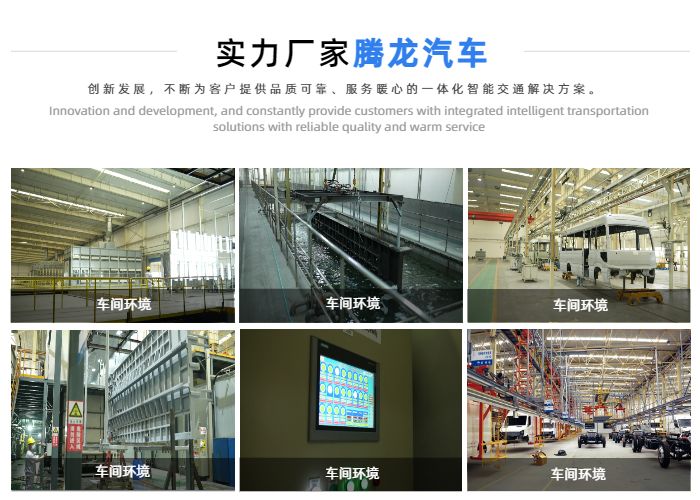
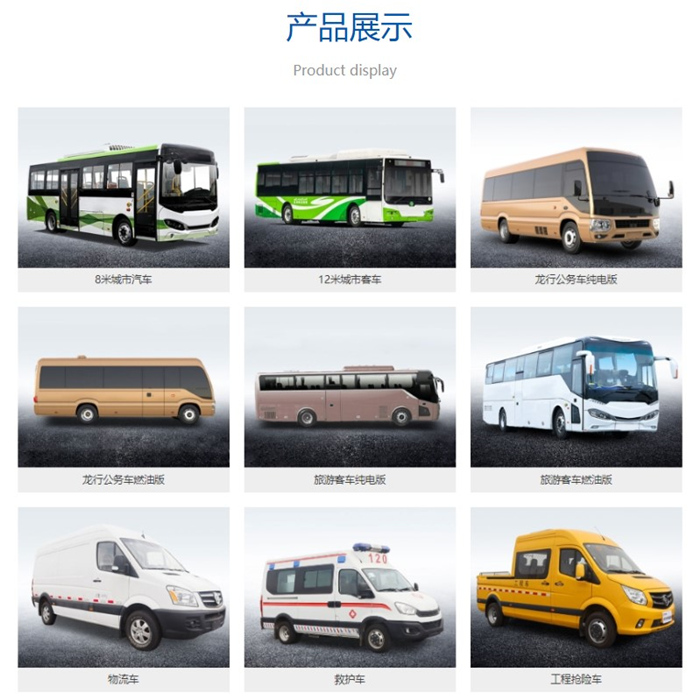
New Energy Large Bus Prices - Xiangyang Tenglong Quick Delivery - Beijing New Energy Large Buses supplied by Xiangyang Tenglong Automobile Co., Ltd. Journeying Farther, Striving Forward. Xiangyang Tenglong Automobile Co., Ltd. is committed to becoming a strategic partner for win-win, co-existence, and joint progress with you, and is determined to become a competitive bus enterprise, soaring together with you for mutual success!