













Title
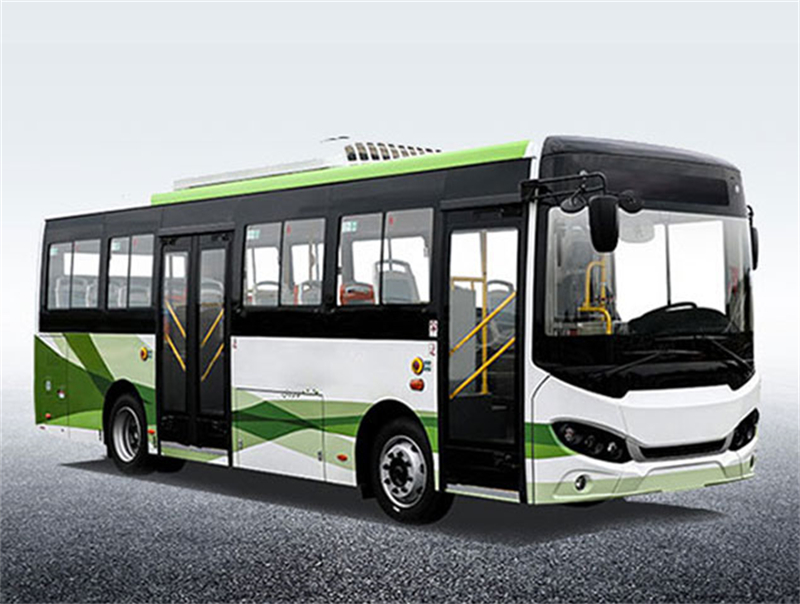
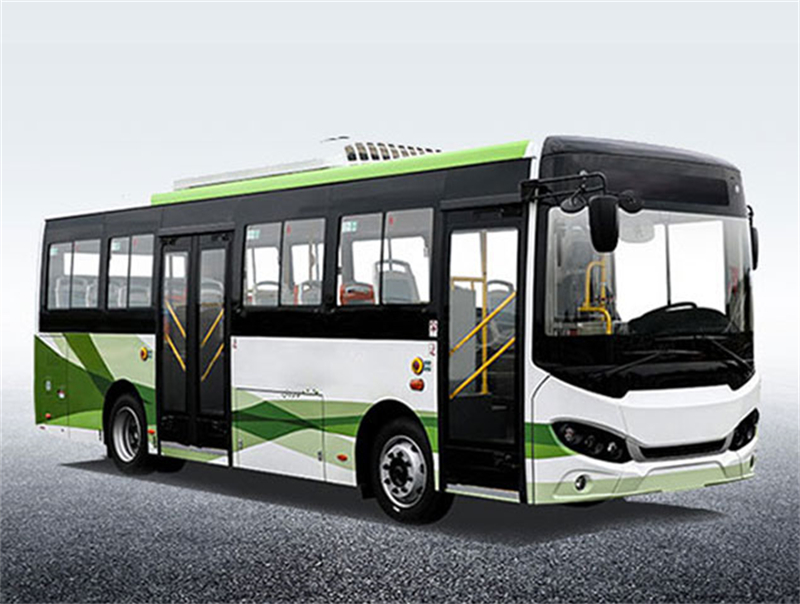
The "New Energy Vehicle Production Access Management Rules" were issued in November 2007, establishing the scope of new energy vehicles, which include hybrid electric vehicles (HEV), battery electric vehicles (BEV, including solar-powered cars), fuel cell electric vehicles (FCEV), and other new energy vehicles (such as ultracapacitors, flywheels, etc.). The "Interim Measures for the Management of Financial Subsidies for Energy-saving and New Energy Vehicle Promotion" was released on February 6, 2009. The measures decided that new energy bus manufacturers would conduct pilot projects for the promotion of energy-saving and new energy vehicles in 13 cities, including Beijing and Shanghai, to encourage the use of energy-saving and new energy vehicles in public transportation, taxi, government, environmental sanitation, and postal services. New energy bus manufacturers would provide subsidies to entities purchasing energy-saving and new energy vehicles. Hybrid vehicles with over 40% energy saving could receive a financial subsidy of 50,000 yuan; for fuel cell vehicles, the subsidy is 250,000 yuan; and for high-power fuel cell buses with power over 50%, each vehicle could obtain a promotion subsidy of 600,000 yuan. For city buses over 10 meters, there are separate standards, with hybrid vehicles categorized into lead-acid battery and nickel-hydrogen battery, and lithium-ion battery types. The price of new energy buses ranges from 80,000 yuan to 420,000 yuan per vehicle, depending on the subsidy amount; the subsidy standard for pure electric vehicles is 500,000 yuan per vehicle.
Title
In the eight-year plan for new energy vehicles in the five-year background plan, the development of electric vehicles was listed as a key national scientific and technological research project as early as 1992. In the nine-year plan, the development of new energy vehicles was initiated, and electric vehicles were included in the national "863" plan. In the tenth five-year plan, the basic principles for the strategic development of electric vehicles in our country were clarified, developing fuel cell, hybrid, and pure electric vehicles, and proposing a "three horizontal and three vertical" research and development layout. In the eleventh five-year plan, the "Major Project on Energy Conservation and New Energy Vehicles" received a central investment of approximately 1.1 billion yuan. In 2008, the major project on "Energy Conservation and New Energy Vehicles" in the modern transportation technology field of the National High-tech Research and Development Plan (863 Plan) was launched, covering research topics such as batteries, motors, diesel engines, electric vehicles, hybrid vehicles, gas, and alternative fuels, among others.
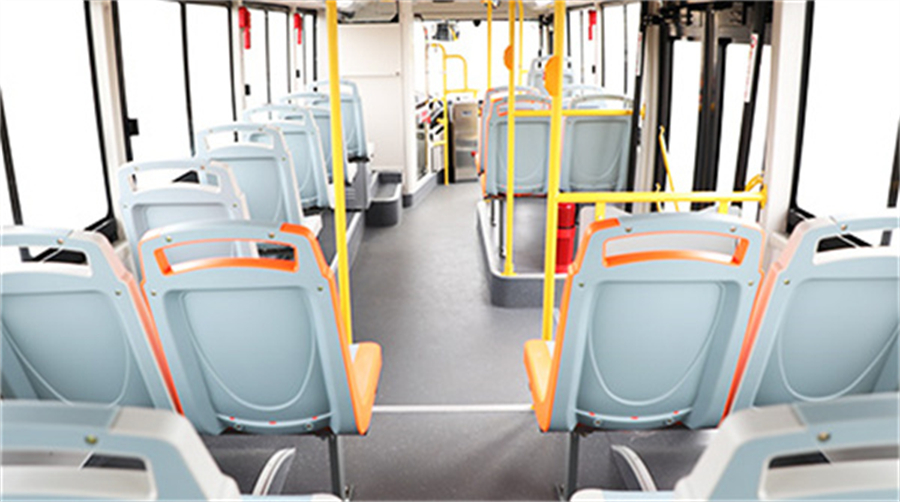
The promotional goal is for 3,000 to 5,000 vehicles. Based on the promotional subsidy criteria, pilot enterprises can receive subsidies as high as 420,000 yuan per vehicle. [3] This measure has far-reaching effects, bringing the new energy vehicles closer to the general public through the electrification of buses in various cities. It is sure to enhance the awareness and acceptance of new energy vehicles among ordinary consumers and also foster a sense of trust. This lays a solid foundation of public support for the future promotion and popularization of new energy vehicles. [3]
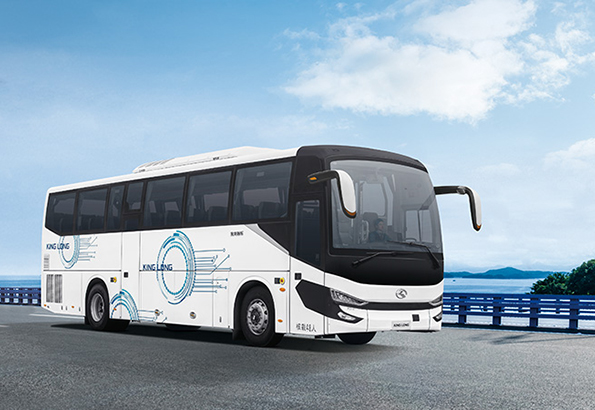
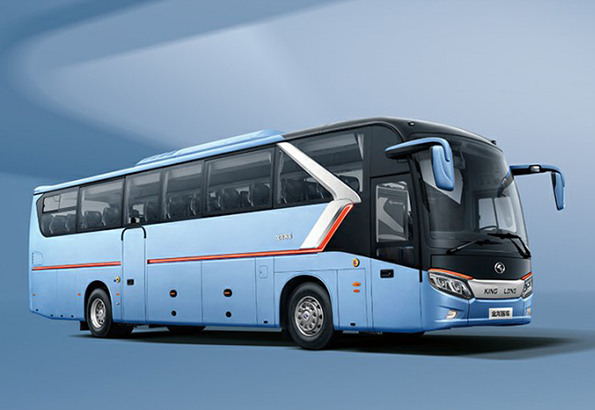
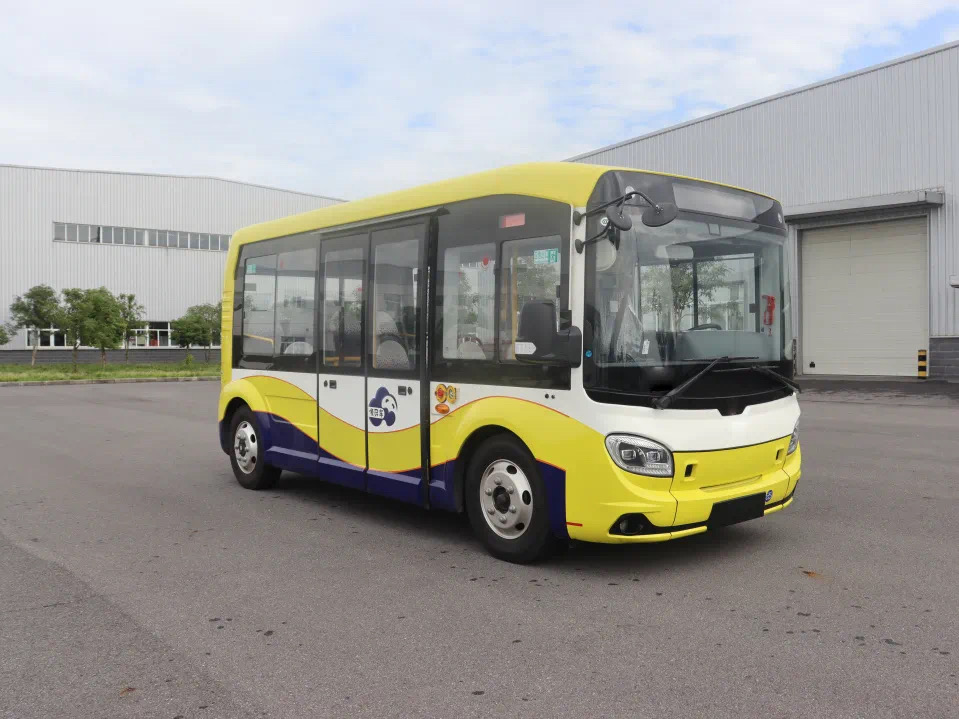
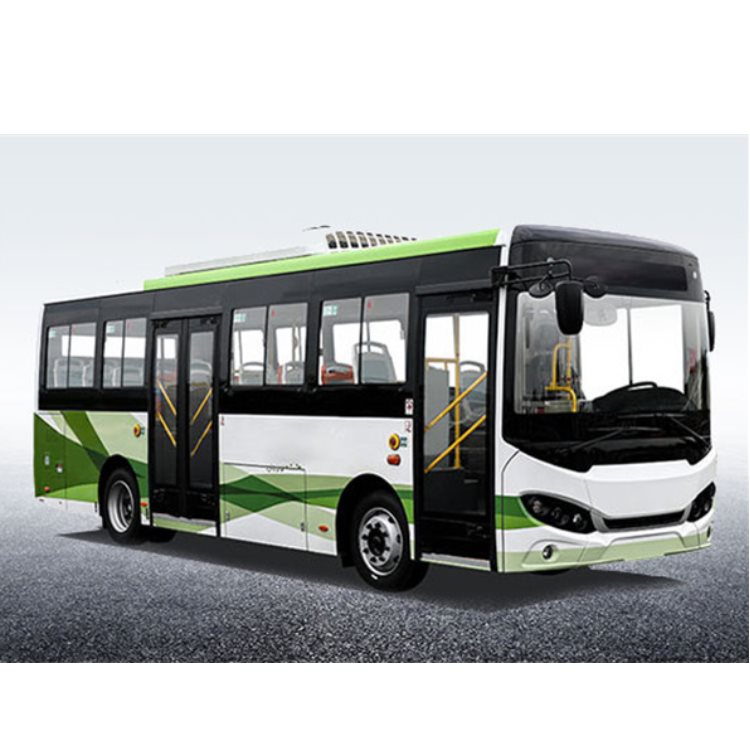
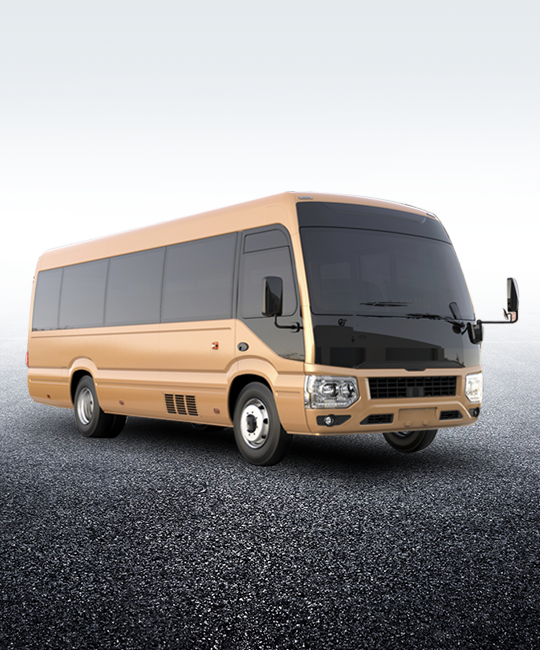
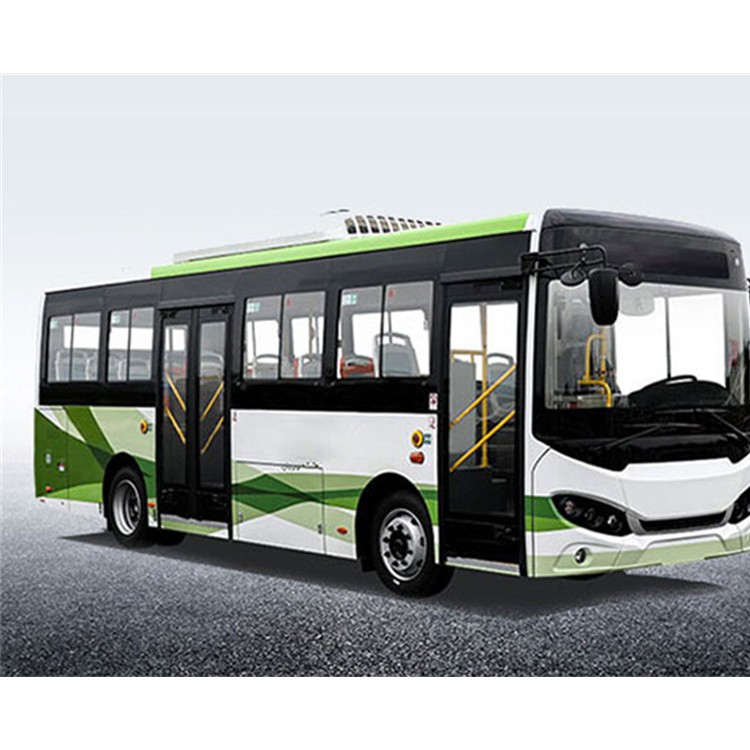
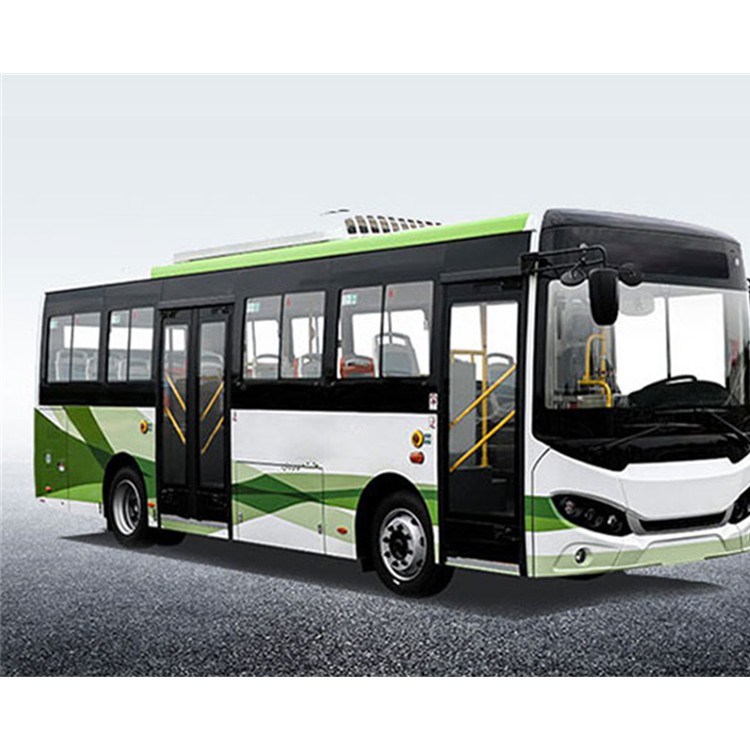
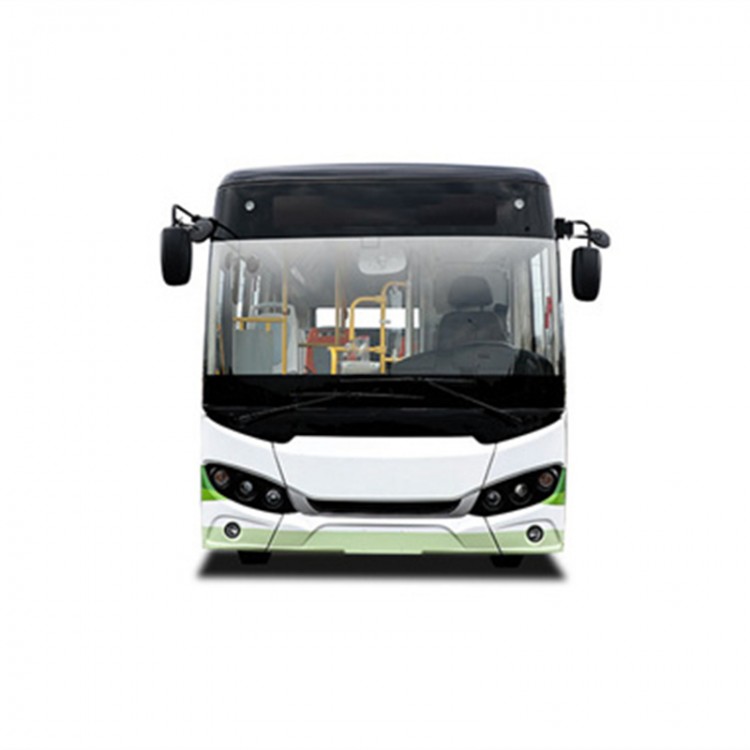
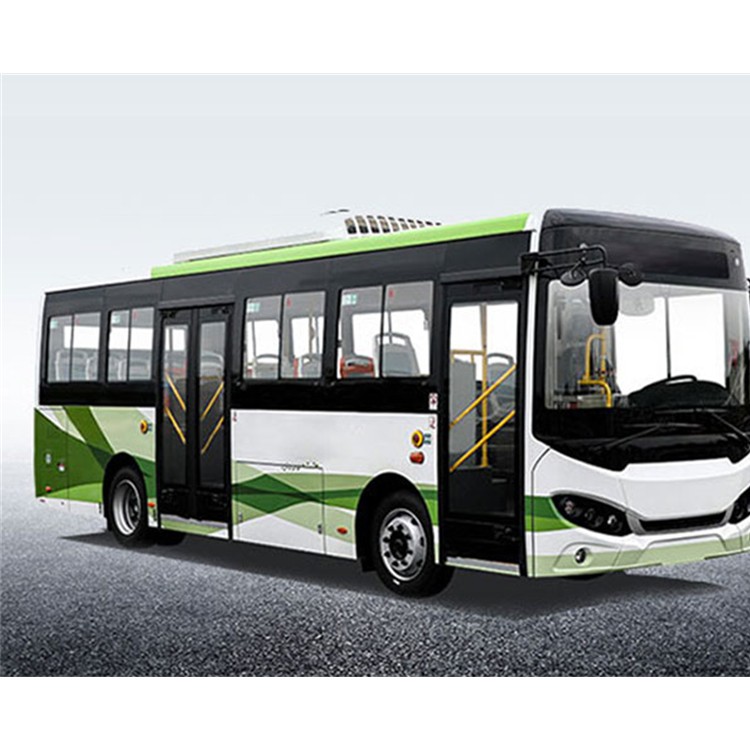
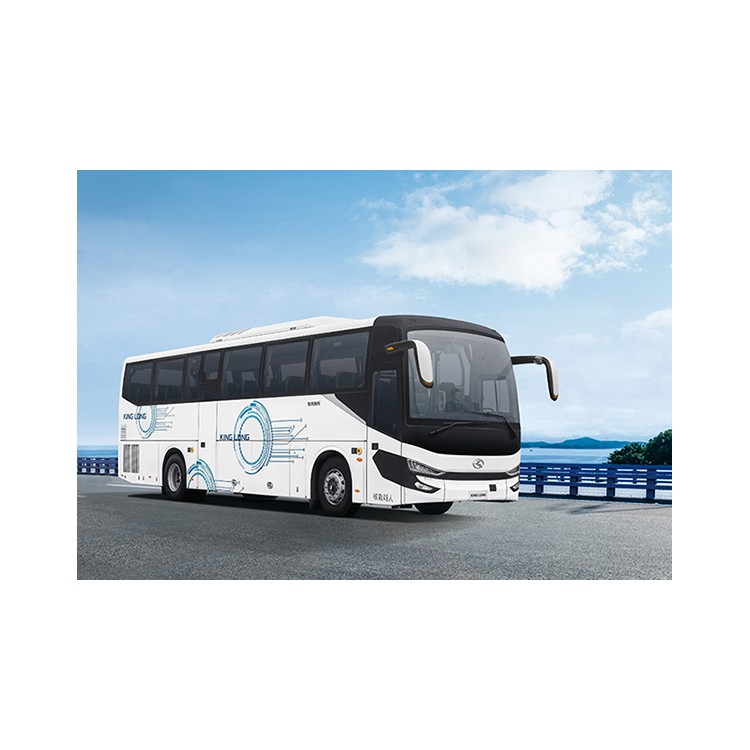
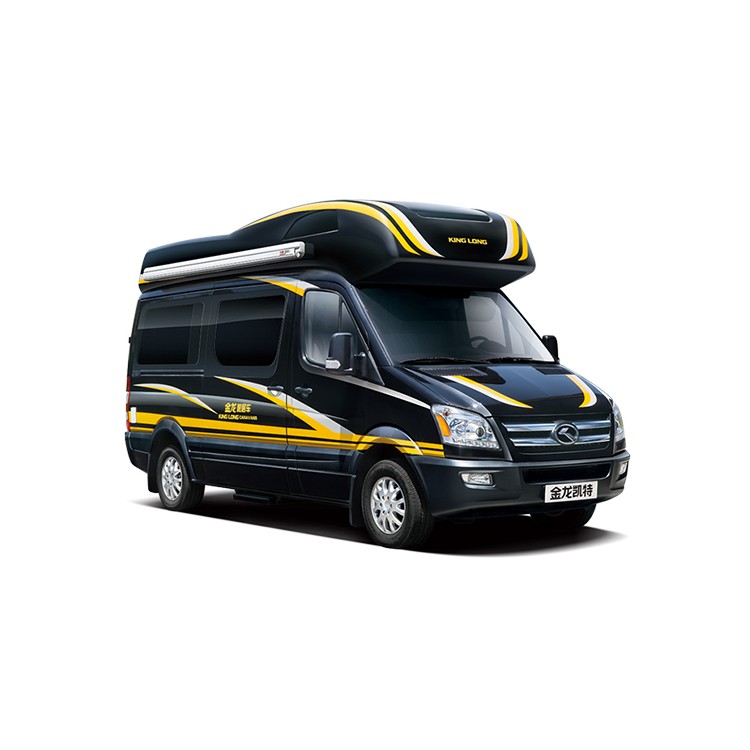
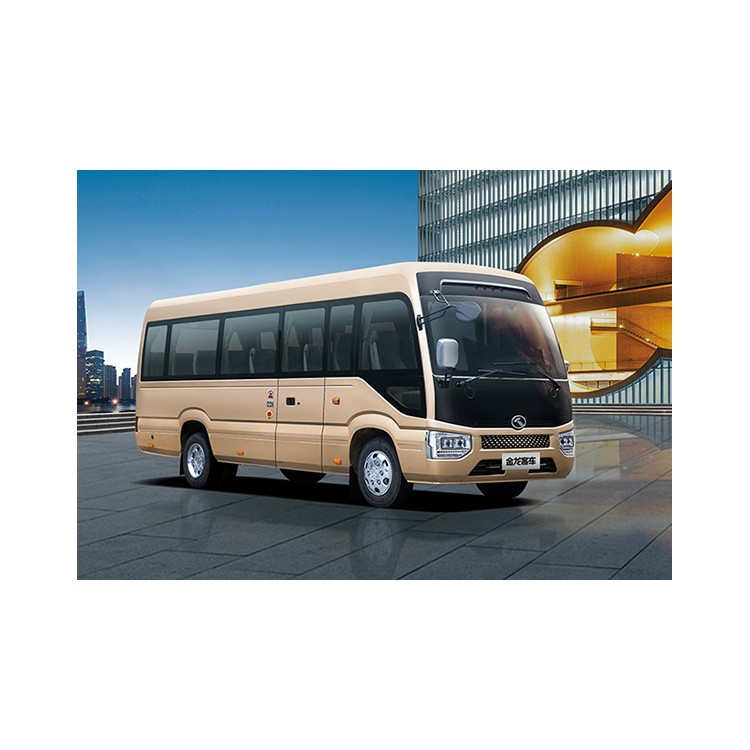
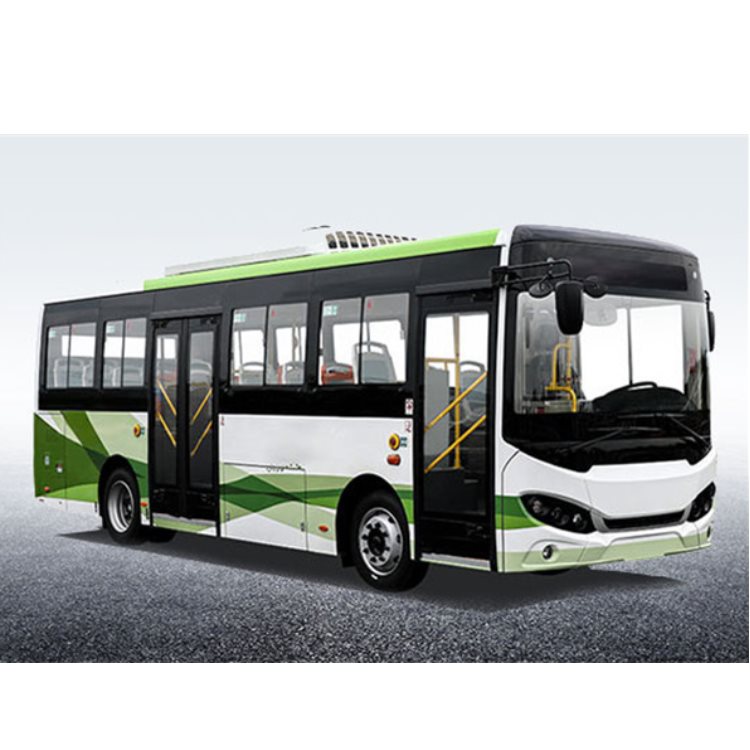
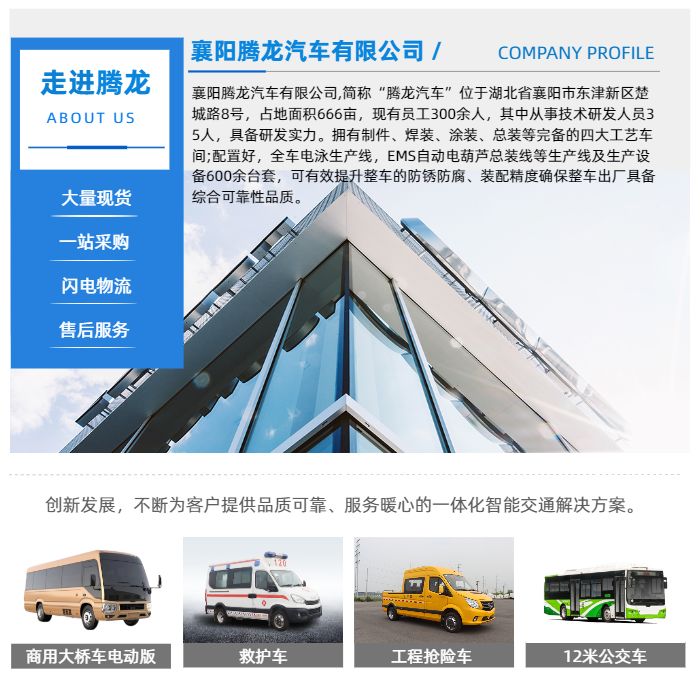
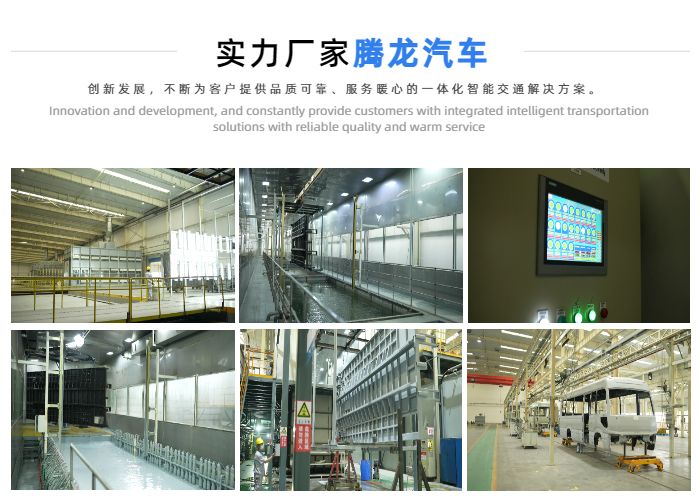
New Energy Large Bus Manufacturer - Zhejiang New Energy Large Bus - Xiangyang Tenglong offers customizable services. Xiangyang Tenglong Automobile Co., Ltd. boasts strong capabilities and reliable reputation, having accumulated a large number of loyal customers in the bus industry in Hubei, Xiangfan. Xiangyang Tenglong Automobile, with a relentless pursuit of perfection and a commitment to continuous innovation, joins hands with you to stride towards brilliance, co-creating a beautiful future!