




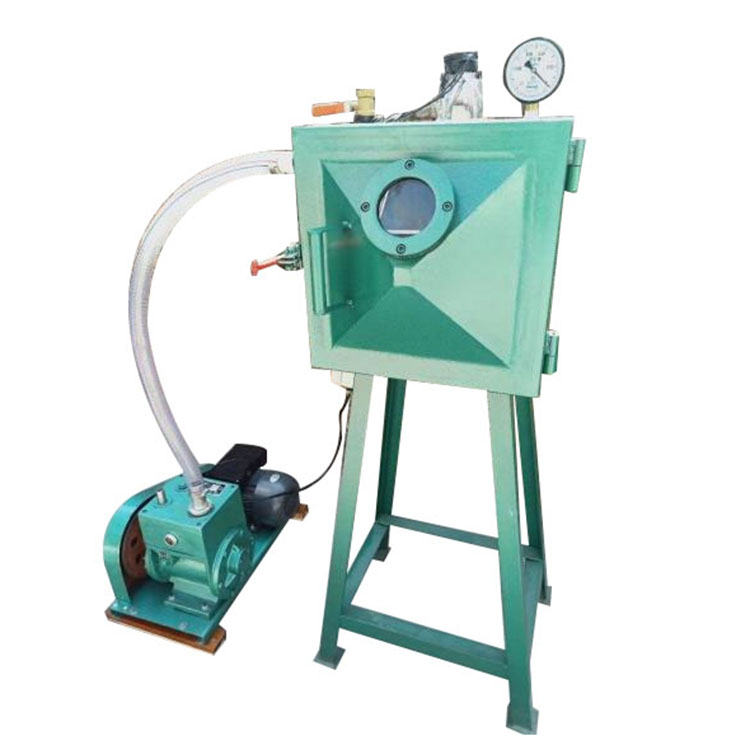
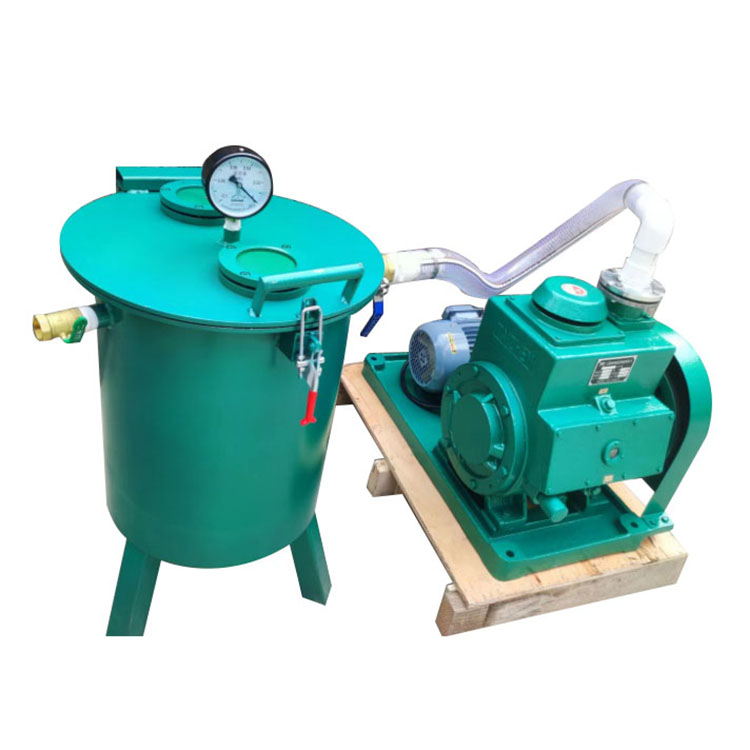





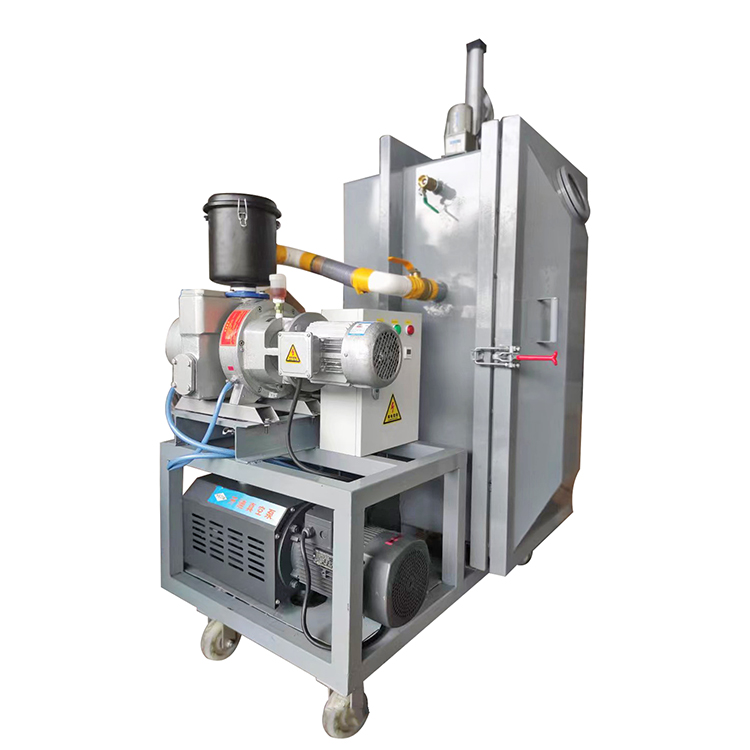
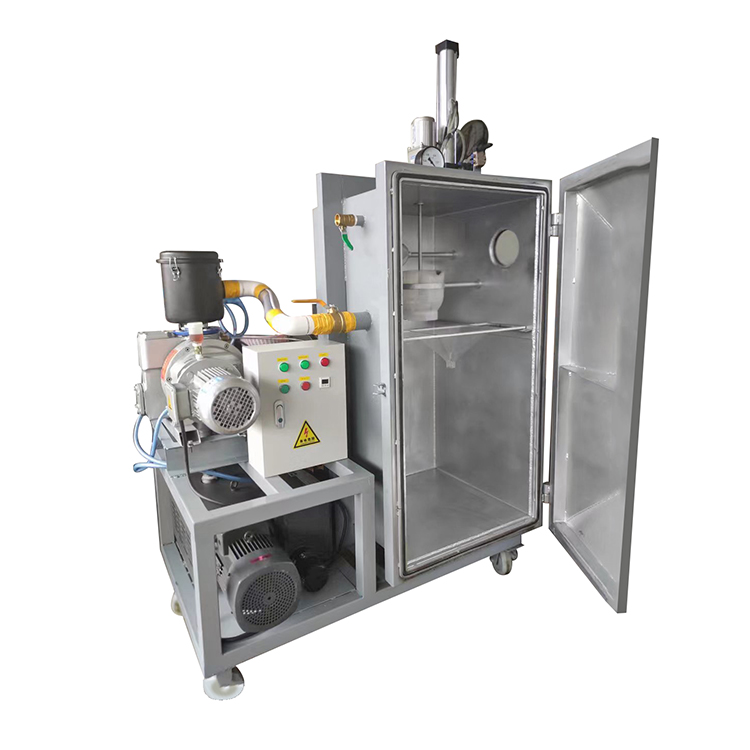
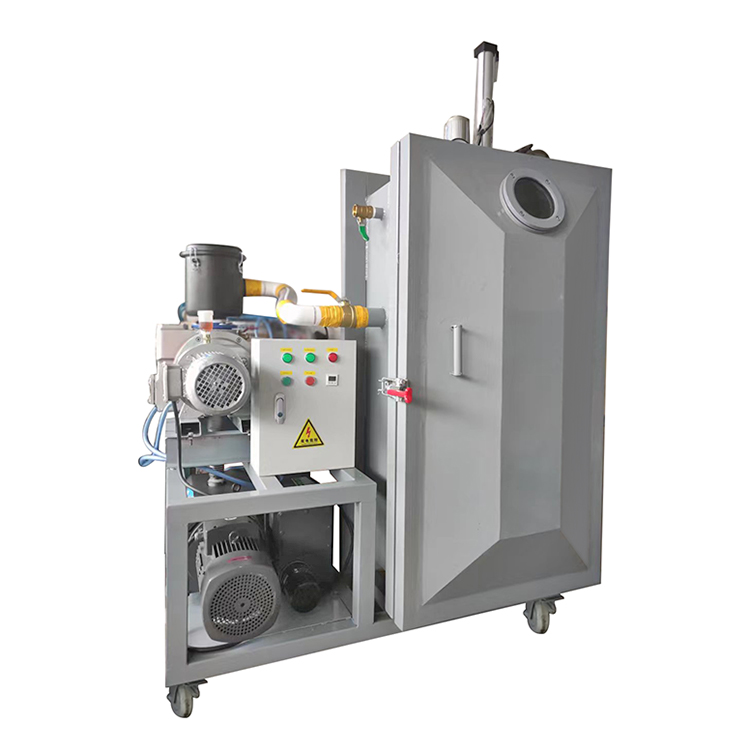
Kady focuses on the research, development, production, and sales of vacuum equipment.
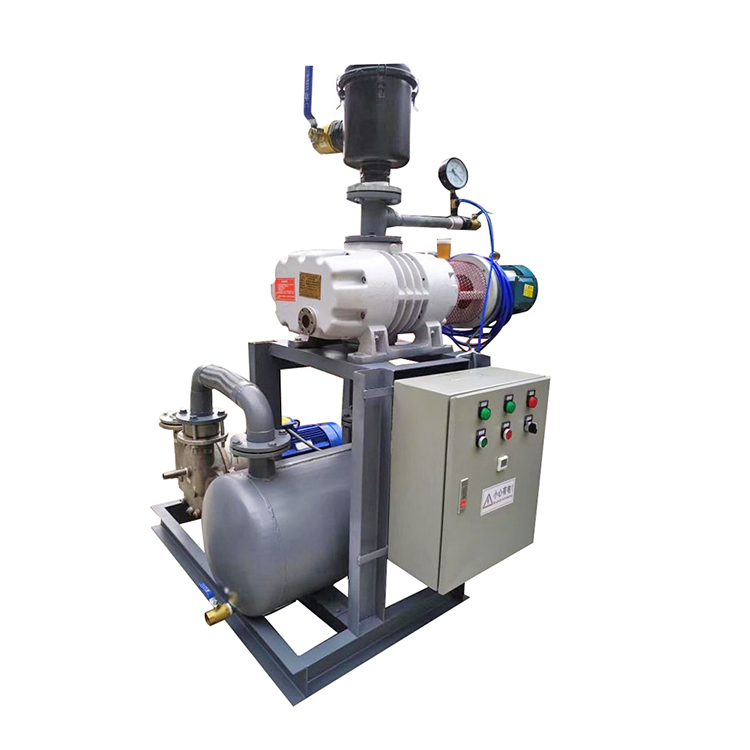
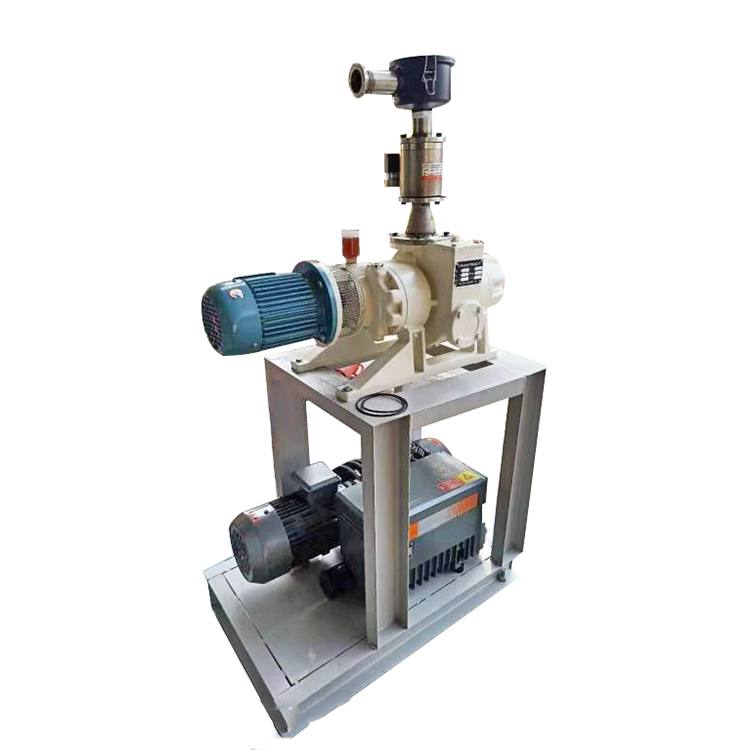
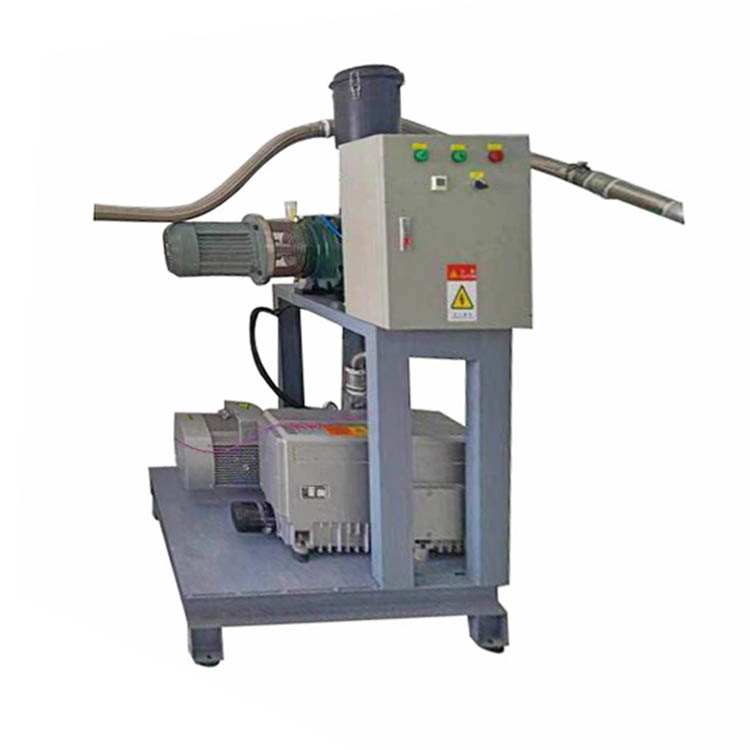
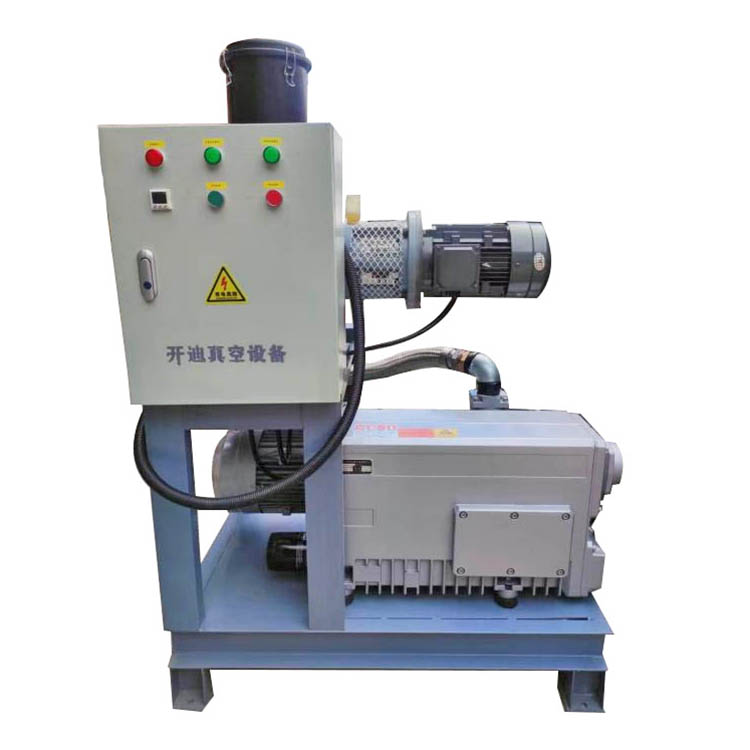
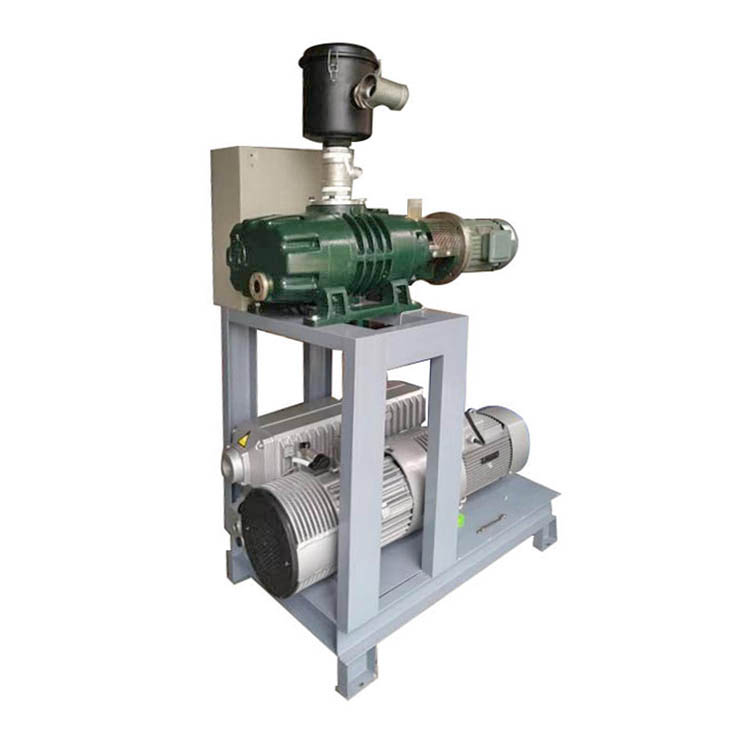
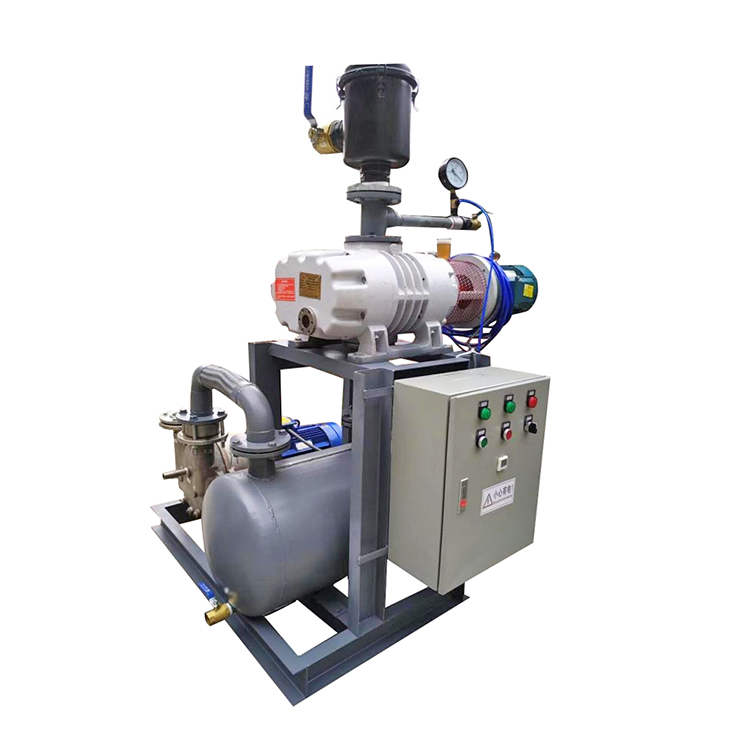
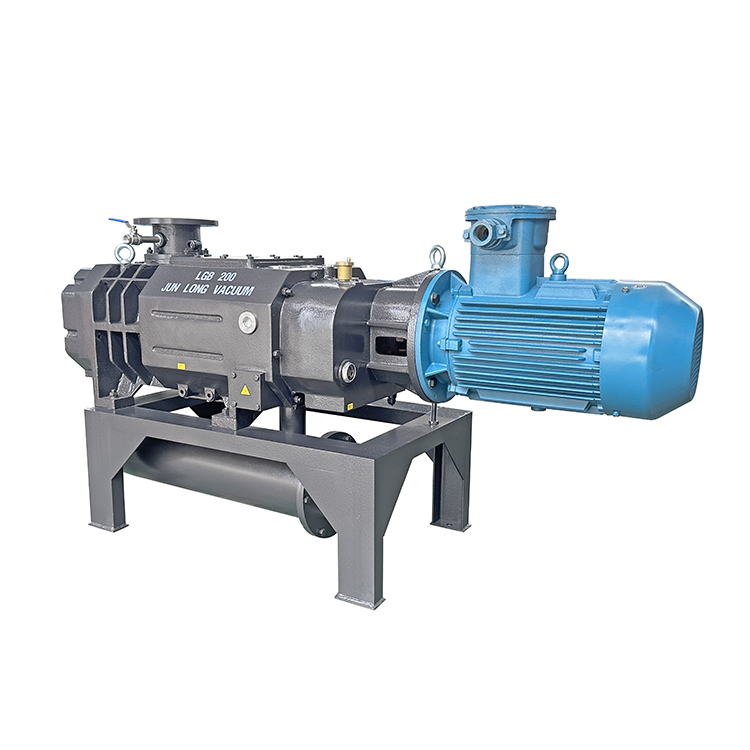
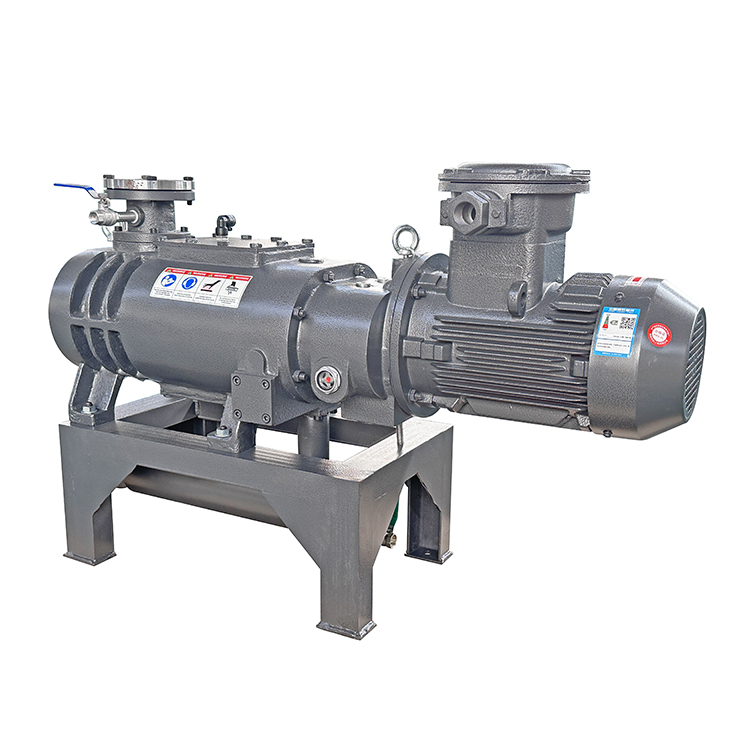
The JZJS Roots Water Ring Vacuum Unit is composed of a Roots pump as the main pump and a water ring pump as the preliminary pump in series. Using a water ring pump as the preliminary pump in the Roots Water Ring Vacuum Unit is more advantageous than other vacuum pumps. It overcomes the drawback of low gas extraction rate at a certain pressure, which is a result of the single water ring pump's limited pressure difference (the unit's maximum pressure is significantly higher than that of the water ring pump), while retaining the Roots pump's advantages of rapid operation and high gas extraction rate. It is particularly suitable for extracting large amounts of condensable steam, especially when the gas-sealed mechanical vacuum pump's capacity to remove condensable steam is insufficient, or when the solvent used can deteriorate the pump oil and affect performance, or when the vacuum system does not allow oil contamination. With explosion-proof motors and electrical equipment, and under compliance with the relevant safety regulations, it can also extract flammable and explosive gases. Therefore, the Roots pump-water ring pump unit is widely used in the vacuum distillation, vacuum evaporation, and dehydration crystallization in the chemical industry; in freeze-drying in the food industry; in polyester chips in the light纺 industry; and in vacuum systems for high-altitude simulation tests, etc.
Roots water ring vacuum pump units, generally come in the following types:
(1) Roots Pump - Water Ring Pump: The role of the water ring pump in the system is to create the preliminary vacuum required for the Roots pump. Generally, the ultimate vacuum of a single-stage water ring pump is not high, and the preliminary vacuum required by the Roots pumps produced in our country is relatively high. Therefore, single-stage water ring pumps are usually not used as the primary pump for Roots pumps, but low ultimate pressure double-stage water ring pumps are used instead, which can also reduce the ultimate pressure of the unit. The ultimate pressure of a Roots pump and a water ring pump is 400 Pa, which can meet general vacuum requirements but is limited in application. If two Roots pumps are connected in series and combined with a water ring pump, the ultimate pressure of the unit can be significantly increased (up to 25 Pa). Therefore, in this type, it is common to see two Roots pumps connected in series followed by a double-stage pump as the primary pump to form the unit. If a higher ultimate pressure is needed, a combination of three Roots pumps and a water ring pump can be used, with an ultimate pressure of up to 1 Pa.
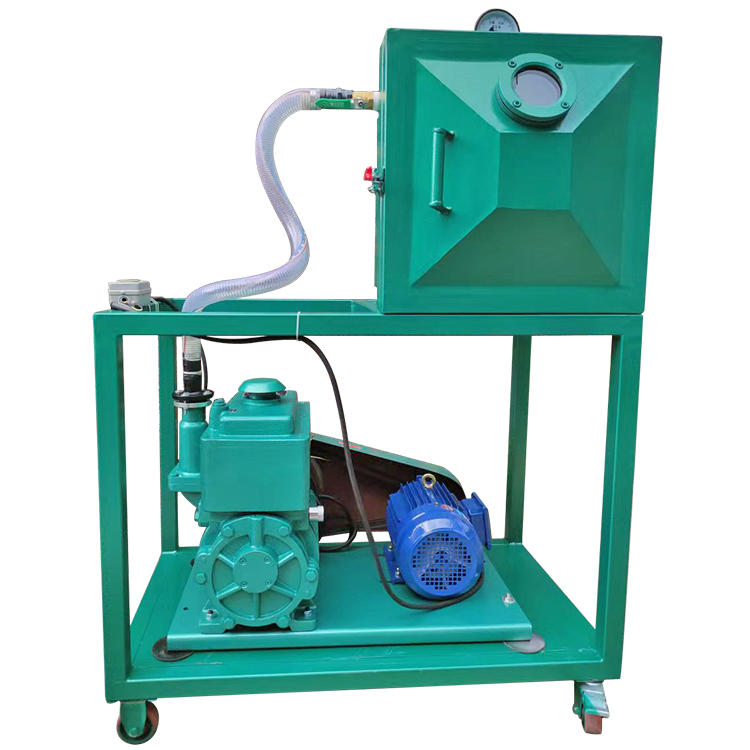
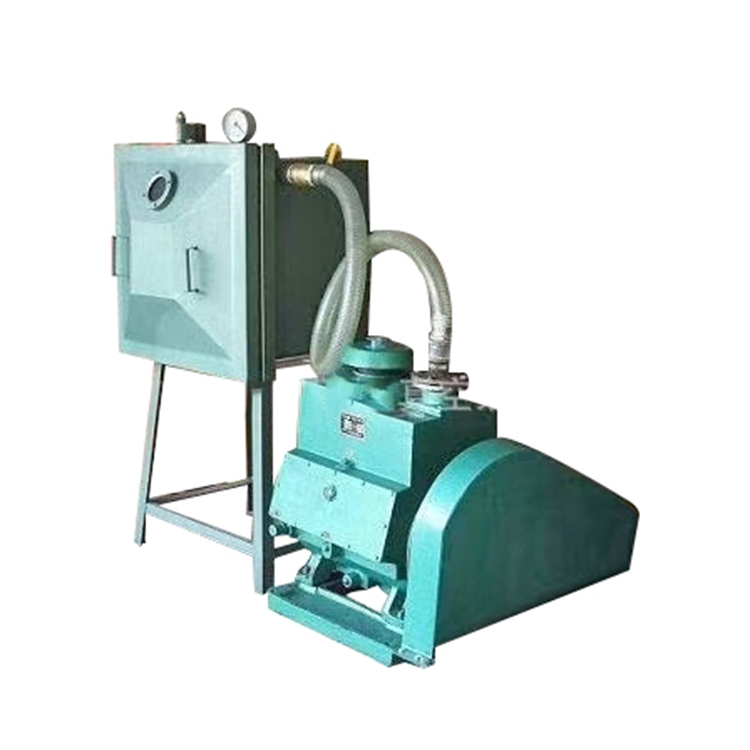
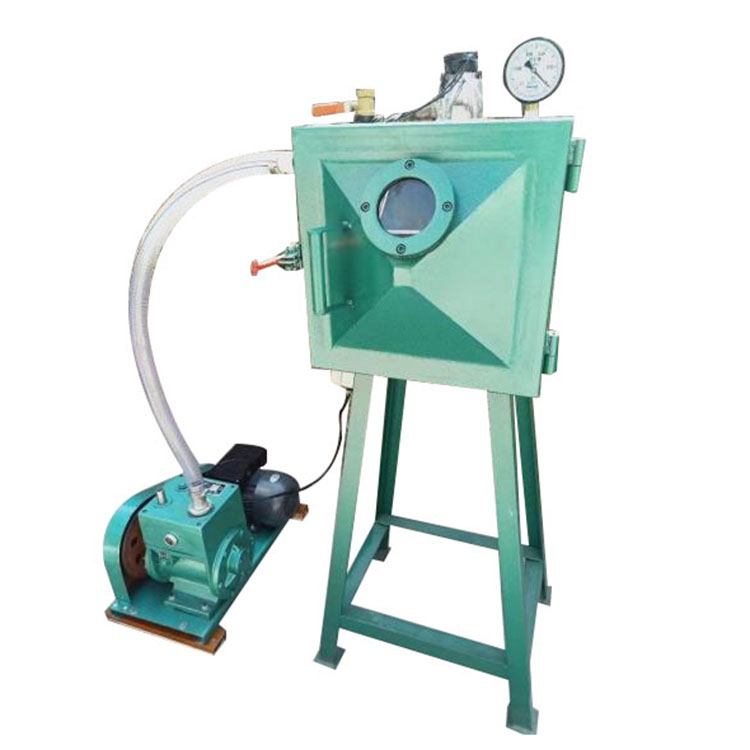
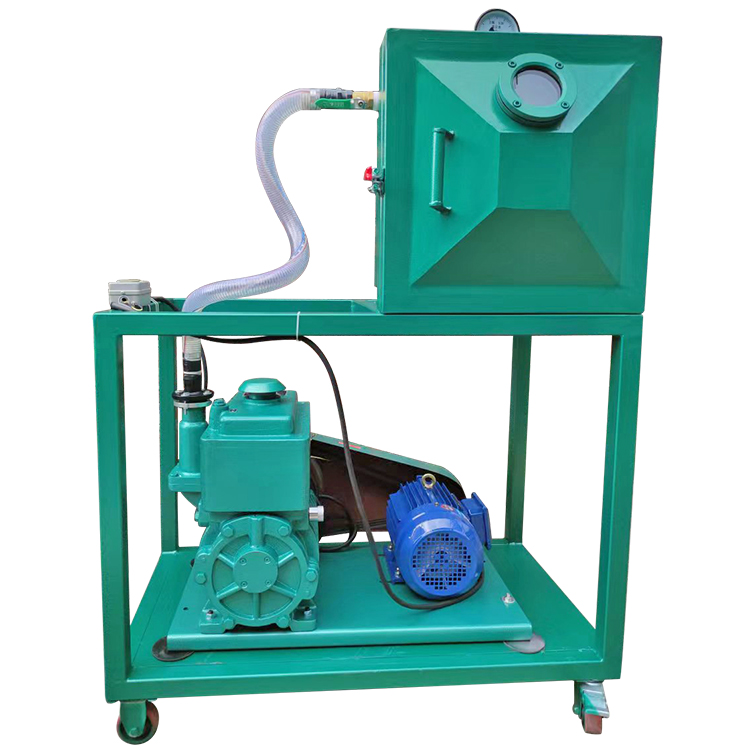
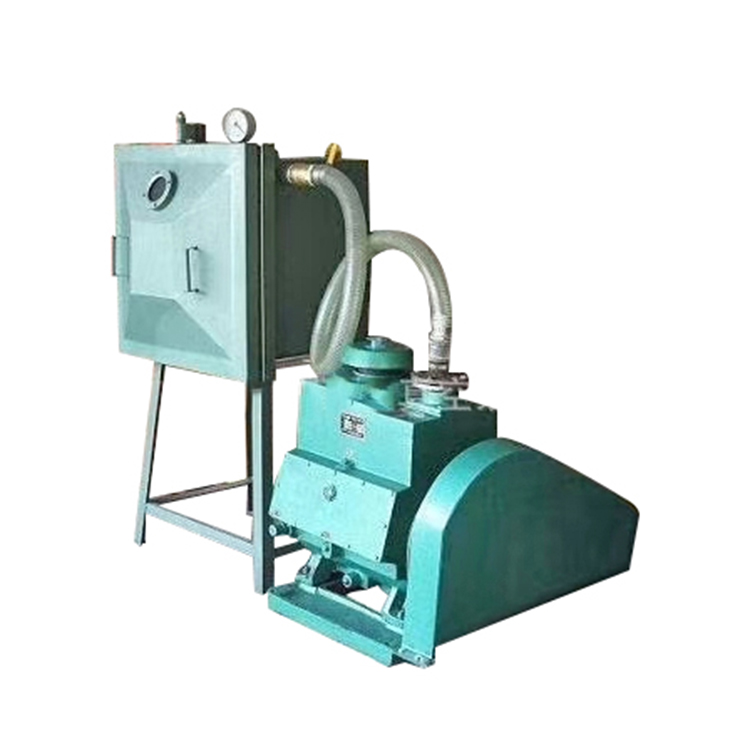
(2) If the three-stage Roots water ring vacuum unit still cannot meet the ultimate pressure, a Roots pump-water ring pump parallel mechanical vacuum pump can be used. This unit is mainly used for vacuum systems that require the handling of large amounts of steam over a long period with very high ultimate vacuum requirements, such as in vacuum drying applications. In vacuum systems that need to handle large amounts of steam, a water ring pump is more suitable; however, due to its lower ultimate vacuum, the overall unit's ultimate vacuum is relatively low. Although in vacuum systems requiring higher vacuum levels, a mechanical vacuum pump with a higher ultimate vacuum is needed as the primary pump. The air-cooled mechanical vacuum pump can be paralleled with the water ring pump to serve as the pre-stage pump for the Roots pump. During vacuum drying, pre-evacuation is first performed using the water ring pump until a significant reduction in steam is achieved, then the air-cooled mechanical vacuum pump is activated to disconnect the water ring pump. In cases where drying takes a longer time, less cooling water and power are required.
Application Scope
This unit is particularly suitable for processes involving the removal of large amounts of steam and gases with certain corrosiveness and condensability, as it employs a water ring pump as the primary pump. Such processes include vacuum distillation, evaporation, dehydration, crystallization, and drying, among others.