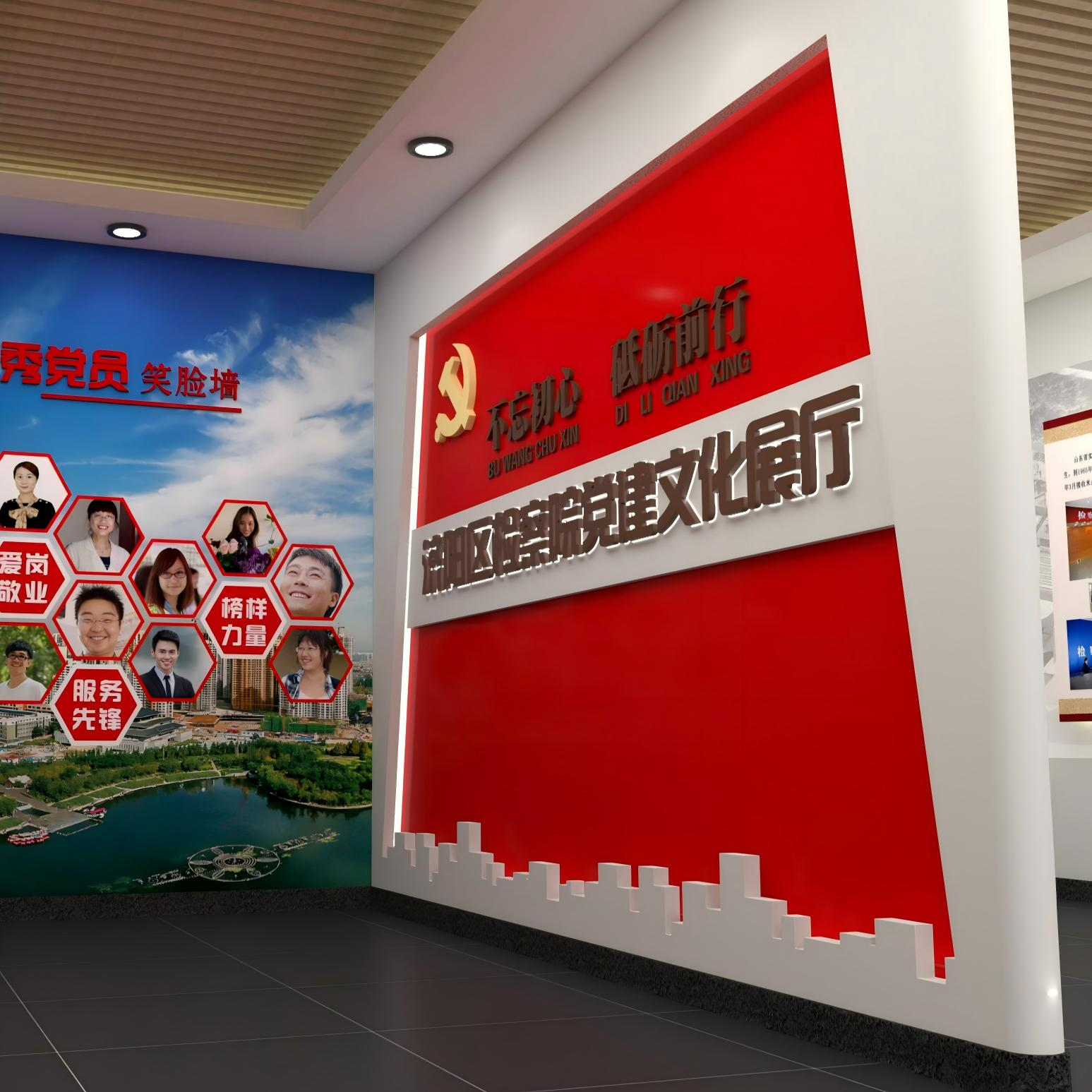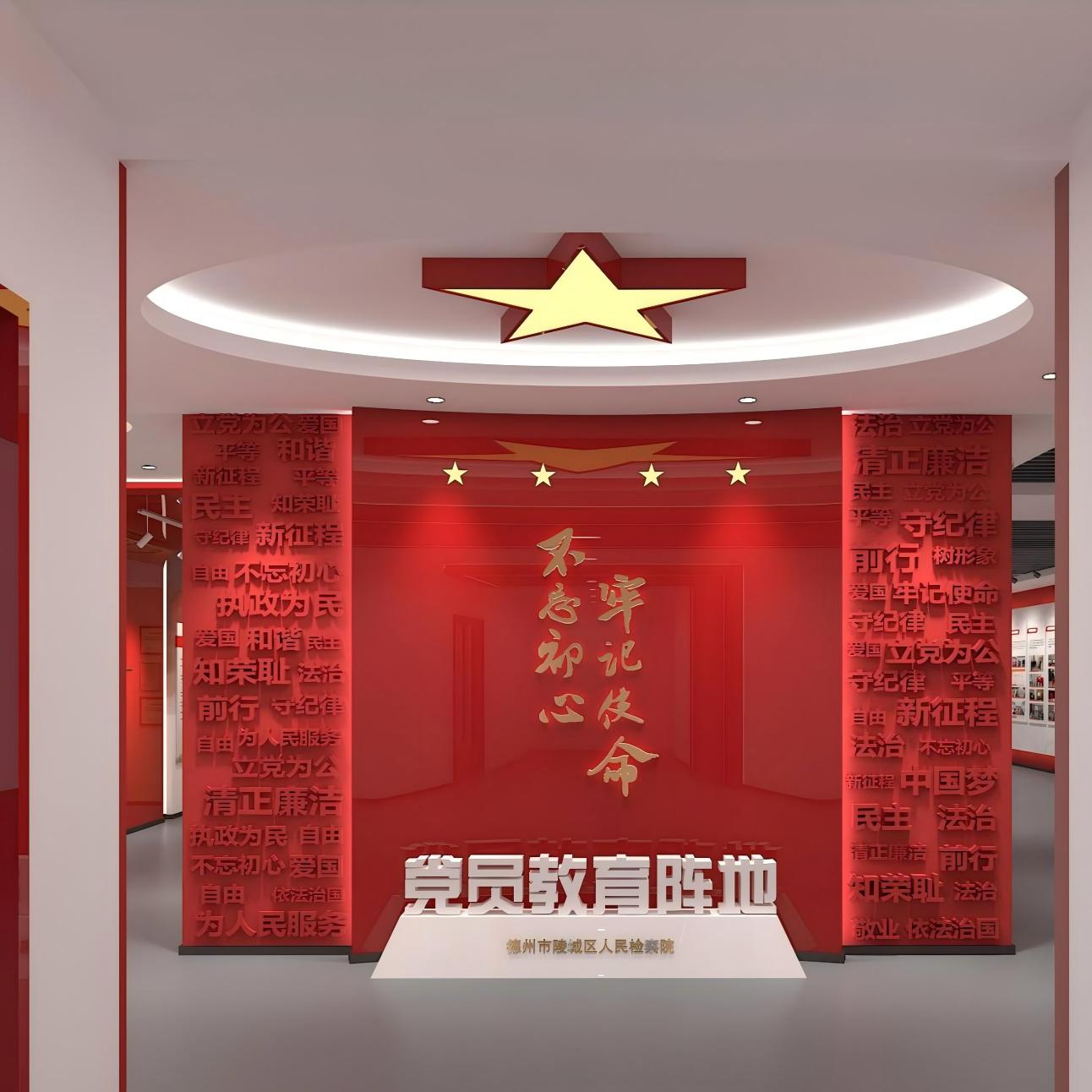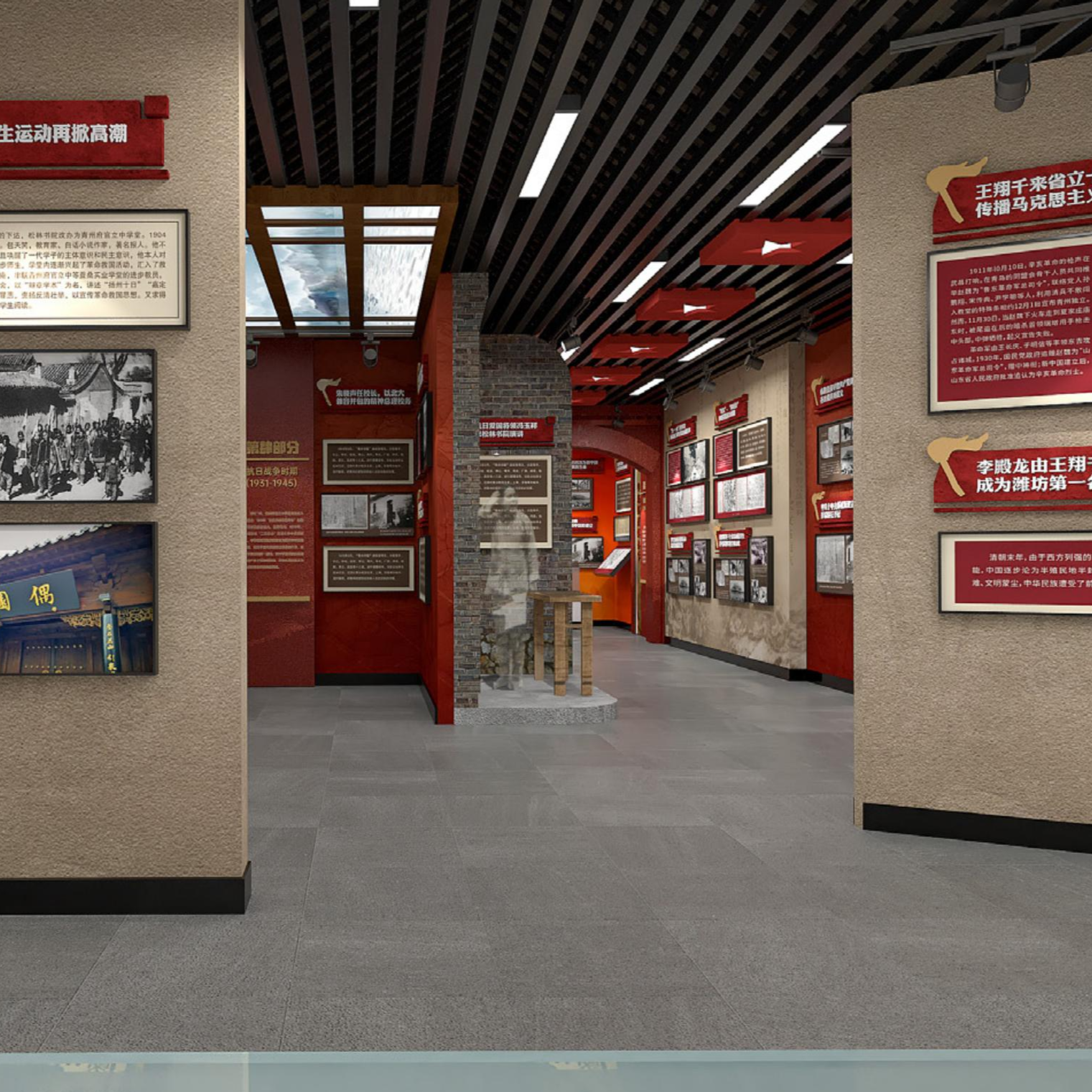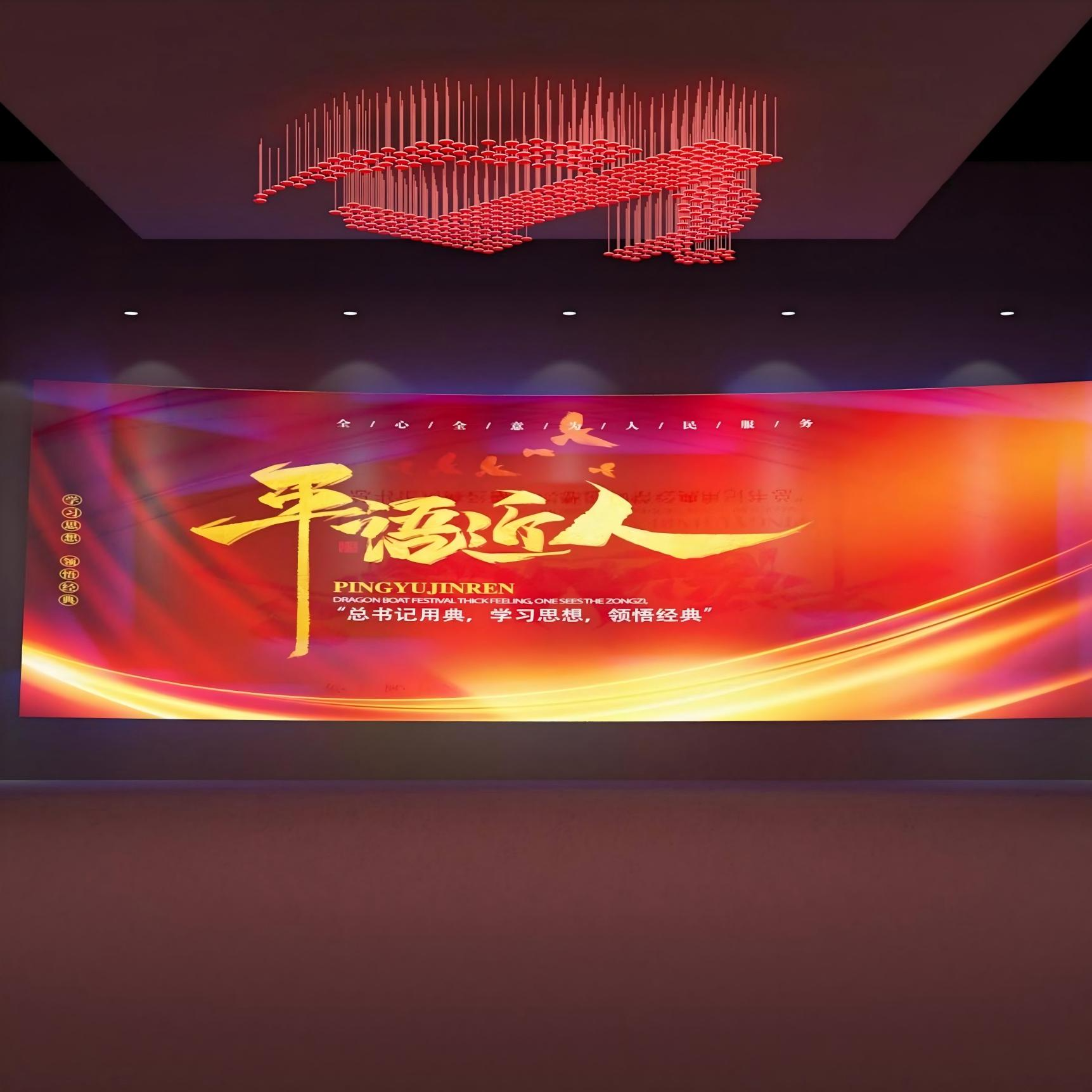



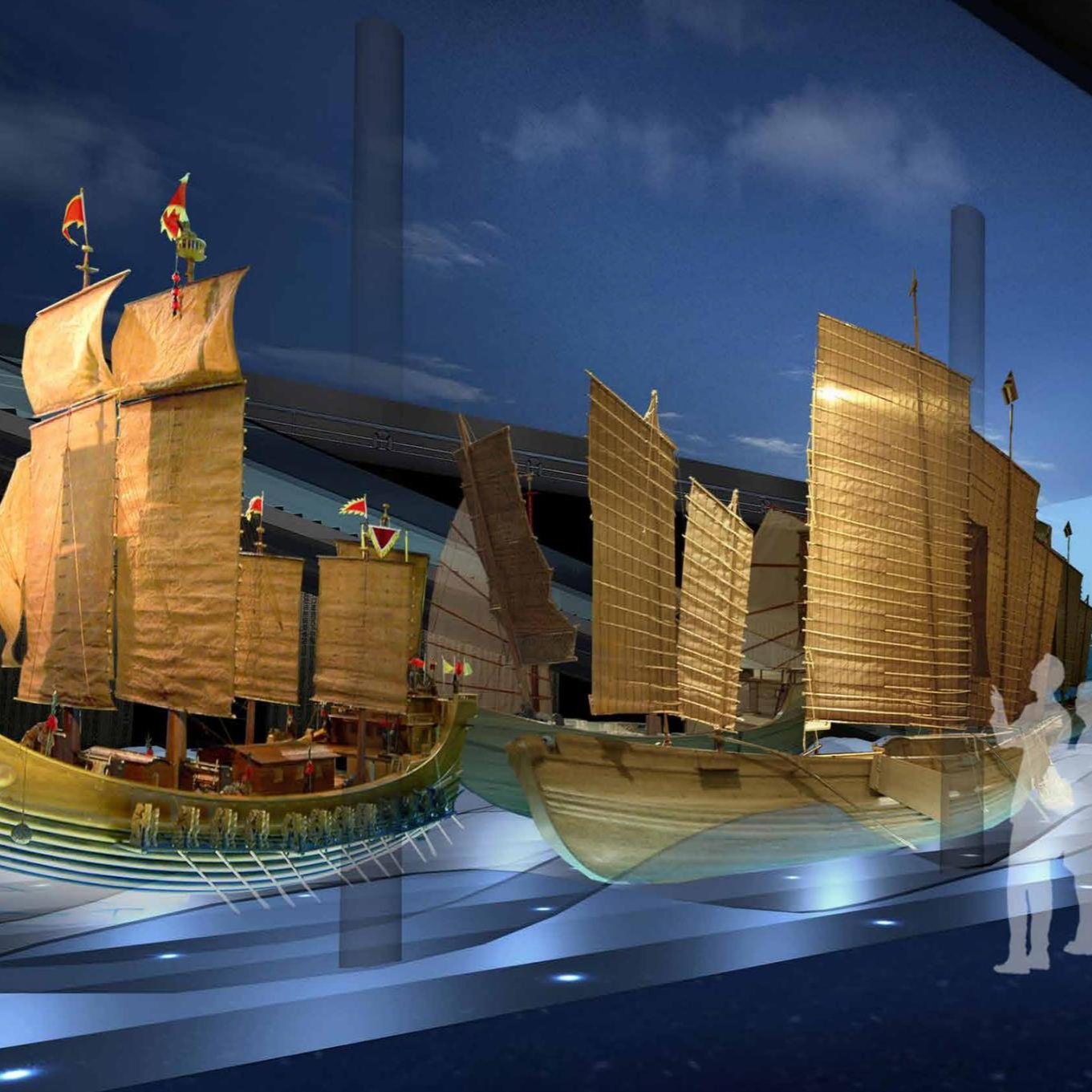








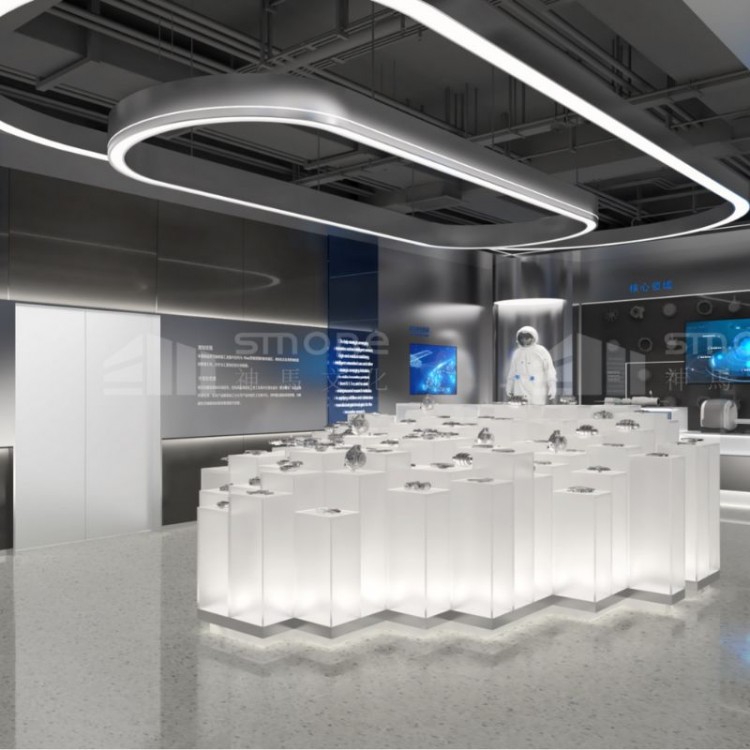
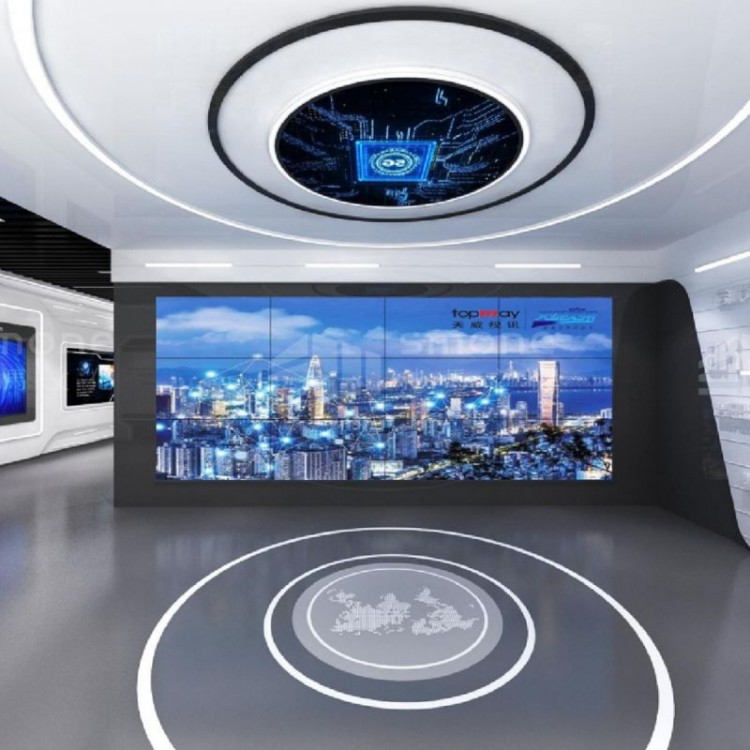
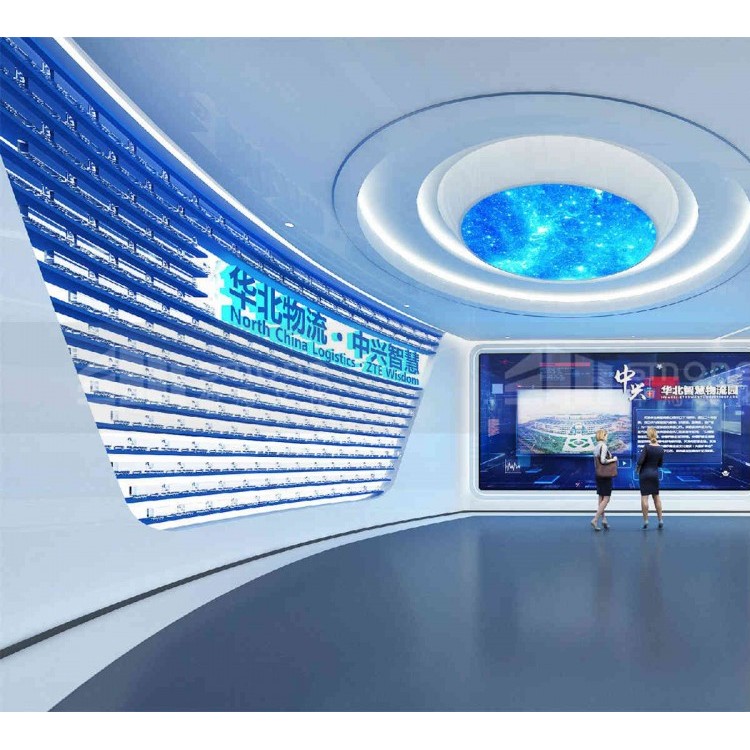
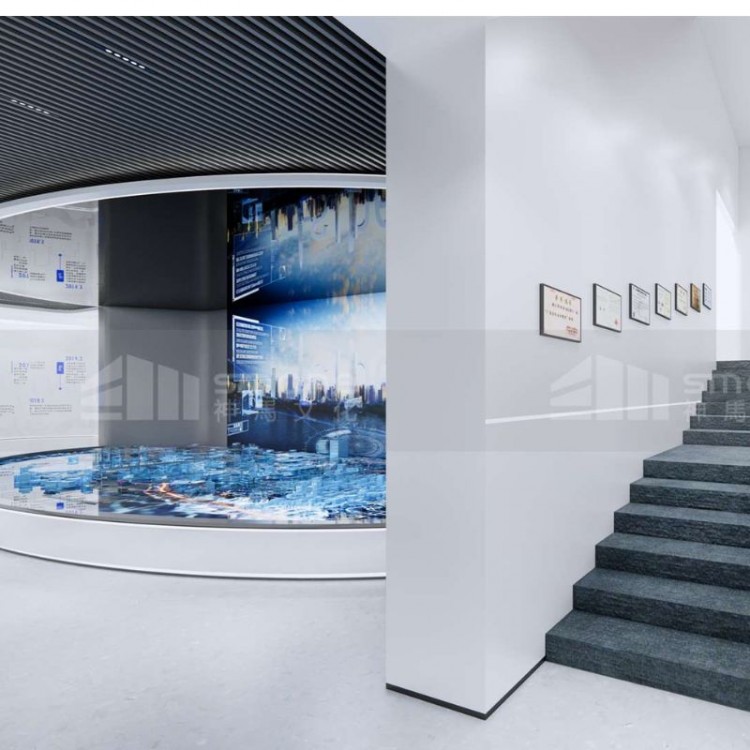
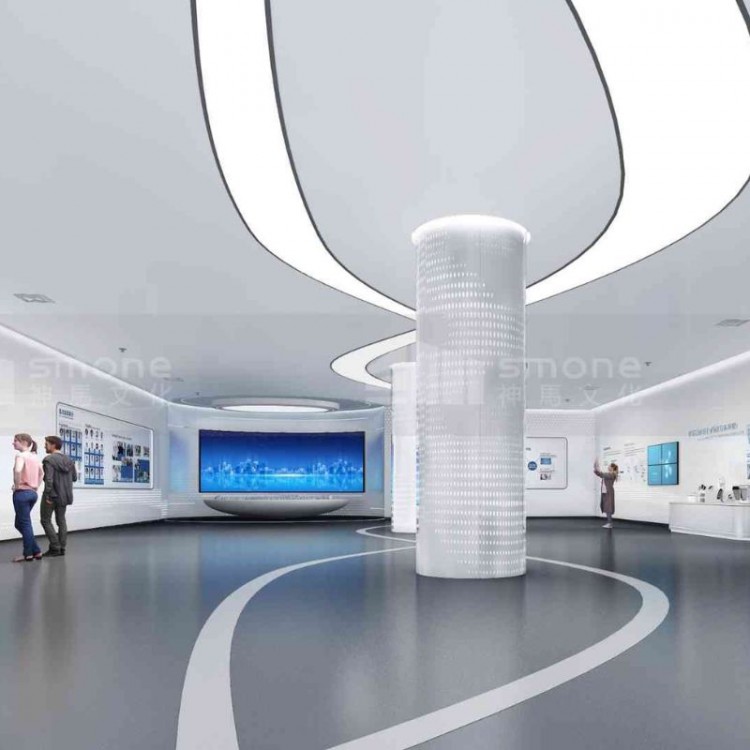
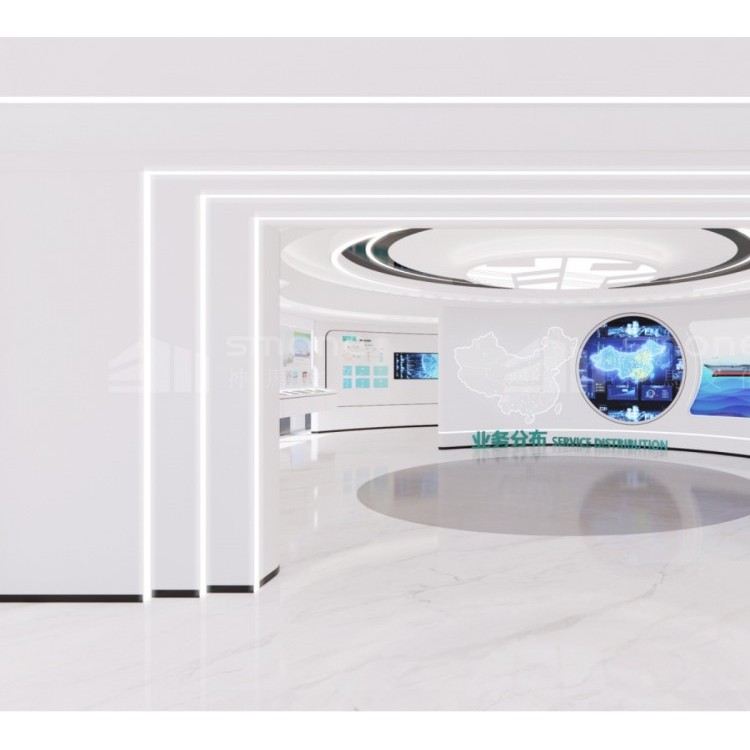
Description: Showrooms are particularly crucial for a company's growth. They offer a direct insight into a company's image, culture, and products, among other aspects. As the industry of showroom design evolves, so do the emergence of different styles and tones. However, this also reveals the shortcomings in the design of corporate showrooms. So, how should we design them? I will analyze this in this article.
Clearly define design features:
The corporate exhibition hall differs from industry exhibition halls, as it is a long-term existence dedicated to showcasing the overall image of corporate culture and positioning. Essentially, the space is for product display, with the relationship being that the space serves as a supplementary element to lay the groundwork for the products. In design, the designer needs to highlight the focus of the display space by controlling factors such as light refraction and material presentation effects.
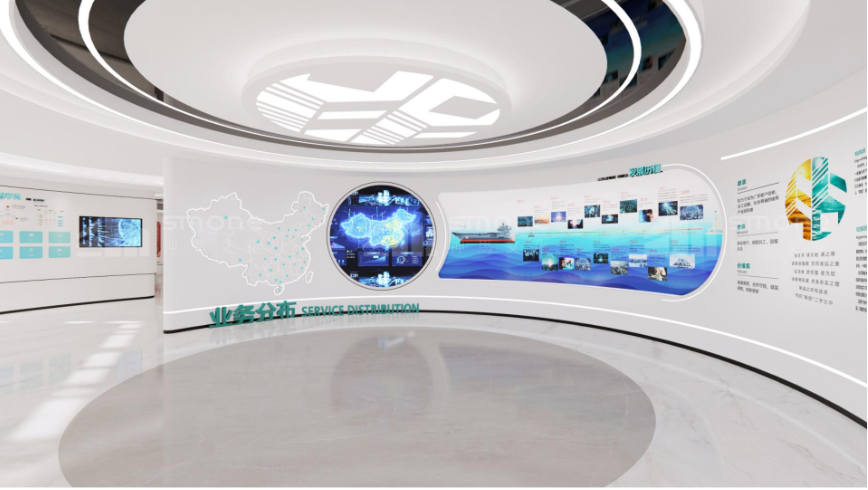
展厅Theme Positioning to Meet Market Demands:
During the design process of the exhibition hall, determining the theme of the space is a crucial step. In the preliminary phase of establishing this positioning, it's necessary to analyze the company's characteristics and historical culture, as well as the target audience of the exhibition hall, to define the overall theme style and the overall color scheme of the space.
Reasonable space allocation:
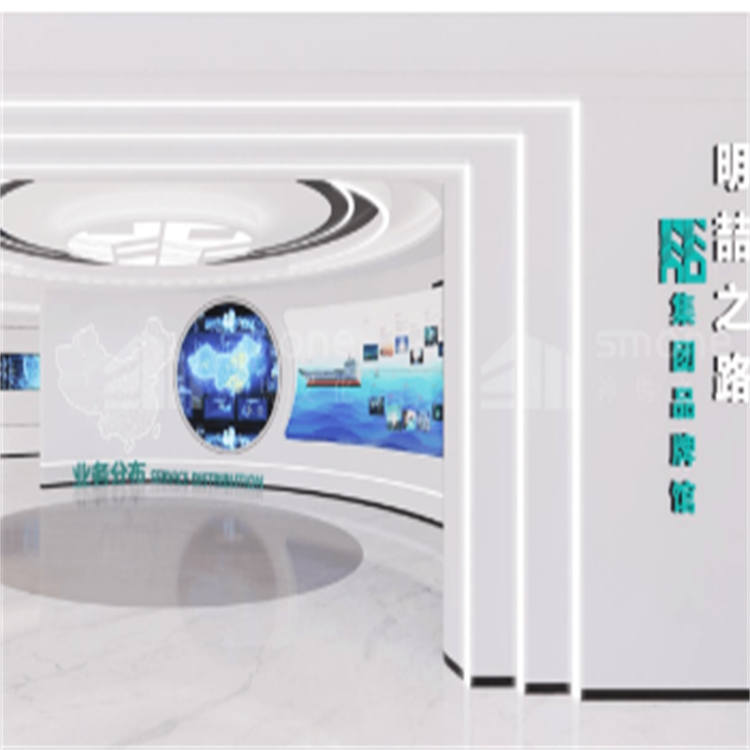
The spatial division in the corporate exhibition hall determines how customers perceive and grasp the overall space. The functions of different spaces are primarily service-oriented. It's crucial to accurately understand the connections between each functional area to design a reasonable visiting route. Generally, the route is designed in a clockwise direction.
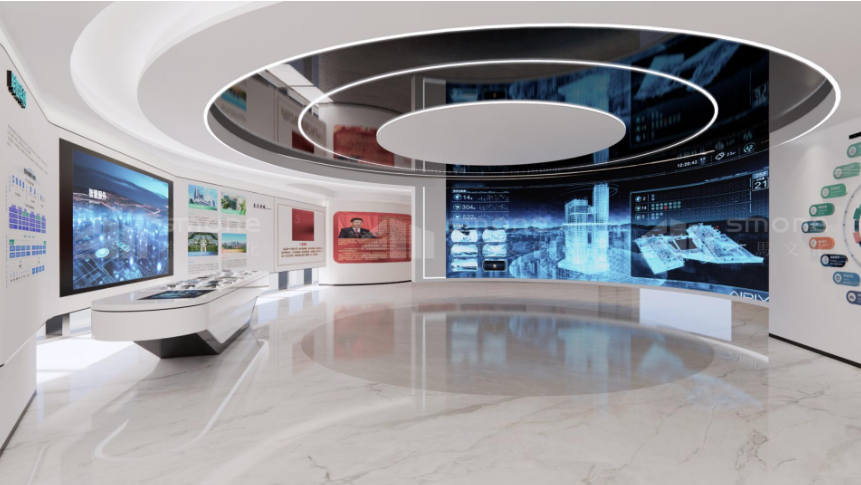
Rich creative multimedia presentation:
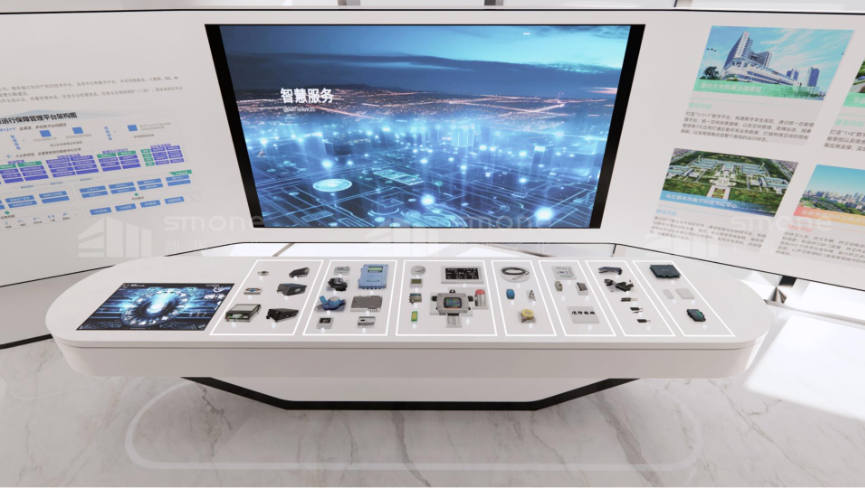
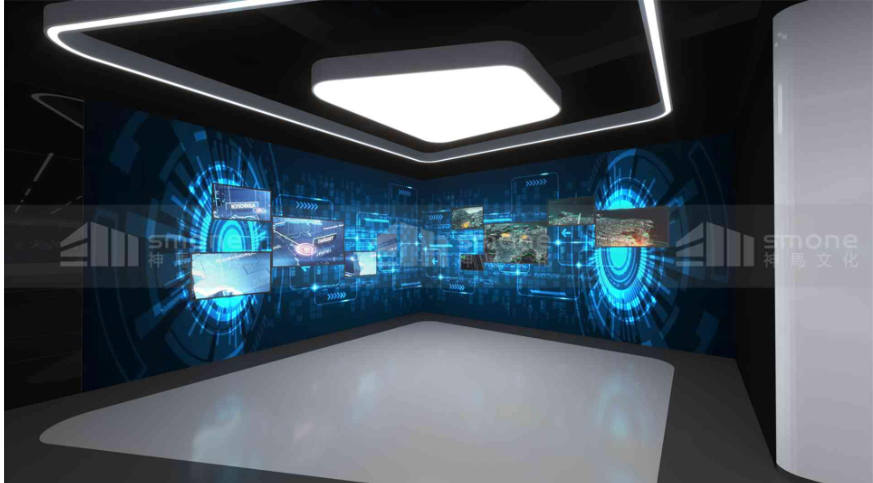
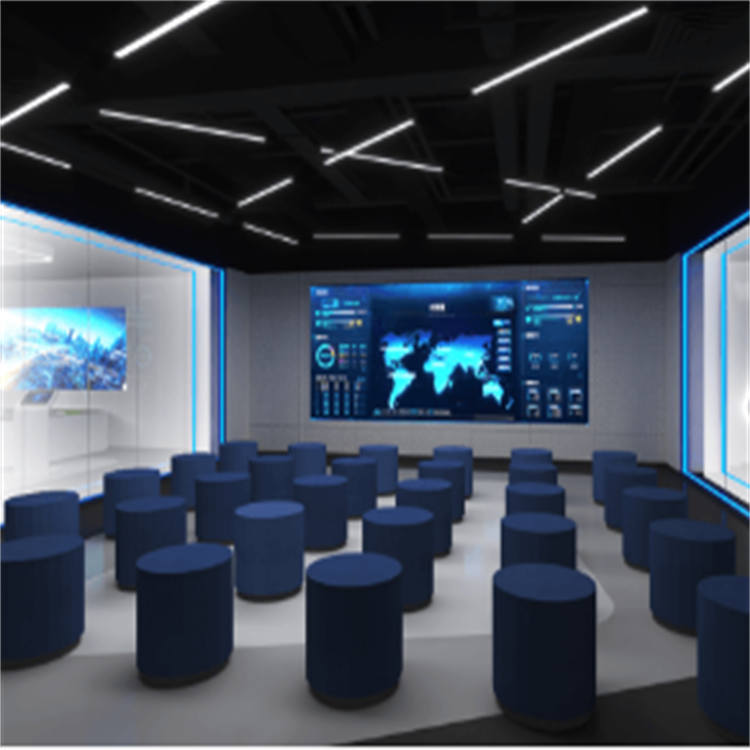
An attractive corporate exhibition hall would certainly benefit from the addition of creative multimedia. Incorporating creative multimedia exhibits in the display space can help visitors better understand the themes and content information. Such as interactive touchscreens, conductive ink devices, interactive simulation setups, and more.
In summary, the design of a corporate exhibition hall may seem simple at first glance, but it actually requires a deep understanding of the company to highlight its unique features and avoid盲目 copying. It also demands control over the presentation of materials and craftsmanship to achieve a favorable implementation effect.