









The Difference Between LED Aging Lines and LED Production Lines
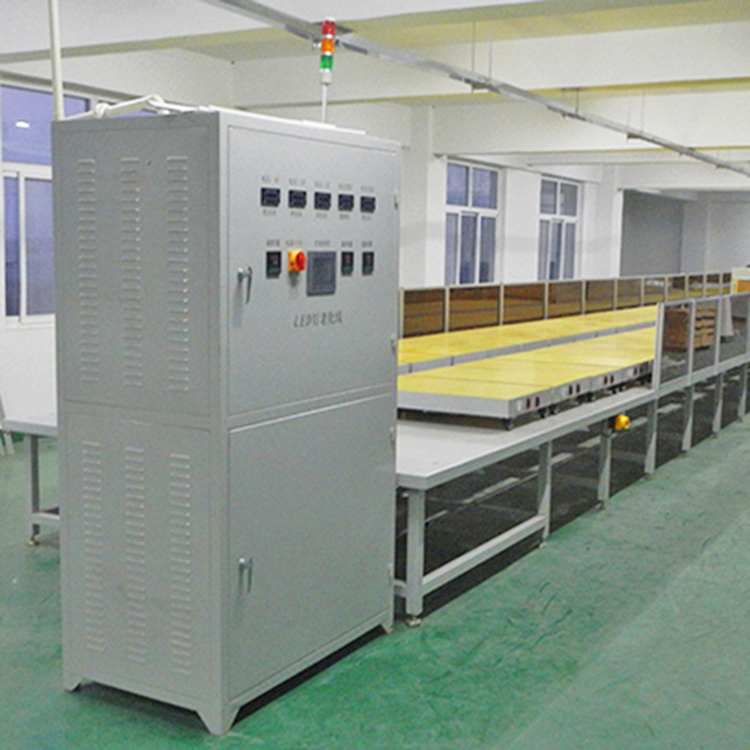
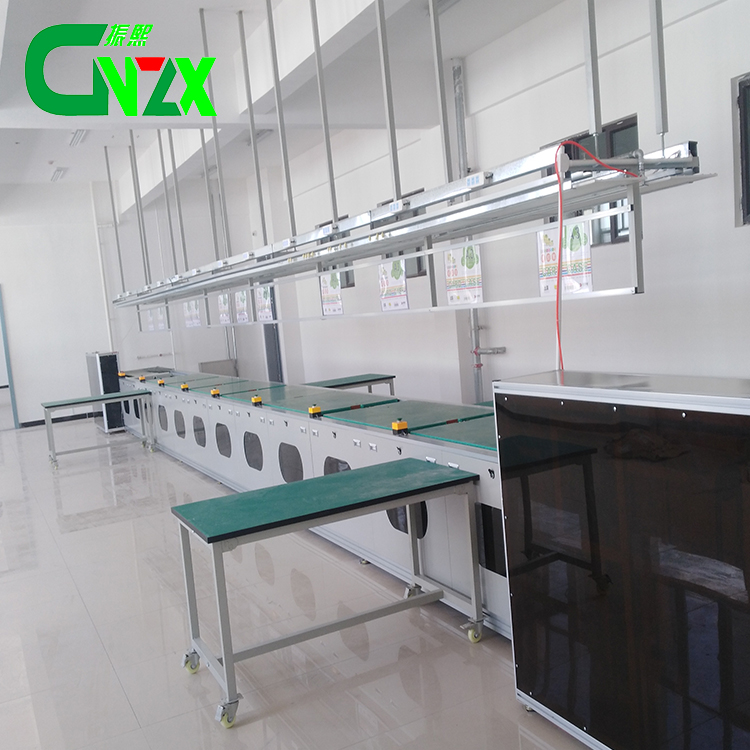
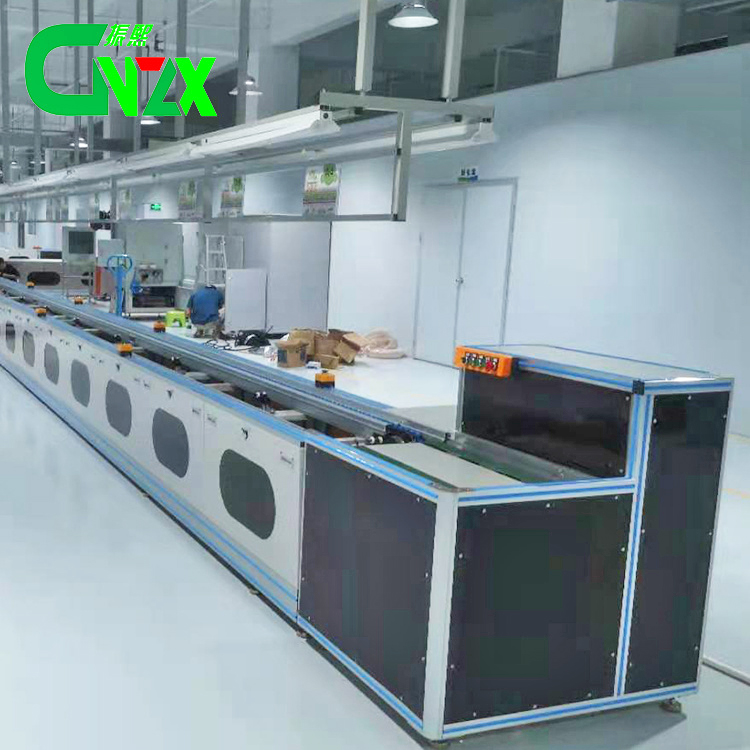
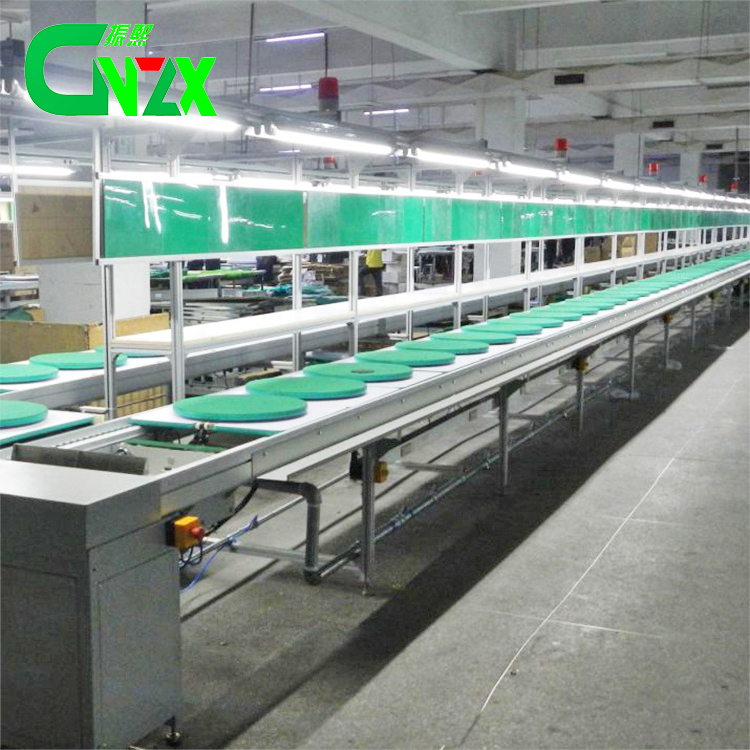
The LED aging line itself is also a type of LED production line, but its primary function is to conduct quality aging tests on LED products, and it is abbreviated as the aging line. The main function of the LED production line is to assemble and shape LED products into complete units.
The LED production line involves the continuous transportation of goods using conveying machinery along a specific route. It is widely used for transporting products over long distances, and it can also complete various technical operations during the transportation process. The LED aging line is primarily used for conducting aging tests on the quality and performance of LED products after they are assembled.
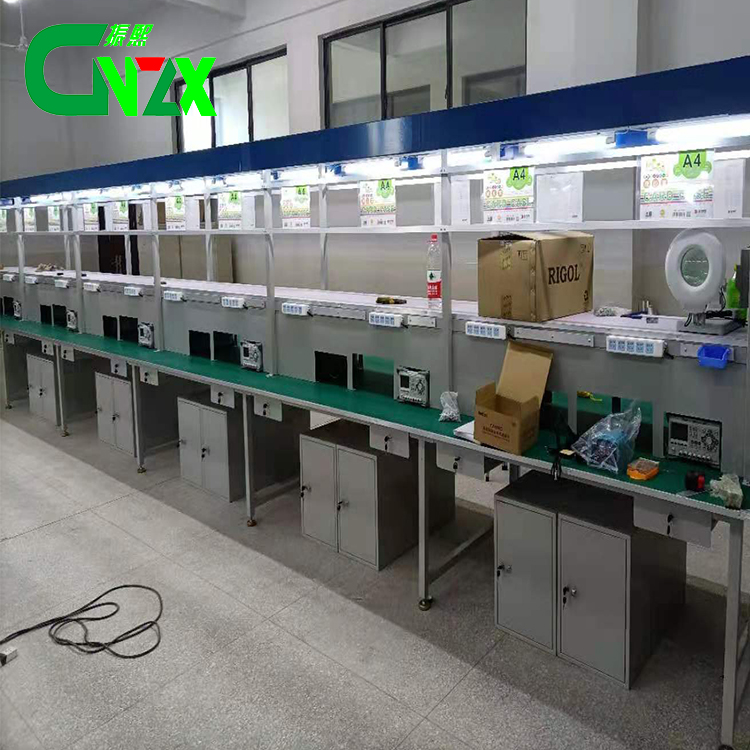
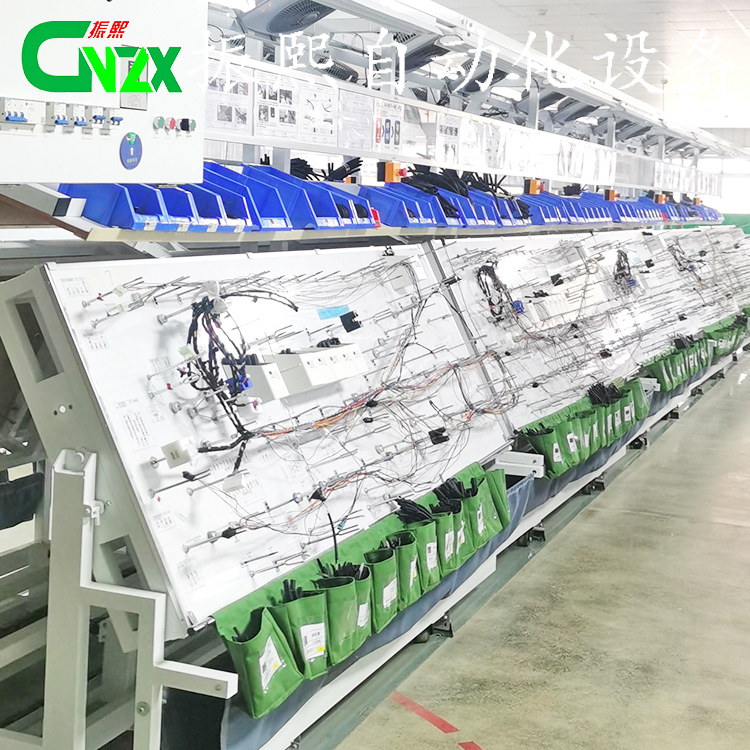
The LED production line is a useful combination of humans and machines, showcasing the flexibility of the equipment. It organically integrates the conveying system, auxiliary fixtures, dedicated machines, and inspection equipment online to meet the transportation requirements of LED products. The LED production line is indispensable for mass production in LED lighting manufacturing companies.
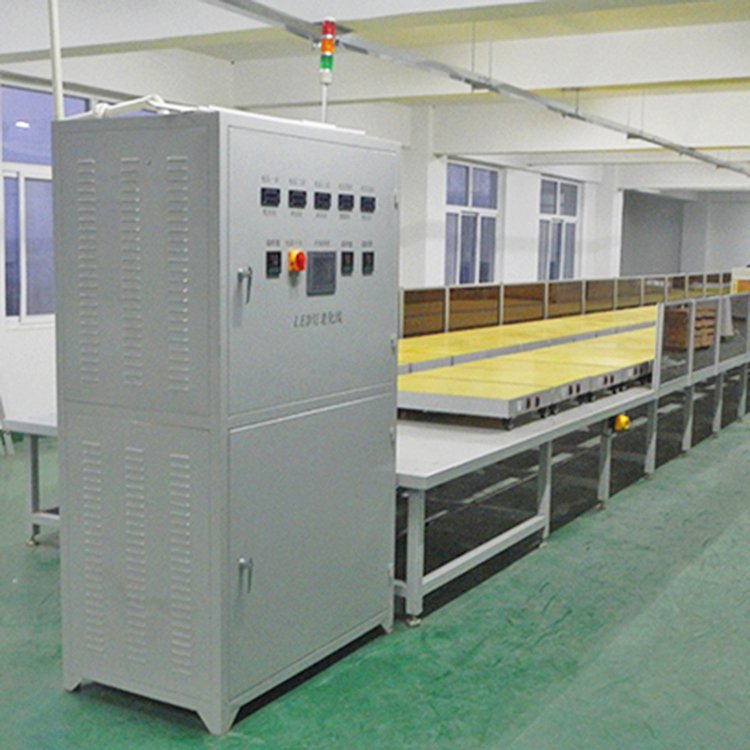
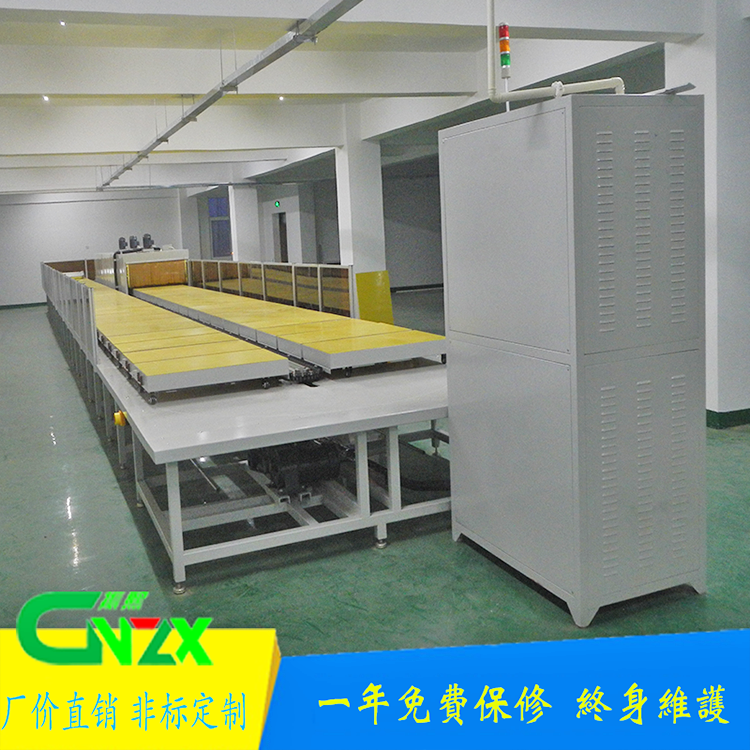
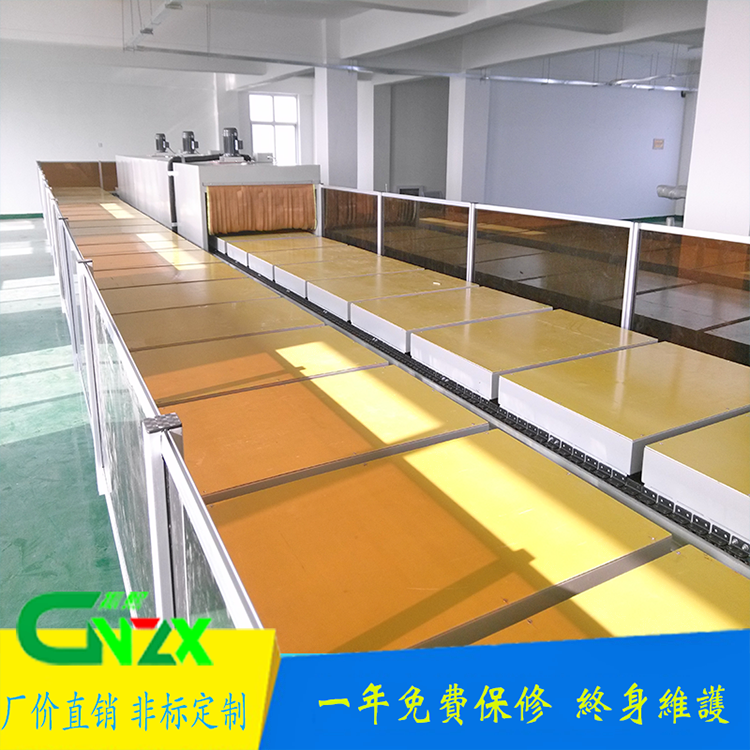
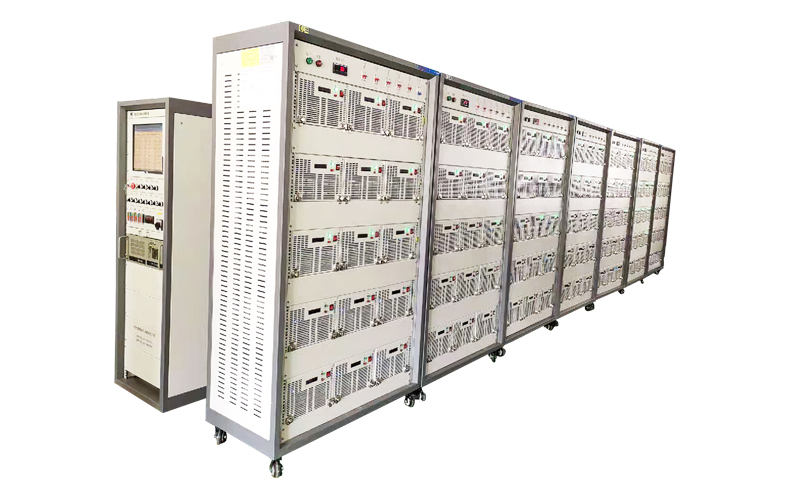
The LED aging line utilizes a curved plate roller chain as the transmission medium, and an insulating epoxy resin board as the chain plate, which connects various specifications of sockets on the surface through internal conductive methods. This continuously tests the product's quality and performance while in use, to detect defective products.
The LED production line is only useful when there is collaboration between the demanders and the machines, as it primarily serves for transmission. The LED aging line, by simulating various application environments, tests the functionality and lifespan of the products, thereby detecting the quality of LED lighting fixtures.
As the variety of LED lighting continues to expand, the demand for LED aging wires and production lines is also constantly evolving. This requires LED production line and aging line manufacturers to continuously understand the production needs of LED lighting, enhance innovation and technological research and development, and produce more high-quality and high-precision aging and production line equipment that meets the needs of different LED products.