






Waterproofing and leak repair堵漏防水
Poke holes using a chisel or hammer drill at the leaky areas, creating openings 4~5cm deep with a diameter of 2~3cm. After cleaning, mix R-1 material with water (ash to water ratio 1:0.3) until well blended, form the mixture into a ball (size similar to the hole), feel the warmth in your palm, quickly stuff the ball into the hole, and press it with your palm for a few minutes until it feels firm. Release your palm, then flatten it with a board. Perform wet curing after 15 minutes. Waterproofing and leak sealing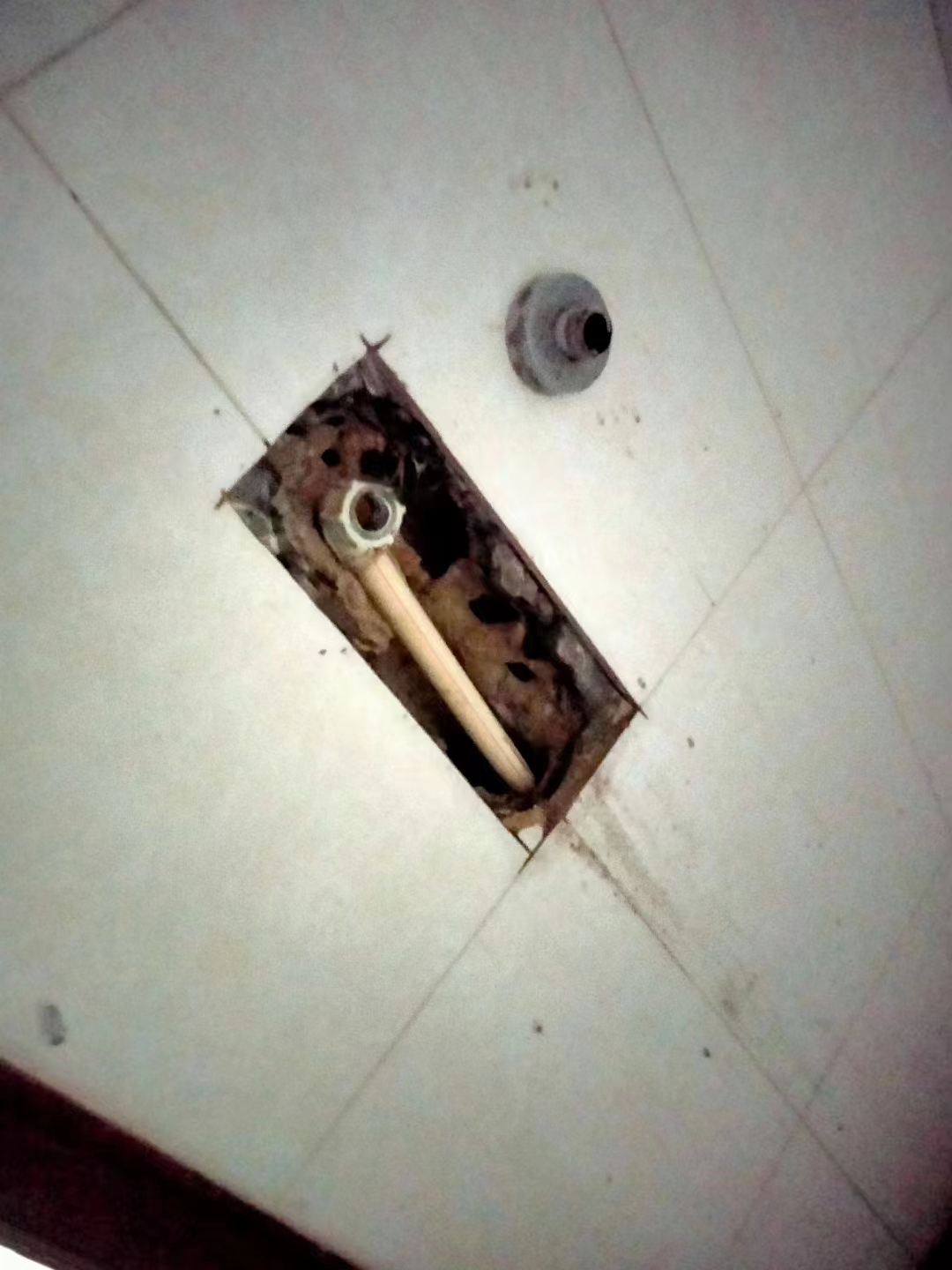
Waterproofing and leak repair, the traditional approach is to fix where the leak occurs. The new method, however, discards this tradition and focuses on external waterproofing for leaks in the tile layer. As long as the exterior tile surface is properly waterproofed, the effect is the same. Waterproofing and leak repair process: Use a knife to remove the waterproof cement or adhesive between tiles, then dry the floor with an oven for a certain period. Fill the grooves with cement of the same color as the floor (use white cement for white floors, black cement for black floors, etc., to maintain indoor aesthetics). Next, slowly inject a special CPC waterproofing agent into the cement. After 1-2 days, the waterproofing agent and cement will firmly adhere to the tiles, effectively forming a stable waterproof layer.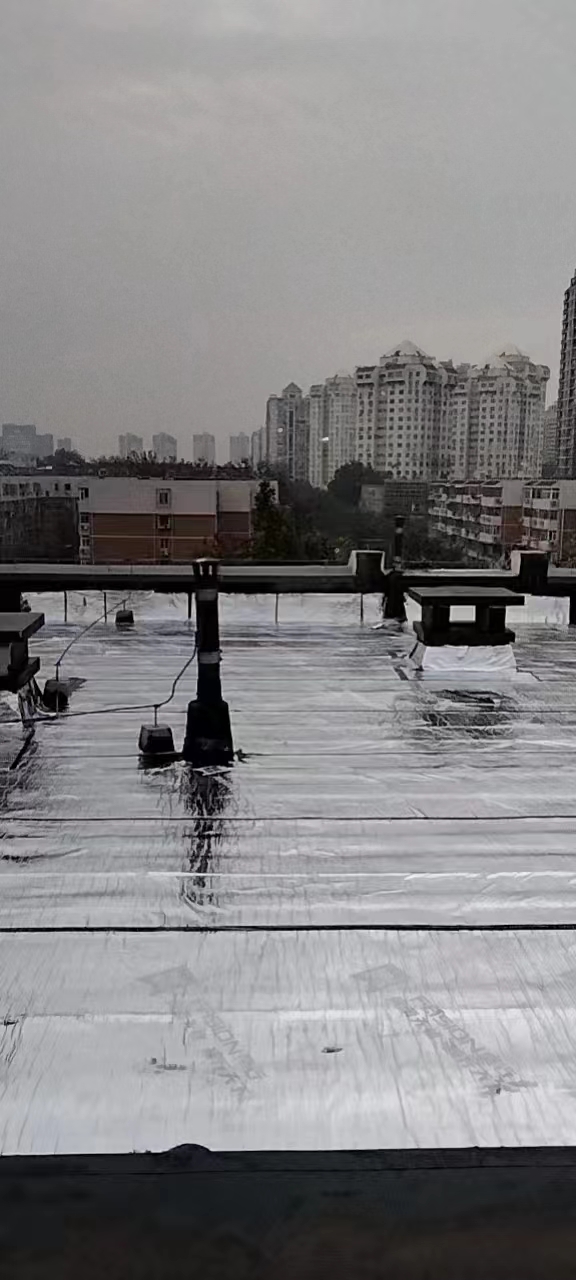
Waterproofing and leak repair traditionally means fixing the leak where it occurs. However, the new method of waterproofing and leak repair involves discarding this traditional approach. If the waterproofing layer leaks, the solution is to apply waterproofing and leak prevention measures to the tiles outside. As long as the outer tile surface is properly waterproofed, the effect is the same.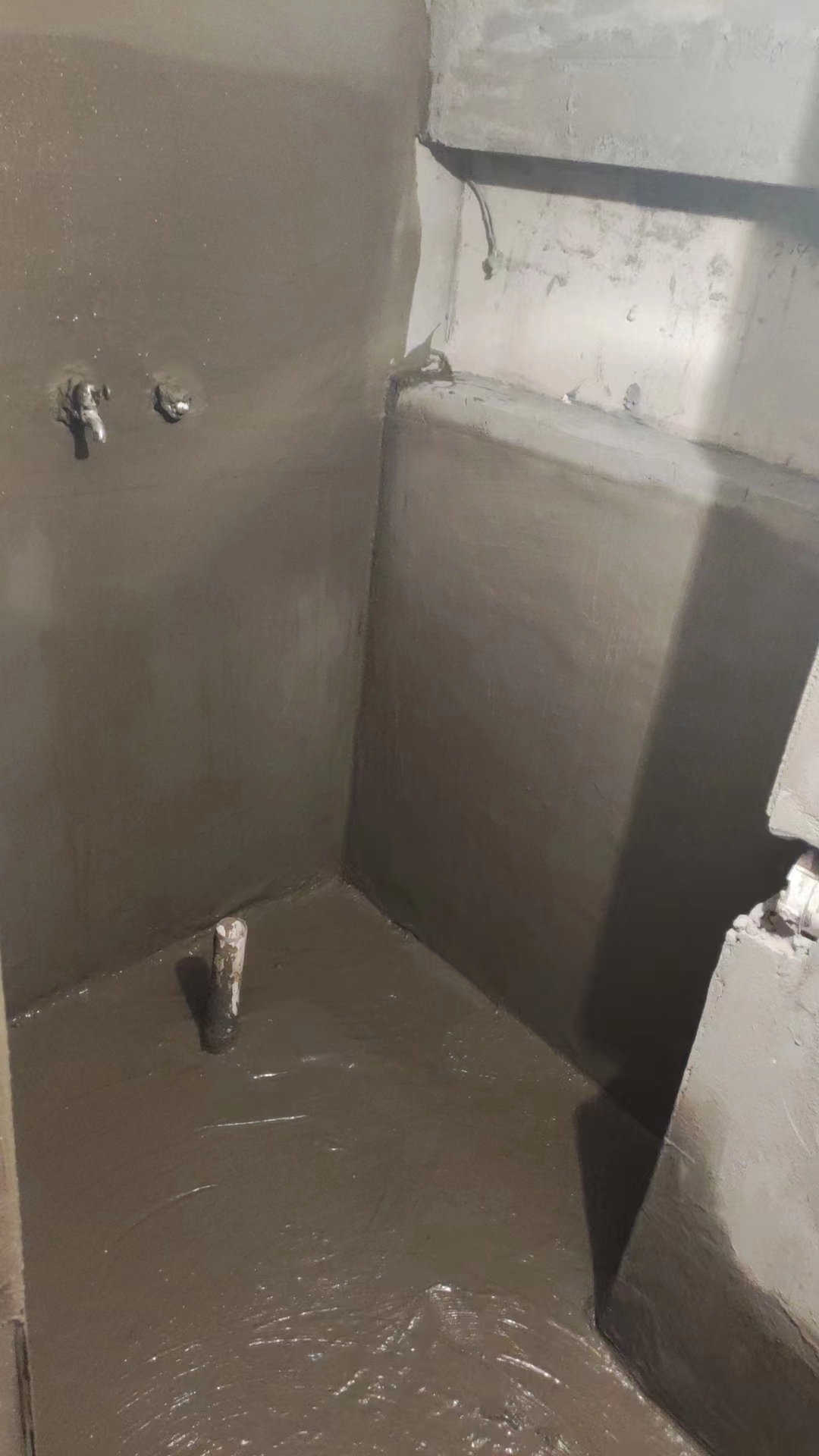
How to perform roof waterproofing and leak repair?
1. When doing your own roof waterproofing, it's equally important to clean the subfloor. Remove and dispose of any damaged waterproofing layers, ensuring a smooth surface for optimal waterproofing results.
2. Construction of an additional waterproofing layer on the roof: Typically, modified asphalt felt is applied using the hot-melt method as an additional layer prior to the construction of the waterproofing layer. This mainly involves applying the appropriate additional layer at locations such as the parapet, drain outlets, eaves, pipe roots, and inside and outside corners.
3. Transportation of materials for roof waterproofing: Materials are typically transported to the construction site using cranes to hoist them to the roof work area.
4. Perform film coating, followed by laying high molecular weight waterproof membranes, which is a crucial step. Pay attention to the roof slope, the overlapping joints of the waterproof membranes, and the local waterproofing treatment at eaves, pipe openings, and rainwater outlets. When encountering a parapet wall, roll the membrane up the wall, keeping the height under 250mm, and apply a 1:3 cement mortar slope water. Any components protruding from the roof, such as pipes, must have holes opened in the roof. To prevent leakage, the membrane should be flipped up, covered with cement mortar, or a galvanized iron sheet should be used to act as a water barrier, with the water runoff height not exceeding 200mm.
5. Rolled Sheet Material
(1) The thickness of the rolled material meets the design specifications. When cutting the asphalt waterproofing roll to the appropriate size and laying it, heat the interface between the base and the roll with a flame as the roll is unrolled. After even heating back and forth, roll and stick the roll forward while the material surface is just melted.
(2) The rolled materials should be laid from the eaves upwards, forming a bi-directional flowing slope with the overlap aligned in the direction of the flow. Start from the lower slope of the flowing slope, lay the materials according to the specifications by marking a baseline, and ensure the long edge of the materials is perpendicular to the direction of the flowing slope.
(3) The roll materials connecting the flat and vertical surfaces should be installed from bottom to top.
6. Hot Melt Seaming: Heat the overlap of the rolls with a spray, then bond them firmly while hot, until asphalt extrudes from the edges. The end joints are filled tightly with sealant.
7. Apply the first coat of waterproofing paint. Ensure the construction site is clean and dry prior to application. The paint must be evenly applied, with no omissions, firmly bonded to the base, free of cracks and bubbles, and the thickness must meet the product's specified requirements.
8. Apply the second coat of waterproof paint. Note that there should be a time interval between the first and second coats of paint, waiting until the first coat is completely dry before applying the second. The specific time is determined by when the paint feels dry to the touch.
9. Apply protective layer. To prevent damage to the waterproofing layer during subsequent construction, a protective layer must be laid on the surface of the waterproofing coating. The protective layer should completely cover the waterproofing layer without any omissions, be firmly bonded to the base, and should not have cracks, bubbles, or any detachment.
10. Water-tightness Test. The test is considered passable only after at least 24 hours of observation without any leakage.
Service coverage spans throughout all of Beijing: Dongcheng District, Xicheng District, Chaoyang District, Fengtai District, Shijingshan District, Haidian District, Shunyi District, Tongzhou District, Daxing District, Fangshan District, Mentougou District, Changping District, Pinggu District, Miyun District, Huairou District, Yanqing District, and surrounding areas for leak repairs.
Service Scope; Main Business: Waterproofing Projects, Waterproof Walls, Burst and Ruptured Pipes
Waterproof coatings, roof waterproofing, waterproof membranes, leak sealing, building waterproofing, bathroom waterproofing,
Exterior Waterproofing, Roof Waterproofing, Basement Waterproofing, Bridge Deck Waterproofing, Waterproof Joints, Waterproofing Construction
Roof leak repair, color steel house waterproofing, roof waterproofing repair with pressure-proof sealing and leak blocking,
Pipe leak reinforcement, exterior wall leak grouting, underground engineering leak prevention, building leak prevention, tunnel leak prevention.
Waterproofing and leak repair, flat roof leak repair, waterproofing and leak repair, house leak repair. Concrete structure settlement joints,
Expansion joints, deformation joints, and crack-sealing grouting construction. Roofing and balcony color steel roof installation
Terrace rooftop waterproofing, rooftop terrace waterproofing layer corrosion and aging; engaged in residential repair waterproofing and leak sealing services, undertaking all types of large, medium, and small-scale waterproofing projects
Engineering company. The company has accumulated extensive construction experience over the years.
We regard quality as the lifeblood of our company and are eager to establish a long-term and stable cooperative relationship with you.
We are dedicated to alleviating your concerns regarding leakage.
Perform waterproofing and leak repair updates.
Roof gutter grooves for waterproofing and leak repairs, sloping roof tiles for waterproofing and leak repairs.
Roof terraces and balconies of villas for waterproofing and leak repair, as well as roof crack leakproofing and renovation.
Leakproof and repair at the wall joints of color steel roof; leakproof and repair for flat roof.
All-in-one services. Honesty in character, dedication in work. Sincerely hope to serve you.
Service Targets: Government Agencies, Schools, Residential Property Management, Construction Companies,
WeChat Official Account

Scan to follow Official Account