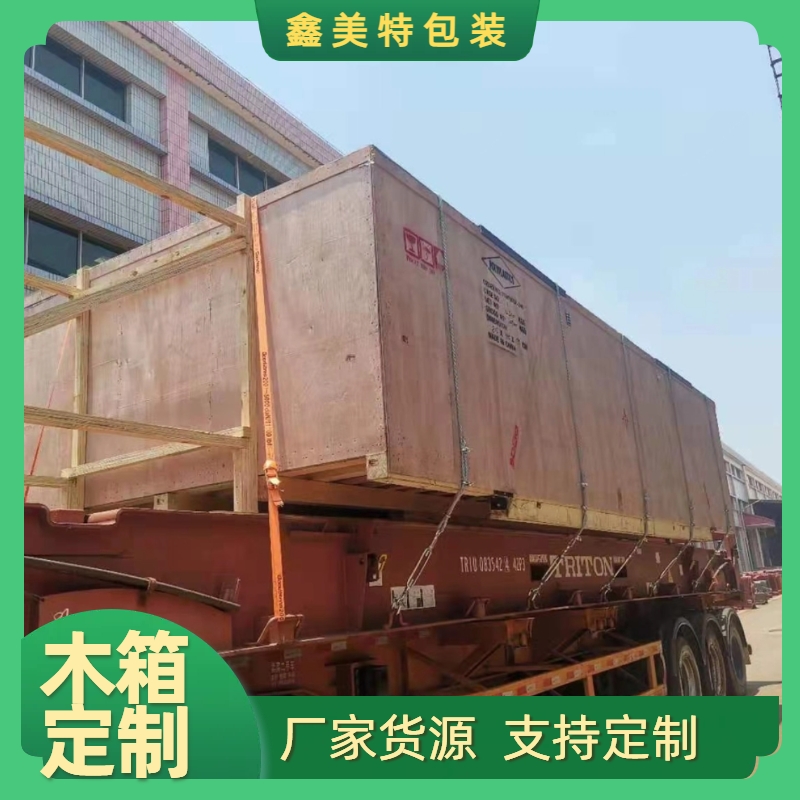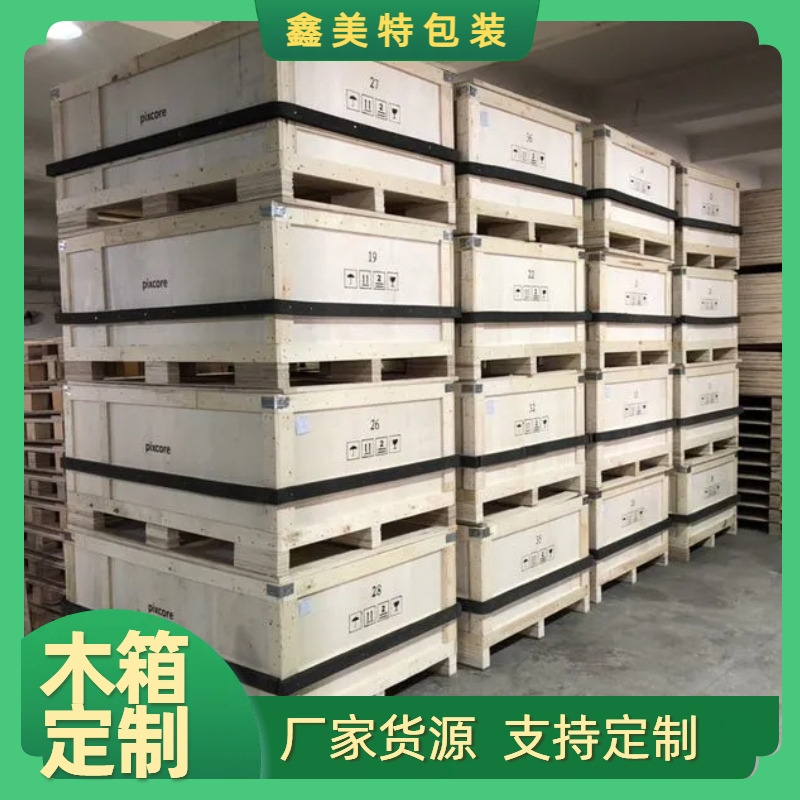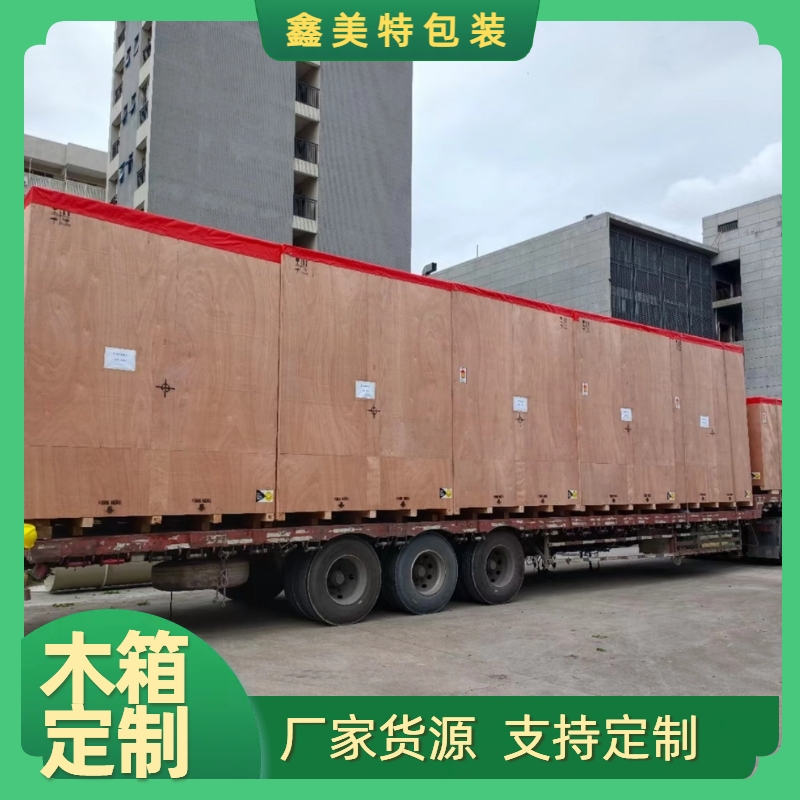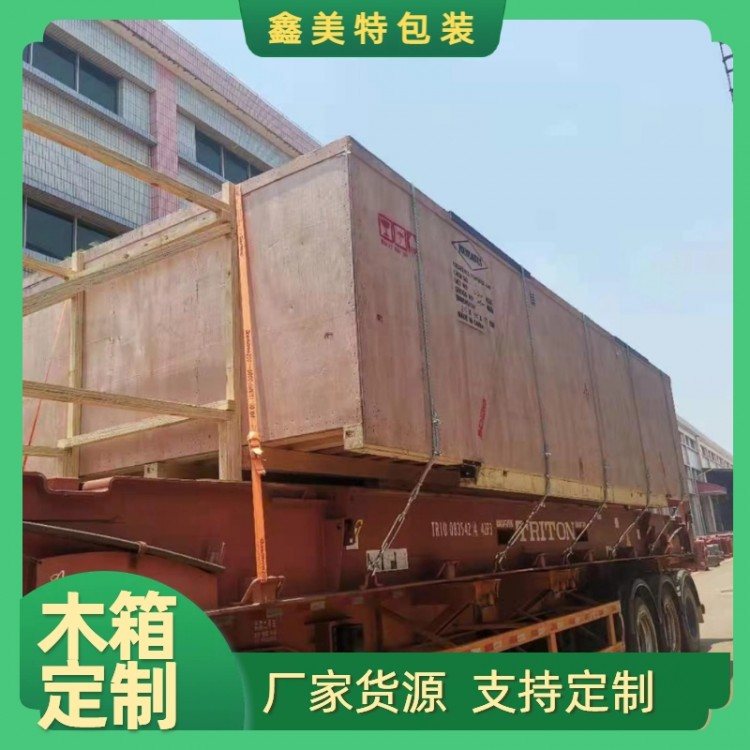

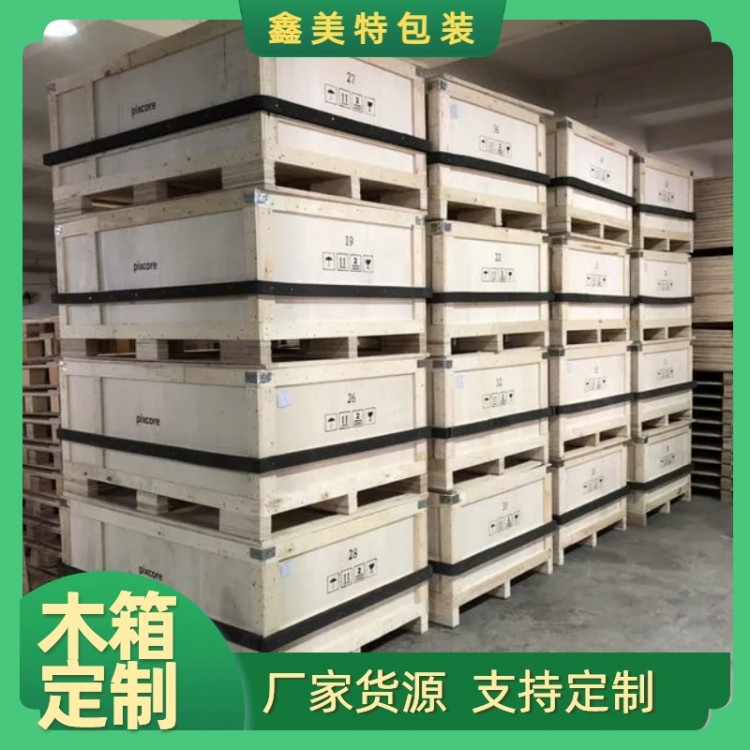
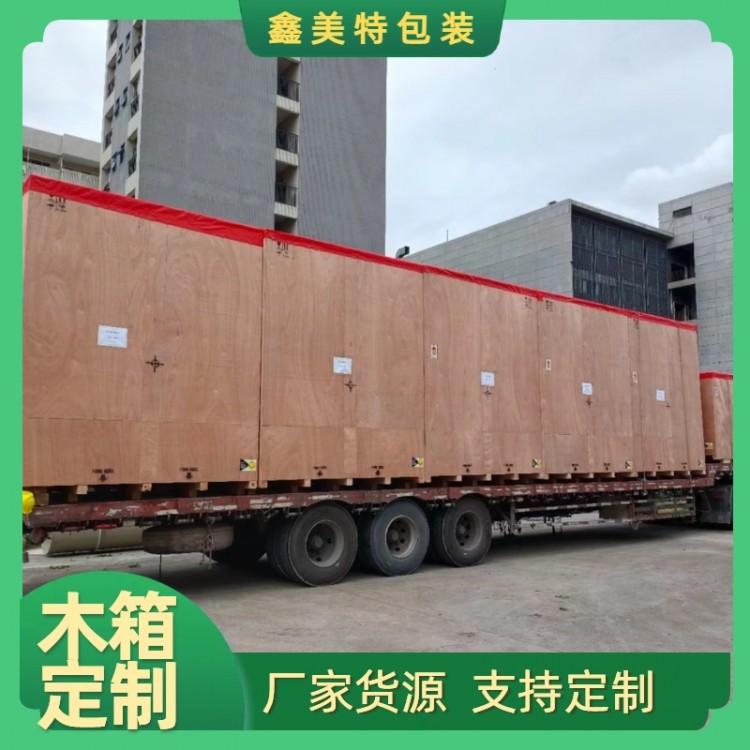







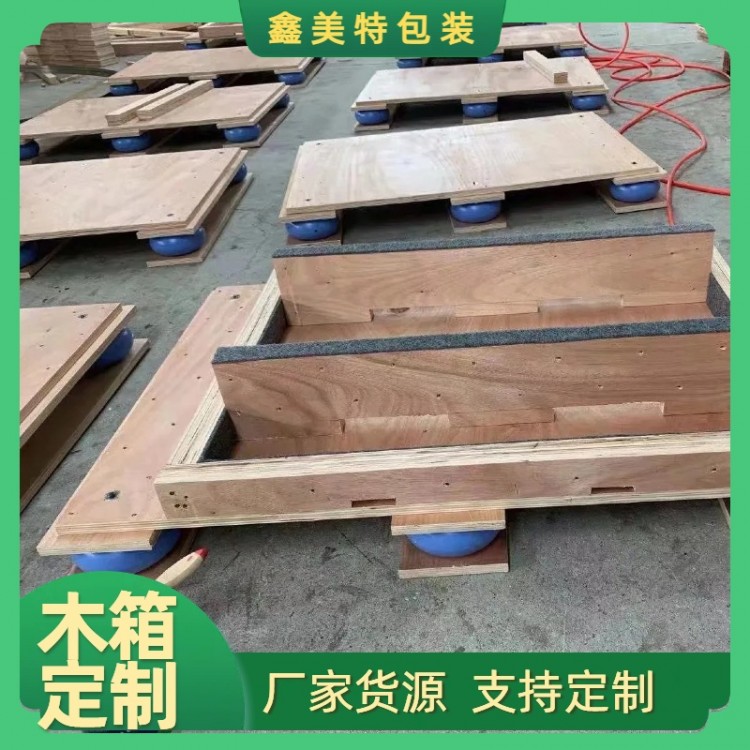
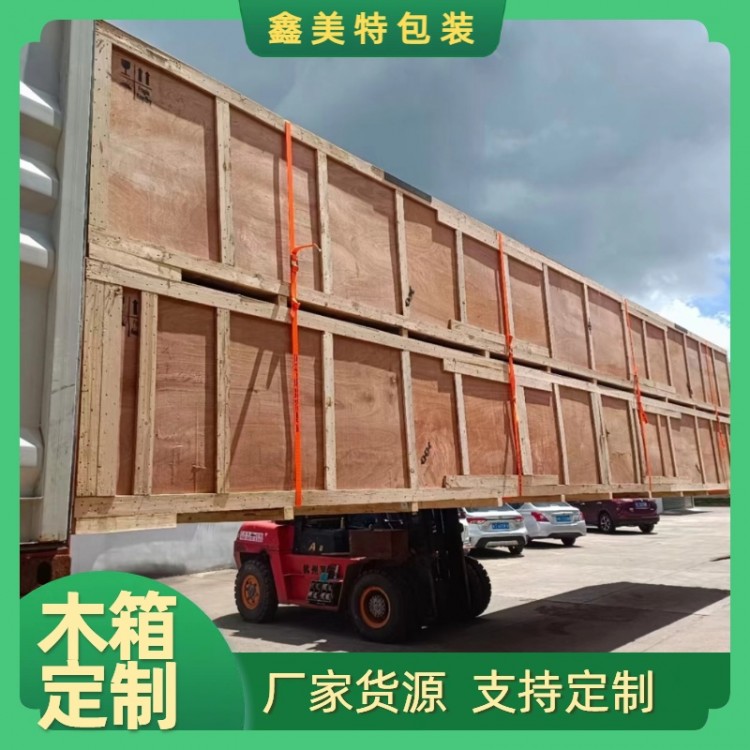
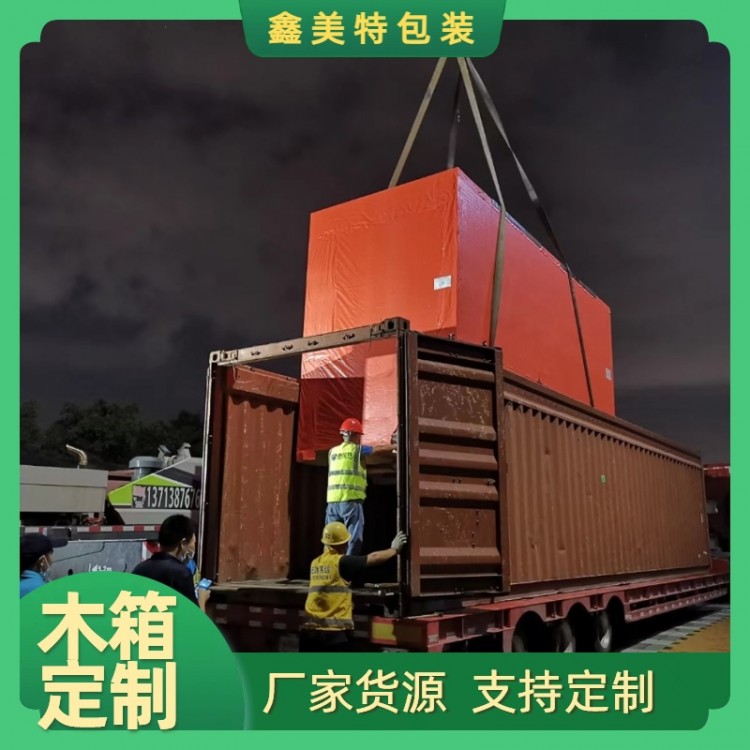
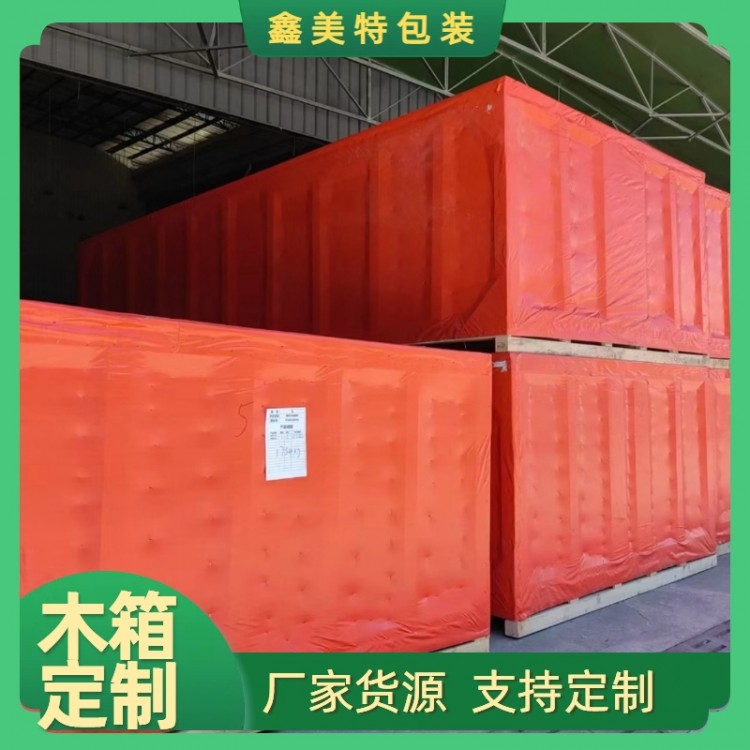
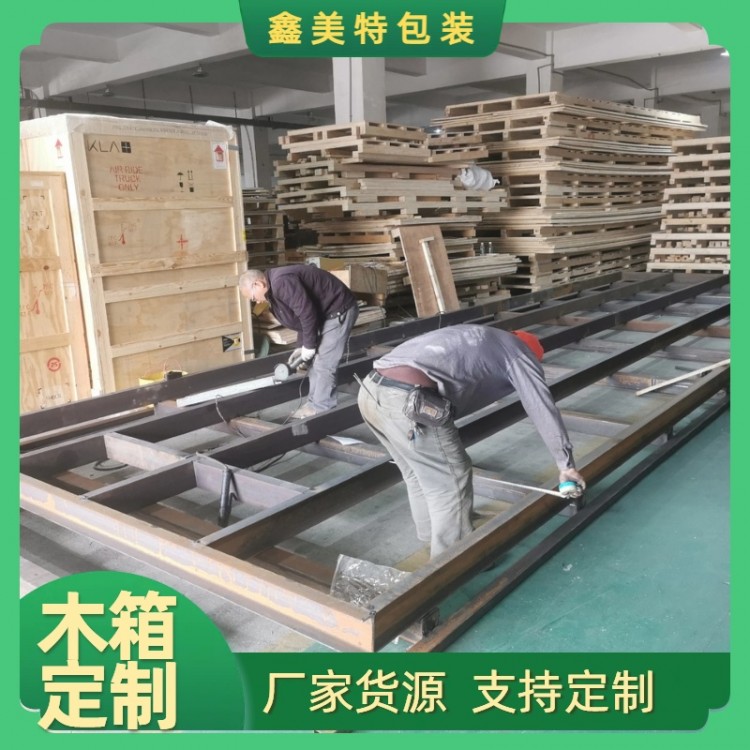

As trade continues to expand, the market for wooden packaging boxes is also growing. As a highly favored packaging material for long-distance transportation, wooden packaging possesses its unique characteristic of being a carrier for harmful organisms. The quarantine of wooden packaging for import and export has become an industry consensus.Recently, a company was subjected to administrative penalties for this.According to information from the Inspection and Quarantine Bureau staff, during the on-site inspection and quarantine of two batches of imported electrical components, the Lechuan Office of the Bureau discovered that the packaging used to support the goods was made of natural wood, which is a legally required quarantine item. The enterprise failed to declare this on the import goods inspection declaration form. The Lechuan Office has enforced penalties in accordance with relevant laws, marking the first administrative penalty notice issued by the Lechuan Office of the Inspection and Quarantine Bureau this year.According to the introduction, incoming wooden packaging is one of the main carriers for harmful organisms entering our country from abroad, carrying various harmful organisms that threaten the ecological balance of agriculture and forestry. It has always been a focus of quarantine and prevention at ports. For instance, in 2013, the quarantine authority inspected 7,525 batches of incoming wooden packaging totaling 202,100 pieces, from which 175 species of harmful organisms were intercepted, including 4 quarantine harmful organisms with 44 occurrences: the two-pronged longicorn beetle, the longicorn beetle genus (non-Chinese species), the double-spined longicorn beetle genus (non-Chinese species), and the wood-boring beetle genus (non-Chinese species). The situation of harmful organisms carried by incoming wooden packaging was particularly prominent.It appears that the reason for the discrepancy in the company's declaration is that they failed to confirm the type of packaging with international suppliers, merely following previous routines without keeping up with the change in packaging types. In response, the inspection and quarantine department once again reminds that import and export enterprises should study inspection and quarantine policies and regulations to prevent errors in declarations caused by non-intentional factors; import enterprises should enhance trade communication with foreign clients, accurately grasp the actual conditions of goods, and guide clients to comply with China's inspection and quarantine laws and regulations to avoid unnecessary losses such as goods being detained, destroyed, or returned. Additionally, the inspection and quarantine department will increase penalties for violations of inspection and quarantine laws and regulations, and incorporate the penalty information into the enterprise's credit management system, as an important basis for implementing enterprise classification management.
WeChat Official Account

Scan to follow Official Account