









Salt for WashingHCl), the main purpose is to remove rust. As the number of washes increases, the wash poolHClConcentration will necessarily decrease, simultaneously generating a large amount ofFeCl2AndFeCl3And other impurities. The wastewater after washing is mainly to reduce the concentration of iron ions and adjust the water quality. Depending on economic considerations, the priority is to add hydrated lime to the wastewater pond. This can generateFe(OH)3AndFe(OH)2Deposited and removedFeIon. The main components in hydrated lime include:OH-Can neutralize wastewaterH+, allowing the waste liquid to reach neutrality. The aforementioned methods belong to the chemical precipitation method in wastewater treatment. The water washing process primarily involves cleaning the washing liquid from the surface of steel pipes, resulting in wastewater that is acidic and contains iron ions. By adding lime, the mixture is allowed to settle, and the supernatant can be recycled for reuse. In the phosphorus chemical process, the main pollutant in the wastewater is radium ions. Upon adding lime, they formCa3(PO4)2Deposition, adding an excessive amount of quicklime to remove the phosphorus content in the wastewater.The phosphatizing process followed by water washing primarily removes residual root and hydrogen ions, utilizing slaked lime. Waste water treatment mainly involves neutralization methods and chemical precipitation.
Wastewater Quality Characteristics
(1The system's wastewater primarily consists of rinse, degreasing, phosphating, and paint spray wastewater, with degreasing, phosphating, and paint spray wastewater being discharged intermittently and having particularly high pollutant concentrations.
(2WastewaterBOD/CODValue approx.0.3Poor biodegradability.
(3The waste water from the paint spray process contains a large amount of highly sticky paint residue.
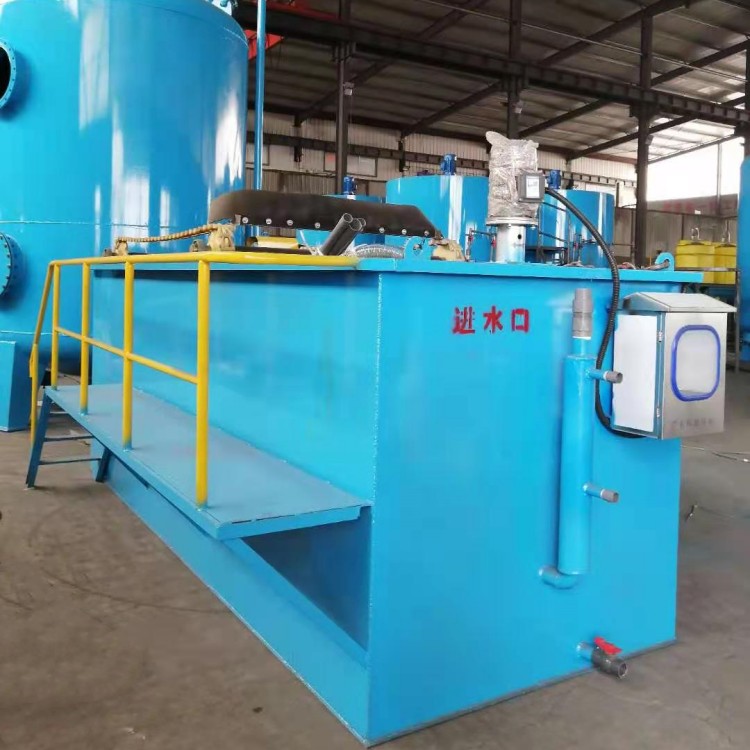
★ Chemical Coagulation and Air Floatation Method for Phosphatizing Wastewater Treatment Equipment
Utilizing the buoyancy effect of high-pressure dissolved air water, adding an appropriate flocculant achieves the purpose of solid-liquid separation. Operation is stable, management is convenient, and daily operational costs are low.
★ Deep Filtration TechnologyComposed of multi-media filters and activated carbon filters, it effectively removes suspended particles, organic matter, heavy metal ions, and other pollutants from water, ensuring the effluent meets the third-level discharge standards.
Process design is as follows: De-oiled, phosphated, and painted wastewater is first collected through drainage pipelines, then intercepted by mechanical grates before being channeled into separate sedimentation pits. It is then pumped to their respective pretreatment systems: the first step is to remove a large amount of high-load pollutants such as oil, phosphates, and paint sludge from the wastewater. The treated water is then transferred to an intermediate pond and lifted to the mixed wastewater equalization tank by a dosing pump., Mixed with the rinse wastewater in a proportional quantity, the mixed wastewater is then pumped to the secondary pretreatment equipment.(Air flotation: PAM、PAC、), Water flows out from the intermediate reservoir. The water from the intermediate reservoir is pumped to the multi-media filter and activated carbon filter.,Further intercept and adsorb suspended particles and organic matter, Ensure water quality meets discharge standards. The effluent enters a clear water tank, part of which is reused as aeration water for flotation. A portion is discharged after meeting standards. Sludge from various sedimentation and flotation treatments is transferred to a sludge pond, where it is concentrated before being dried and transported for disposal via a press filter.
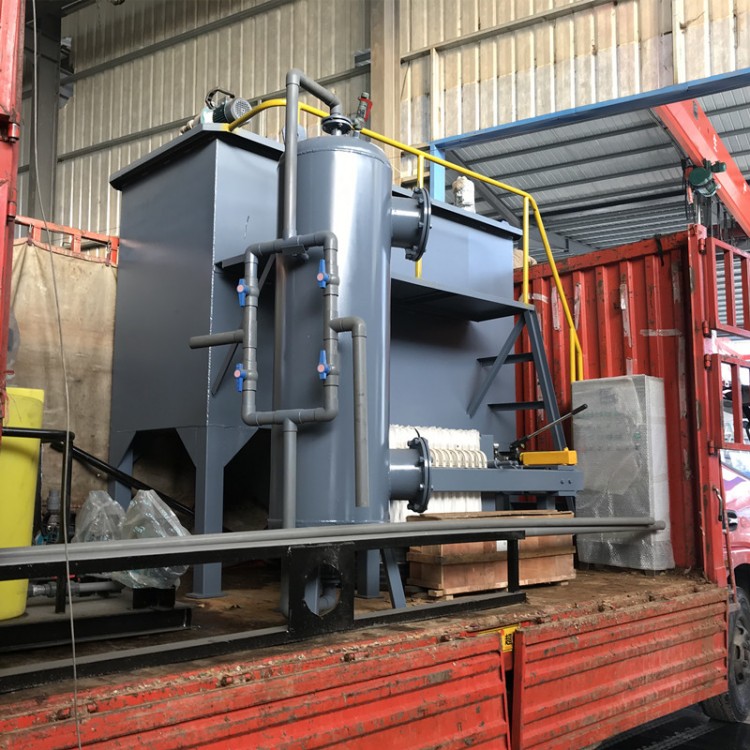
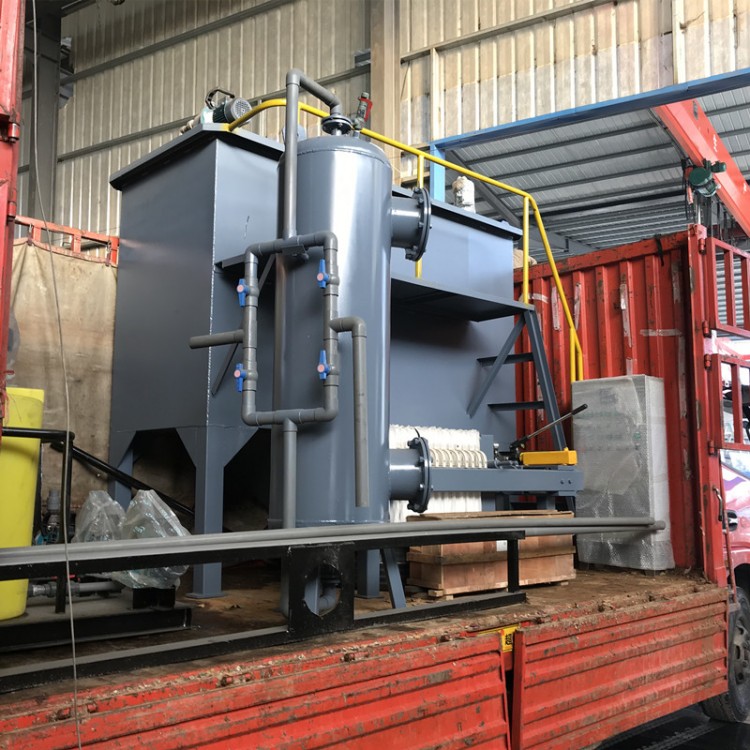
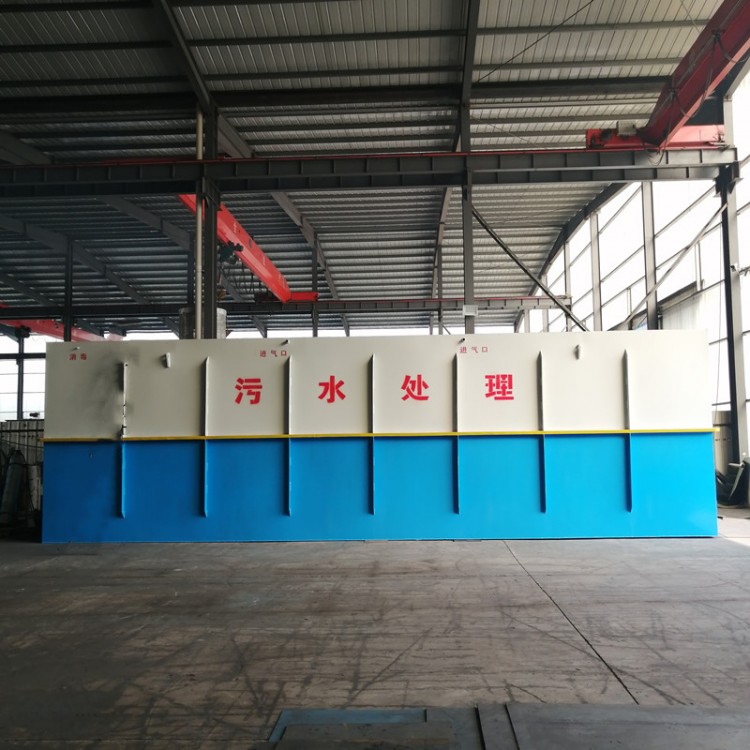
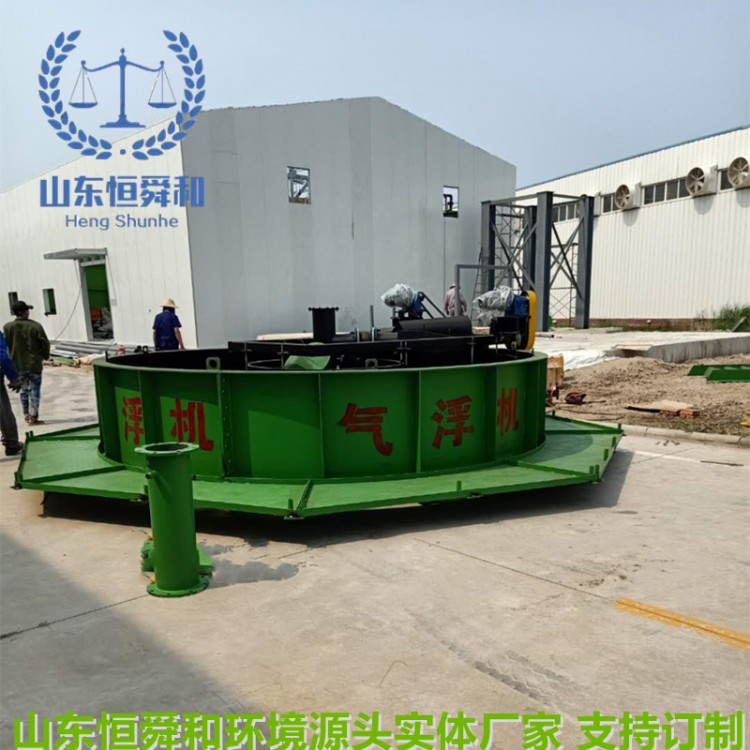
The aeration device in this process uses a horizontal flow flotation unit, which offers advantages such as flexible operation, small footprint, and high-quality effluent. This machine is an ideal equipment for solid-liquid separation of wastewater, achieving purification.
Aeration flotation water purification utilizes the process of dissolving a large amount of gas into water under high pressure, creating numerous tiny bubbles upon sudden减压. These bubbles adhere to impurities that have undergone mixing and reaction, resulting in flocs with a lower specific gravity than1The mixture floats to the surface as foam (a three-phase mixture of gas, water, and particles), thereby separating pollutants from the wastewater, achieving purification. The wastewater treated with coagulant and the dissolved air water output by the Nicor pump simultaneously undergo air flotation and internal reaction coagulation. The process of transforming the original colloidal particles into flocs is the working process of this machine. The entire reaction principle involves diffusion, coagulation hydrolysis, destabilization of impurity colloids, destabilization of colloidal aggregates, and collision aggregation of microflocs, which reduces the particle diameter of colloidal particles.0.001Micron aggregation2Millimeter flocs rapidly float to the surface. Sludge is periodically removed by a scraper, with the air-float water entering a定量调配池 for precise dosing.