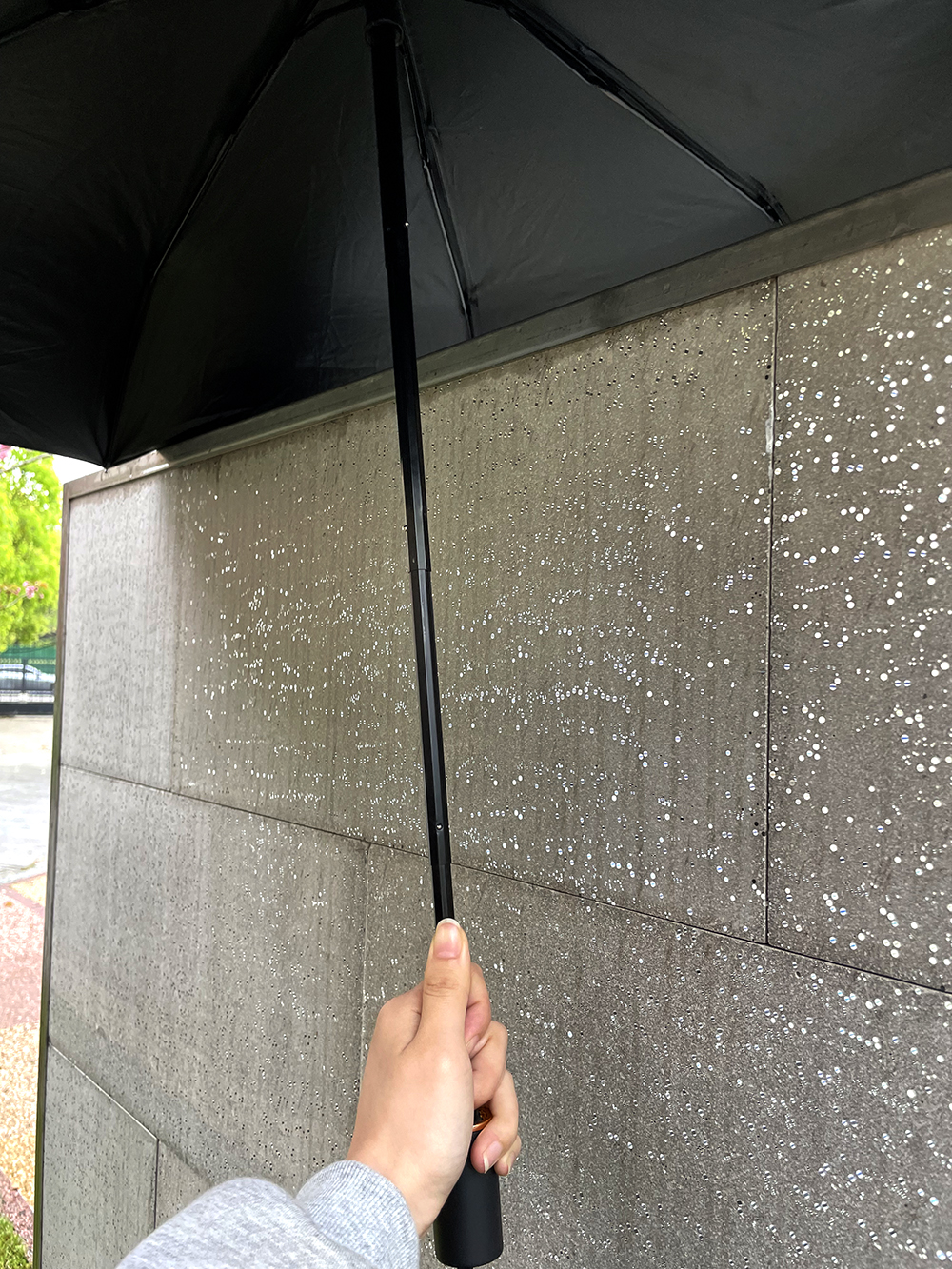









Ruidun translucent concrete bricks can be customized in various forms to create decorative bricks with different effects.

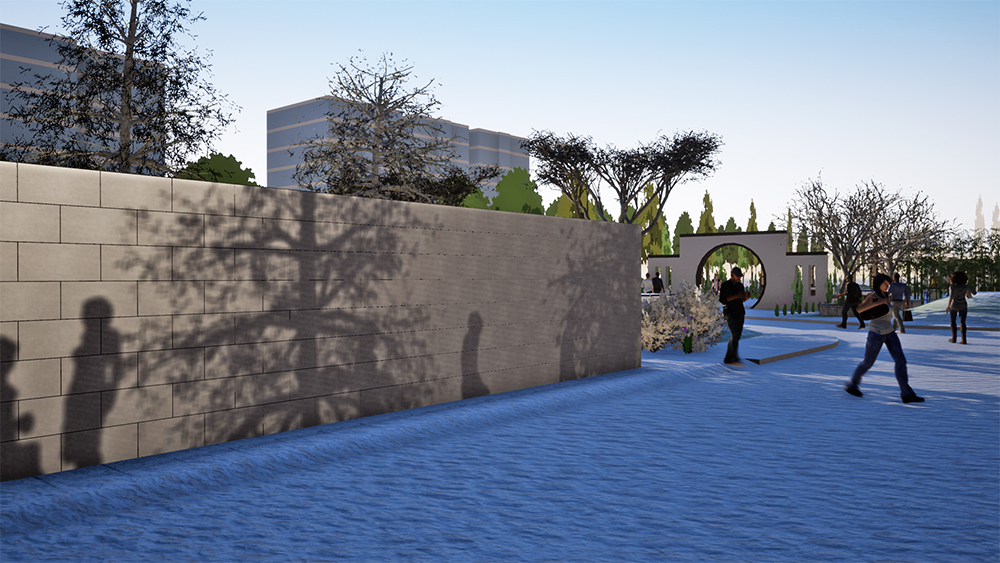
During the day, sunlight penetrates through the walls into the interior, improving lighting and saving electricity for illumination. At night, the building's internal lighting can pass through the walls to the outside, allowing the silhouette of indoor occupants to be seen, adding vitality and dynamism to the structure. Transparent concrete scatters natural and sunlight across the full spectrum of colors provided by the concrete panels. Sunlight serves as the light source. If this panel is installed in a window, it eliminates the need for any artificial lighting. Natural light brings decorative surprises to the transparent concrete, which can be used both in outdoor landscapes and indoor decorations. Transparent or semi-transparent concrete operates based on the principle of "nano-optics," displaying its unique decorative properties when creating contrasts of light and dark under natural light.
Product Specifications: 300*600*120
Light transmission method: scattered, regular
Transmittance: 10~15%
Strength: C40~45
Surface Treatment: Polished, Transparent Concrete Protective Agent
Available for customization in larger sizes upon request.
Translucent cement, a new type of decorative material, is composed of a large amount of optical fibers and exquisite concrete. It offers transparency like glass but maintains the strength of traditional cement. It presents completely different decorative effects in the presence and absence of light. Moreover, translucent cement can adapt to changes in lighting, showcasing varying artistic and aesthetic features. This decorative effect makes it particularly suitable for applications in changing environments, such as during the day and at night.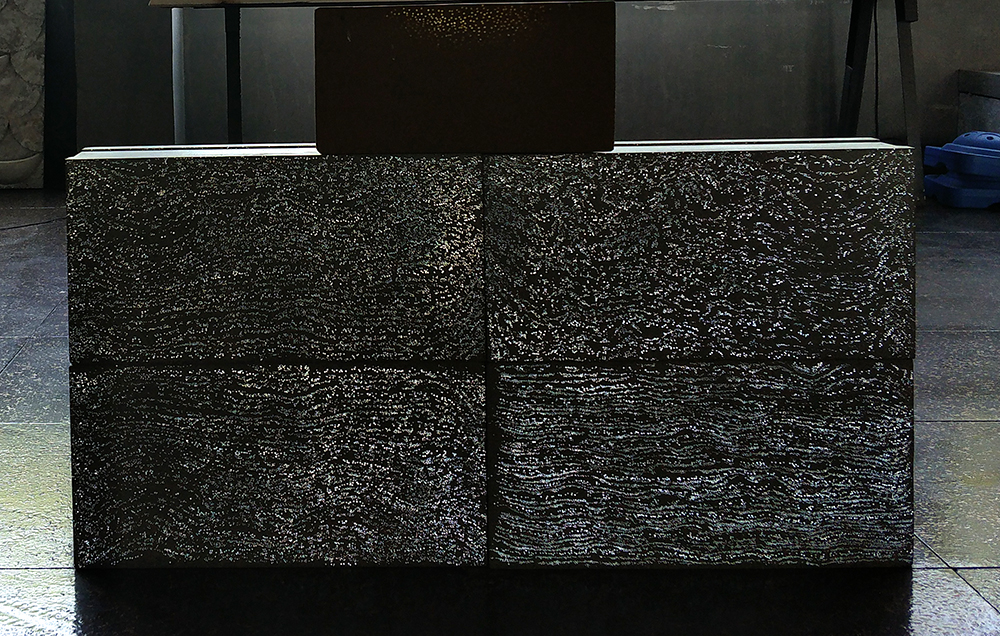
With the advent of translucent materials, the thickness of walls is no longer a limiting factor. That is to say, when such translucent concrete panels are thick enough to be used as building materials, the technical feasibility of constructing translucent concrete buildings becomes possible. Light passes through the translucent walls, allowing sunlight to enter the interior during the day; at night, the building's internal lighting becomes semi-transparent to the outside, casting the activities of people on the walls—resembling a shadow play, creating a dreamlike artistic effect.