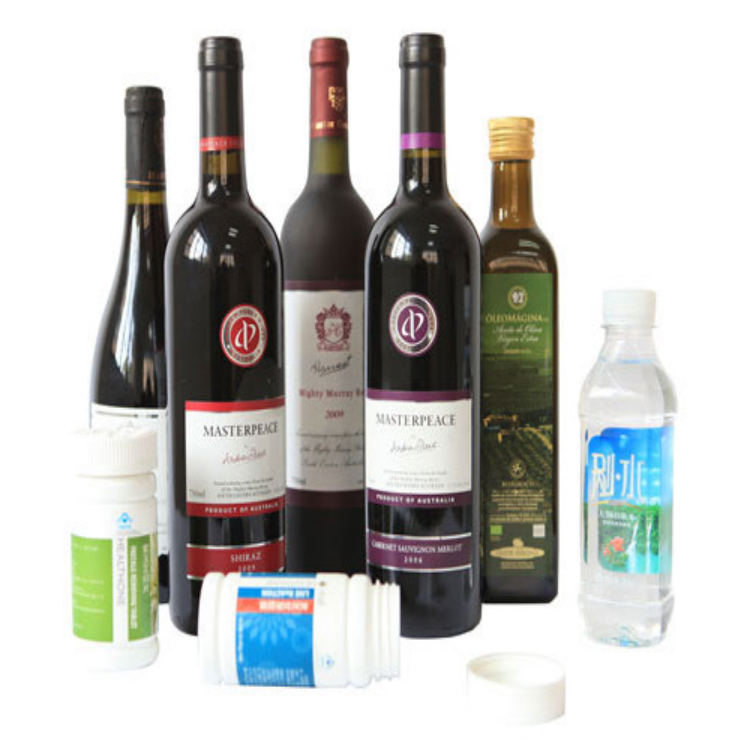















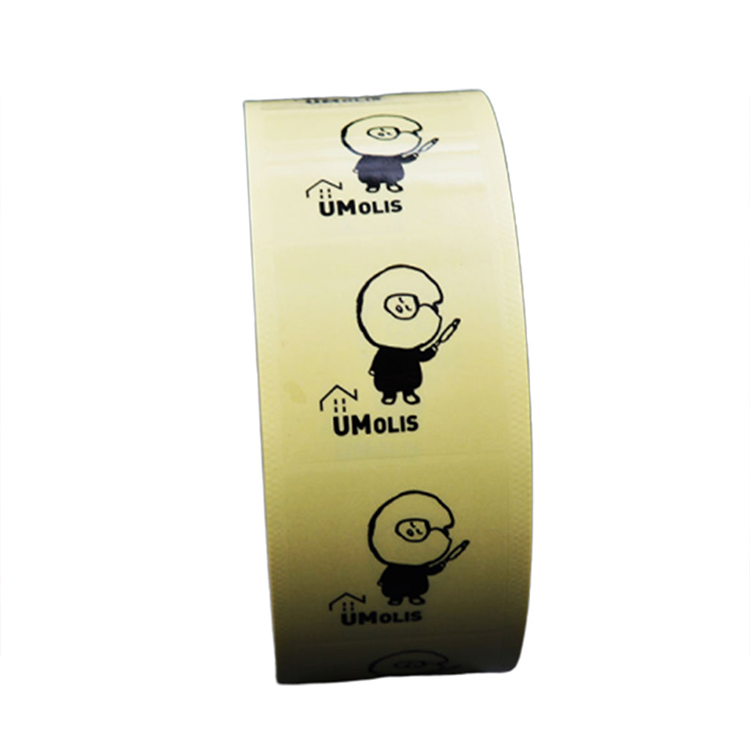
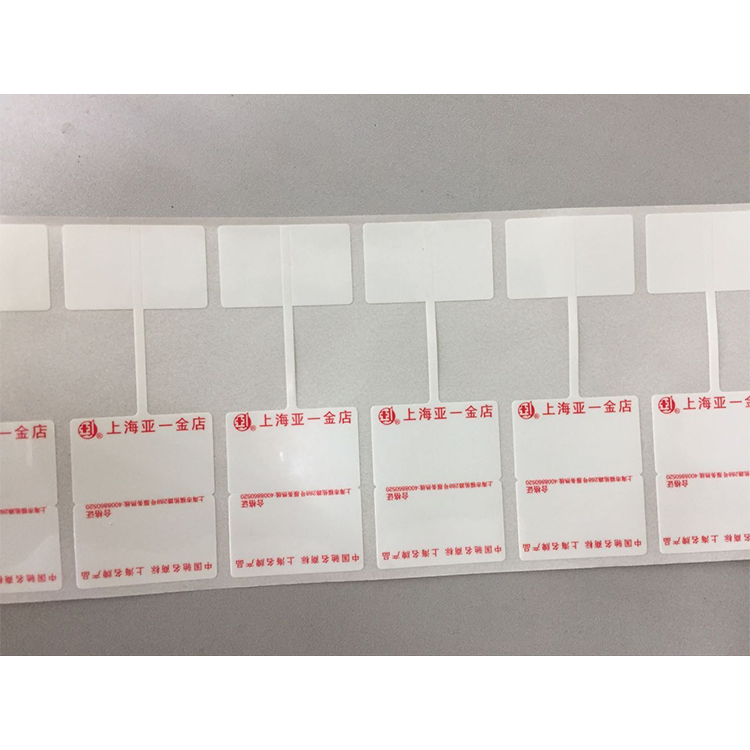

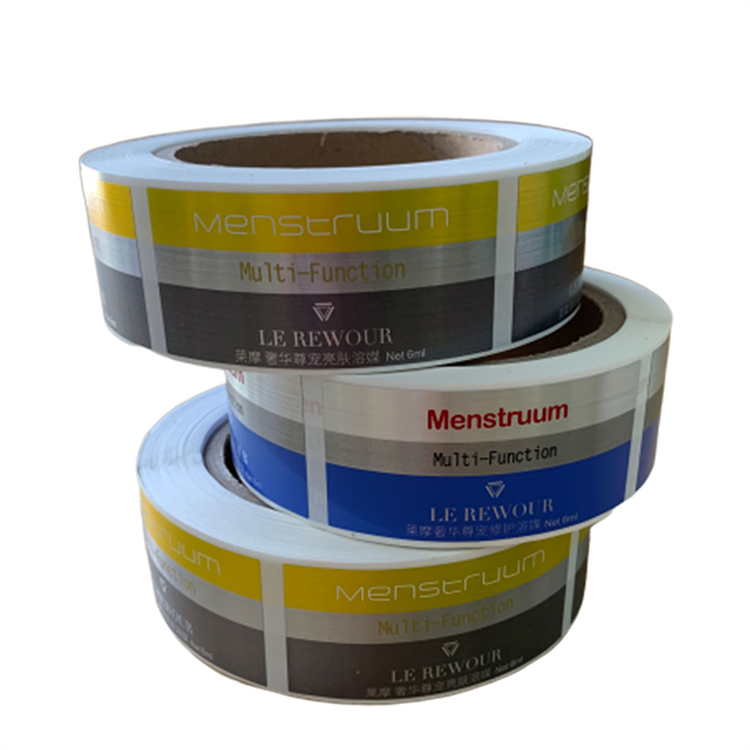

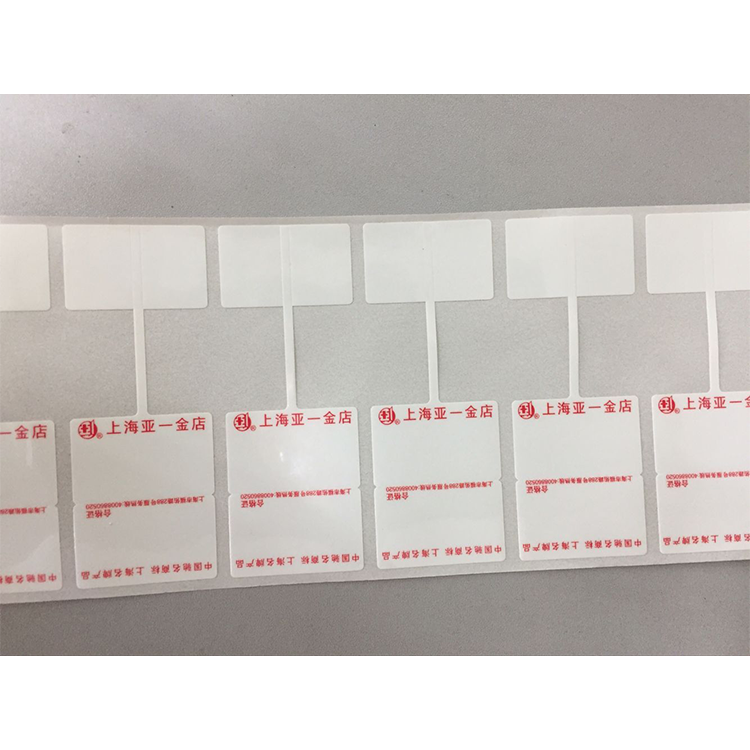
Food labels refer to the text, graphics, symbols, and all explanatory matter on pre-packaged food containers. Pre-packaged food is food that is预先 packed into containers for delivery to consumers. The contents of food labels must not describe or introduce food in a misleading, deceptive, or erroneous manner, nor should they use direct or indirect suggestive language, graphics, or symbols to confuse consumers into associating a food or its characteristics with another product. Additionally, as per regulations, food labels must not be separated from the packaging containers; all contents of food labels must remain clear, legible, and not be obscured or fall off during the distribution process. The content must be easily understandable, accurate, and scientific. [1] Food labels are an important legal means to protect consumers' legitimate rights.
Application Range
This standard specifies the basic principles, content, and requirements for food labeling.
This standard applies to labels of pre-packaged foodstuffs sold domestically.
Food Labeling Standard
GB 2760 - Sanitary Standard for the Use of Food Additives
GB 13432 - Special Nutrition Food Labeling
Application Principles
Food Label One
All content on food labels must not describe or introduce food in a misleading, deceptive, or erroneous manner.
Food Label II
All content on food labels must not use direct or indirect suggestive language, graphics, or symbols to confuse consumers regarding the food or a specific characteristic of the food with another product.
Food Labeling III
All content on food labels must comply with national laws and regulations, as well as the specifications of the corresponding product standards.
Food Label 4
All contents on food labels must be easily understandable, accurate, and scientifically sound.